<!-- wp:paragraph -->
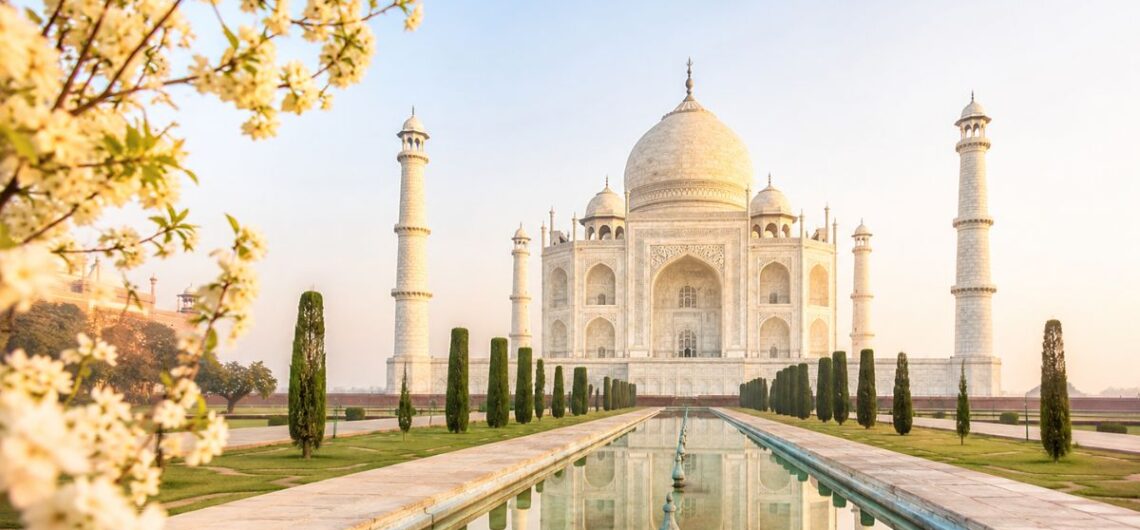
<p>Few places on earth stop you in your tracks the way the Taj Mahal does. The moment its white marble dome comes into view, framed by sandstone archways and a mirror-still reflecting pool, most first-time visitors simply go quiet. No photograph fully prepares you for it.</p>
<!-- /wp:paragraph -->
<!-- wp:paragraph -->
<p>But a visit this iconic deserves more than just showing up. Entry rules, crowd patterns, photography spots, restricted items — there's a lot to navigate. This guide covers everything you need to plan a smooth, memorable first visit to one of the world's greatest monuments.</p>
<!-- /wp:paragraph -->
<!-- wp:heading -->
<h2 class="wp-block-heading"><strong>Why the Taj Mahal Is a Must-Visit Destination</strong></h2>
<!-- /wp:heading -->
<!-- wp:heading {"level":3} -->
<h3 class="wp-block-heading"><strong>A Symbol of Love and Architectural Excellence</strong></h3>
<!-- /wp:heading -->
<!-- wp:paragraph -->
<p>Emperor Shah Jahan commissioned the Taj Mahal in 1632 as a mausoleum for his beloved wife Mumtaz Mahal, who passed away during childbirth. Construction took over 20 years and involved roughly 20,000 artisans from across India, Persia, and Central Asia. The result is a structure that has been called the finest example of Mughal architecture in the world — a seamless blend of Islamic, Persian, Ottoman, and Indian design traditions.</p>
<!-- /wp:paragraph -->
<!-- wp:heading {"level":3} -->
<h3 class="wp-block-heading"><strong>UNESCO World Heritage Status</strong></h3>
<!-- /wp:heading -->
<!-- wp:paragraph -->
<p>The Taj Mahal was inscribed as a UNESCO World Heritage Site in 1983. The designation recognized the complex not just as an architectural achievement, but as a testament to the cultural and artistic exchange of the Mughal era. Today, it draws over 7 to 8 million visitors annually, making it one of India's most visited landmarks.</p>
<!-- /wp:paragraph -->
<!-- wp:heading {"level":3} -->
<h3 class="wp-block-heading"><strong>What Makes the Taj Mahal Unique</strong></h3>
<!-- /wp:heading -->
<!-- wp:paragraph -->
<p>Beyond its famous symmetry and white marble, the Taj Mahal has subtleties that reward a slow, attentive visit. The entire complex is precisely symmetrical — except for the two cenotaphs inside the mausoleum. The inlaid floral work uses over 28 types of semi-precious stones including lapis lazuli, jade, and turquoise. The minarets are built with a slight outward tilt so they would fall away from the main structure in the event of an earthquake.</p>
<!-- /wp:paragraph -->
<!-- wp:heading -->
<h2 class="wp-block-heading"><strong>Best Time to Visit the Taj Mahal</strong></h2>
<!-- /wp:heading -->
<!-- wp:heading {"level":3} -->
<h3 class="wp-block-heading"><strong>Visiting During Sunrise</strong></h3>
<!-- /wp:heading -->
<!-- wp:paragraph -->
<p>Sunrise is the single best time to visit — and most experienced travelers will tell you the same. The complex opens 30 minutes before sunrise, and the soft golden light makes the white marble glow. Crowds are also significantly thinner at this hour. For those who want to make the most of an early morning experience, many visitors plan <a href="https://www.mytajtour.com/tours/taj-mahal-sunrise-tour/">sunrise visits to the Taj Mahal</a> as a dedicated trip from Delhi.</p>
<!-- /wp:paragraph -->
<!-- wp:heading {"level":3} -->
<h3 class="wp-block-heading"><strong>Seasonal Travel Considerations</strong></h3>
<!-- /wp:heading -->
<!-- wp:paragraph -->
<p><strong>October to March</strong> is the most comfortable window for a visit. Temperatures are mild, the air is clearer, and the experience overall is more pleasant. Winter mornings (December–January) can be cold and foggy — sometimes so foggy that the dome disappears — but this creates an ethereal, dramatic atmosphere that many photographers love.</p>
<!-- /wp:paragraph -->
<!-- wp:paragraph -->
<p><strong>April to June</strong> brings intense heat, with temperatures regularly exceeding 40°C (104°F). If you visit during summer, arrive at opening time, carry water, and plan to leave by mid-morning.</p>
<!-- /wp:paragraph -->
<!-- wp:paragraph -->
<p><strong>July to September</strong> is monsoon season. The rain keeps crowds away and turns the surrounding gardens lush and green. Just be prepared for humidity and occasional heavy downpours.</p>
<!-- /wp:paragraph -->
<!-- wp:heading {"level":3} -->
<h3 class="wp-block-heading"><strong>Weekdays vs Weekends</strong></h3>
<!-- /wp:heading -->
<!-- wp:paragraph -->
<p>Weekdays are noticeably less crowded than weekends and public holidays. Friday is the one day of the week the Taj Mahal is closed (it opens only for Friday prayers at the mosque). Plan around that, and if possible, aim for a Tuesday or Wednesday morning for the quietest experience.</p>
<!-- /wp:paragraph -->
<!-- wp:heading -->
<h2 class="wp-block-heading"><strong>Things to Know Before Visiting the Taj Mahal</strong></h2>
<!-- /wp:heading -->
<!-- wp:image {"id":2007,"sizeSlug":"large","linkDestination":"none"} -->
<figure class="wp-block-image size-large"><img src="https://www.mytajtour.com/wp-content/uploads/2026/06/image-1024x597.jpeg" alt="Taj Mahal visitor guide showing entry rules, security checks, ticket information, allowed and restricted items, and visitor tips" class="wp-image-2007" title="Taj Mahal Entry Rules & Security Guide for First-Time Visitors"/></figure>
<!-- /wp:image -->
<!-- wp:heading {"level":3} -->
<h3 class="wp-block-heading"><strong>Entry Rules and Security Guidelines</strong></h3>
<!-- /wp:heading -->
<!-- wp:paragraph -->
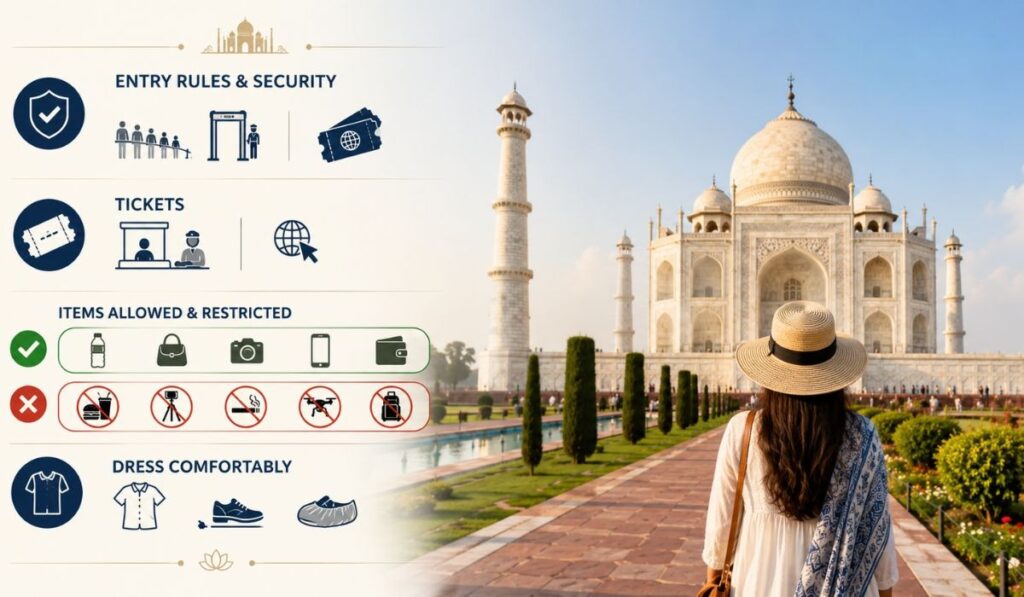
<p>All visitors pass through security screening before entering. There are separate entry queues for men and women. The entry fee differs for Indian nationals and foreign tourists — check the Archaeological Survey of India's official website for the current rate before your trip.</p>
<!-- /wp:paragraph -->
<!-- wp:paragraph -->
<p>Tickets can be purchased at the gate or booked online in advance. Online booking is recommended, especially during peak season, as it saves time at the entrance.</p>
<!-- /wp:paragraph -->
<!-- wp:heading {"level":3} -->
<h3 class="wp-block-heading"><strong>Items Allowed and Restricted</strong></h3>
<!-- /wp:heading -->
<!-- wp:paragraph -->
<p>The following items are <strong>not permitted</strong> inside the complex:</p>
<!-- /wp:paragraph -->
<!-- wp:list -->
<ul class="wp-block-list"><!-- wp:list-item -->
<li>Food and drinks (water in a transparent bottle is allowed)</li>
<!-- /wp:list-item -->
<!-- wp:list-item -->
<li>Tripods and selfie sticks</li>
<!-- /wp:list-item -->
<!-- wp:list-item -->
<li>Tobacco and cigarettes</li>
<!-- /wp:list-item -->
<!-- wp:list-item -->
<li>Drone cameras</li>
<!-- /wp:list-item -->
<!-- wp:list-item -->
<li>Large bags or luggage</li>
<!-- /wp:list-item --></ul>
<!-- /wp:list -->
<!-- wp:paragraph -->
<p>Small bags, cameras, phones, and wallets are fine. Lockers are available near the entrance if you need to leave items behind.</p>
<!-- /wp:paragraph -->
<!-- wp:heading {"level":3} -->
<h3 class="wp-block-heading"><strong>Dress Comfortably for the Weather</strong></h3>
<!-- /wp:heading -->
<!-- wp:paragraph -->
<p>There's no strict dress code, but modest, comfortable clothing is advised out of respect for the religious site. Lightweight, breathable fabrics work best in warm months. Shoes must be removed or covered with provided shoe covers before entering the main mausoleum — both options are available at the entrance.</p>
<!-- /wp:paragraph -->
<!-- wp:heading -->
<h2 class="wp-block-heading"><strong>How to Reach the Taj Mahal</strong></h2>
<!-- /wp:heading -->
<!-- wp:image {"id":2010,"sizeSlug":"large","linkDestination":"none"} -->
<figure class="wp-block-image size-large"><img src="https://www.mytajtour.com/wp-content/uploads/2026/06/agra-cantt-to-taj-mahal-transport-guide.jpg-1024x597.jpg" alt="Travel options from Agra Cantt Railway Station to the Taj Mahal including taxi, auto rickshaw, e-rickshaw, and walking route" class="wp-image-2010" title="Agra Cantt to Taj Mahal – Best Transport Options for Tourists"/></figure>
<!-- /wp:image -->
<!-- wp:heading {"level":3} -->
<h3 class="wp-block-heading"><strong></strong><strong><br></strong><strong>Reaching Agra by Road</strong></h3>
<!-- /wp:heading -->
<!-- wp:paragraph -->
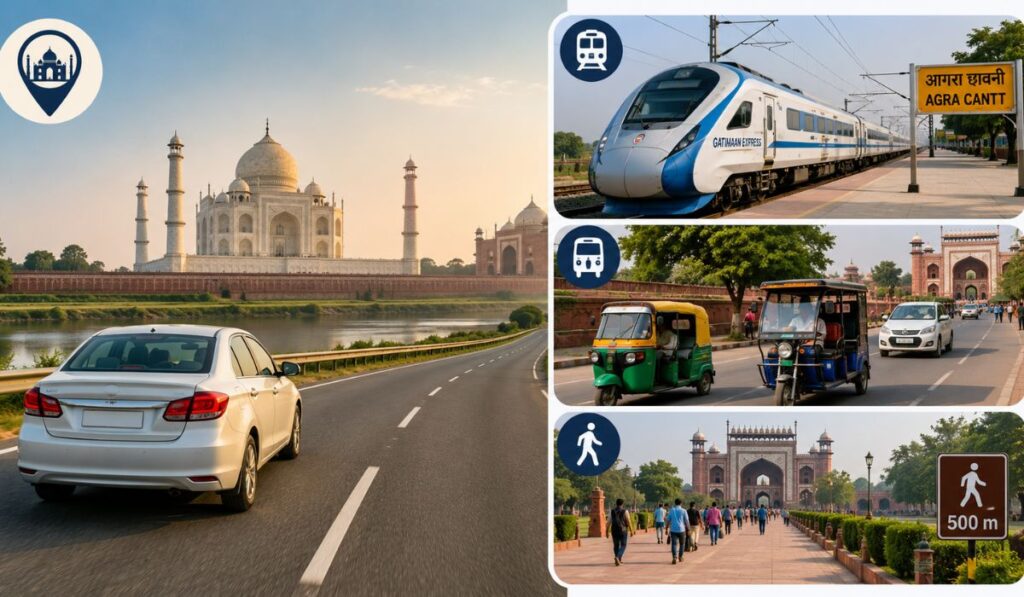
<p>Agra is approximately 200–230 km from Delhi via the Yamuna Expressway. By car, the journey typically takes 2.5 to 3.5 hours depending on traffic. This is a popular option for those who want flexibility and comfort — many travelers arrange <a href="https://www.mytajtour.com/tours/taj-mahal-tour-by-car/">Taj Mahal Tour by Car from Delhi</a> that allow for a relaxed pace and stops along the way.</p>
<!-- /wp:paragraph -->
<!-- wp:heading {"level":3} -->
<h3 class="wp-block-heading"><strong>Traveling by Train</strong></h3>
<!-- /wp:heading -->
<!-- wp:paragraph -->
<p>The Gatimaan Express is the fastest and most popular train connecting Delhi's Hazrat Nizamuddin station to Agra Cantt, covering the route in about 1 hour 40 minutes. The Shatabdi Express is another comfortable option, running between Delhi and Agra multiple times a day. Booking in advance is strongly recommended, especially on weekends and during peak tourist season.</p>
<!-- /wp:paragraph -->
<!-- wp:heading {"level":3} -->
<h3 class="wp-block-heading"><strong>Local Transportation Options</strong></h3>
<!-- /wp:heading -->
<!-- wp:paragraph -->
<p>From Agra's train station or city center, auto-rickshaws, e-rickshaws, and pre-paid taxis are all commonly used to reach the Taj Mahal. The South Gate (near Taj Ganj) is the main tourist entrance. The East Gate and West Gate are less congested alternatives. No motorized vehicles are allowed within 500 meters of the monument, so you'll walk the final stretch.</p>
<!-- /wp:paragraph -->
<!-- wp:heading -->
<h2 class="wp-block-heading"><strong>What to Expect Inside the Taj Mahal Complex</strong></h2>
<!-- /wp:heading -->
<!-- wp:heading {"level":3} -->
<h3 class="wp-block-heading"><strong>Main Mausoleum</strong></h3>
<!-- /wp:heading -->
<!-- wp:paragraph -->
<p>The centerpiece of the complex is the white marble mausoleum sitting on a raised platform. Inside, the cenotaphs of Mumtaz Mahal and Shah Jahan rest side by side, surrounded by intricately carved marble screens. The interior is dimly lit and hushed — a dramatic contrast to the sun-drenched gardens outside.</p>
<!-- /wp:paragraph -->
<!-- wp:heading {"level":3} -->
<h3 class="wp-block-heading"><strong>Gardens and Reflecting Pool</strong></h3>
<!-- /wp:heading -->
<!-- wp:paragraph -->
<p>The formal Mughal garden (called the Charbagh) stretches from the main gate to the base of the mausoleum. It is divided into four quadrants by water channels, with a large raised marble tank at the center — the famous reflecting pool that mirrors the dome. Walking through these gardens slowly reveals new angles and perspectives at every turn.</p>
<!-- /wp:paragraph -->
<!-- wp:heading {"level":3} -->
<h3 class="wp-block-heading"><strong>Mosque and Guest House</strong></h3>
<!-- /wp:heading -->
<!-- wp:paragraph -->
<p>Flanking the mausoleum on either side are two identical red sandstone structures — a mosque on the west and a guest house on the east. The guest house was built purely to maintain architectural symmetry. The mosque is still in active use for Friday prayers.</p>
<!-- /wp:paragraph -->
<!-- wp:heading -->
<h2 class="wp-block-heading"><strong>Taj Mahal Photography Tips for Beginners</strong></h2>
<!-- /wp:heading -->
<!-- wp:heading {"level":3} -->
<h3 class="wp-block-heading"><strong>Best Photo Locations</strong></h3>
<!-- /wp:heading -->
<!-- wp:list -->
<ul class="wp-block-list"><!-- wp:list-item -->
<li><strong>The Great Gate (Darwaza-i-Rauza):</strong> Frame the Taj Mahal through the arched gateway for an iconic, magazine-worthy composition.</li>
<!-- /wp:list-item -->
<!-- wp:list-item -->
<li><strong>The Reflecting Pool bench:</strong> The classic postcard shot — position yourself slightly to one side to avoid the crowded center.</li>
<!-- /wp:list-item -->
<!-- wp:list-item -->
<li><strong>The raised platform:</strong> Shoot from up close for dramatic detail of the marble inlay and calligraphy.</li>
<!-- /wp:list-item -->
<!-- wp:list-item -->
<li><strong>Mehtab Bagh (across the Yamuna River):</strong> This garden on the opposite bank offers a unique full-view perspective at sunset.</li>
<!-- /wp:list-item --></ul>
<!-- /wp:list -->
<!-- wp:heading {"level":3} -->
<h3 class="wp-block-heading"><strong>Ideal Lighting Conditions</strong></h3>
<!-- /wp:heading -->
<!-- wp:paragraph -->
<p>The Taj Mahal changes personality with the light. Sunrise gives warm, golden tones. Midday sun makes the marble almost blinding white. Overcast days produce soft, diffused light that brings out the stone's subtle warmth. Avoid harsh midday light if you want your images to look their best.</p>
<!-- /wp:paragraph -->
<!-- wp:heading {"level":3} -->
<h3 class="wp-block-heading"><strong>Smartphone Photography Tips</strong></h3>
<!-- /wp:heading -->
<!-- wp:list -->
<ul class="wp-block-list"><!-- wp:list-item -->
<li>Use Portrait mode to separate the monument from a busy background.</li>
<!-- /wp:list-item -->
<!-- wp:list-item -->
<li>Clean your lens before shooting — marble dust and smudges are inevitable.</li>
<!-- /wp:list-item -->
<!-- wp:list-item -->
<li>Try shooting from a low angle near the reflecting pool for striking reflections.</li>
<!-- /wp:list-item -->
<!-- wp:list-item -->
<li>Enable grid lines to keep your compositions level and symmetrical.</li>
<!-- /wp:list-item -->
<!-- wp:list-item -->
<li>The early morning light is the most forgiving for any camera.</li>
<!-- /wp:list-item --></ul>
<!-- /wp:list -->
<!-- wp:heading -->
<h2 class="wp-block-heading"><strong>Common Mistakes First-Time Visitors Should Avoid</strong></h2>
<!-- /wp:heading -->
<!-- wp:heading {"level":3} -->
<h3 class="wp-block-heading"><strong>Arriving Late</strong></h3>
<!-- /wp:heading -->
<!-- wp:paragraph -->
<p>first-time-visitors-guide-to-the-taj-mahal. Arriving late means navigating packed pathways, long queues at popular photo spots, and limited shade. An early start transforms the experience.</p>
<!-- /wp:paragraph -->
<!-- wp:heading {"level":3} -->
<h3 class="wp-block-heading"><strong>Ignoring Weather Conditions</strong></h3>
<!-- /wp:heading -->
<!-- wp:paragraph -->
<p>Checking the forecast is simple but often overlooked. Rain, fog, and extreme heat all affect your experience significantly. The right clothing and footwear — especially comfortable walking shoes — can make or break the day.</p>
<!-- /wp:paragraph -->
<!-- wp:heading {"level":3} -->
<h3 class="wp-block-heading"><strong>Not Carrying Essentials</strong></h3>
<!-- /wp:heading -->
<!-- wp:paragraph -->
<p>The area around the Taj Mahal has limited food vendors once you're inside. Carry water, a small snack if allowed, sunscreen, and a hat for warm-weather visits.</p>
<!-- /wp:paragraph -->
<!-- wp:heading {"level":3} -->
<h3 class="wp-block-heading"><strong>Missing Nearby Attractions</strong></h3>
<!-- /wp:heading -->
<!-- wp:paragraph -->
<p>Many visitors leave Agra without seeing its other major sites. This can be a major disappointment, especially if you've traveled all the way from Delhi to visit the Taj Mahal.</p>
<!-- /wp:paragraph -->
<!-- wp:heading -->
<h2 class="wp-block-heading"><strong>Attractions Near the Taj Mahal</strong></h2>
<!-- /wp:heading -->
<!-- wp:image {"id":2008,"sizeSlug":"large","linkDestination":"none"} -->
<figure class="wp-block-image size-large"><img src="https://www.mytajtour.com/wp-content/uploads/2026/06/image-1-1024x597.jpeg" alt="Popular attractions near the Taj Mahal including Agra Fort, Mehtab Bagh, and local markets in Agra" class="wp-image-2008" title="Top Attractions Near the Taj Mahal You Should Not Miss"/></figure>
<!-- /wp:image -->
<!-- wp:heading {"level":3} -->
<h3 class="wp-block-heading"><strong>Agra Fort</strong></h3>
<!-- /wp:heading -->
<!-- wp:paragraph -->
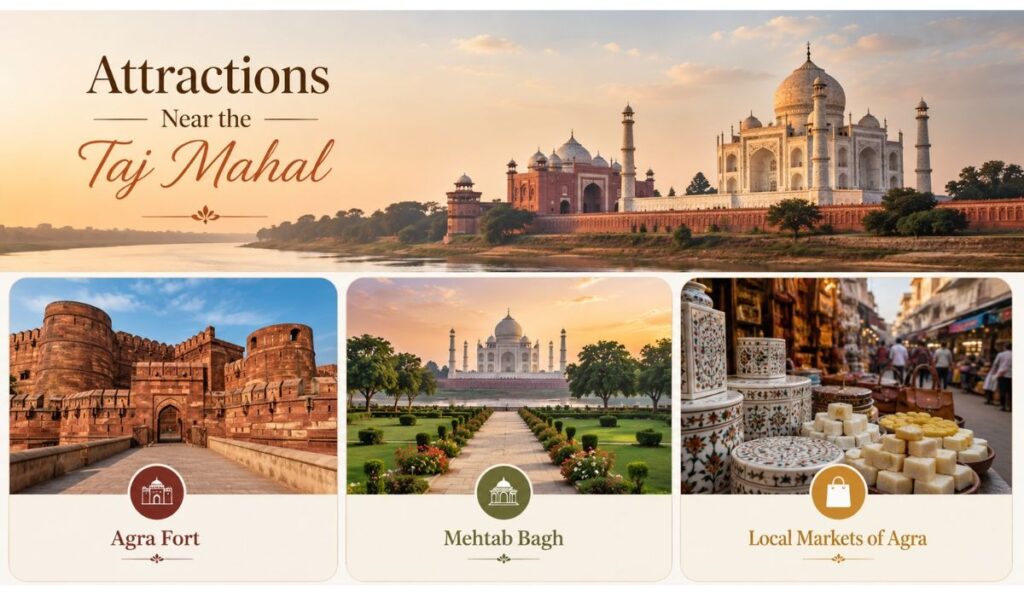
<p>Just 2.5 km from the Taj Mahal, Agra Fort is a <a href="https://whc.unesco.org/en/list/251/">UNESCO World Heritage Site</a> in its own right. The red sandstone complex served as the main residence of the Mughal emperors until 1638. From certain sections of the fort, you can see the Taj Mahal across the Yamuna River — the same view Shah Jahan reportedly spent his final years gazing at from captivity.</p>
<!-- /wp:paragraph -->
<!-- wp:heading {"level":3} -->
<h3 class="wp-block-heading"><strong>Mehtab Bagh</strong></h3>
<!-- /wp:heading -->
<!-- wp:paragraph -->
<p>The "Moonlight Garden" sits directly across the Yamuna River from the Taj Mahal. Architects originally designed it as a garden retreat for Shah Jahan and positioned it to perfectly mirror the Taj complex on the opposite bank. Today it offers one of the most uncrowded and beautiful views of the monument, particularly beautiful at sunset.</p>
<!-- /wp:paragraph -->
<!-- wp:heading {"level":3} -->
<h3 class="wp-block-heading"><strong>Local Markets of Agra</strong></h3>
<!-- /wp:heading -->
<!-- wp:paragraph -->
<p>Explore the markets around Taj Ganj and Sadar Bazaar to shop for Agra's famous marble inlay goods, leather products, and Petha sweets—a local confection made from white pumpkin that Agra's confectioners have prepared for centuries. Shopkeepers expect bargaining, so compare prices at a few stores before making a purchase.</p>
<!-- /wp:paragraph -->
<!-- wp:heading -->
<h2 class="wp-block-heading"><strong>Useful Travel Tips for International Visitors</strong></h2>
<!-- /wp:heading -->
<!-- wp:heading {"level":3} -->
<h3 class="wp-block-heading"><strong>Currency and Payments</strong></h3>
<!-- /wp:heading -->
<!-- wp:paragraph -->
<p>India operates largely on cash, especially for small purchases and auto-rickshaws. Carry Indian Rupees (INR) in small denominations. ATMs are available in Agra city center. Most mid-range and upscale restaurants and hotels accept cards, but smaller vendors typically don't.</p>
<!-- /wp:paragraph -->
<!-- wp:heading {"level":3} -->
<h3 class="wp-block-heading"><strong>Local Etiquette</strong></h3>
<!-- /wp:heading -->
<!-- wp:paragraph -->
<p>Remove your shoes before entering the mausoleum. Dress modestly — covering shoulders and knees shows respect, especially inside religious sections of the complex. Speak quietly inside the mausoleum.</p>
<!-- /wp:paragraph -->
<!-- wp:heading {"level":3} -->
<h3 class="wp-block-heading"><strong>Staying Hydrated and Comfortable</strong></h3>
<!-- /wp:heading -->
<!-- wp:paragraph -->
<p>Dehydration is a real risk in warm months. Drink water regularly throughout the day. Sealed bottled water from reputable brands is widely available and inexpensive. If you're visiting in summer, plan your day around the shade and return to your hotel or a restaurant during the hottest midday hours.</p>
<!-- /wp:paragraph -->
<!-- wp:heading -->
<h2 class="wp-block-heading"><strong>Frequently Asked Questions About Visiting the Taj Mahal</strong></h2>
<!-- /wp:heading -->
<!-- wp:heading {"level":3} -->
<h3 class="wp-block-heading"><strong>1. What is the best time to visit the Taj Mahal?</strong> </h3>
<!-- /wp:heading -->
<!-- wp:paragraph -->
<p>Sunrise on a weekday between October and March is the ideal combination — comfortable weather, beautiful light, and smaller crowds. The complex opens 30 minutes before sunrise.</p>
<!-- /wp:paragraph -->
<!-- wp:heading {"level":3} -->
<h3 class="wp-block-heading"><strong>2. How much time should I spend at the Taj Mahal?</strong> </h3>
<!-- /wp:heading -->
<!-- wp:paragraph -->
<p>Most visitors spend 2 to 3 hours inside the complex. This allows time to explore the gardens, enter the mausoleum, visit the mosque and guest house, and take photos without rushing.</p>
<!-- /wp:paragraph -->
<!-- wp:heading {"level":3} -->
<h3 class="wp-block-heading"><strong>3. Can I take photos inside the Taj Mahal?</strong> </h3>
<!-- /wp:heading -->
<!-- wp:paragraph -->
<p>Visitors can freely take photographs throughout the Taj Mahal complex and gardens. However, security staff prohibit photography inside the main mausoleum, where the cenotaphs are located. Security personnel may temporarily hold phones and cameras at the entrance before allowing visitors inside.</p>
<!-- /wp:paragraph -->
<!-- wp:heading {"level":3} -->
<h3 class="wp-block-heading"><strong>4. What items are not allowed inside?</strong> </h3>
<!-- /wp:heading -->
<!-- wp:paragraph -->
<p>Food, alcohol, tripods, selfie sticks, cigarettes, drones, and large bags are all prohibited. Visitors may carry small cameras, phones, and water in transparent bottles into the complex.</p>
<!-- /wp:paragraph -->
<!-- wp:heading {"level":3} -->
<h3 class="wp-block-heading"><strong>5. Is the Taj Mahal suitable for family visits?</strong> </h3>
<!-- /wp:heading -->
<!-- wp:paragraph -->
<p>Absolutely. Families with children of all ages visit regularly. The grounds are spacious and walkable, and the experience is engaging for all ages. Just plan for the heat if visiting in summer and bring water and snacks for younger children.</p>
<!-- /wp:paragraph -->
<!-- wp:heading {"level":3} -->
<h3 class="wp-block-heading"><strong>6. Which nearby attractions should I visit?</strong> </h3>
<!-- /wp:heading -->
<!-- wp:paragraph -->
<p>Agra Fort and Mehtab Bagh are both excellent complements to a Taj Mahal visit. Fatehpur Sikri, the abandoned Mughal capital about 40 km from Agra, is worth a half-day excursion if your schedule allows.</p>
<!-- /wp:paragraph -->
<!-- wp:heading {"level":3} -->
<h3 class="wp-block-heading"><strong>7. What should I wear when visiting the Taj Mahal?</strong> </h3>
<!-- /wp:heading -->
<!-- wp:paragraph -->
<p>Comfortable, modest clothing appropriate for the season. Lightweight layers work well since mornings can be cool even in warmer months.Wear flat, comfortable shoes because you'll walk on marble and cobblestone, and security staff require visitors to remove their shoes before entering the mausoleum.</p>
<!-- /wp:paragraph -->
<!-- wp:heading {"level":3} -->
<h3 class="wp-block-heading"><strong>8. Can I visit the Taj Mahal in one day from Delhi?</strong> </h3>
<!-- /wp:heading -->
<!-- wp:paragraph -->
<p>Yes. Many travelers make the trip as a guided Taj Mahal experience departing from Delhi early in the morning and returning the same evening. For a more relaxed pace that includes Agra Fort and an evening at the monument, an <a href="https://www.mytajtour.com/tours/overnight-taj-mahal-tour/">overnight Taj Mahal experience</a> gives you time to see everything comfortably without feeling rushed.</p>
<!-- /wp:paragraph -->
Few places on earth stop you in your tracks the way the Taj Mahal does. The moment its white marble dome comes into view, framed by sandstone archways and a mirror-still reflecting pool, most first-time visitors simply go quiet. No photograph fully prepares you for it.
But a visit this iconic deserves more than just showing up. Entry rules, crowd patterns, photography spots, restricted items — there’s a lot to navigate. This guide covers everything you need to plan a smooth, memorable first visit to one of the world’s greatest monuments.
Why the Taj Mahal Is a Must-Visit Destination
A Symbol of Love and Architectural Excellence
Emperor Shah Jahan commissioned the Taj Mahal in 1632 as a mausoleum for his beloved wife Mumtaz Mahal, who passed away during childbirth. Construction took over 20 years and involved roughly 20,000 artisans from across India, Persia, and Central Asia. The result is a structure that has been called the finest example of Mughal architecture in the world — a seamless blend of Islamic, Persian, Ottoman, and Indian design traditions.
UNESCO World Heritage Status
The Taj Mahal was inscribed as a UNESCO World Heritage Site in 1983. The designation recognized the complex not just as an architectural achievement, but as a testament to the cultural and artistic exchange of the Mughal era. Today, it draws over 7 to 8 million visitors annually, making it one of India’s most visited landmarks.
What Makes the Taj Mahal Unique
Beyond its famous symmetry and white marble, the Taj Mahal has subtleties that reward a slow, attentive visit. The entire complex is precisely symmetrical — except for the two cenotaphs inside the mausoleum. The inlaid floral work uses over 28 types of semi-precious stones including lapis lazuli, jade, and turquoise. The minarets are built with a slight outward tilt so they would fall away from the main structure in the event of an earthquake.
Best Time to Visit the Taj Mahal
Visiting During Sunrise
Sunrise is the single best time to visit — and most experienced travelers will tell you the same. The complex opens 30 minutes before sunrise, and the soft golden light makes the white marble glow. Crowds are also significantly thinner at this hour. For those who want to make the most of an early morning experience, many visitors plan sunrise visits to the Taj Mahal as a dedicated trip from Delhi.
Seasonal Travel Considerations
October to March is the most comfortable window for a visit. Temperatures are mild, the air is clearer, and the experience overall is more pleasant. Winter mornings (December–January) can be cold and foggy — sometimes so foggy that the dome disappears — but this creates an ethereal, dramatic atmosphere that many photographers love.
April to June brings intense heat, with temperatures regularly exceeding 40°C (104°F). If you visit during summer, arrive at opening time, carry water, and plan to leave by mid-morning.
July to September is monsoon season. The rain keeps crowds away and turns the surrounding gardens lush and green. Just be prepared for humidity and occasional heavy downpours.
Weekdays vs Weekends
Weekdays are noticeably less crowded than weekends and public holidays. Friday is the one day of the week the Taj Mahal is closed (it opens only for Friday prayers at the mosque). Plan around that, and if possible, aim for a Tuesday or Wednesday morning for the quietest experience.
Things to Know Before Visiting the Taj Mahal
Entry Rules and Security Guidelines
All visitors pass through security screening before entering. There are separate entry queues for men and women. The entry fee differs for Indian nationals and foreign tourists — check the Archaeological Survey of India’s official website for the current rate before your trip.
Tickets can be purchased at the gate or booked online in advance. Online booking is recommended, especially during peak season, as it saves time at the entrance.
Items Allowed and Restricted
The following items are not permitted inside the complex:
Food and drinks (water in a transparent bottle is allowed)
Tripods and selfie sticks
Tobacco and cigarettes
Drone cameras
Large bags or luggage
Small bags, cameras, phones, and wallets are fine. Lockers are available near the entrance if you need to leave items behind.
Dress Comfortably for the Weather
There’s no strict dress code, but modest, comfortable clothing is advised out of respect for the religious site. Lightweight, breathable fabrics work best in warm months. Shoes must be removed or covered with provided shoe covers before entering the main mausoleum — both options are available at the entrance.
How to Reach the Taj Mahal
Reaching Agra by Road
Agra is approximately 200–230 km from Delhi via the Yamuna Expressway. By car, the journey typically takes 2.5 to 3.5 hours depending on traffic. This is a popular option for those who want flexibility and comfort — many travelers arrange Taj Mahal Tour by Car from Delhi that allow for a relaxed pace and stops along the way.
Traveling by Train
The Gatimaan Express is the fastest and most popular train connecting Delhi’s Hazrat Nizamuddin station to Agra Cantt, covering the route in about 1 hour 40 minutes. The Shatabdi Express is another comfortable option, running between Delhi and Agra multiple times a day. Booking in advance is strongly recommended, especially on weekends and during peak tourist season.
Local Transportation Options
From Agra’s train station or city center, auto-rickshaws, e-rickshaws, and pre-paid taxis are all commonly used to reach the Taj Mahal. The South Gate (near Taj Ganj) is the main tourist entrance. The East Gate and West Gate are less congested alternatives. No motorized vehicles are allowed within 500 meters of the monument, so you’ll walk the final stretch.
What to Expect Inside the Taj Mahal Complex
Main Mausoleum
The centerpiece of the complex is the white marble mausoleum sitting on a raised platform. Inside, the cenotaphs of Mumtaz Mahal and Shah Jahan rest side by side, surrounded by intricately carved marble screens. The interior is dimly lit and hushed — a dramatic contrast to the sun-drenched gardens outside.
Gardens and Reflecting Pool
The formal Mughal garden (called the Charbagh) stretches from the main gate to the base of the mausoleum. It is divided into four quadrants by water channels, with a large raised marble tank at the center — the famous reflecting pool that mirrors the dome. Walking through these gardens slowly reveals new angles and perspectives at every turn.
Mosque and Guest House
Flanking the mausoleum on either side are two identical red sandstone structures — a mosque on the west and a guest house on the east. The guest house was built purely to maintain architectural symmetry. The mosque is still in active use for Friday prayers.
Taj Mahal Photography Tips for Beginners
Best Photo Locations
The Great Gate (Darwaza-i-Rauza): Frame the Taj Mahal through the arched gateway for an iconic, magazine-worthy composition.
The Reflecting Pool bench: The classic postcard shot — position yourself slightly to one side to avoid the crowded center.
The raised platform: Shoot from up close for dramatic detail of the marble inlay and calligraphy.
Mehtab Bagh (across the Yamuna River): This garden on the opposite bank offers a unique full-view perspective at sunset.
Ideal Lighting Conditions
The Taj Mahal changes personality with the light. Sunrise gives warm, golden tones. Midday sun makes the marble almost blinding white. Overcast days produce soft, diffused light that brings out the stone’s subtle warmth. Avoid harsh midday light if you want your images to look their best.
Smartphone Photography Tips
Use Portrait mode to separate the monument from a busy background.
Clean your lens before shooting — marble dust and smudges are inevitable.
Try shooting from a low angle near the reflecting pool for striking reflections.
Enable grid lines to keep your compositions level and symmetrical.
The early morning light is the most forgiving for any camera.
Common Mistakes First-Time Visitors Should Avoid
Arriving Late
first-time-visitors-guide-to-the-taj-mahal. Arriving late means navigating packed pathways, long queues at popular photo spots, and limited shade. An early start transforms the experience.
Ignoring Weather Conditions
Checking the forecast is simple but often overlooked. Rain, fog, and extreme heat all affect your experience significantly. The right clothing and footwear — especially comfortable walking shoes — can make or break the day.
Not Carrying Essentials
The area around the Taj Mahal has limited food vendors once you’re inside. Carry water, a small snack if allowed, sunscreen, and a hat for warm-weather visits.
Missing Nearby Attractions
Many visitors leave Agra without seeing its other major sites. This can be a major disappointment, especially if you’ve traveled all the way from Delhi to visit the Taj Mahal.
Attractions Near the Taj Mahal
Agra Fort
Just 2.5 km from the Taj Mahal, Agra Fort is a UNESCO World Heritage Site in its own right. The red sandstone complex served as the main residence of the Mughal emperors until 1638. From certain sections of the fort, you can see the Taj Mahal across the Yamuna River — the same view Shah Jahan reportedly spent his final years gazing at from captivity.
Mehtab Bagh
The “Moonlight Garden” sits directly across the Yamuna River from the Taj Mahal. Architects originally designed it as a garden retreat for Shah Jahan and positioned it to perfectly mirror the Taj complex on the opposite bank. Today it offers one of the most uncrowded and beautiful views of the monument, particularly beautiful at sunset.
Local Markets of Agra
Explore the markets around Taj Ganj and Sadar Bazaar to shop for Agra’s famous marble inlay goods, leather products, and Petha sweets—a local confection made from white pumpkin that Agra’s confectioners have prepared for centuries. Shopkeepers expect bargaining, so compare prices at a few stores before making a purchase.
Useful Travel Tips for International Visitors
Currency and Payments
India operates largely on cash, especially for small purchases and auto-rickshaws. Carry Indian Rupees (INR) in small denominations. ATMs are available in Agra city center. Most mid-range and upscale restaurants and hotels accept cards, but smaller vendors typically don’t.
Local Etiquette
Remove your shoes before entering the mausoleum. Dress modestly — covering shoulders and knees shows respect, especially inside religious sections of the complex. Speak quietly inside the mausoleum.
Staying Hydrated and Comfortable
Dehydration is a real risk in warm months. Drink water regularly throughout the day. Sealed bottled water from reputable brands is widely available and inexpensive. If you’re visiting in summer, plan your day around the shade and return to your hotel or a restaurant during the hottest midday hours.
Frequently Asked Questions About Visiting the Taj Mahal
1. What is the best time to visit the Taj Mahal?
Sunrise on a weekday between October and March is the ideal combination — comfortable weather, beautiful light, and smaller crowds. The complex opens 30 minutes before sunrise.
2. How much time should I spend at the Taj Mahal?
Most visitors spend 2 to 3 hours inside the complex. This allows time to explore the gardens, enter the mausoleum, visit the mosque and guest house, and take photos without rushing.
3. Can I take photos inside the Taj Mahal?
Visitors can freely take photographs throughout the Taj Mahal complex and gardens. However, security staff prohibit photography inside the main mausoleum, where the cenotaphs are located. Security personnel may temporarily hold phones and cameras at the entrance before allowing visitors inside.
4. What items are not allowed inside?
Food, alcohol, tripods, selfie sticks, cigarettes, drones, and large bags are all prohibited. Visitors may carry small cameras, phones, and water in transparent bottles into the complex.
5. Is the Taj Mahal suitable for family visits?
Absolutely. Families with children of all ages visit regularly. The grounds are spacious and walkable, and the experience is engaging for all ages. Just plan for the heat if visiting in summer and bring water and snacks for younger children.
6. Which nearby attractions should I visit?
Agra Fort and Mehtab Bagh are both excellent complements to a Taj Mahal visit. Fatehpur Sikri, the abandoned Mughal capital about 40 km from Agra, is worth a half-day excursion if your schedule allows.
7. What should I wear when visiting the Taj Mahal?
Comfortable, modest clothing appropriate for the season. Lightweight layers work well since mornings can be cool even in warmer months.Wear flat, comfortable shoes because you’ll walk on marble and cobblestone, and security staff require visitors to remove their shoes before entering the mausoleum.
8. Can I visit the Taj Mahal in one day from Delhi?
Yes. Many travelers make the trip as a guided Taj Mahal experience departing from Delhi early in the morning and returning the same evening. For a more relaxed pace that includes Agra Fort and an evening at the monument, an overnight Taj Mahal experience gives you time to see everything comfortably without feeling rushed.