<!-- wp:heading -->
<h2 class="wp-block-heading">Old Delhi Street Food Walk: What to Eat in Chandni Chowk</h2>
<!-- /wp:heading -->
<!-- wp:paragraph -->
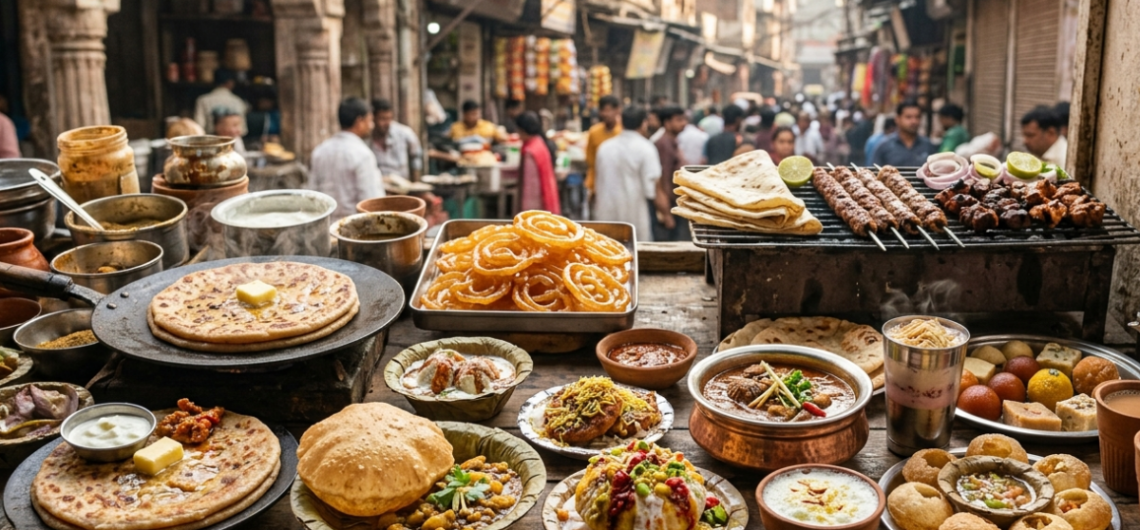
<p>Ask a Delhiite where to eat the city's most iconic food and you will almost always hear the same answer: Chandni Chowk. This crowded, noisy, wonderfully chaotic market in Old Delhi has fed travellers, traders and royal households for nearly four centuries. It was built in the 17th century under Emperor Shah Jahan, the same ruler who built the Taj Mahal, and it grew up around the Red Fort. The lanes that once served the Mughal court are now packed with sweet shops, kebab stalls and chaat carts.</p>
<!-- /wp:paragraph -->
<!-- wp:paragraph -->
<p>If you are planning a trip to India, an Old Delhi street food walk is one of the most memorable things you can add to your itinerary. This guide covers what to eat, how to plan your route, how to enjoy it safely and how to fit it into a longer trip through Delhi, Agra and Jaipur.</p>
<!-- /wp:paragraph -->
<!-- wp:heading {"level":3} -->
<h3 class="wp-block-heading">Why Chandni Chowk Is Delhi's Food Capital</h3>
<!-- /wp:heading -->
<!-- wp:paragraph -->
<p>Many of the dishes here trace back to the Mughal kitchens, the traders who settled in the old walled city and the migrant communities who arrived over the centuries. The result is a mix of rich meat dishes, crispy fried snacks, tangy chaats and syrupy sweets, often served from shops that have stayed in the same family for generations.</p>
<!-- /wp:paragraph -->
<!-- wp:paragraph -->
<p>Many stalls make just one dish and make it all day. That is why the food tastes so focused, and why locals will happily queue for it.</p>
<!-- /wp:paragraph -->
<!-- wp:heading {"level":3} -->
<h3 class="wp-block-heading">12 Must-Try Foods in Chandni Chowk: A Foreigner's Guide</h3>
<!-- /wp:heading -->
<!-- wp:paragraph -->
<p>Indian street food can feel overwhelming if you have never tried it. The menus are unfamiliar, the stalls are crowded and everything smells amazing. This guide explains each dish in simple terms, so you know what to expect before your first bite.</p>
<!-- /wp:paragraph -->
<!-- wp:paragraph -->
<p><strong>Quick spice guide:</strong> 🌶 = mild, 🌶🌶 = medium, 🌶🌶🌶 = properly spicy</p>
<!-- /wp:paragraph -->
<!-- wp:heading {"level":4} -->
<h4 class="wp-block-heading">1. Stuffed Parathas from Paranthe Wali Gali 🌶</h4>
<!-- /wp:heading -->
<!-- wp:image {"id":2158,"sizeSlug":"large","linkDestination":"none"} -->
<figure class="wp-block-image size-large"><img src="https://www.mytajtour.com/wp-content/uploads/2026/09/image_1d378afb-1-1024x572.jpg" alt="" class="wp-image-2158"/></figure>
<!-- /wp:image -->
<!-- wp:paragraph -->
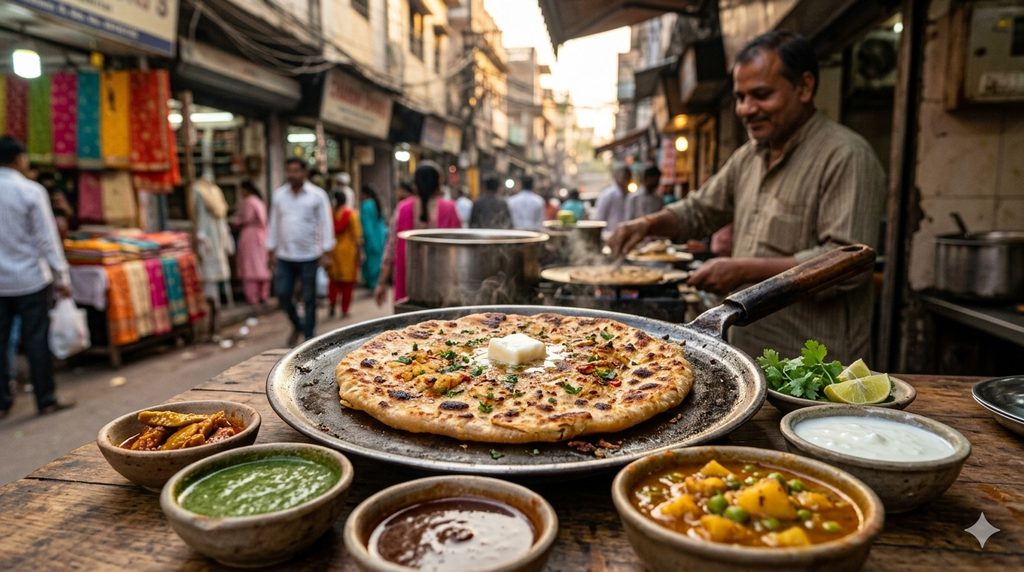
<p><strong>What it is:</strong> A thick, golden flatbread stuffed like a savoury pancake, then fried on a flat griddle until crisp outside and soft inside.</p>
<!-- /wp:paragraph -->
<!-- wp:paragraph -->
<p><strong>What it tastes like:</strong> Warm, buttery and comforting. A potato paratha tastes a bit like a crispy, spiced hash brown wrapped in bread. Paneer (fresh Indian cheese) parathas are mild, creamy and slightly salty. Cauliflower and radish parathas have a gentle, earthy taste.</p>
<!-- /wp:paragraph -->
<!-- wp:paragraph -->
<p><strong>Served with:</strong> Small bowls of tangy pickle, mint or tamarind chutney, a vegetable curry and often a spoonful of yoghurt or butter on top.</p>
<!-- /wp:paragraph -->
<!-- wp:paragraph -->
<p><strong>How to eat it:</strong> Tear off a piece with your right hand, scoop up some curry or chutney and eat. Do not worry about being neat, because nobody else is.</p>
<!-- /wp:paragraph -->
<!-- wp:paragraph -->
<p><strong>Tip for first-timers:</strong> Parathas here are rich and filling. Order one to share and save room for the other stops. This is a good mild choice for day one.</p>
<!-- /wp:paragraph -->
<!-- wp:heading {"level":4} -->
<h4 class="wp-block-heading">2. Bedmi Puri with Aloo Sabzi 🌶🌶</h4>
<!-- /wp:heading -->
<!-- wp:image {"id":2159,"sizeSlug":"large","linkDestination":"none"} -->
<figure class="wp-block-image size-large"><img src="https://www.mytajtour.com/wp-content/uploads/2026/09/image_7c09a58b-1024x572.jpg" alt="" class="wp-image-2159"/></figure>
<!-- /wp:image -->
<!-- wp:paragraph -->
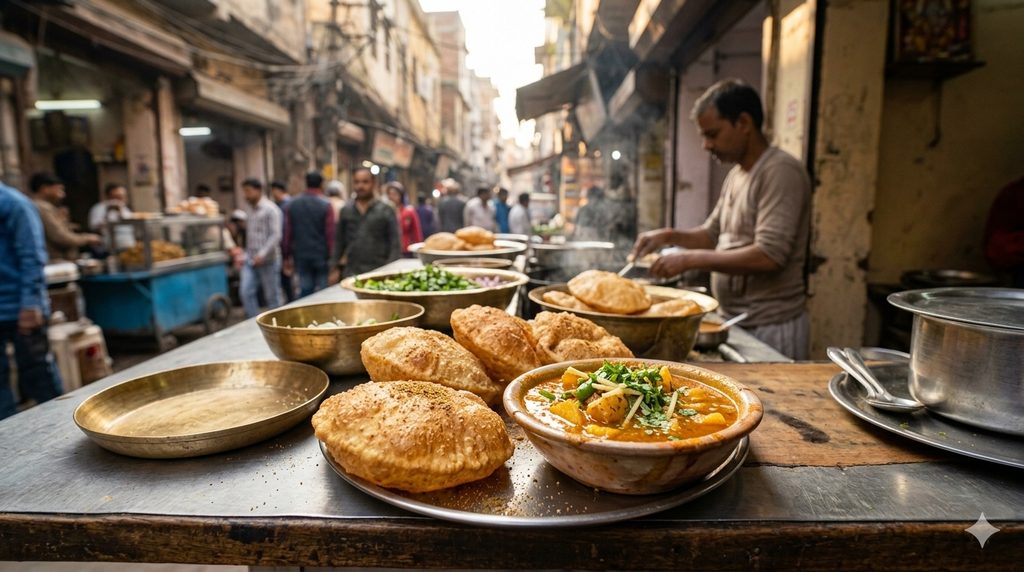
<p><strong>What it is:</strong> A puffed, deep-fried bread made with wheat flour and a filling of ground lentils and spices, served with a thin, tangy, orange-red potato curry.</p>
<!-- /wp:paragraph -->
<!-- wp:paragraph -->
<p><strong>What it tastes like:</strong> The puri is crisp and airy outside with a soft, slightly nutty, savoury middle. The curry is where the flavour lives: tangy from tomatoes and spices, warming from ginger and chilli. Think of it as the Delhi version of a curry-and-bread breakfast, only far more exciting.</p>
<!-- /wp:paragraph -->
<!-- wp:paragraph -->
<p><strong>How to eat it:</strong> Break the puri into pieces, dip it in the potato curry and eat. It is normal to ask for extra curry.</p>
<!-- /wp:paragraph -->
<!-- wp:paragraph -->
<p><strong>Tip for first-timers:</strong> The curry can be hotter than it looks. Ask for "kam teekha" (less spicy) if you are unsure. Eat it in the morning when it is freshest.</p>
<!-- /wp:paragraph -->
<!-- wp:heading {"level":4} -->
<h4 class="wp-block-heading">3. Jalebi, Fresh from the Kadhai 🌶 (not spicy, very sweet)</h4>
<!-- /wp:heading -->
<!-- wp:image {"id":2160,"sizeSlug":"large","linkDestination":"none"} -->
<figure class="wp-block-image size-large"><img src="https://www.mytajtour.com/wp-content/uploads/2026/09/image_9b4642cf-1024x572.jpg" alt="" class="wp-image-2160"/></figure>
<!-- /wp:image -->
<!-- wp:paragraph -->
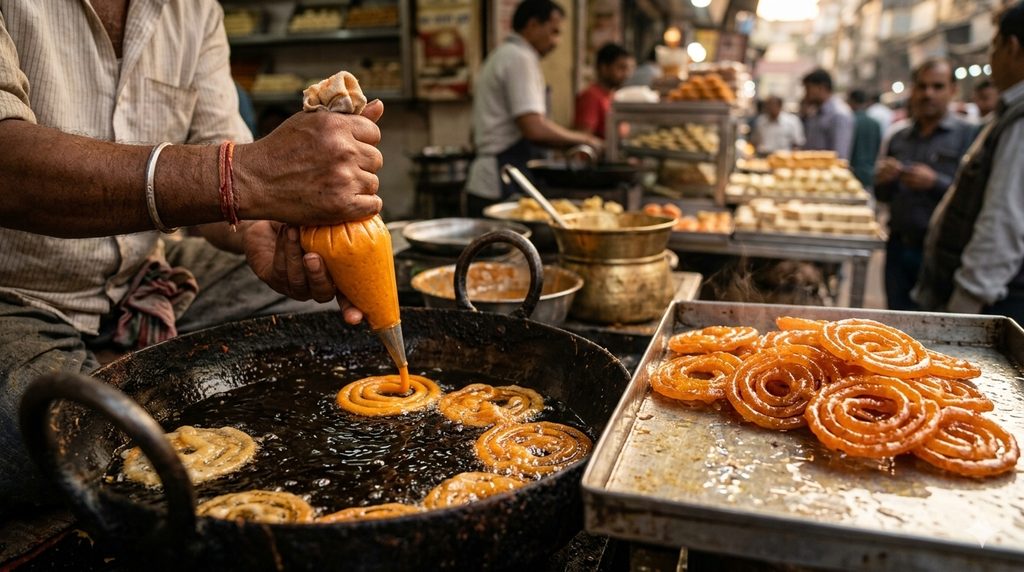
<p><strong>What it is:</strong> Bright orange swirls of batter fried in hot oil and soaked in sugar syrup. If you have had funnel cake or churros dipped in syrup, you are already close.</p>
<!-- /wp:paragraph -->
<!-- wp:paragraph -->
<p><strong>What it tastes like:</strong> Crunchy outside, juicy inside and intensely sweet, with a slight tang from fermentation. Fresh, hot jalebi is a completely different experience from the cold ones sold in packets.</p>
<!-- /wp:paragraph -->
<!-- wp:paragraph -->
<p><strong>How to eat it:</strong> Watch it being made, get it hot and eat it while the syrup is still warm. It is sticky, so grab a napkin. Locals often pair it with a glass of milk or a bowl of rabri, a thick, sweet, reduced-milk dessert.</p>
<!-- /wp:paragraph -->
<!-- wp:paragraph -->
<p><strong>Tip for first-timers:</strong> One or two pieces are enough because it is very sweet. Buy from a stall that is busy and frying constantly, so you know it is fresh.</p>
<!-- /wp:paragraph -->
<!-- wp:heading {"level":4} -->
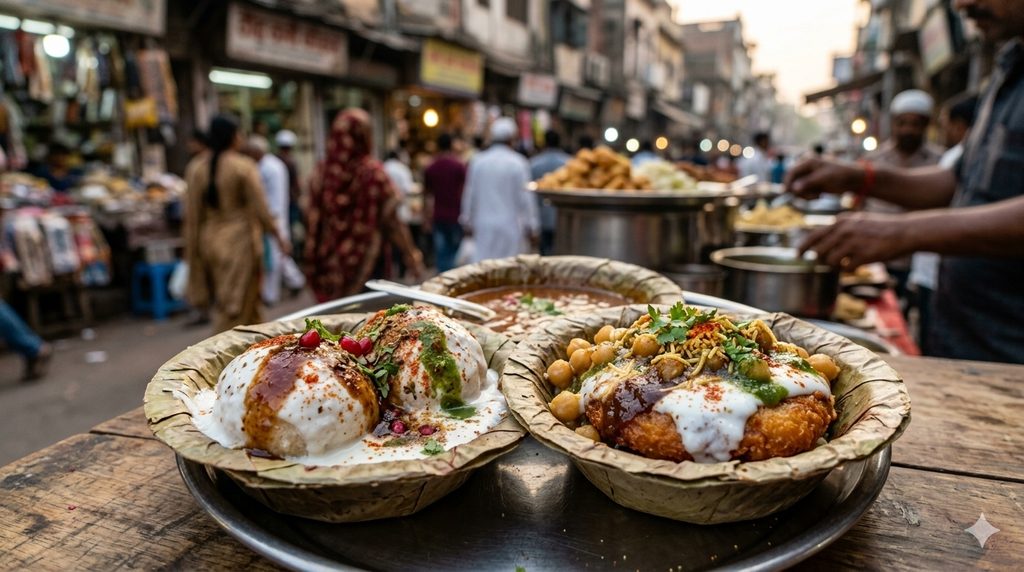
<h4 class="wp-block-heading">4. Dahi Bhalla and Aloo Tikki Chaat 🌶🌶</h4>
<!-- /wp:heading -->
<!-- wp:image {"id":2161,"sizeSlug":"large","linkDestination":"none"} -->
<figure class="wp-block-image size-large"><img src="https://www.mytajtour.com/wp-content/uploads/2026/09/image_e07888e0-1024x572.jpg" alt="" class="wp-image-2161"/></figure>
<!-- /wp:image -->
<!-- wp:paragraph -->
<p><strong>What it is:</strong> "Chaat" means a savoury snack with layers of texture and flavour, usually crunchy, creamy, sweet, sour and spicy at the same time.</p>
<!-- /wp:paragraph -->
<!-- wp:list -->
<ul class="wp-block-list"><!-- wp:list-item -->
<li><strong>Dahi bhalla:</strong> Soft, fluffy lentil dumplings soaked in cool, creamy yoghurt and topped with sweet tamarind chutney, green mint chutney and spice powder.</li>
<!-- /wp:list-item -->
<!-- wp:list-item -->
<li><strong>Aloo tikki:</strong> A crisp, golden potato patty, a bit like a spiced hash brown or croquette, topped with yoghurt, chutneys and sometimes chickpeas.</li>
<!-- /wp:list-item --></ul>
<!-- /wp:list -->
<!-- wp:paragraph -->
<p><strong>What it tastes like:</strong> A mix of cool and hot, creamy and crunchy, sweet and tangy. Your first bite may surprise you because there is so much happening, but by the third bite most people are hooked.</p>
<!-- /wp:paragraph -->
<!-- wp:paragraph -->
<p><strong>How to eat it:</strong> Eat it with a small spoon, or from a leaf bowl, right at the stall. Chaat is best eaten immediately, before it gets soggy.</p>
<!-- /wp:paragraph -->
<!-- wp:paragraph -->
<p><strong>Tip for first-timers:</strong> Dahi bhalla is cooling and gentle on the palate, so it is a good introduction. If you are sensitive to dairy, ask what is in it first.</p>
<!-- /wp:paragraph -->
<!-- wp:heading {"level":4} -->
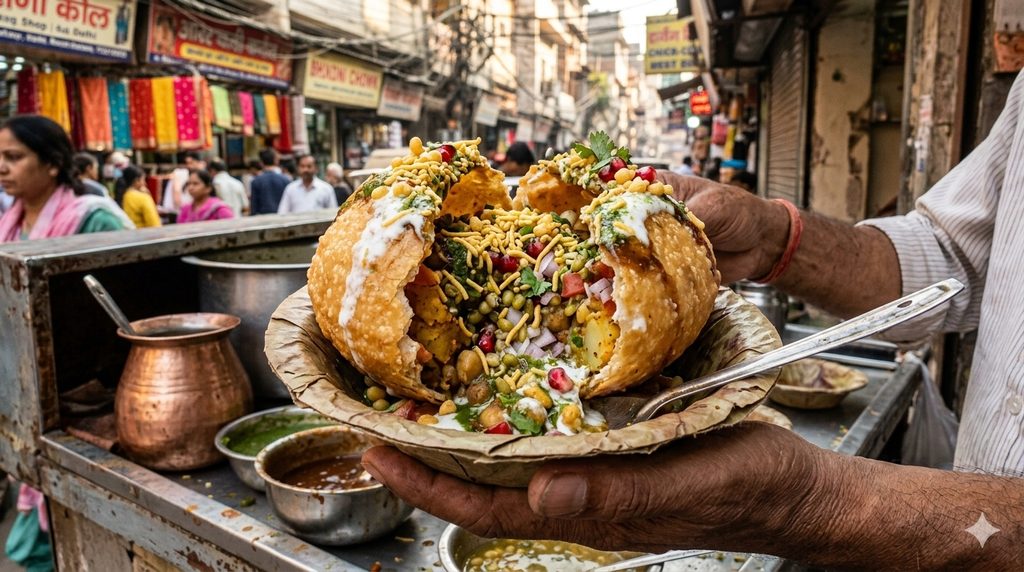
<h4 class="wp-block-heading">5. Raj Kachori 🌶🌶</h4>
<!-- /wp:heading -->
<!-- wp:image {"id":2163,"sizeSlug":"large","linkDestination":"none"} -->
<figure class="wp-block-image size-large"><img src="https://www.mytajtour.com/wp-content/uploads/2026/09/image_d9aa1399-1024x572.jpg" alt="" class="wp-image-2163"/></figure>
<!-- /wp:image -->
<!-- wp:paragraph -->
<p><strong>What it is:</strong> The "king of kachoris." A large, hollow, crisp shell about the size of a small fist, filled with potato, chickpeas, sprouts, yoghurt, chutneys and crunchy toppings.</p>
<!-- /wp:paragraph -->
<!-- wp:paragraph -->
<p><strong>What it tastes like:</strong> A crunchy edible bowl full of cool yoghurt, tangy sauces and warm spiced potato. It is crunchy, creamy, sweet, sour and savoury in every bite.</p>
<!-- /wp:paragraph -->
<!-- wp:paragraph -->
<p><strong>How to eat it:</strong> The vendor cracks the top open and fills it. Eat it with a spoon or your hands. It is messy, so accept that and enjoy it.</p>
<!-- /wp:paragraph -->
<!-- wp:paragraph -->
<p><strong>Tip for first-timers:</strong> It is big and filling, so share one between two people. If you like loaded nachos or a big salad-style snack, you will love this.</p>
<!-- /wp:paragraph -->
<!-- wp:heading {"level":4} -->
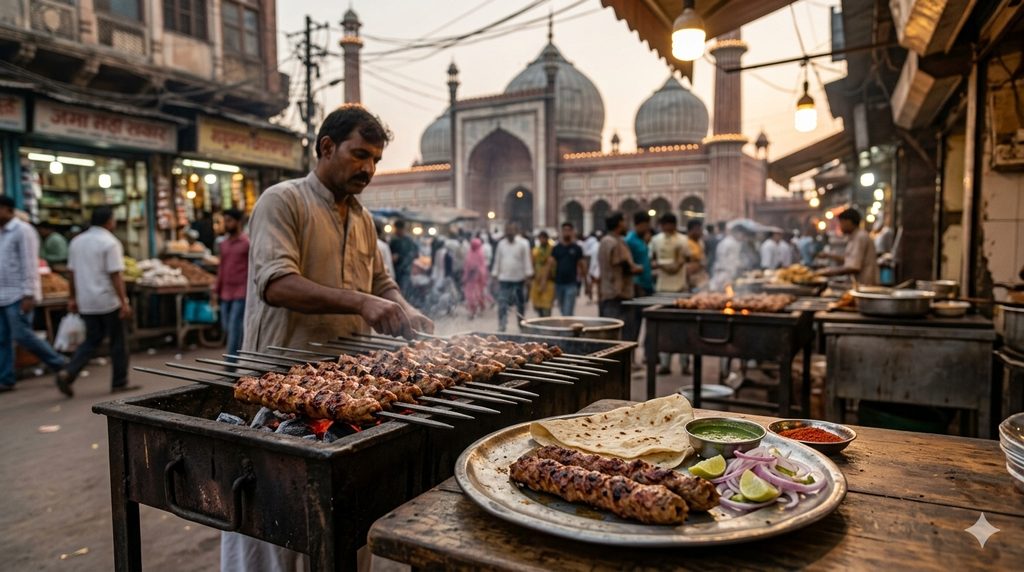
<h4 class="wp-block-heading">6. Kebabs and Mughlai Dishes Near Jama Masjid 🌶🌶🌶</h4>
<!-- /wp:heading -->
<!-- wp:image {"id":2164,"sizeSlug":"large","linkDestination":"none"} -->
<figure class="wp-block-image size-large"><img src="https://www.mytajtour.com/wp-content/uploads/2026/09/image_ba893852-1024x572.jpg" alt="" class="wp-image-2164"/></figure>
<!-- /wp:image -->
<!-- wp:paragraph -->
<p><strong>What it is:</strong> The lanes near Jama Masjid are famous for kebabs, meat curries and breads that come from the Mughal royal kitchens. These are not the kebabs you find at a takeaway shop in Europe or America. They are smoky, spiced and cooked over coals or on a hot griddle.</p>
<!-- /wp:paragraph -->
<!-- wp:paragraph -->
<p><strong>What it tastes like:</strong> Tender, juicy meat with smoky, garlicky and warm spice flavours. The breads served alongside, such as naan or rumali roti (a very thin bread often described as a handkerchief), are soft and perfect for wrapping meat.</p>
<!-- /wp:paragraph -->
<!-- wp:paragraph -->
<p><strong>How to eat it:</strong> Tear the bread, wrap a piece of meat and eat it with the sauces or onions on the side.</p>
<!-- /wp:paragraph -->
<!-- wp:paragraph -->
<p><strong>Tip for first-timers:</strong> This is the area for meat lovers. If you have a sensitive stomach, choose a busy, popular place with high turnover and start with a small portion. Vegetarians can skip this stop.</p>
<!-- /wp:paragraph -->
<!-- wp:heading {"level":4} -->
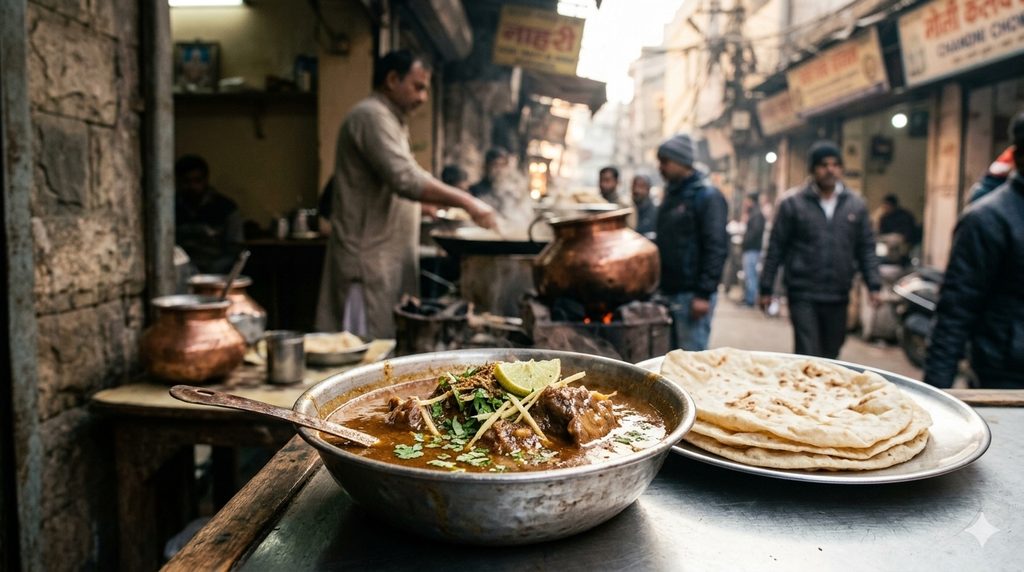
<h4 class="wp-block-heading">7. Nihari 🌶🌶🌶</h4>
<!-- /wp:heading -->
<!-- wp:image {"id":2165,"sizeSlug":"large","linkDestination":"none"} -->
<figure class="wp-block-image size-large"><img src="https://www.mytajtour.com/wp-content/uploads/2026/09/image_f983c943-1024x572.jpg" alt="" class="wp-image-2165"/></figure>
<!-- /wp:image -->
<!-- wp:paragraph -->
<p><strong>What it is:</strong> A slow-cooked meat stew that traditionally simmers for many hours. It has a thick, rich, brown gravy and is often eaten for breakfast, especially in colder months.</p>
<!-- /wp:paragraph -->
<!-- wp:paragraph -->
<p><strong>What it tastes like:</strong> Deep, rich and warming, similar to a slow-braised stew, with tender meat that falls apart. The spices are warming rather than sharp, with ginger, pepper and aromatic spices that make it feel comforting.</p>
<!-- /wp:paragraph -->
<!-- wp:paragraph -->
<p><strong>How to eat it:</strong> Scoop it up with bread, and add a squeeze of lemon, some sliced ginger and fresh coriander on top if offered.</p>
<!-- /wp:paragraph -->
<!-- wp:paragraph -->
<p><strong>Tip for first-timers:</strong> This is a heavy dish, best for adventurous eaters who love hearty stews. Eat it in the morning or as a main meal, not as a light snack.</p>
<!-- /wp:paragraph -->
<!-- wp:heading {"level":4} -->
<h4 class="wp-block-heading">8. Daulat Ki Chaat (Winter Only) 🌶 (sweet)</h4>
<!-- /wp:heading -->
<!-- wp:image {"id":2172,"sizeSlug":"large","linkDestination":"none"} -->
<figure class="wp-block-image size-large"><img src="https://www.mytajtour.com/wp-content/uploads/2026/09/23-1024x597.jpg" alt="" class="wp-image-2172"/></figure>
<!-- /wp:image -->
<!-- wp:paragraph -->
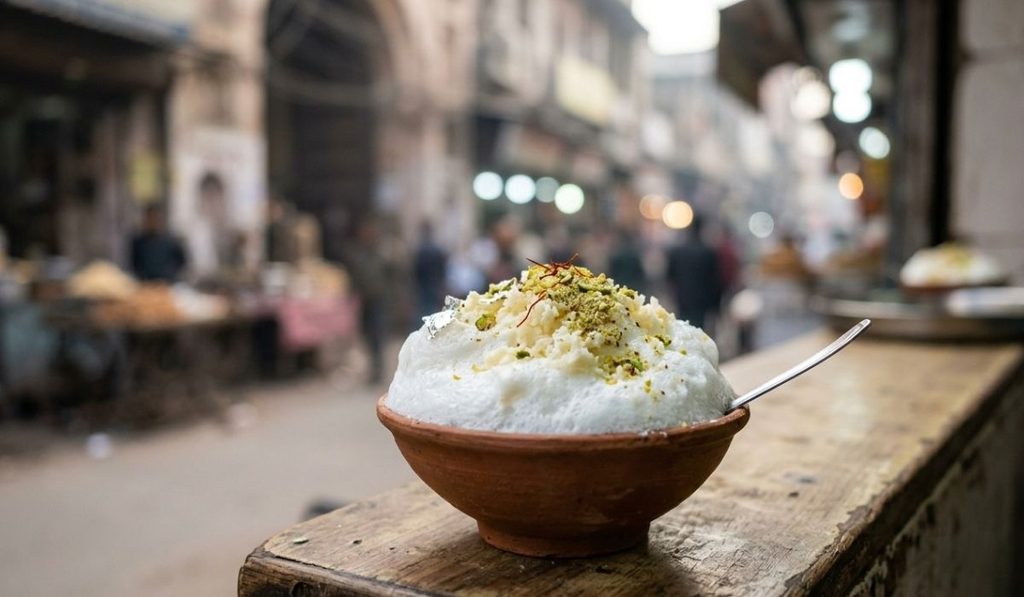
<p><strong>What it is:</strong> A delicate dessert that looks like a cloud. It is made from milk that is whipped into a light foam overnight in the cold air, then topped with khoya (a milk solid), pistachios and sometimes saffron.</p>
<!-- /wp:paragraph -->
<!-- wp:paragraph -->
<p><strong>What it tastes like:</strong> Sweet, airy milk clouds that melt on your tongue, a little like a cross between a milk foam, a soft meringue and a light custard. It is not heavy at all.</p>
<!-- /wp:paragraph -->
<!-- wp:paragraph -->
<p><strong>How to eat it:</strong> Eat it straight away with a spoon, because it does not last.</p>
<!-- /wp:paragraph -->
<!-- wp:paragraph -->
<p><strong>Tip for first-timers:</strong> It is a seasonal winter treat, generally available between about November and February. If you are lucky enough to be in Delhi in winter, do not miss it.</p>
<!-- /wp:paragraph -->
<!-- wp:heading {"level":4} -->
<h4 class="wp-block-heading">9. Kulfi and Falooda 🌶 (sweet)</h4>
<!-- /wp:heading -->
<!-- wp:image {"id":2166,"sizeSlug":"large","linkDestination":"none"} -->
<figure class="wp-block-image size-large"><img src="https://www.mytajtour.com/wp-content/uploads/2026/09/image_c7a10a58-1024x572.jpg" alt="" class="wp-image-2166"/></figure>
<!-- /wp:image -->
<!-- wp:paragraph -->
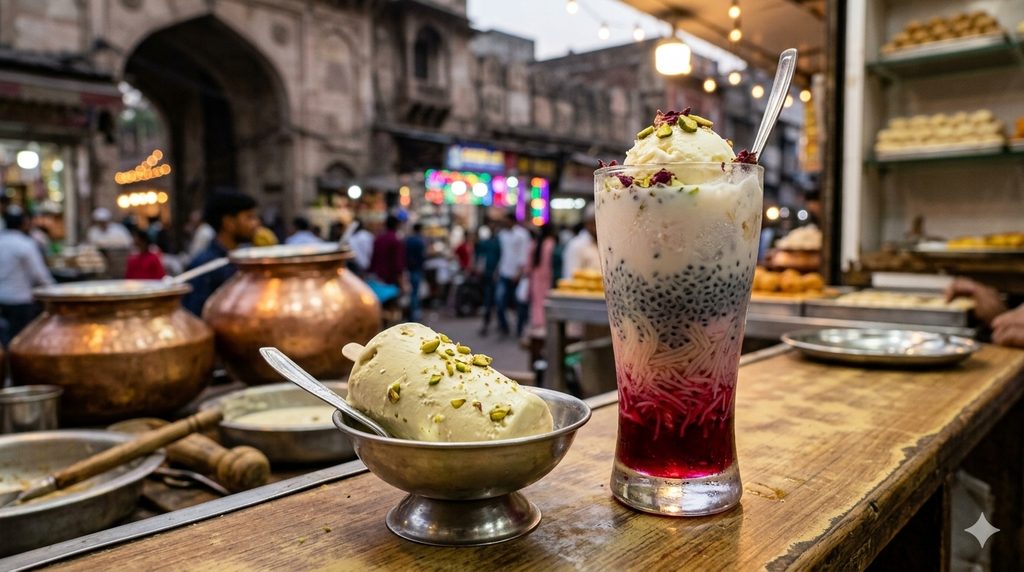
<p><strong>What it is:</strong> Kulfi is traditional Indian ice cream that is denser, creamier and slower to melt than Western ice cream, often flavoured with pistachio, saffron or mango. Falooda is a dessert drink or bowl made with rose syrup, vermicelli noodles, basil seeds and ice cream.</p>
<!-- /wp:paragraph -->
<!-- wp:paragraph -->
<p><strong>What it tastes like:</strong> Kulfi is rich and milky with a slightly caramelised flavour, like frozen condensed milk. Falooda adds a floral rose flavour and interesting textures from the noodles and seeds, which sounds strange but tastes wonderful.</p>
<!-- /wp:paragraph -->
<!-- wp:paragraph -->
<p><strong>How to eat it:</strong> Eat kulfi from a stick or plate before it melts. Spoon or sip the falooda and enjoy the mix of textures.</p>
<!-- /wp:paragraph -->
<!-- wp:paragraph -->
<p><strong>Tip for first-timers:</strong> Choose a busy shop where the kulfi is freshly cut and served. It is a perfect cool-down after hot, spicy food.</p>
<!-- /wp:paragraph -->
<!-- wp:heading {"level":4} -->
<h4 class="wp-block-heading">10. Old Delhi Sweets (Mithai) 🌶 (sweet)</h4>
<!-- /wp:heading -->
<!-- wp:image {"id":2167,"sizeSlug":"large","linkDestination":"none"} -->
<figure class="wp-block-image size-large"><img src="https://www.mytajtour.com/wp-content/uploads/2026/09/image_ddcf7cc5-1024x572.jpg" alt="" class="wp-image-2167"/></figure>
<!-- /wp:image -->
<!-- wp:paragraph -->
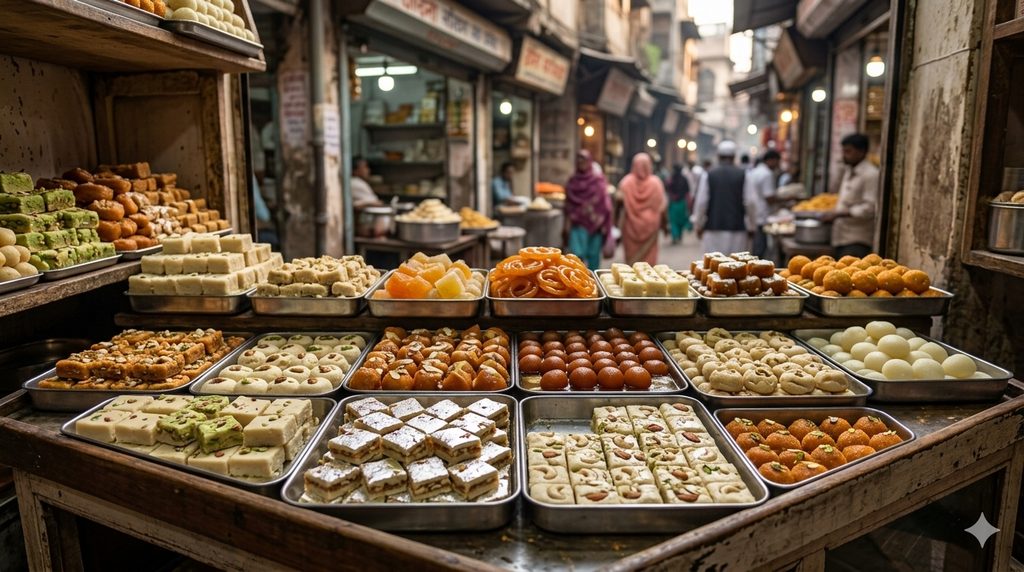
<p><strong>What it is:</strong> Indian sweets, called mithai, are colourful and varied. They are usually made with milk, sugar, nuts, lentils and ghee (clarified butter), and sold by the piece or in boxes. Some of the old shops in Chandni Chowk have been in the same family for generations.</p>
<!-- /wp:paragraph -->
<!-- wp:paragraph -->
<p><strong>What it tastes like:</strong> Very sweet, dense and rich. Some are soft and milky like fudge, some are syrupy like a warm doughnut hole, and some are nutty and crumbly like shortbread.</p>
<!-- /wp:paragraph -->
<!-- wp:paragraph -->
<p><strong>How to eat it:</strong> Try a small piece of a few different kinds. Ask the shopkeeper what is popular or freshly made that day.</p>
<!-- /wp:paragraph -->
<!-- wp:paragraph -->
<p><strong>Tip for first-timers:</strong> One small piece is usually enough. A neatly packed box also makes an excellent gift to take home.</p>
<!-- /wp:paragraph -->
<!-- wp:heading {"level":4} -->
<h4 class="wp-block-heading">11. Golgappa (Pani Puri) 🌶🌶🌶</h4>
<!-- /wp:heading -->
<!-- wp:image {"id":2168,"sizeSlug":"large","linkDestination":"none"} -->
<figure class="wp-block-image size-large"><img src="https://www.mytajtour.com/wp-content/uploads/2026/09/image_9f171944-1024x572.jpg" alt="" class="wp-image-2168"/></figure>
<!-- /wp:image -->
<!-- wp:paragraph -->
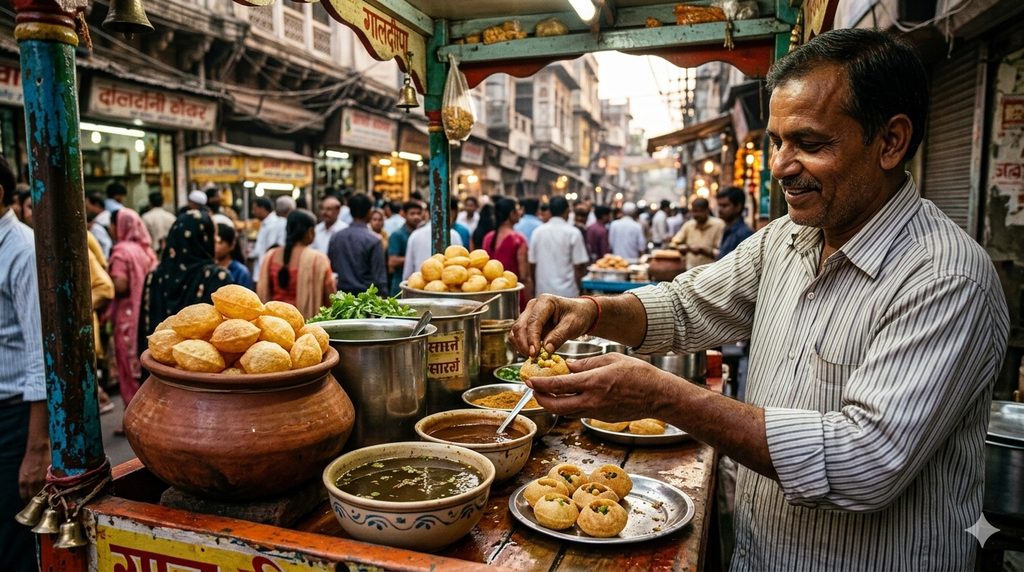
<p><strong>What it is:</strong> A small, crisp, hollow ball filled with spiced potato and chickpeas and topped with cold, tangy, mint-flavoured water. You eat the whole thing in one go.</p>
<!-- /wp:paragraph -->
<!-- wp:paragraph -->
<p><strong>What it tastes like:</strong> An explosion of cold, sour, spicy and salty flavours with a satisfying crunch. First-timers are often surprised, and many say it is one of the most fun food experiences in India.</p>
<!-- /wp:paragraph -->
<!-- wp:paragraph -->
<p><strong>How to eat it:</strong> The vendor hands you one at a time, and you eat it whole in a single bite. Do not try to bite it in half, or the water will run down your chin. Most stalls serve six to eight at once, and you can say "bas" (enough) when you have had enough.</p>
<!-- /wp:paragraph -->
<!-- wp:paragraph -->
<p><strong>Tip for first-timers:</strong> This is one of the spicier street foods, so ask for a milder version if you prefer. Eat it only at a very busy stall, and be cautious if you have a sensitive stomach, since it is served with water.</p>
<!-- /wp:paragraph -->
<!-- wp:heading {"level":4} -->
<h4 class="wp-block-heading">12. Masala Chai in a Kulhad 🌶 (mild spice)</h4>
<!-- /wp:heading -->
<!-- wp:image {"id":2169,"sizeSlug":"large","linkDestination":"none"} -->
<figure class="wp-block-image size-large"><img src="https://www.mytajtour.com/wp-content/uploads/2026/09/image_fdcfe6c5-1024x572.jpg" alt="" class="wp-image-2169"/></figure>
<!-- /wp:image -->
<!-- wp:paragraph -->
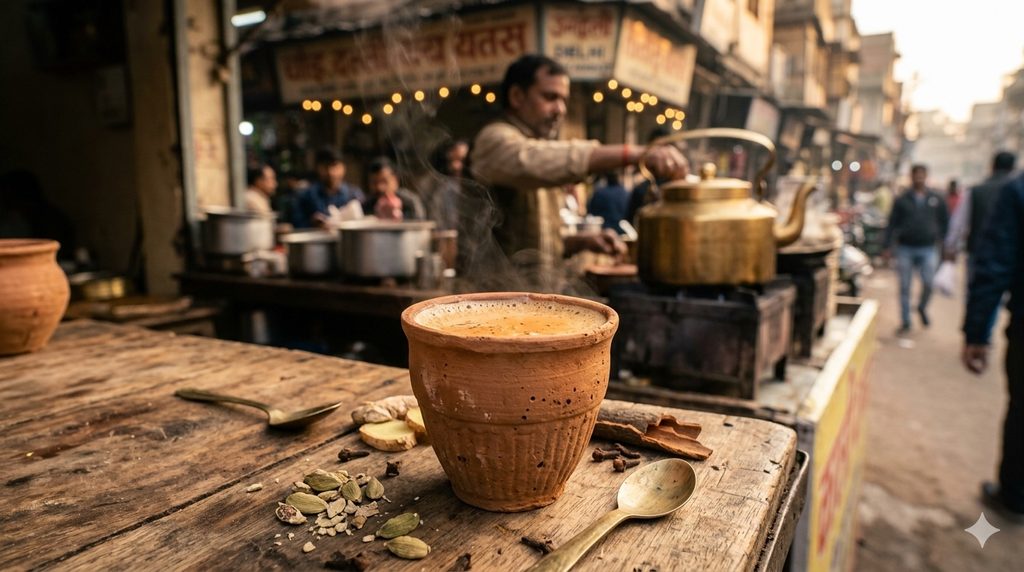
<p><strong>What it is:</strong> Indian tea boiled with milk, sugar and warming spices such as ginger and cardamom, served in a small, unglazed clay cup called a kulhad.</p>
<!-- /wp:paragraph -->
<!-- wp:paragraph -->
<p><strong>What it tastes like:</strong> Sweet, milky, creamy and gently spiced, very different from a teabag cup of tea. The clay cup adds a subtle earthy flavour, and the experience feels special.</p>
<!-- /wp:paragraph -->
<!-- wp:paragraph -->
<p><strong>How to eat it:</strong> Sip it slowly while it is hot. When you finish, leave the cup in the container provided, since it is made from clay and is biodegradable.</p>
<!-- /wp:paragraph -->
<!-- wp:paragraph -->
<p><strong>Tip for first-timers:</strong> It is very sweet by default, so ask for "kam cheeni" (less sugar) if you prefer. It is the ideal way to end your food walk.</p>
<!-- /wp:paragraph -->
<!-- wp:heading {"level":3} -->
<h3 class="wp-block-heading">Quick Cheat Sheet for Foreign Visitors</h3>
<!-- /wp:heading -->
<!-- wp:paragraph -->
<p><strong>If you are nervous about spice, start with:</strong> parathas, dahi bhalla, jalebi, kulfi and masala chai.</p>
<!-- /wp:paragraph -->
<!-- wp:paragraph -->
<p><strong>If you love spice, try:</strong> bedmi puri curry, golgappa, kebabs and nihari.</p>
<!-- /wp:paragraph -->
<!-- wp:paragraph -->
<p><strong>If you are vegetarian:</strong> almost everything except the kebabs and nihari is vegetarian, and Chandni Chowk is excellent for vegetarians.</p>
<!-- /wp:paragraph -->
<!-- wp:paragraph -->
<p><strong>If you like sweet things:</strong> jalebi, daulat ki chaat (winter), kulfi, falooda and mithai.</p>
<!-- /wp:paragraph -->
<!-- wp:paragraph -->
<p><strong>Useful words to know:</strong></p>
<!-- /wp:paragraph -->
<!-- wp:list -->
<ul class="wp-block-list"><!-- wp:list-item -->
<li><em>Kam teekha</em> = less spicy</li>
<!-- /wp:list-item -->
<!-- wp:list-item -->
<li><em>Kam cheeni</em> = less sugar</li>
<!-- /wp:list-item -->
<!-- wp:list-item -->
<li><em>Bas</em> = enough</li>
<!-- /wp:list-item -->
<!-- wp:list-item -->
<li><em>Shakahari</em> = vegetarian</li>
<!-- /wp:list-item -->
<!-- wp:list-item -->
<li><em>Thoda aur</em> = a little more</li>
<!-- /wp:list-item --></ul>
<!-- /wp:list -->
<!-- wp:heading {"level":3} -->
<h3 class="wp-block-heading">A Simple Walking Route for First-Timers</h3>
<!-- /wp:heading -->
<!-- wp:paragraph -->
<p>You can do a good food walk in about three to four hours. Here is an easy order:</p>
<!-- /wp:paragraph -->
<!-- wp:list {"ordered":true} -->
<ol class="wp-block-list"><!-- wp:list-item -->
<li><strong>Start at Chandni Chowk Metro Station</strong> (Yellow Line). It is the easiest way to reach the area and avoids traffic.</li>
<!-- /wp:list-item -->
<!-- wp:list-item -->
<li><strong>Begin with breakfast:</strong> bedmi puri or parathas.</li>
<!-- /wp:list-item -->
<!-- wp:list-item -->
<li><strong>Walk towards the Red Fort side</strong> and try chaat, such as dahi bhalla or aloo tikki.</li>
<!-- /wp:list-item -->
<!-- wp:list-item -->
<li><strong>Move through the market lanes</strong> for jalebi and sweets.</li>
<!-- /wp:list-item -->
<!-- wp:list-item -->
<li><strong>Continue towards Jama Masjid</strong> for kebabs or a Mughlai lunch if you eat meat.</li>
<!-- /wp:list-item -->
<!-- wp:list-item -->
<li><strong>Finish with kulfi, falooda or chai</strong> before heading back.</li>
<!-- /wp:list-item --></ol>
<!-- /wp:list -->
<!-- wp:paragraph -->
<p>Shops change their timings, and some close on certain days, so check current opening times before you go.</p>
<!-- /wp:paragraph -->
<!-- wp:heading {"level":3} -->
<h3 class="wp-block-heading">Best Time to Go</h3>
<!-- /wp:heading -->
<!-- wp:list -->
<ul class="wp-block-list"><!-- wp:list-item -->
<li><strong>Season:</strong> October to March is the most comfortable, with cooler weather that makes walking easier. You will also find winter specialities like daulat ki chaat.</li>
<!-- /wp:list-item -->
<!-- wp:list-item -->
<li><strong>Time of day:</strong> Morning is good for breakfast dishes and thinner crowds. Late afternoon and evening are livelier and more stalls are open, but the market gets very crowded.</li>
<!-- /wp:list-item -->
<!-- wp:list-item -->
<li><strong>Avoid:</strong> Peak summer afternoons, when the heat is intense, and heavy monsoon days, when lanes can be wet and slippery.</li>
<!-- /wp:list-item --></ul>
<!-- /wp:list -->
<!-- wp:heading {"level":3} -->
<h3 class="wp-block-heading">Street Food Safety Tips for Travellers</h3>
<!-- /wp:heading -->
<!-- wp:paragraph -->
<p>Eating street food in India is very doable if you use a little common sense:</p>
<!-- /wp:paragraph -->
<!-- wp:list -->
<ul class="wp-block-list"><!-- wp:list-item -->
<li><strong>Choose busy stalls.</strong> High turnover means fresher food.</li>
<!-- /wp:list-item -->
<!-- wp:list-item -->
<li><strong>Eat food served hot,</strong> straight from the fryer or pan.</li>
<!-- /wp:list-item -->
<!-- wp:list-item -->
<li><strong>Drink bottled water</strong> and check that the seal is intact. Avoid tap water and ice of unknown origin.</li>
<!-- /wp:list-item -->
<!-- wp:list-item -->
<li><strong>Be careful with raw items</strong> and cut fruit if you have a sensitive stomach.</li>
<!-- /wp:list-item -->
<!-- wp:list-item -->
<li><strong>Start mild.</strong> Your stomach needs time to adjust to spices.</li>
<!-- /wp:list-item -->
<!-- wp:list-item -->
<li><strong>Carry hand sanitiser and tissues,</strong> and avoid touching your face while eating.</li>
<!-- /wp:list-item -->
<!-- wp:list-item -->
<li><strong>Pack basic medicines</strong> for an upset stomach, and consult your doctor before travelling.</li>
<!-- /wp:list-item -->
<!-- wp:list-item -->
<li><strong>Watch your belongings.</strong> Chandni Chowk is crowded, so keep bags zipped and in front of you.</li>
<!-- /wp:list-item --></ul>
<!-- /wp:list -->
<!-- wp:heading {"level":3} -->
<h3 class="wp-block-heading">How to Get Around</h3>
<!-- /wp:heading -->
<!-- wp:paragraph -->
<p>The lanes are too narrow for cars. The best options are walking, a cycle rickshaw for short hops and the Delhi Metro to reach the area. If you would rather not navigate the crowds alone, a local guide makes the experience easier and helps you find the best stalls.</p>
<!-- /wp:paragraph -->
<!-- wp:heading {"level":3} -->
<h3 class="wp-block-heading">Combine the Food Walk with Sightseeing</h3>
<!-- /wp:heading -->
<!-- wp:paragraph -->
<p>Chandni Chowk sits right beside some of Delhi's biggest landmarks:</p>
<!-- /wp:paragraph -->
<!-- wp:list -->
<ul class="wp-block-list"><!-- wp:list-item -->
<li><strong>Red Fort,</strong> the Mughal-era fort that dominates the area</li>
<!-- /wp:list-item -->
<!-- wp:list-item -->
<li><strong>Jama Masjid,</strong> one of India's largest mosques</li>
<!-- /wp:list-item -->
<!-- wp:list-item -->
<li><strong>Fatehpuri Masjid</strong> at the end of the main street</li>
<!-- /wp:list-item -->
<!-- wp:list-item -->
<li><strong>Spice and bazaar lanes</strong> like Khari Baoli, often described as Asia's largest wholesale spice market</li>
<!-- /wp:list-item --></ul>
<!-- /wp:list -->
<!-- wp:paragraph -->
<p>You can see the Red Fort in the morning, walk and eat through the lanes in the afternoon, and be back at your hotel by evening. That makes the old city a great part of any <a href="https://www.mytajtour.com/delhi-tour-packages/">Delhi sightseeing tour</a>, where a local guide can help you pair Old Delhi with the other sights of the capital in a single trip.</p>
<!-- /wp:paragraph -->
<!-- wp:heading {"level":3} -->
<h3 class="wp-block-heading">Add It to Your India Trip</h3>
<!-- /wp:heading -->
<!-- wp:paragraph -->
<p>Most international visitors land in Delhi, so it makes a natural first stop. Spend a day in the old city, then continue to Agra and Jaipur. If you are short on time, the <a href="https://www.mytajtour.com/tours/golden-triangle-3-days-2-night-tour/">Golden Triangle 3 Days 2 Nights tour</a> starts and ends in Delhi and covers Agra and Jaipur in between. Add an Old Delhi food walk on the day you arrive or the day you leave, and you get a full introduction to India's food, history and culture.</p>
<!-- /wp:paragraph -->
<!-- wp:paragraph -->
<p>Only want to see the Taj Mahal from the capital? A <a href="https://www.mytajtour.com/tours/taj-mahal-tour-by-car/">Taj Mahal tour by car from Delhi</a> picks you up in Delhi and brings you back the same day, which pairs well with a food-focused morning in Chandni Chowk on another day of your trip.</p>
<!-- /wp:paragraph -->
<!-- wp:paragraph -->
<p>Get in touch with our team to plan your Delhi days, and let us help you build an itinerary that fits your dates and interests.</p>
<!-- /wp:paragraph -->
<!-- wp:heading {"level":3} -->
<h3 class="wp-block-heading">Frequently Asked Questions</h3>
<!-- /wp:heading -->
<!-- wp:paragraph -->
<p><strong>Is Chandni Chowk street food safe for tourists?</strong><br>Most travellers eat there without problems if they choose busy stalls, eat hot food and drink bottled water. If you have a sensitive stomach, start with mild dishes.</p>
<!-- /wp:paragraph -->
<!-- wp:paragraph -->
<p><strong>How long does an Old Delhi food walk take?</strong><br>Around three to four hours is comfortable, including sightseeing stops.</p>
<!-- /wp:paragraph -->
<!-- wp:paragraph -->
<p><strong>Is there vegetarian food in Chandni Chowk?</strong><br>Yes, plenty. Parathas, chaat, jalebi, kachori and sweets are all vegetarian.</p>
<!-- /wp:paragraph -->
<!-- wp:paragraph -->
<p><strong>How much money should I carry?</strong><br>Street food is inexpensive by international standards, but carry small notes and some cash or UPI, as many stalls do not accept cards.</p>
<!-- /wp:paragraph -->
<!-- wp:paragraph -->
<p><strong>Can I visit Chandni Chowk on a Sunday?</strong><br>Some shops in the area close on certain days, and the market can be quieter. Check before you go.</p>
<!-- /wp:paragraph -->
<!-- wp:paragraph -->
<p><strong>What is the best month for an Old Delhi food walk?</strong><br>October to March, when the weather is cooler and winter specialities like daulat ki chaat are available.</p>
<!-- /wp:paragraph -->
Old Delhi Street Food Walk: What to Eat in Chandni Chowk
Ask a Delhiite where to eat the city’s most iconic food and you will almost always hear the same answer: Chandni Chowk. This crowded, noisy, wonderfully chaotic market in Old Delhi has fed travellers, traders and royal households for nearly four centuries. It was built in the 17th century under Emperor Shah Jahan, the same ruler who built the Taj Mahal, and it grew up around the Red Fort. The lanes that once served the Mughal court are now packed with sweet shops, kebab stalls and chaat carts.
If you are planning a trip to India, an Old Delhi street food walk is one of the most memorable things you can add to your itinerary. This guide covers what to eat, how to plan your route, how to enjoy it safely and how to fit it into a longer trip through Delhi, Agra and Jaipur.
Why Chandni Chowk Is Delhi’s Food Capital
Many of the dishes here trace back to the Mughal kitchens, the traders who settled in the old walled city and the migrant communities who arrived over the centuries. The result is a mix of rich meat dishes, crispy fried snacks, tangy chaats and syrupy sweets, often served from shops that have stayed in the same family for generations.
Many stalls make just one dish and make it all day. That is why the food tastes so focused, and why locals will happily queue for it.
12 Must-Try Foods in Chandni Chowk: A Foreigner’s Guide
Indian street food can feel overwhelming if you have never tried it. The menus are unfamiliar, the stalls are crowded and everything smells amazing. This guide explains each dish in simple terms, so you know what to expect before your first bite.
What it is: A thick, golden flatbread stuffed like a savoury pancake, then fried on a flat griddle until crisp outside and soft inside.
What it tastes like: Warm, buttery and comforting. A potato paratha tastes a bit like a crispy, spiced hash brown wrapped in bread. Paneer (fresh Indian cheese) parathas are mild, creamy and slightly salty. Cauliflower and radish parathas have a gentle, earthy taste.
Served with: Small bowls of tangy pickle, mint or tamarind chutney, a vegetable curry and often a spoonful of yoghurt or butter on top.
How to eat it: Tear off a piece with your right hand, scoop up some curry or chutney and eat. Do not worry about being neat, because nobody else is.
Tip for first-timers: Parathas here are rich and filling. Order one to share and save room for the other stops. This is a good mild choice for day one.
2. Bedmi Puri with Aloo Sabzi 🌶🌶
What it is: A puffed, deep-fried bread made with wheat flour and a filling of ground lentils and spices, served with a thin, tangy, orange-red potato curry.
What it tastes like: The puri is crisp and airy outside with a soft, slightly nutty, savoury middle. The curry is where the flavour lives: tangy from tomatoes and spices, warming from ginger and chilli. Think of it as the Delhi version of a curry-and-bread breakfast, only far more exciting.
How to eat it: Break the puri into pieces, dip it in the potato curry and eat. It is normal to ask for extra curry.
Tip for first-timers: The curry can be hotter than it looks. Ask for “kam teekha” (less spicy) if you are unsure. Eat it in the morning when it is freshest.
3. Jalebi, Fresh from the Kadhai 🌶 (not spicy, very sweet)
What it is: Bright orange swirls of batter fried in hot oil and soaked in sugar syrup. If you have had funnel cake or churros dipped in syrup, you are already close.
What it tastes like: Crunchy outside, juicy inside and intensely sweet, with a slight tang from fermentation. Fresh, hot jalebi is a completely different experience from the cold ones sold in packets.
How to eat it: Watch it being made, get it hot and eat it while the syrup is still warm. It is sticky, so grab a napkin. Locals often pair it with a glass of milk or a bowl of rabri, a thick, sweet, reduced-milk dessert.
Tip for first-timers: One or two pieces are enough because it is very sweet. Buy from a stall that is busy and frying constantly, so you know it is fresh.
4. Dahi Bhalla and Aloo Tikki Chaat 🌶🌶
What it is: “Chaat” means a savoury snack with layers of texture and flavour, usually crunchy, creamy, sweet, sour and spicy at the same time.
Dahi bhalla: Soft, fluffy lentil dumplings soaked in cool, creamy yoghurt and topped with sweet tamarind chutney, green mint chutney and spice powder.
Aloo tikki: A crisp, golden potato patty, a bit like a spiced hash brown or croquette, topped with yoghurt, chutneys and sometimes chickpeas.
What it tastes like: A mix of cool and hot, creamy and crunchy, sweet and tangy. Your first bite may surprise you because there is so much happening, but by the third bite most people are hooked.
How to eat it: Eat it with a small spoon, or from a leaf bowl, right at the stall. Chaat is best eaten immediately, before it gets soggy.
Tip for first-timers: Dahi bhalla is cooling and gentle on the palate, so it is a good introduction. If you are sensitive to dairy, ask what is in it first.
5. Raj Kachori 🌶🌶
What it is: The “king of kachoris.” A large, hollow, crisp shell about the size of a small fist, filled with potato, chickpeas, sprouts, yoghurt, chutneys and crunchy toppings.
What it tastes like: A crunchy edible bowl full of cool yoghurt, tangy sauces and warm spiced potato. It is crunchy, creamy, sweet, sour and savoury in every bite.
How to eat it: The vendor cracks the top open and fills it. Eat it with a spoon or your hands. It is messy, so accept that and enjoy it.
Tip for first-timers: It is big and filling, so share one between two people. If you like loaded nachos or a big salad-style snack, you will love this.
6. Kebabs and Mughlai Dishes Near Jama Masjid 🌶🌶🌶
What it is: The lanes near Jama Masjid are famous for kebabs, meat curries and breads that come from the Mughal royal kitchens. These are not the kebabs you find at a takeaway shop in Europe or America. They are smoky, spiced and cooked over coals or on a hot griddle.
What it tastes like: Tender, juicy meat with smoky, garlicky and warm spice flavours. The breads served alongside, such as naan or rumali roti (a very thin bread often described as a handkerchief), are soft and perfect for wrapping meat.
How to eat it: Tear the bread, wrap a piece of meat and eat it with the sauces or onions on the side.
Tip for first-timers: This is the area for meat lovers. If you have a sensitive stomach, choose a busy, popular place with high turnover and start with a small portion. Vegetarians can skip this stop.
7. Nihari 🌶🌶🌶
What it is: A slow-cooked meat stew that traditionally simmers for many hours. It has a thick, rich, brown gravy and is often eaten for breakfast, especially in colder months.
What it tastes like: Deep, rich and warming, similar to a slow-braised stew, with tender meat that falls apart. The spices are warming rather than sharp, with ginger, pepper and aromatic spices that make it feel comforting.
How to eat it: Scoop it up with bread, and add a squeeze of lemon, some sliced ginger and fresh coriander on top if offered.
Tip for first-timers: This is a heavy dish, best for adventurous eaters who love hearty stews. Eat it in the morning or as a main meal, not as a light snack.
8. Daulat Ki Chaat (Winter Only) 🌶 (sweet)
What it is: A delicate dessert that looks like a cloud. It is made from milk that is whipped into a light foam overnight in the cold air, then topped with khoya (a milk solid), pistachios and sometimes saffron.
What it tastes like: Sweet, airy milk clouds that melt on your tongue, a little like a cross between a milk foam, a soft meringue and a light custard. It is not heavy at all.
How to eat it: Eat it straight away with a spoon, because it does not last.
Tip for first-timers: It is a seasonal winter treat, generally available between about November and February. If you are lucky enough to be in Delhi in winter, do not miss it.
9. Kulfi and Falooda 🌶 (sweet)
What it is: Kulfi is traditional Indian ice cream that is denser, creamier and slower to melt than Western ice cream, often flavoured with pistachio, saffron or mango. Falooda is a dessert drink or bowl made with rose syrup, vermicelli noodles, basil seeds and ice cream.
What it tastes like: Kulfi is rich and milky with a slightly caramelised flavour, like frozen condensed milk. Falooda adds a floral rose flavour and interesting textures from the noodles and seeds, which sounds strange but tastes wonderful.
How to eat it: Eat kulfi from a stick or plate before it melts. Spoon or sip the falooda and enjoy the mix of textures.
Tip for first-timers: Choose a busy shop where the kulfi is freshly cut and served. It is a perfect cool-down after hot, spicy food.
10. Old Delhi Sweets (Mithai) 🌶 (sweet)
What it is: Indian sweets, called mithai, are colourful and varied. They are usually made with milk, sugar, nuts, lentils and ghee (clarified butter), and sold by the piece or in boxes. Some of the old shops in Chandni Chowk have been in the same family for generations.
What it tastes like: Very sweet, dense and rich. Some are soft and milky like fudge, some are syrupy like a warm doughnut hole, and some are nutty and crumbly like shortbread.
How to eat it: Try a small piece of a few different kinds. Ask the shopkeeper what is popular or freshly made that day.
Tip for first-timers: One small piece is usually enough. A neatly packed box also makes an excellent gift to take home.
11. Golgappa (Pani Puri) 🌶🌶🌶
What it is: A small, crisp, hollow ball filled with spiced potato and chickpeas and topped with cold, tangy, mint-flavoured water. You eat the whole thing in one go.
What it tastes like: An explosion of cold, sour, spicy and salty flavours with a satisfying crunch. First-timers are often surprised, and many say it is one of the most fun food experiences in India.
How to eat it: The vendor hands you one at a time, and you eat it whole in a single bite. Do not try to bite it in half, or the water will run down your chin. Most stalls serve six to eight at once, and you can say “bas” (enough) when you have had enough.
Tip for first-timers: This is one of the spicier street foods, so ask for a milder version if you prefer. Eat it only at a very busy stall, and be cautious if you have a sensitive stomach, since it is served with water.
12. Masala Chai in a Kulhad 🌶 (mild spice)
What it is: Indian tea boiled with milk, sugar and warming spices such as ginger and cardamom, served in a small, unglazed clay cup called a kulhad.
What it tastes like: Sweet, milky, creamy and gently spiced, very different from a teabag cup of tea. The clay cup adds a subtle earthy flavour, and the experience feels special.
How to eat it: Sip it slowly while it is hot. When you finish, leave the cup in the container provided, since it is made from clay and is biodegradable.
Tip for first-timers: It is very sweet by default, so ask for “kam cheeni” (less sugar) if you prefer. It is the ideal way to end your food walk.
Quick Cheat Sheet for Foreign Visitors
If you are nervous about spice, start with: parathas, dahi bhalla, jalebi, kulfi and masala chai.
If you love spice, try: bedmi puri curry, golgappa, kebabs and nihari.
If you are vegetarian: almost everything except the kebabs and nihari is vegetarian, and Chandni Chowk is excellent for vegetarians.
If you like sweet things: jalebi, daulat ki chaat (winter), kulfi, falooda and mithai.
Useful words to know:
Kam teekha = less spicy
Kam cheeni = less sugar
Bas = enough
Shakahari = vegetarian
Thoda aur = a little more
A Simple Walking Route for First-Timers
You can do a good food walk in about three to four hours. Here is an easy order:
Start at Chandni Chowk Metro Station (Yellow Line). It is the easiest way to reach the area and avoids traffic.
Begin with breakfast: bedmi puri or parathas.
Walk towards the Red Fort side and try chaat, such as dahi bhalla or aloo tikki.
Move through the market lanes for jalebi and sweets.
Continue towards Jama Masjid for kebabs or a Mughlai lunch if you eat meat.
Finish with kulfi, falooda or chai before heading back.
Shops change their timings, and some close on certain days, so check current opening times before you go.
Best Time to Go
Season: October to March is the most comfortable, with cooler weather that makes walking easier. You will also find winter specialities like daulat ki chaat.
Time of day: Morning is good for breakfast dishes and thinner crowds. Late afternoon and evening are livelier and more stalls are open, but the market gets very crowded.
Avoid: Peak summer afternoons, when the heat is intense, and heavy monsoon days, when lanes can be wet and slippery.
Street Food Safety Tips for Travellers
Eating street food in India is very doable if you use a little common sense:
Choose busy stalls. High turnover means fresher food.
Eat food served hot, straight from the fryer or pan.
Drink bottled water and check that the seal is intact. Avoid tap water and ice of unknown origin.
Be careful with raw items and cut fruit if you have a sensitive stomach.
Start mild. Your stomach needs time to adjust to spices.
Carry hand sanitiser and tissues, and avoid touching your face while eating.
Pack basic medicines for an upset stomach, and consult your doctor before travelling.
Watch your belongings. Chandni Chowk is crowded, so keep bags zipped and in front of you.
How to Get Around
The lanes are too narrow for cars. The best options are walking, a cycle rickshaw for short hops and the Delhi Metro to reach the area. If you would rather not navigate the crowds alone, a local guide makes the experience easier and helps you find the best stalls.
Combine the Food Walk with Sightseeing
Chandni Chowk sits right beside some of Delhi’s biggest landmarks:
Red Fort, the Mughal-era fort that dominates the area
Jama Masjid, one of India’s largest mosques
Fatehpuri Masjid at the end of the main street
Spice and bazaar lanes like Khari Baoli, often described as Asia’s largest wholesale spice market
You can see the Red Fort in the morning, walk and eat through the lanes in the afternoon, and be back at your hotel by evening. That makes the old city a great part of any Delhi sightseeing tour, where a local guide can help you pair Old Delhi with the other sights of the capital in a single trip.
Add It to Your India Trip
Most international visitors land in Delhi, so it makes a natural first stop. Spend a day in the old city, then continue to Agra and Jaipur. If you are short on time, the Golden Triangle 3 Days 2 Nights tour starts and ends in Delhi and covers Agra and Jaipur in between. Add an Old Delhi food walk on the day you arrive or the day you leave, and you get a full introduction to India’s food, history and culture.
Only want to see the Taj Mahal from the capital? A Taj Mahal tour by car from Delhi picks you up in Delhi and brings you back the same day, which pairs well with a food-focused morning in Chandni Chowk on another day of your trip.
Get in touch with our team to plan your Delhi days, and let us help you build an itinerary that fits your dates and interests.
Frequently Asked Questions
Is Chandni Chowk street food safe for tourists? Most travellers eat there without problems if they choose busy stalls, eat hot food and drink bottled water. If you have a sensitive stomach, start with mild dishes.
How long does an Old Delhi food walk take? Around three to four hours is comfortable, including sightseeing stops.
Is there vegetarian food in Chandni Chowk? Yes, plenty. Parathas, chaat, jalebi, kachori and sweets are all vegetarian.
How much money should I carry? Street food is inexpensive by international standards, but carry small notes and some cash or UPI, as many stalls do not accept cards.
Can I visit Chandni Chowk on a Sunday? Some shops in the area close on certain days, and the market can be quieter. Check before you go.
What is the best month for an Old Delhi food walk? October to March, when the weather is cooler and winter specialities like daulat ki chaat are available.
<!-- wp:paragraph -->
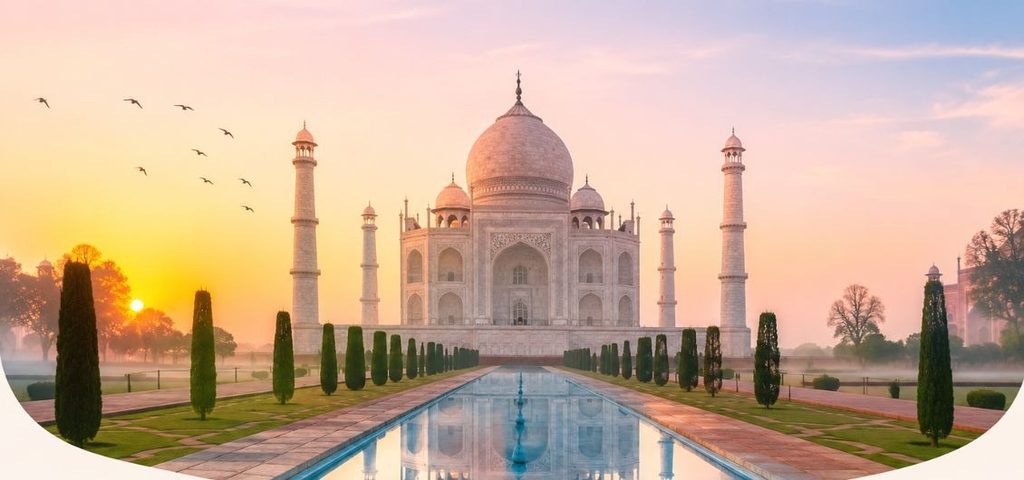
<p>You may have seen thousands of photographs of the Taj Mahal, but how much of the monument have you actually noticed?</p>
<!-- /wp:paragraph -->
<!-- wp:paragraph -->
<p>Behind its famous white marble façade are carefully planned perspectives, symbolic architecture, intricate stone inlay, hidden burial chambers, delicate jali screens, and historical details that are easy to miss during a quick visit. The Taj Mahal is a 17th-century Mughal mausoleum commissioned by Emperor Shah Jahan for his wife, Mumtaz Mahal. UNESCO records the main mausoleum's construction between 1631 and 1648, with the surrounding buildings and gardens completed a few years later.</p>
<!-- /wp:paragraph -->
<!-- wp:paragraph -->
<p>Some stories surrounding the Taj Mahal are well documented. Others are legends that have been repeated for generations without much evidence behind them. This piece separates the two, walking through 10 details worth looking for, whether you're planning a visit or simply curious about what the postcard shot leaves out. If you do want to see these details in person, working them into a proper <a href="https://www.mytajtour.com/taj-mahal-tour-packages/">Taj Mahal tour</a> gives you enough time to look past the central dome and into the specifics.</p>
<!-- /wp:paragraph -->
<!-- wp:heading {"level":3} -->
<h3 class="wp-block-heading"><strong>1. The Taj Mahal Is More Than One Building</strong></h3>
<!-- /wp:heading -->
<!-- wp:paragraph -->
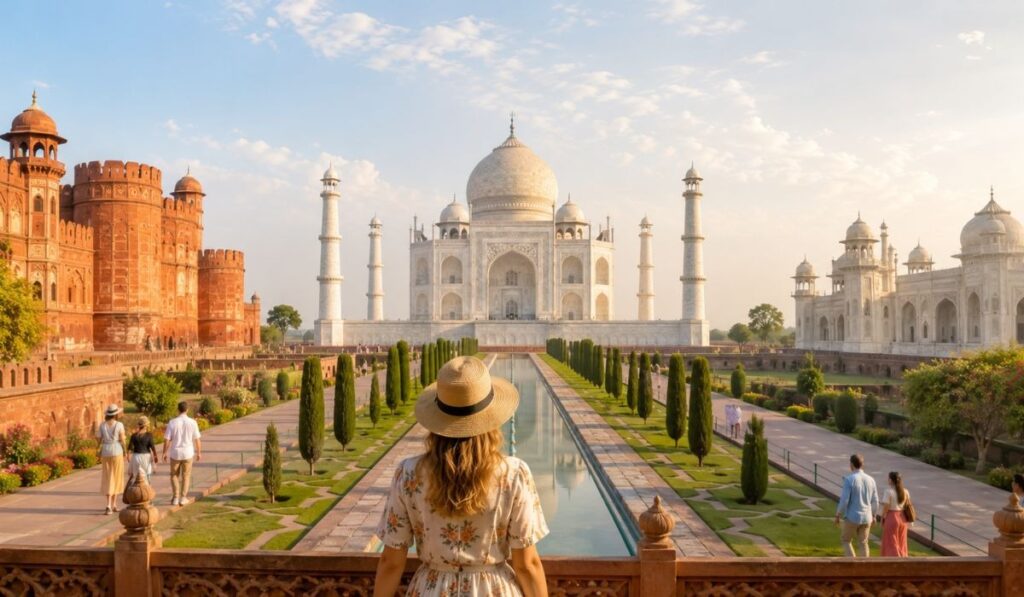
<p>Most photographs show a single white dome, but that's only the centerpiece of a much larger complex. The full site includes the main mausoleum, a grand entrance gateway, a mosque, a matching guest house (built purely for architectural symmetry), a charbagh-style garden divided into quadrants, and several connecting courtyards.</p>
<!-- /wp:paragraph -->
<!-- wp:paragraph -->
<p>The Taj Mahal's official heritage documentation describes it as an integrated complex rather than a single structure, with the principal mausoleum finished in 1648 and the surrounding buildings and gardens completed in the years that followed. Understanding this changes how you experience a visit. The gateway, the garden, and the mosque are part of the story, not just scenery on the way to the main event.</p>
<!-- /wp:paragraph -->
<!-- wp:heading {"level":3} -->
<h3 class="wp-block-heading"><strong>2. The Famous Symmetry Has One Fascinating Exception</strong></h3>
<!-- /wp:heading -->
<!-- wp:paragraph -->
<p>The Taj Mahal looks almost perfectly symmetrical from the outside. Step inside, however, and one historical event quietly changes that balance.</p>
<!-- /wp:paragraph -->
<!-- wp:paragraph -->
<p>Every element of the complex—the garden quadrants, flanking mosque and guest house, and four minarets—follows strict bilateral symmetry. Mumtaz Mahal’s cenotaph sits at the exact center of the main chamber, precisely where the original design intended it. Shah Jahan’s cenotaph, however, breaks this otherwise meticulously balanced design. Historical accounts say that builders added it later and placed it beside hers rather than in a mirrored, symmetrical position because they buried Shah Jahan there after his death.</p>
<!-- /wp:paragraph -->
<!-- wp:heading {"level":3} -->
<h3 class="wp-block-heading"><strong>3. The Graves You See Are Not the Actual Graves</strong></h3>
<!-- /wp:heading -->
<!-- wp:paragraph -->
<p>Here's a detail that surprises a lot of visitors: the ornate marble structures inside the main chamber aren't the actual graves.</p>
<!-- /wp:paragraph -->
<!-- wp:paragraph -->
<p><strong>Did you know?</strong> The decorative marble cenotaphs visitors see and photograph inside the central chamber are symbolic markers. According to UNESCO's documentation of the site, the actual burial chambers containing Mumtaz Mahal and Shah Jahan sit in a quieter, plainer crypt below, largely closed to general visitors. What you're looking at upstairs is a ceremonial representation, not the final resting place itself.</p>
<!-- /wp:paragraph -->
<!-- wp:heading {"level":3} -->
<h3 class="wp-block-heading"><strong>4. The Marble Jali Is a Masterpiece Hidden in Plain Sight</strong></h3>
<!-- /wp:heading -->
<!-- wp:paragraph -->
<p>Surrounding the cenotaphs is an octagonal marble lattice screen, carved directly from single slabs of marble rather than assembled from separate pieces. UNESCO's technical documentation describes this jali screen as exceptionally crafted and richly decorated with inlay work along its borders.</p>
<!-- /wp:paragraph -->
<!-- wp:paragraph -->
<p>Because the Taj Mahal's scale is so overwhelming, this screen is easy to walk past without really examining it. Up close, the hand-carved geometric patterns let light filter through in shifting patterns, changing subtly as the sun moves outside. It's one of the more labor-intensive elements of the entire monument, and also one of the most overlooked.</p>
<!-- /wp:paragraph -->
<!-- wp:heading {"level":3} -->
<h3 class="wp-block-heading"><strong>5. The Taj Mahal Uses Optical and Perspective Tricks</strong></h3>
<!-- /wp:heading -->
<!-- wp:paragraph -->
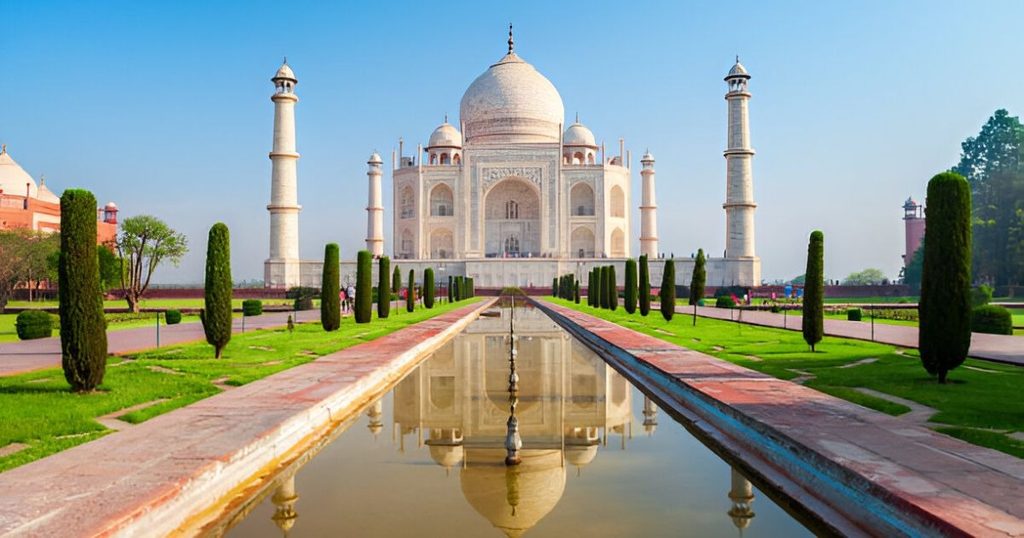
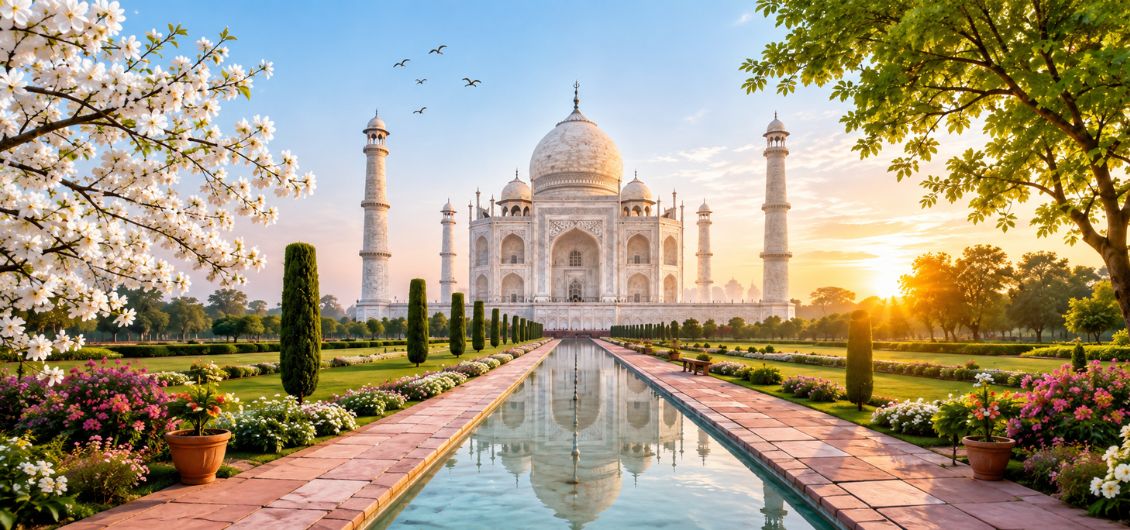
<p>A lot of what makes the Taj Mahal feel so dramatic on approach comes down to deliberate architectural framing rather than accident.</p>
<!-- /wp:paragraph -->
<!-- wp:image {"id":2149,"width":"1200px","aspectRatio":"1.9024390243902438","scale":"cover","sizeSlug":"large","linkDestination":"none"} -->
<figure class="wp-block-image size-large is-resized"><img src="https://www.mytajtour.com/wp-content/uploads/2026/09/image-1-1024x538.jpeg" alt="0 Hidden Wonders and Historic Mysteries of the Taj Mahal
" class="wp-image-2149" style="aspect-ratio:1.9024390243902438;object-fit:cover;width:1200px;height:auto" title="Taj Mahal hidden wonders"/></figure>
<!-- /wp:image -->
<!-- wp:paragraph -->
<p>The main gateway frames your first view of the mausoleum, compressing the distance and drawing your eye directly down the long central axis toward the dome. As you walk the length of the garden and reflecting pool, the proportions of the building appear to shift, a calculated effect of the relationship between the garden's geometry, the water, and the mausoleum's placement. None of this is a magic trick; it's careful Mughal design working exactly as intended, using perspective and axis rather than illusion.</p>
<!-- /wp:paragraph -->
<!-- wp:heading {"level":3} -->
<h3 class="wp-block-heading"><strong>6. The Four Minarets Are More Than Decorative Towers</strong></h3>
<!-- /wp:heading -->
<!-- wp:paragraph -->
<p>The four freestanding minarets at each corner of the marble platform do more architectural work than they get credit for. UNESCO's documentation notes that these towers introduced an important dimension to Mughal architectural design, providing spatial reference points and a three-dimensional effect against the dome's rounded mass.</p>
<!-- /wp:paragraph -->
<!-- wp:paragraph -->
<p>Practically, they also frame the mausoleum from every angle, so wherever you're standing in the garden, the building appears anchored rather than floating awkwardly in space. Some accounts note that builders gave the minarets a slight outward lean as a precaution, so they would fall away from the main structure rather than onto it during an earthquake.</p>
<!-- /wp:paragraph -->
<!-- wp:heading {"level":3} -->
<h3 class="wp-block-heading"><strong>7. The Taj Mahal Changes With Light</strong></h3>
<!-- /wp:heading -->
<!-- wp:image {"id":2148,"width":"1200px","aspectRatio":"1.9024390243902438","scale":"cover","sizeSlug":"large","linkDestination":"none"} -->
<figure class="wp-block-image size-large is-resized"><img src="https://www.mytajtour.com/wp-content/uploads/2026/09/image-1024x538.jpeg" alt="0 Hidden Wonders and Historic Mysteries of the Taj Mahal
" class="wp-image-2148" style="aspect-ratio:1.9024390243902438;object-fit:cover;width:1200px;height:auto" title="0 Hidden Wonders and Historic Mysteries of the Taj Mahal"/></figure>
<!-- /wp:image -->
<!-- wp:paragraph -->
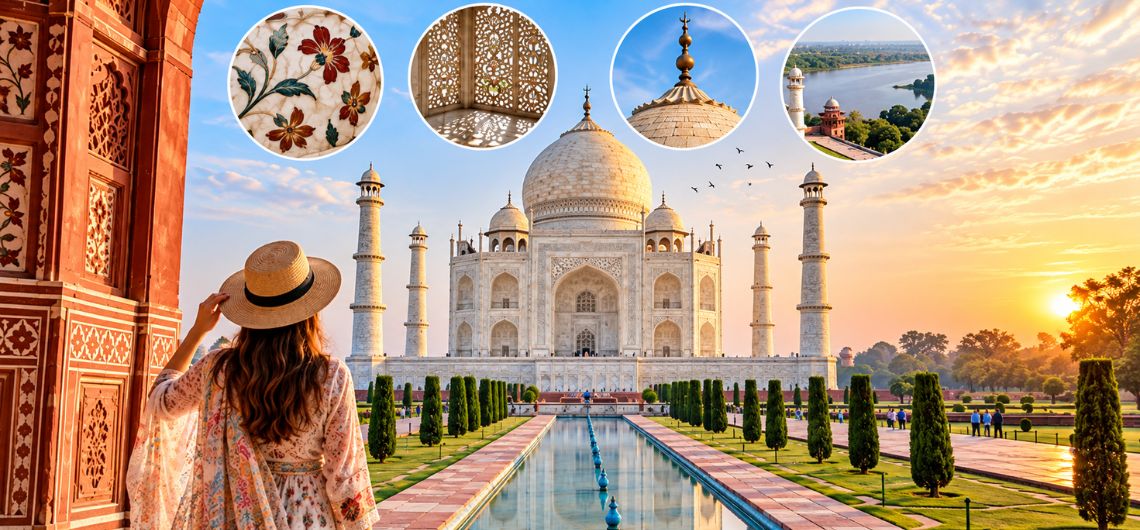
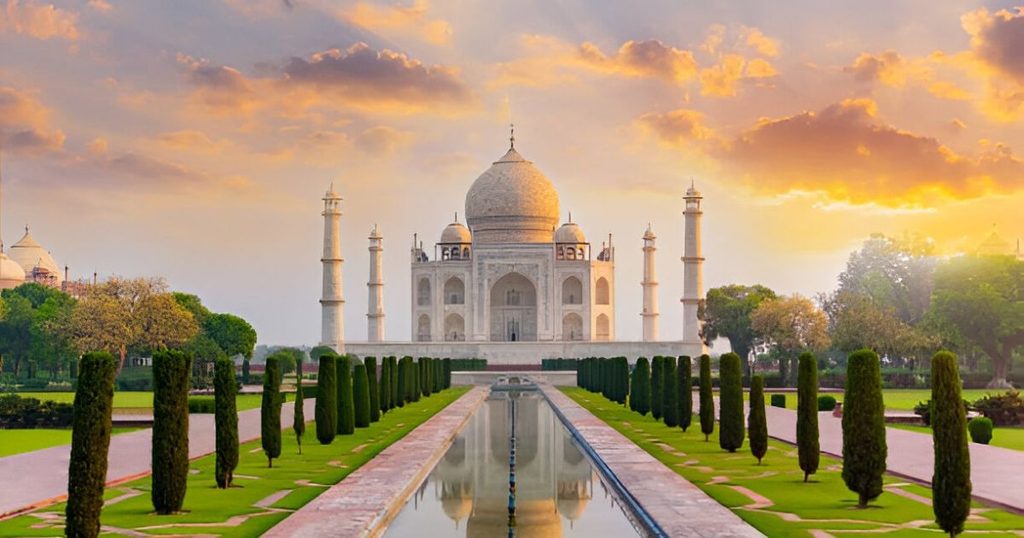
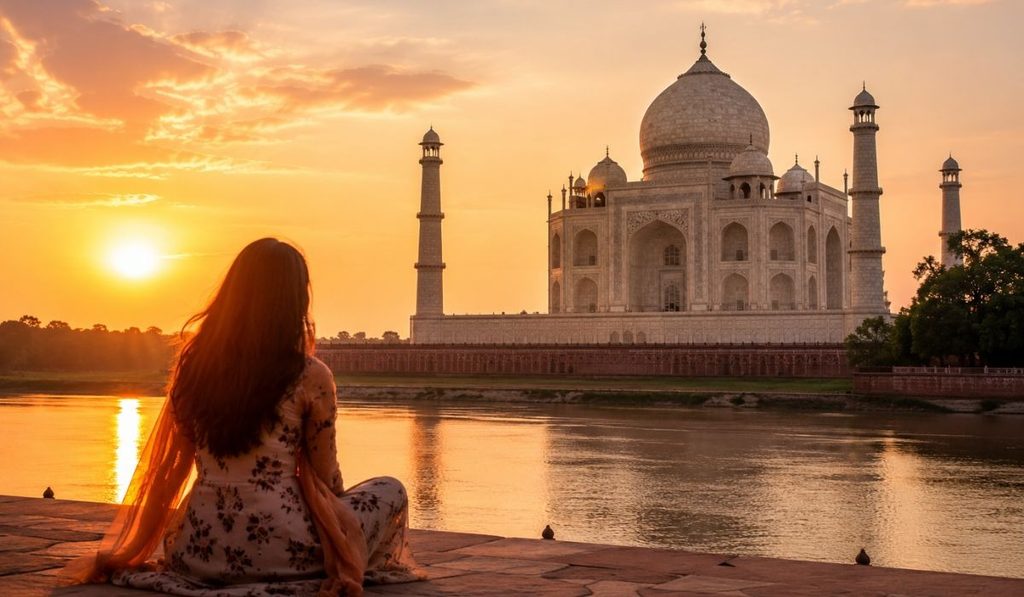
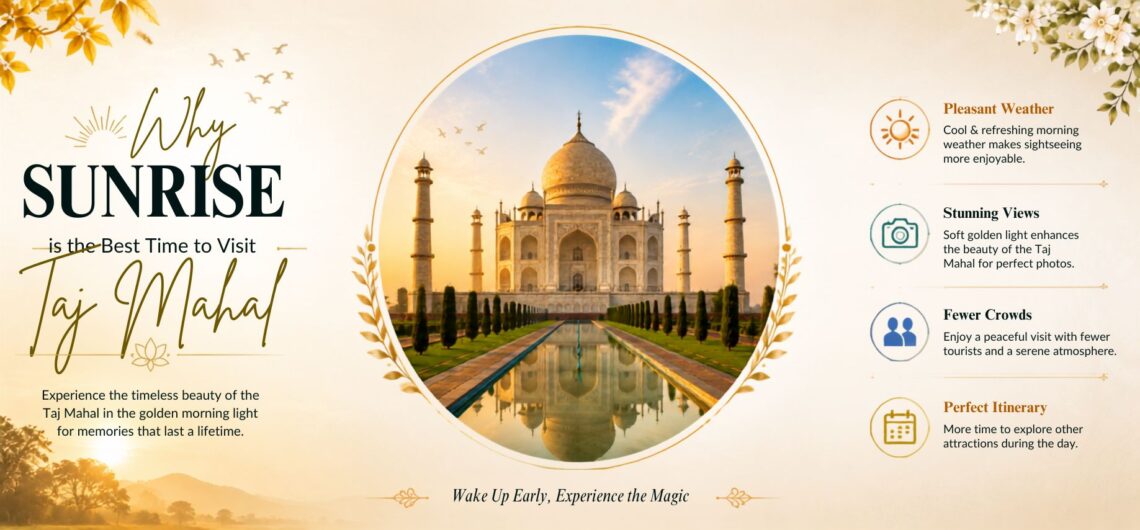
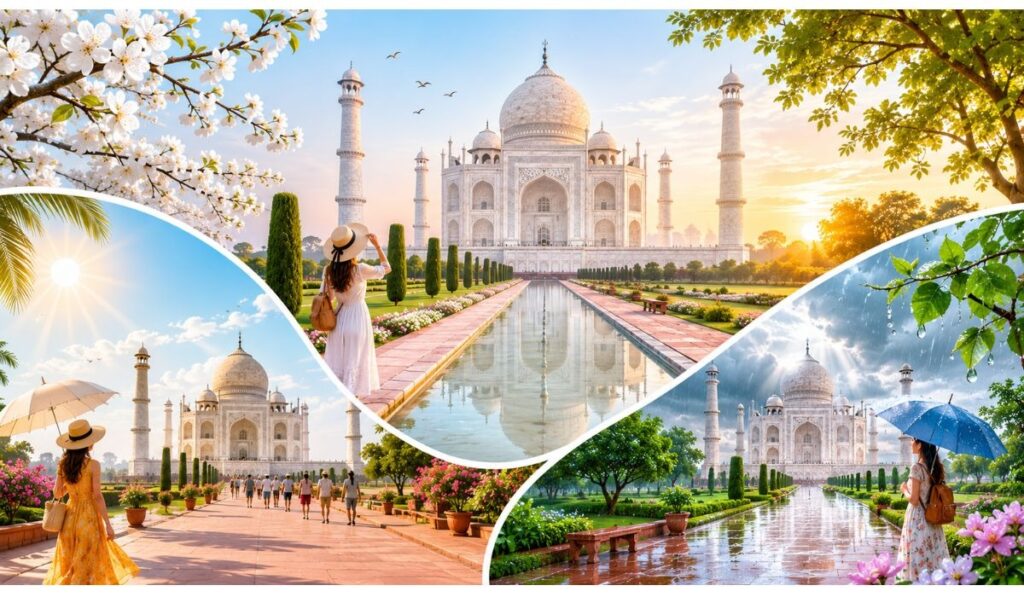
<p>White marble reacts dramatically to changing light. The Taj Mahal can appear different throughout the day. Its appearance also changes with the weather and time of your visit. Early morning light tends to bring out a soft, warm glow; the harsher midday sun flattens the marble into a stark, bright white; late afternoon and sunset bring back warmer tones and longer shadows across the platform and reflecting pool.</p>
<!-- /wp:paragraph -->
<!-- wp:paragraph -->
<p>It's worth being precise here: the marble isn't scientifically changing color, but the interaction between its surface and shifting daylight genuinely alters how it appears to the eye. For travelers interested in observing these changes firsthand, a <a href="https://www.mytajtour.com/tours/taj-mahal-sunrise-tour/">Taj Mahal sunrise visit</a> offers a noticeably different visual experience compared to a midday stop, both in color and in the quality of shadow across the carved surfaces.</p>
<!-- /wp:paragraph -->
<!-- wp:heading {"level":3} -->
<h3 class="wp-block-heading"><strong>8. The Floral Decorations Are Made With More Than Paint</strong></h3>
<!-- /wp:heading -->
<!-- wp:paragraph -->
<p>What looks like painted detail from a distance is often something considerably more labor-intensive: pietra dura, known locally as parchin kari. This technique involves cutting semi-precious stones into precise shapes and inlaying them into the marble to form floral and geometric patterns.</p>
<!-- /wp:paragraph -->
<!-- wp:paragraph -->
<p>Historical and gemological documentation of the site describes materials including lapis lazuli, jade, carnelian, and jasper used throughout this inlay work, some patterns running continuously across multiple stone blocks. This craft tradition didn't end with the monument's completion. Artisan families in Agra’s Taj Ganj neighborhood still practice the same marble-inlay techniques today, creating a living link between the 17th-century project and the craftsmen working just a few streets away.</p>
<!-- /wp:paragraph -->
<!-- wp:heading {"level":3} -->
<h3 class="wp-block-heading"><strong>9. The Taj Mahal's Location Was Part of Its Architectural Story</strong></h3>
<!-- /wp:heading -->
<!-- wp:paragraph -->
<p>One of the Taj Mahal's most interesting design decisions is something you might not notice at first glance: where the tomb sits in relation to its garden.</p>
<!-- /wp:paragraph -->
<!-- wp:paragraph -->
<p>Rather than placing the mausoleum at the exact center of the charbagh garden, as might seem the obvious symmetrical choice, Shah Jahan's planners positioned it at one end, along the riverbank. Heritage documentation attributes this decision to a deliberate design choice, one that added depth and perspective to the view of the monument from across the garden. Positioned this way, the Yamuna River itself becomes part of the composition, offering unobstructed reflections and views that a purely central placement wouldn't have allowed.</p>
<!-- /wp:paragraph -->
<!-- wp:heading {"level":3} -->
<h3 class="wp-block-heading"><strong>10. Some Taj Mahal "Mysteries" Are Actually Legends</strong></h3>
<!-- /wp:heading -->
<!-- wp:paragraph -->
<p>Not everything commonly repeated about the Taj Mahal holds up to scrutiny, and it's worth separating fact from popular storytelling.</p>
<!-- /wp:paragraph -->
<!-- wp:paragraph -->
<p>Documented — supported by historical or official sources: Historical records establish the main mausoleum’s construction dates as 1631–1648. Historical records also confirm the identities of the two people entombed there. Heritage documentation supports the use of <strong>pietra dura</strong> and <strong>jali craftsmanship</strong>.</p>
<!-- /wp:paragraph -->
<!-- wp:paragraph -->
<p><strong>Historically debated</strong> — evidence is incomplete or interpretations differ: Historians have not precisely documented the role of every architect and craftsman. Some attributions therefore remain uncertain. Guidebooks should present them as informed traditions rather than settled facts.</p>
<!-- /wp:paragraph -->
<!-- wp:paragraph -->
<p><strong>Popular legend — widely repeated, but not established as historical fact:</strong> Some stories claim that Shah Jahan planned a “Black Taj Mahal” across the river. Other legends say craftsmen had their hands cut off to prevent them from copying the design. Guidebooks and tour narratives often repeat these stories. However, credible historical evidence does not support these claims.</p>
<!-- /wp:paragraph -->
<!-- wp:heading {"level":3} -->
<h3 class="wp-block-heading"><strong>Why These Hidden Details Change the Way You See the Taj Mahal</strong></h3>
<!-- /wp:heading -->
<!-- wp:paragraph -->
<p>Taken together, these ten points shift the Taj Mahal from "famous building" to something considerably more layered. Its significance does not come from scale alone. It comes from precise architecture and deliberate geometry. Mughal garden planning also plays an important role. So do marble craftsmanship, calligraphy, perspective, and symbolism. These elements work together to create a balanced design. Heritage assessments highlight this harmony, symmetry, and craftsmanship. Together, they support the Taj Mahal's recognition as a masterpiece. No single feature defines its importance.</p>
<!-- /wp:paragraph -->
<!-- wp:heading {"level":3} -->
<h3 class="wp-block-heading"><strong>How to Look for These Details During Your Taj Mahal Visit</strong></h3>
<!-- /wp:heading -->
<!-- wp:paragraph -->
<p><strong>Before entering</strong></p>
<!-- /wp:paragraph -->
<!-- wp:list -->
<ul class="wp-block-list"><!-- wp:list-item -->
<li>Take a moment at the main gateway before walking through</li>
<!-- /wp:list-item -->
<!-- wp:list-item -->
<li>Notice how the structure frames your first view of the mausoleum</li>
<!-- /wp:list-item --></ul>
<!-- /wp:list -->
<!-- wp:paragraph -->
<p><strong>In the garden</strong></p>
<!-- /wp:paragraph -->
<!-- wp:list -->
<ul class="wp-block-list"><!-- wp:list-item -->
<li>Walk the central axis deliberately rather than cutting across</li>
<!-- /wp:list-item -->
<!-- wp:list-item -->
<li>Watch how the reflecting pool and mausoleum relate to each other</li>
<!-- /wp:list-item --></ul>
<!-- /wp:list -->
<!-- wp:paragraph -->
<p><strong>At the mausoleum</strong></p>
<!-- /wp:paragraph -->
<!-- wp:list -->
<ul class="wp-block-list"><!-- wp:list-item -->
<li>Get close enough to actually see the marble inlay, not just photograph it from a distance</li>
<!-- /wp:list-item -->
<!-- wp:list-item -->
<li>Look for the jali screen's carved detail</li>
<!-- /wp:list-item -->
<!-- wp:list-item -->
<li>Notice the minarets and how they're angled</li>
<!-- /wp:list-item -->
<!-- wp:list-item -->
<li>Look up at the calligraphy bordering the entrance</li>
<!-- /wp:list-item --></ul>
<!-- /wp:list -->
<!-- wp:paragraph -->
<p><strong>Inside</strong></p>
<!-- /wp:paragraph -->
<!-- wp:list -->
<ul class="wp-block-list"><!-- wp:list-item -->
<li>Remember that the visible cenotaphs aren't the actual graves</li>
<!-- /wp:list-item -->
<!-- wp:list-item -->
<li>Examine the marble screen surrounding them up close</li>
<!-- /wp:list-item --></ul>
<!-- /wp:list -->
<!-- wp:paragraph -->
<p><strong>Take your time</strong></p>
<!-- /wp:paragraph -->
<!-- wp:list -->
<ul class="wp-block-list"><!-- wp:list-item -->
<li>Don't spend the whole visit photographing the main façade</li>
<!-- /wp:list-item -->
<!-- wp:list-item -->
<li>Set aside time specifically to look at smaller details you'd otherwise walk past</li>
<!-- /wp:list-item --></ul>
<!-- /wp:list -->
<!-- wp:heading -->
<h2 class="wp-block-heading">Frequently Asked Questions</h2>
<!-- /wp:heading -->
<!-- wp:heading {"level":3} -->
<h3 class="wp-block-heading">What is the biggest mystery about the Taj Mahal?</h3>
<!-- /wp:heading -->
<!-- wp:paragraph -->
<p>Popular culture often mentions the <strong>“</strong>Black Taj Mahal” legend. However, historians focus on more documented details. One example is the deliberate asymmetry created by Shah Jahan’s cenotaph. Another is the difference between the visible cenotaphs and the actual graves below. These details offer a more historically grounded view of the Taj Mahal.</p>
<!-- /wp:paragraph -->
<!-- wp:heading {"level":3} -->
<h3 class="wp-block-heading">Are the graves inside the Taj Mahal real?</h3>
<!-- /wp:heading -->
<!-- wp:paragraph -->
<p>The ornate structures visitors see inside the main chamber are cenotaphs, symbolic markers rather than actual graves. The real burial chambers are located in a lower crypt, generally closed to general public access.</p>
<!-- /wp:paragraph -->
<!-- wp:heading {"level":3} -->
<h3 class="wp-block-heading">Why is Shah Jahan's cenotaph not perfectly symmetrical with Mumtaz Mahal's?</h3>
<!-- /wp:heading -->
<!-- wp:paragraph -->
<p>Mumtaz Mahal's cenotaph occupies the planned central position under the dome. Shah Jahan’s cenotaph was added after his death. It was placed beside Mumtaz Mahal’s cenotaph. This created the only deliberate break in the complex’s otherwise strict symmetry.</p>
<!-- /wp:paragraph -->
<!-- wp:heading {"level":3} -->
<h3 class="wp-block-heading">What is hidden inside the Taj Mahal?</h3>
<!-- /wp:heading -->
<!-- wp:paragraph -->
<p>Beyond the symbolic cenotaphs, the main chamber houses an intricately carved marble jali screen and inlaid calligraphy. The actual graves sit in a separate crypt beneath the visible chamber.</p>
<!-- /wp:paragraph -->
<!-- wp:heading {"level":3} -->
<h3 class="wp-block-heading">Why does the Taj Mahal appear different in different light?</h3>
<!-- /wp:heading -->
<!-- wp:paragraph -->
<p>White marble reacts strongly to changing daylight, appearing warmer at sunrise and sunset and starker under direct midday sun. The material isn't changing color scientifically, but the visual effect of shifting light is genuinely noticeable.</p>
<!-- /wp:paragraph -->
<!-- wp:heading {"level":3} -->
<h3 class="wp-block-heading">What is Pietra Dura in the Taj Mahal?</h3>
<!-- /wp:heading -->
<!-- wp:paragraph -->
<p>Pietra dura, or parchin kari, is a stone-inlay technique using cut semi-precious stones such as lapis lazuli, jade, and carnelian set into marble to form floral and geometric patterns. The technique is still practiced by artisans in Agra today.</p>
<!-- /wp:paragraph -->
<!-- wp:heading {"level":3} -->
<h3 class="wp-block-heading">What are some Taj Mahal legends that historians question?</h3>
<!-- /wp:heading -->
<!-- wp:paragraph -->
<p> Stories about a planned "Black Taj Mahal," craftsmen having their hands cut off, and hidden secret rooms are widely repeated but not supported by credible historical evidence. They're best treated as folklore rather than documented history.</p>
<!-- /wp:paragraph -->
<!-- wp:heading -->
<h2 class="wp-block-heading">Planning a Taj Mahal Visit?</h2>
<!-- /wp:heading -->
<!-- wp:paragraph -->
<p>If these details have you rethinking a quick photo-stop visit, it's worth planning enough time to actually look for them.A <a href="https://www.mytajtour.com/tours/taj-mahal-tour-by-car/">private Taj Mahal tour by car</a> gives you more flexibility. You can spend time at the gateway, garden, and jali screen without following a fixed schedule.</p>
<!-- /wp:paragraph -->
<!-- wp:paragraph -->
<p>You can also choose an <a href="https://www.mytajtour.com/tours/overnight-taj-mahal-tour/">overnight Agra tour</a> if you prefer a two-day visit. This gives you time to see the Taj Mahal at both sunset and sunrise. You can enjoy the experience without feeling rushed.</p>
<!-- /wp:paragraph -->
<!-- wp:paragraph -->
<p>However you plan your visit, the goal remains the same. Spend less time photographing the famous front view. Take more time to notice the details built into the walls around you.</p>
<!-- /wp:paragraph -->
<!-- wp:paragraph -->
<p></p>
<!-- /wp:paragraph -->
You may have seen thousands of photographs of the Taj Mahal, but how much of the monument have you actually noticed?
Behind its famous white marble façade are carefully planned perspectives, symbolic architecture, intricate stone inlay, hidden burial chambers, delicate jali screens, and historical details that are easy to miss during a quick visit. The Taj Mahal is a 17th-century Mughal mausoleum commissioned by Emperor Shah Jahan for his wife, Mumtaz Mahal. UNESCO records the main mausoleum’s construction between 1631 and 1648, with the surrounding buildings and gardens completed a few years later.
Some stories surrounding the Taj Mahal are well documented. Others are legends that have been repeated for generations without much evidence behind them. This piece separates the two, walking through 10 details worth looking for, whether you’re planning a visit or simply curious about what the postcard shot leaves out. If you do want to see these details in person, working them into a proper Taj Mahal tour gives you enough time to look past the central dome and into the specifics.
1. The Taj Mahal Is More Than One Building
Most photographs show a single white dome, but that’s only the centerpiece of a much larger complex. The full site includes the main mausoleum, a grand entrance gateway, a mosque, a matching guest house (built purely for architectural symmetry), a charbagh-style garden divided into quadrants, and several connecting courtyards.
The Taj Mahal’s official heritage documentation describes it as an integrated complex rather than a single structure, with the principal mausoleum finished in 1648 and the surrounding buildings and gardens completed in the years that followed. Understanding this changes how you experience a visit. The gateway, the garden, and the mosque are part of the story, not just scenery on the way to the main event.
2. The Famous Symmetry Has One Fascinating Exception
The Taj Mahal looks almost perfectly symmetrical from the outside. Step inside, however, and one historical event quietly changes that balance.
Every element of the complex—the garden quadrants, flanking mosque and guest house, and four minarets—follows strict bilateral symmetry. Mumtaz Mahal’s cenotaph sits at the exact center of the main chamber, precisely where the original design intended it. Shah Jahan’s cenotaph, however, breaks this otherwise meticulously balanced design. Historical accounts say that builders added it later and placed it beside hers rather than in a mirrored, symmetrical position because they buried Shah Jahan there after his death.
3. The Graves You See Are Not the Actual Graves
Here’s a detail that surprises a lot of visitors: the ornate marble structures inside the main chamber aren’t the actual graves.
Did you know? The decorative marble cenotaphs visitors see and photograph inside the central chamber are symbolic markers. According to UNESCO’s documentation of the site, the actual burial chambers containing Mumtaz Mahal and Shah Jahan sit in a quieter, plainer crypt below, largely closed to general visitors. What you’re looking at upstairs is a ceremonial representation, not the final resting place itself.
4. The Marble Jali Is a Masterpiece Hidden in Plain Sight
Surrounding the cenotaphs is an octagonal marble lattice screen, carved directly from single slabs of marble rather than assembled from separate pieces. UNESCO’s technical documentation describes this jali screen as exceptionally crafted and richly decorated with inlay work along its borders.
Because the Taj Mahal’s scale is so overwhelming, this screen is easy to walk past without really examining it. Up close, the hand-carved geometric patterns let light filter through in shifting patterns, changing subtly as the sun moves outside. It’s one of the more labor-intensive elements of the entire monument, and also one of the most overlooked.
5. The Taj Mahal Uses Optical and Perspective Tricks
A lot of what makes the Taj Mahal feel so dramatic on approach comes down to deliberate architectural framing rather than accident.
The main gateway frames your first view of the mausoleum, compressing the distance and drawing your eye directly down the long central axis toward the dome. As you walk the length of the garden and reflecting pool, the proportions of the building appear to shift, a calculated effect of the relationship between the garden’s geometry, the water, and the mausoleum’s placement. None of this is a magic trick; it’s careful Mughal design working exactly as intended, using perspective and axis rather than illusion.
6. The Four Minarets Are More Than Decorative Towers
The four freestanding minarets at each corner of the marble platform do more architectural work than they get credit for. UNESCO’s documentation notes that these towers introduced an important dimension to Mughal architectural design, providing spatial reference points and a three-dimensional effect against the dome’s rounded mass.
Practically, they also frame the mausoleum from every angle, so wherever you’re standing in the garden, the building appears anchored rather than floating awkwardly in space. Some accounts note that builders gave the minarets a slight outward lean as a precaution, so they would fall away from the main structure rather than onto it during an earthquake.
7. The Taj Mahal Changes With Light
White marble reacts dramatically to changing light. The Taj Mahal can appear different throughout the day. Its appearance also changes with the weather and time of your visit. Early morning light tends to bring out a soft, warm glow; the harsher midday sun flattens the marble into a stark, bright white; late afternoon and sunset bring back warmer tones and longer shadows across the platform and reflecting pool.
It’s worth being precise here: the marble isn’t scientifically changing color, but the interaction between its surface and shifting daylight genuinely alters how it appears to the eye. For travelers interested in observing these changes firsthand, a Taj Mahal sunrise visit offers a noticeably different visual experience compared to a midday stop, both in color and in the quality of shadow across the carved surfaces.
8. The Floral Decorations Are Made With More Than Paint
What looks like painted detail from a distance is often something considerably more labor-intensive: pietra dura, known locally as parchin kari. This technique involves cutting semi-precious stones into precise shapes and inlaying them into the marble to form floral and geometric patterns.
Historical and gemological documentation of the site describes materials including lapis lazuli, jade, carnelian, and jasper used throughout this inlay work, some patterns running continuously across multiple stone blocks. This craft tradition didn’t end with the monument’s completion. Artisan families in Agra’s Taj Ganj neighborhood still practice the same marble-inlay techniques today, creating a living link between the 17th-century project and the craftsmen working just a few streets away.
9. The Taj Mahal’s Location Was Part of Its Architectural Story
One of the Taj Mahal’s most interesting design decisions is something you might not notice at first glance: where the tomb sits in relation to its garden.
Rather than placing the mausoleum at the exact center of the charbagh garden, as might seem the obvious symmetrical choice, Shah Jahan’s planners positioned it at one end, along the riverbank. Heritage documentation attributes this decision to a deliberate design choice, one that added depth and perspective to the view of the monument from across the garden. Positioned this way, the Yamuna River itself becomes part of the composition, offering unobstructed reflections and views that a purely central placement wouldn’t have allowed.
10. Some Taj Mahal “Mysteries” Are Actually Legends
Not everything commonly repeated about the Taj Mahal holds up to scrutiny, and it’s worth separating fact from popular storytelling.
Documented — supported by historical or official sources: Historical records establish the main mausoleum’s construction dates as 1631–1648. Historical records also confirm the identities of the two people entombed there. Heritage documentation supports the use of pietra dura and jali craftsmanship.
Historically debated — evidence is incomplete or interpretations differ: Historians have not precisely documented the role of every architect and craftsman. Some attributions therefore remain uncertain. Guidebooks should present them as informed traditions rather than settled facts.
Popular legend — widely repeated, but not established as historical fact: Some stories claim that Shah Jahan planned a “Black Taj Mahal” across the river. Other legends say craftsmen had their hands cut off to prevent them from copying the design. Guidebooks and tour narratives often repeat these stories. However, credible historical evidence does not support these claims.
Why These Hidden Details Change the Way You See the Taj Mahal
Taken together, these ten points shift the Taj Mahal from “famous building” to something considerably more layered. Its significance does not come from scale alone. It comes from precise architecture and deliberate geometry. Mughal garden planning also plays an important role. So do marble craftsmanship, calligraphy, perspective, and symbolism. These elements work together to create a balanced design. Heritage assessments highlight this harmony, symmetry, and craftsmanship. Together, they support the Taj Mahal’s recognition as a masterpiece. No single feature defines its importance.
How to Look for These Details During Your Taj Mahal Visit
Before entering
Take a moment at the main gateway before walking through
Notice how the structure frames your first view of the mausoleum
In the garden
Walk the central axis deliberately rather than cutting across
Watch how the reflecting pool and mausoleum relate to each other
At the mausoleum
Get close enough to actually see the marble inlay, not just photograph it from a distance
Look for the jali screen’s carved detail
Notice the minarets and how they’re angled
Look up at the calligraphy bordering the entrance
Inside
Remember that the visible cenotaphs aren’t the actual graves
Examine the marble screen surrounding them up close
Take your time
Don’t spend the whole visit photographing the main façade
Set aside time specifically to look at smaller details you’d otherwise walk past
Frequently Asked Questions
What is the biggest mystery about the Taj Mahal?
Popular culture often mentions the “Black Taj Mahal” legend. However, historians focus on more documented details. One example is the deliberate asymmetry created by Shah Jahan’s cenotaph. Another is the difference between the visible cenotaphs and the actual graves below. These details offer a more historically grounded view of the Taj Mahal.
Are the graves inside the Taj Mahal real?
The ornate structures visitors see inside the main chamber are cenotaphs, symbolic markers rather than actual graves. The real burial chambers are located in a lower crypt, generally closed to general public access.
Why is Shah Jahan’s cenotaph not perfectly symmetrical with Mumtaz Mahal’s?
Mumtaz Mahal’s cenotaph occupies the planned central position under the dome. Shah Jahan’s cenotaph was added after his death. It was placed beside Mumtaz Mahal’s cenotaph. This created the only deliberate break in the complex’s otherwise strict symmetry.
What is hidden inside the Taj Mahal?
Beyond the symbolic cenotaphs, the main chamber houses an intricately carved marble jali screen and inlaid calligraphy. The actual graves sit in a separate crypt beneath the visible chamber.
Why does the Taj Mahal appear different in different light?
White marble reacts strongly to changing daylight, appearing warmer at sunrise and sunset and starker under direct midday sun. The material isn’t changing color scientifically, but the visual effect of shifting light is genuinely noticeable.
What is Pietra Dura in the Taj Mahal?
Pietra dura, or parchin kari, is a stone-inlay technique using cut semi-precious stones such as lapis lazuli, jade, and carnelian set into marble to form floral and geometric patterns. The technique is still practiced by artisans in Agra today.
What are some Taj Mahal legends that historians question?
Stories about a planned “Black Taj Mahal,” craftsmen having their hands cut off, and hidden secret rooms are widely repeated but not supported by credible historical evidence. They’re best treated as folklore rather than documented history.
Planning a Taj Mahal Visit?
If these details have you rethinking a quick photo-stop visit, it’s worth planning enough time to actually look for them.A private Taj Mahal tour by car gives you more flexibility. You can spend time at the gateway, garden, and jali screen without following a fixed schedule.
You can also choose an overnight Agra tour if you prefer a two-day visit. This gives you time to see the Taj Mahal at both sunset and sunrise. You can enjoy the experience without feeling rushed.
However you plan your visit, the goal remains the same. Spend less time photographing the famous front view. Take more time to notice the details built into the walls around you.
<!-- wp:paragraph -->
<p>The Taj Mahal rarely looks the same twice. Its white marble changes beautifully with the light, taking on soft pink and golden hues at sunrise and warmer amber tones as the sun begins to set. This natural transformation often leaves travelers wondering about the Taj Mahal Sunrise vs Sunset experience and which time is better for planning their Agra trip.</p>
<!-- /wp:paragraph -->
<!-- wp:paragraph -->
<p>The honest answer depends on what you're after. Sunrise generally means fewer crowds, cooler air, a peaceful atmosphere and excellent photography conditions. Sunset brings warmer light, a more relaxed pace and a romantic mood that many couples enjoy. And if you don't want to choose at all, an overnight stay in Agra lets you experience both. Let's break down how they actually compare.</p>
<!-- /wp:paragraph -->
<!-- wp:heading -->
<h2 class="wp-block-heading"><strong>Taj Mahal Sunrise vs Sunset at a Glance</strong></h2>
<!-- /wp:heading -->
<!-- wp:table -->
<figure class="wp-block-table"><table class="has-fixed-layout"><tbody><tr><td><strong>Factor</strong></td><td><strong>Sunrise</strong></td><td><strong>Sunset</strong></td></tr><tr><td>Crowds</td><td>Usually lower</td><td>Usually higher</td></tr><tr><td>Temperature</td><td>Cooler</td><td>Warmer, depending on season</td></tr><tr><td>Lighting</td><td>Soft morning light</td><td>Warm evening light</td></tr><tr><td>Photography</td><td>Excellent</td><td>Excellent</td></tr><tr><td>Atmosphere</td><td>Quiet and peaceful</td><td>Romantic and lively</td></tr><tr><td>Best for</td><td>Photographers, first-time visitors</td><td>Couples, leisure travelers</td></tr><tr><td>Travel from Delhi</td><td>Requires a very early departure</td><td>Easier departure time</td></tr><tr><td>Overall experience</td><td>Peaceful and immersive</td><td>Warm and atmospheric</td></tr></tbody></table></figure>
<!-- /wp:table -->
<!-- wp:heading -->
<h2 class="wp-block-heading"><strong>Visiting the Taj Mahal at Sunrise</strong></h2>
<!-- /wp:heading -->
<!-- wp:image {"id":2135,"aspectRatio":"2.1296928327645053","scale":"cover","sizeSlug":"large","linkDestination":"none"} -->
<figure class="wp-block-image size-large"><img src="https://www.mytajtour.com/wp-content/uploads/2026/08/image-3-1024x480.jpeg" alt="Visiting the Taj Mahal at Sunset" class="wp-image-2135" style="aspect-ratio:2.1296928327645053;object-fit:cover" title="Visiting the Taj Mahal at Sunset"/></figure>
<!-- /wp:image -->
<!-- wp:heading {"level":3} -->
<h3 class="wp-block-heading"><strong>Fewer Crowds and a Quieter Atmosphere</strong></h3>
<!-- /wp:heading -->
<!-- wp:paragraph -->
<p>The gates open early, and in those first hours the complex is noticeably calmer. With fewer tour groups moving through the grounds, you get more room to walk, pause and actually take in the monument rather than navigate around other visitors.</p>
<!-- /wp:paragraph -->
<!-- wp:heading {"level":3} -->
<h3 class="wp-block-heading"><strong>Cooler Temperatures</strong></h3>
<!-- /wp:heading -->
<!-- wp:paragraph -->
<p>Agra can get hot, especially from late spring through summer. Arriving at sunrise means walking the grounds while temperatures are still comfortable, which makes for a far more pleasant visit than exploring the same space at midday.</p>
<!-- /wp:paragraph -->
<!-- wp:heading {"level":3} -->
<h3 class="wp-block-heading"><strong>Beautiful Morning Light</strong></h3>
<!-- /wp:heading -->
<!-- wp:paragraph -->
<p>As the sun rises, the white marble takes on soft pink and golden hues before settling into its familiar bright white. This gradual shift is one of the reasons early visitors often describe the Taj Mahal as looking different from how it appears in typical daytime photos.</p>
<!-- /wp:paragraph -->
<!-- wp:heading {"level":3} -->
<h3 class="wp-block-heading"><strong>Better Photography Opportunities</strong></h3>
<!-- /wp:heading -->
<!-- wp:paragraph -->
<p>Sunrise tends to be the stronger choice for photography, for a few reasons:</p>
<!-- /wp:paragraph -->
<!-- wp:list -->
<ul class="wp-block-list"><!-- wp:list-item -->
<li>Soft, diffused natural light with fewer harsh shadows</li>
<!-- /wp:list-item -->
<!-- wp:list-item -->
<li>Noticeably fewer people in the frame</li>
<!-- /wp:list-item -->
<!-- wp:list-item -->
<li>Calmer reflections in the water channel leading up to the monument</li>
<!-- /wp:list-item -->
<!-- wp:list-item -->
<li>A marble surface that visibly changes tone as daylight increases</li>
<!-- /wp:list-item -->
<!-- wp:list-item -->
<li>Favorable conditions for both portraits and architectural shots</li>
<!-- /wp:list-item --></ul>
<!-- /wp:list -->
<!-- wp:heading {"level":3} -->
<h3 class="wp-block-heading"><strong>The Main Disadvantage of Sunrise</strong></h3>
<!-- /wp:heading -->
<!-- wp:paragraph -->
<p>Sunrise isn't without trade-offs. Travelers coming from Delhi need to leave very early, often well before dawn, and that early wake-up isn't for everyone. In winter, morning fog can occasionally reduce visibility. Exact sunrise timing also shifts with the season, so it's worth checking current timings before you plan your morning.</p>
<!-- /wp:paragraph -->
<!-- wp:paragraph -->
<p>For travelers who want the dawn experience without figuring out the logistics themselves, a dedicated <a href="https://www.mytajtour.com/tours/taj-mahal-sunrise-tour/">Taj Mahal Sunrise Tour</a> is built specifically around an early departure from Delhi that gets you to the complex as it opens.</p>
<!-- /wp:paragraph -->
<!-- wp:heading -->
<h2 class="wp-block-heading"><strong>Visiting the Taj Mahal at Sunset</strong></h2>
<!-- /wp:heading -->
<!-- wp:paragraph -->
<p>Sunset shouldn't be thought of as the "backup" option — it offers a genuinely different experience with its own appeal.</p>
<!-- /wp:paragraph -->
<!-- wp:image {"id":2136,"aspectRatio":"1.7142857142857142","scale":"cover","sizeSlug":"large","linkDestination":"none"} -->
<figure class="wp-block-image size-large"><img src="https://www.mytajtour.com/wp-content/uploads/2026/08/image-4-1024x597.jpeg" alt="Visiting the Taj Mahal at Sunset" class="wp-image-2136" style="aspect-ratio:1.7142857142857142;object-fit:cover" title="Visiting the Taj Mahal at Sunset"/></figure>
<!-- /wp:image -->
<!-- wp:heading {"level":3} -->
<h3 class="wp-block-heading"><strong>Warm and Romantic Lighting</strong></h3>
<!-- /wp:heading -->
<!-- wp:paragraph -->
<p>In the late afternoon and early evening, the light turns warmer, casting orange and amber tones across the marble. The monument takes on a softer, more golden appearance that contrasts with the crisp white look of midday.</p>
<!-- /wp:paragraph -->
<!-- wp:heading {"level":3} -->
<h3 class="wp-block-heading"><strong>Why Couples May Prefer Sunset</strong></h3>
<!-- /wp:heading -->
<!-- wp:paragraph -->
<p>The slower pace of an evening visit, combined with warm light and a more relaxed schedule, tends to appeal to couples who aren't necessarily chasing the quietest possible crowd levels. It's a more leisurely way to experience the monument.</p>
<!-- /wp:paragraph -->
<!-- wp:heading {"level":3} -->
<h3 class="wp-block-heading"><strong>Sunset Photography</strong></h3>
<!-- /wp:heading -->
<!-- wp:paragraph -->
<p>Sunset photography leans into a different mood:</p>
<!-- /wp:paragraph -->
<!-- wp:list -->
<ul class="wp-block-list"><!-- wp:list-item -->
<li>Warm, golden tones across the marble</li>
<!-- /wp:list-item -->
<!-- wp:list-item -->
<li>Longer, more dramatic shadows</li>
<!-- /wp:list-item -->
<!-- wp:list-item -->
<li>Strong opportunities for silhouettes against the sky</li>
<!-- /wp:list-item -->
<!-- wp:list-item -->
<li>Reflections that pick up the evening color</li>
<!-- /wp:list-item -->
<!-- wp:list-item -->
<li>Architectural details that stand out under angled light</li>
<!-- /wp:list-item --></ul>
<!-- /wp:list -->
<!-- wp:heading {"level":3} -->
<h3 class="wp-block-heading"><strong>The Main Disadvantages of Sunset</strong></h3>
<!-- /wp:heading -->
<!-- wp:paragraph -->
<p>Sunset visits generally see more visitors than sunrise, since it's an easier time for most people to reach. Temperatures can still be warm depending on the season, and if you're on a tight same-day itinerary from Delhi, an evening visit leaves less flexibility for your return journey. As with sunrise, exact sunset timing changes throughout the year.</p>
<!-- /wp:paragraph -->
<!-- wp:heading -->
<h2 class="wp-block-heading"><strong>Sunrise vs Sunset for Photography</strong></h2>
<!-- /wp:heading -->
<!-- wp:paragraph -->
<p>Photography is often the deciding factor for travelers researching this topic, so it's worth comparing directly.</p>
<!-- /wp:paragraph -->
<!-- wp:paragraph -->
<p><strong>Sunrise photography</strong> tends to offer soft light, cooler tones, occasional morning mist, and far fewer people working their way into your shots — all of which make for a quieter, more atmospheric set of images.</p>
<!-- /wp:paragraph -->
<!-- wp:paragraph -->
<p><strong>Sunset photography</strong> brings warm, golden hues, dramatic shadows, a more romantic overall feel, and strong conditions for silhouette shots against the sky.</p>
<!-- /wp:paragraph -->
<!-- wp:paragraph -->
<p>For fewer distractions and a peaceful photographic experience, sunrise is generally the stronger choice. For warm, dramatic and romantic images, sunset can be equally appealing. Neither produces universally "better" photos — it comes down to the style you're going for.</p>
<!-- /wp:paragraph -->
<!-- wp:heading -->
<h2 class="wp-block-heading"><strong>Sunrise vs Sunset for Couples</strong></h2>
<!-- /wp:heading -->
<!-- wp:paragraph -->
<p>If you're planning this as a couple, both options have something to offer. Sunrise suits couples who value quiet surroundings and want the complex largely to themselves for photos. Sunset appeals to couples looking for warmer light and a more unhurried evening experience.</p>
<!-- /wp:paragraph -->
<!-- wp:paragraph -->
<p>If you'd rather not choose, staying overnight in Agra means you don't have to. The <a href="https://www.mytajtour.com/tours/overnight-taj-mahal-tour/">Overnight Taj Mahal Tour</a> is built around exactly this — a sunset visit followed by a sunrise visit the next morning, so you can compare the monument under both kinds of light without rushing.</p>
<!-- /wp:paragraph -->
<!-- wp:heading -->
<h2 class="wp-block-heading"><strong>Sunrise vs Sunset for Travelers Coming From Delhi</strong></h2>
<!-- /wp:heading -->
<!-- wp:paragraph -->
<p>The time of day you choose has a real effect on how your day trip from Delhi actually plays out.</p>
<!-- /wp:paragraph -->
<!-- wp:paragraph -->
<p><strong>Sunrise from Delhi</strong> means a very early pickup and a highway journey before dawn, so you arrive around opening time. The upside is that it leaves you with more of the day free for additional Agra sightseeing once the visit is done.</p>
<!-- /wp:paragraph -->
<!-- wp:paragraph -->
<p><strong>Sunset from Delhi</strong> allows for a far more conventional departure time and a less demanding morning. The trade-off is that you'll want to plan your return transportation carefully, since you'll be heading back to Delhi after dark. If a private vehicle matters to your comfort on either route, a <a href="https://www.mytajtour.com/tours/taj-mahal-tour-by-car/">Taj Mahal Tour by Car</a> offers more flexibility over pickup times and the pace of the day than a fixed group departure.</p>
<!-- /wp:paragraph -->
<!-- wp:paragraph -->
<p>Exact travel times will vary depending on traffic and the specific tour you book, so it's worth confirming these details directly rather than assuming a fixed schedule.</p>
<!-- /wp:paragraph -->
<!-- wp:heading -->
<h2 class="wp-block-heading"><strong>Which Is Better in Different Seasons?</strong></h2>
<!-- /wp:heading -->
<!-- wp:paragraph -->
<p><strong>Winter</strong> brings pleasant daytime temperatures, but mornings can occasionally bring dense fog that affects sunrise visibility.</p>
<!-- /wp:paragraph -->
<!-- wp:paragraph -->
<p><strong>Summer</strong> makes sunrise the more comfortable option, since midday and afternoon heat can be intense.</p>
<!-- /wp:paragraph -->
<!-- wp:paragraph -->
<p><strong>Monsoon season</strong> often brings cloudy skies, which can create dramatic, moody photography, though conditions can change quickly.</p>
<!-- /wp:paragraph -->
<!-- wp:paragraph -->
<p><strong>Autumn</strong> generally offers comfortable sightseeing weather for both sunrise and sunset visits.</p>
<!-- /wp:paragraph -->
<!-- wp:paragraph -->
<p>For a deeper look at how weather and timing shift throughout the year, the <a href="https://www.mytajtour.com/blog/best-time-to-visit-taj-mahal/">best time to visit the Taj Mahal</a> covers seasonal planning in more detail.</p>
<!-- /wp:paragraph -->
<!-- wp:heading -->
<h2 class="wp-block-heading"><strong>Is Sunrise Really Better Than Sunset at the Taj Mahal?</strong></h2>
<!-- /wp:heading -->
<!-- wp:paragraph -->
<p>For most first-time visitors, sunrise is the better choice if the priority is fewer crowds, cooler conditions, peaceful surroundings and photography.</p>
<!-- /wp:paragraph -->
<!-- wp:paragraph -->
<p>That said, sunset may be preferable if you're traveling as a couple, you'd rather avoid a very early morning, you're already staying in Agra, or you simply prefer warm evening light over soft morning tones. Neither is objectively "correct" — it comes down to which experience matches your priorities.</p>
<!-- /wp:paragraph -->
<!-- wp:heading -->
<h2 class="wp-block-heading"><strong>What If You Want to Experience Both?</strong></h2>
<!-- /wp:heading -->
<!-- wp:paragraph -->
<p>If choosing between sunrise and sunset feels impossible, staying overnight in Agra gives you the opportunity to experience both lighting conditions without rushing through a same-day itinerary. The <a href="https://www.mytajtour.com/tours/overnight-taj-mahal-tour/">Overnight Taj Mahal Tour</a> is designed around exactly this, pairing an evening visit with a following sunrise so you see the monument transform between the two.</p>
<!-- /wp:paragraph -->
<!-- wp:heading -->
<h2 class="wp-block-heading"><strong>Tips for Choosing Between Sunrise and Sunset</strong></h2>
<!-- /wp:heading -->
<!-- wp:paragraph -->
<p><strong>Choose sunrise if you:</strong></p>
<!-- /wp:paragraph -->
<!-- wp:list -->
<ul class="wp-block-list"><!-- wp:list-item -->
<li>Want fewer crowds</li>
<!-- /wp:list-item -->
<!-- wp:list-item -->
<li>Prefer cooler temperatures</li>
<!-- /wp:list-item -->
<!-- wp:list-item -->
<li>Love photography</li>
<!-- /wp:list-item -->
<!-- wp:list-item -->
<li>Want a peaceful atmosphere</li>
<!-- /wp:list-item -->
<!-- wp:list-item -->
<li>Are comfortable waking very early</li>
<!-- /wp:list-item -->
<!-- wp:list-item -->
<li>Are visiting the Taj Mahal for the first time</li>
<!-- /wp:list-item --></ul>
<!-- /wp:list -->
<!-- wp:paragraph -->
<p><strong>Choose sunset if you:</strong></p>
<!-- /wp:paragraph -->
<!-- wp:list -->
<ul class="wp-block-list"><!-- wp:list-item -->
<li>Prefer a relaxed morning</li>
<!-- /wp:list-item -->
<!-- wp:list-item -->
<li>Want warm evening light</li>
<!-- /wp:list-item -->
<!-- wp:list-item -->
<li>Are traveling as a couple</li>
<!-- /wp:list-item -->
<!-- wp:list-item -->
<li>Are staying in Agra</li>
<!-- /wp:list-item -->
<!-- wp:list-item -->
<li>Prefer evening-style photography</li>
<!-- /wp:list-item --></ul>
<!-- /wp:list -->
<!-- wp:paragraph -->
<p><strong>Choose both if you:</strong></p>
<!-- /wp:paragraph -->
<!-- wp:list -->
<ul class="wp-block-list"><!-- wp:list-item -->
<li>Have an overnight itinerary</li>
<!-- /wp:list-item -->
<!-- wp:list-item -->
<li>Are passionate about photography</li>
<!-- /wp:list-item -->
<!-- wp:list-item -->
<li>Want to compare the monument under different lighting</li>
<!-- /wp:list-item -->
<!-- wp:list-item -->
<li>Want a slower-paced Agra experience</li>
<!-- /wp:list-item --></ul>
<!-- /wp:list -->
<!-- wp:heading -->
<h2 class="wp-block-heading"><strong>How to Plan Your Taj Mahal Visit From Delhi</strong></h2>
<!-- /wp:heading -->
<!-- wp:list {"ordered":true} -->
<ol class="wp-block-list"><!-- wp:list-item -->
<li>Decide sunrise or sunset based on your priorities above.</li>
<!-- /wp:list-item -->
<!-- wp:list-item -->
<li>Check the current Taj Mahal opening and visiting rules before you travel.</li>
<!-- /wp:list-item -->
<!-- wp:list-item -->
<li>Look up seasonal sunrise and sunset times for your travel dates.</li>
<!-- /wp:list-item -->
<!-- wp:list-item -->
<li>Build in extra time for security screening and entry.</li>
<!-- /wp:list-item -->
<!-- wp:list-item -->
<li>Carry only permitted items — restrictions apply inside the complex.</li>
<!-- /wp:list-item -->
<!-- wp:list-item -->
<li>Wear comfortable, easy-to-remove footwear.</li>
<!-- /wp:list-item -->
<!-- wp:list-item -->
<li>Check the weather forecast the day before.</li>
<!-- /wp:list-item -->
<!-- wp:list-item -->
<li>Consider pairing your visit with other Agra attractions.</li>
<!-- /wp:list-item -->
<!-- wp:list-item -->
<li>Plan your return journey to Delhi before you start the visit, not after.</li>
<!-- /wp:list-item --></ol>
<!-- /wp:list -->
<!-- wp:heading -->
<h2 class="wp-block-heading"><strong>Taj Mahal Sunrise vs Sunset — Final Verdict</strong></h2>
<!-- /wp:heading -->
<!-- wp:paragraph -->
<p>If your priority is the most peaceful atmosphere, comfortable temperatures, fewer distractions and excellent photography, sunrise is generally the better choice. If you prefer warm evening light, a romantic atmosphere and a slower start to the day, sunset can be the better option.</p>
<!-- /wp:paragraph -->
<!-- wp:paragraph -->
<p>And if you don't want to choose at all, an overnight Agra itinerary lets you experience the Taj Mahal at both sunrise and sunset.</p>
<!-- /wp:paragraph -->
<!-- wp:paragraph -->
<p><strong>Ready to plan your Taj Mahal visit?</strong> Explore <a href="https://www.mytajtour.com/taj-mahal-tour-packages/">Taj Mahal tour options from Delhi</a> and choose a sunrise, sunset, same-day or overnight experience based on your travel style.</p>
<!-- /wp:paragraph -->
<!-- wp:heading -->
<h2 class="wp-block-heading"><strong>Frequently Asked Questions</strong></h2>
<!-- /wp:heading -->
<!-- wp:heading {"level":3} -->
<h3 class="wp-block-heading"><strong>Is sunrise or sunset better at the Taj Mahal?</strong> </h3>
<!-- /wp:heading -->
<!-- wp:paragraph -->
<p>Sunrise is generally better for fewer crowds, cooler temperatures and peaceful photography, while sunset is attractive for its warm light and romantic atmosphere. The right choice depends on your priorities.</p>
<!-- /wp:paragraph -->
<!-- wp:heading {"level":3} -->
<h3 class="wp-block-heading"><strong>Is the Taj Mahal beautiful at sunset?</strong> </h3>
<!-- /wp:heading -->
<!-- wp:paragraph -->
<p>Yes. Evening light gives the marble warm, golden tones that create a noticeably different look from its bright white daytime appearance.</p>
<!-- /wp:paragraph -->
<!-- wp:heading {"level":3} -->
<h3 class="wp-block-heading"><strong>Is sunrise worth waking up early for?</strong> </h3>
<!-- /wp:heading -->
<!-- wp:paragraph -->
<p>For most visitors, yes — the quieter atmosphere, cooler air and softer light are hard to replicate later in the day. It does require an early start, particularly if you're traveling from Delhi.</p>
<!-- /wp:paragraph -->
<!-- wp:heading {"level":3} -->
<h3 class="wp-block-heading"><strong>Which is better for Taj Mahal photography, sunrise vs sunset?</strong> </h3>
<!-- /wp:heading -->
<!-- wp:paragraph -->
<p>Both work well but for different styles. Sunrise offers softer light and fewer people in your shots, while sunset offers warmer tones and more dramatic shadows.</p>
<!-- /wp:paragraph -->
<!-- wp:heading {"level":3} -->
<h3 class="wp-block-heading"><strong>Can I see the Taj Mahal at both sunrise and sunset?</strong> </h3>
<!-- /wp:heading -->
<!-- wp:paragraph -->
<p>Yes, if you stay overnight in Agra. An overnight itinerary lets you catch an evening visit and a sunrise visit the next morning, rather than choosing just one.</p>
<!-- /wp:paragraph -->
<!-- wp:heading {"level":3} -->
<h3 class="wp-block-heading"><strong>What is the best time of day to visit the Taj Mahal?</strong> </h3>
<!-- /wp:heading -->
<!-- wp:paragraph -->
<p>It depends on what you value most. Sunrise generally offers the more peaceful overall experience, while sunset suits travelers who prefer a relaxed schedule and warm light.</p>
<!-- /wp:paragraph -->
<!-- wp:heading {"level":3} -->
<h3 class="wp-block-heading"><strong>Is sunrise better for visiting the Taj Mahal from Delhi?</strong> </h3>
<!-- /wp:heading -->
<!-- wp:paragraph -->
<p>Sunrise gets you into Agra early and leaves more of the day free for other sightseeing, though it does require a very early departure from Delhi.</p>
<!-- /wp:paragraph -->
<!-- wp:heading {"level":3} -->
<h3 class="wp-block-heading"><strong>Does fog affect Taj Mahal sunrise visits?</strong></h3>
<!-- /wp:heading -->
<!-- wp:paragraph -->
<p>It can, particularly in winter, when dense fog occasionally reduces visibility. Lighter mist, on the other hand, can actually add to the atmosphere in photographs.</p>
<!-- /wp:paragraph -->
<!-- wp:paragraph -->
<p></p>
<!-- /wp:paragraph -->
The Taj Mahal rarely looks the same twice. Its white marble changes beautifully with the light, taking on soft pink and golden hues at sunrise and warmer amber tones as the sun begins to set. This natural transformation often leaves travelers wondering about the Taj Mahal Sunrise vs Sunset experience and which time is better for planning their Agra trip.
The honest answer depends on what you’re after. Sunrise generally means fewer crowds, cooler air, a peaceful atmosphere and excellent photography conditions. Sunset brings warmer light, a more relaxed pace and a romantic mood that many couples enjoy. And if you don’t want to choose at all, an overnight stay in Agra lets you experience both. Let’s break down how they actually compare.
Taj Mahal Sunrise vs Sunset at a Glance
Factor
Sunrise
Sunset
Crowds
Usually lower
Usually higher
Temperature
Cooler
Warmer, depending on season
Lighting
Soft morning light
Warm evening light
Photography
Excellent
Excellent
Atmosphere
Quiet and peaceful
Romantic and lively
Best for
Photographers, first-time visitors
Couples, leisure travelers
Travel from Delhi
Requires a very early departure
Easier departure time
Overall experience
Peaceful and immersive
Warm and atmospheric
Visiting the Taj Mahal at Sunrise
Fewer Crowds and a Quieter Atmosphere
The gates open early, and in those first hours the complex is noticeably calmer. With fewer tour groups moving through the grounds, you get more room to walk, pause and actually take in the monument rather than navigate around other visitors.
Cooler Temperatures
Agra can get hot, especially from late spring through summer. Arriving at sunrise means walking the grounds while temperatures are still comfortable, which makes for a far more pleasant visit than exploring the same space at midday.
Beautiful Morning Light
As the sun rises, the white marble takes on soft pink and golden hues before settling into its familiar bright white. This gradual shift is one of the reasons early visitors often describe the Taj Mahal as looking different from how it appears in typical daytime photos.
Better Photography Opportunities
Sunrise tends to be the stronger choice for photography, for a few reasons:
Soft, diffused natural light with fewer harsh shadows
Noticeably fewer people in the frame
Calmer reflections in the water channel leading up to the monument
A marble surface that visibly changes tone as daylight increases
Favorable conditions for both portraits and architectural shots
The Main Disadvantage of Sunrise
Sunrise isn’t without trade-offs. Travelers coming from Delhi need to leave very early, often well before dawn, and that early wake-up isn’t for everyone. In winter, morning fog can occasionally reduce visibility. Exact sunrise timing also shifts with the season, so it’s worth checking current timings before you plan your morning.
For travelers who want the dawn experience without figuring out the logistics themselves, a dedicated Taj Mahal Sunrise Tour is built specifically around an early departure from Delhi that gets you to the complex as it opens.
Visiting the Taj Mahal at Sunset
Sunset shouldn’t be thought of as the “backup” option — it offers a genuinely different experience with its own appeal.
Warm and Romantic Lighting
In the late afternoon and early evening, the light turns warmer, casting orange and amber tones across the marble. The monument takes on a softer, more golden appearance that contrasts with the crisp white look of midday.
Why Couples May Prefer Sunset
The slower pace of an evening visit, combined with warm light and a more relaxed schedule, tends to appeal to couples who aren’t necessarily chasing the quietest possible crowd levels. It’s a more leisurely way to experience the monument.
Sunset Photography
Sunset photography leans into a different mood:
Warm, golden tones across the marble
Longer, more dramatic shadows
Strong opportunities for silhouettes against the sky
Reflections that pick up the evening color
Architectural details that stand out under angled light
The Main Disadvantages of Sunset
Sunset visits generally see more visitors than sunrise, since it’s an easier time for most people to reach. Temperatures can still be warm depending on the season, and if you’re on a tight same-day itinerary from Delhi, an evening visit leaves less flexibility for your return journey. As with sunrise, exact sunset timing changes throughout the year.
Sunrise vs Sunset for Photography
Photography is often the deciding factor for travelers researching this topic, so it’s worth comparing directly.
Sunrise photography tends to offer soft light, cooler tones, occasional morning mist, and far fewer people working their way into your shots — all of which make for a quieter, more atmospheric set of images.
Sunset photography brings warm, golden hues, dramatic shadows, a more romantic overall feel, and strong conditions for silhouette shots against the sky.
For fewer distractions and a peaceful photographic experience, sunrise is generally the stronger choice. For warm, dramatic and romantic images, sunset can be equally appealing. Neither produces universally “better” photos — it comes down to the style you’re going for.
Sunrise vs Sunset for Couples
If you’re planning this as a couple, both options have something to offer. Sunrise suits couples who value quiet surroundings and want the complex largely to themselves for photos. Sunset appeals to couples looking for warmer light and a more unhurried evening experience.
If you’d rather not choose, staying overnight in Agra means you don’t have to. The Overnight Taj Mahal Tour is built around exactly this — a sunset visit followed by a sunrise visit the next morning, so you can compare the monument under both kinds of light without rushing.
Sunrise vs Sunset for Travelers Coming From Delhi
The time of day you choose has a real effect on how your day trip from Delhi actually plays out.
Sunrise from Delhi means a very early pickup and a highway journey before dawn, so you arrive around opening time. The upside is that it leaves you with more of the day free for additional Agra sightseeing once the visit is done.
Sunset from Delhi allows for a far more conventional departure time and a less demanding morning. The trade-off is that you’ll want to plan your return transportation carefully, since you’ll be heading back to Delhi after dark. If a private vehicle matters to your comfort on either route, a Taj Mahal Tour by Car offers more flexibility over pickup times and the pace of the day than a fixed group departure.
Exact travel times will vary depending on traffic and the specific tour you book, so it’s worth confirming these details directly rather than assuming a fixed schedule.
Which Is Better in Different Seasons?
Winter brings pleasant daytime temperatures, but mornings can occasionally bring dense fog that affects sunrise visibility.
Summer makes sunrise the more comfortable option, since midday and afternoon heat can be intense.
Monsoon season often brings cloudy skies, which can create dramatic, moody photography, though conditions can change quickly.
Autumn generally offers comfortable sightseeing weather for both sunrise and sunset visits.
For a deeper look at how weather and timing shift throughout the year, the best time to visit the Taj Mahal covers seasonal planning in more detail.
Is Sunrise Really Better Than Sunset at the Taj Mahal?
For most first-time visitors, sunrise is the better choice if the priority is fewer crowds, cooler conditions, peaceful surroundings and photography.
That said, sunset may be preferable if you’re traveling as a couple, you’d rather avoid a very early morning, you’re already staying in Agra, or you simply prefer warm evening light over soft morning tones. Neither is objectively “correct” — it comes down to which experience matches your priorities.
What If You Want to Experience Both?
If choosing between sunrise and sunset feels impossible, staying overnight in Agra gives you the opportunity to experience both lighting conditions without rushing through a same-day itinerary. The Overnight Taj Mahal Tour is designed around exactly this, pairing an evening visit with a following sunrise so you see the monument transform between the two.
Tips for Choosing Between Sunrise and Sunset
Choose sunrise if you:
Want fewer crowds
Prefer cooler temperatures
Love photography
Want a peaceful atmosphere
Are comfortable waking very early
Are visiting the Taj Mahal for the first time
Choose sunset if you:
Prefer a relaxed morning
Want warm evening light
Are traveling as a couple
Are staying in Agra
Prefer evening-style photography
Choose both if you:
Have an overnight itinerary
Are passionate about photography
Want to compare the monument under different lighting
Want a slower-paced Agra experience
How to Plan Your Taj Mahal Visit From Delhi
Decide sunrise or sunset based on your priorities above.
Check the current Taj Mahal opening and visiting rules before you travel.
Look up seasonal sunrise and sunset times for your travel dates.
Build in extra time for security screening and entry.
Carry only permitted items — restrictions apply inside the complex.
Wear comfortable, easy-to-remove footwear.
Check the weather forecast the day before.
Consider pairing your visit with other Agra attractions.
Plan your return journey to Delhi before you start the visit, not after.
Taj Mahal Sunrise vs Sunset — Final Verdict
If your priority is the most peaceful atmosphere, comfortable temperatures, fewer distractions and excellent photography, sunrise is generally the better choice. If you prefer warm evening light, a romantic atmosphere and a slower start to the day, sunset can be the better option.
And if you don’t want to choose at all, an overnight Agra itinerary lets you experience the Taj Mahal at both sunrise and sunset.
Ready to plan your Taj Mahal visit? Explore Taj Mahal tour options from Delhi and choose a sunrise, sunset, same-day or overnight experience based on your travel style.
Frequently Asked Questions
Is sunrise or sunset better at the Taj Mahal?
Sunrise is generally better for fewer crowds, cooler temperatures and peaceful photography, while sunset is attractive for its warm light and romantic atmosphere. The right choice depends on your priorities.
Is the Taj Mahal beautiful at sunset?
Yes. Evening light gives the marble warm, golden tones that create a noticeably different look from its bright white daytime appearance.
Is sunrise worth waking up early for?
For most visitors, yes — the quieter atmosphere, cooler air and softer light are hard to replicate later in the day. It does require an early start, particularly if you’re traveling from Delhi.
Which is better for Taj Mahal photography, sunrise vs sunset?
Both work well but for different styles. Sunrise offers softer light and fewer people in your shots, while sunset offers warmer tones and more dramatic shadows.
Can I see the Taj Mahal at both sunrise and sunset?
Yes, if you stay overnight in Agra. An overnight itinerary lets you catch an evening visit and a sunrise visit the next morning, rather than choosing just one.
What is the best time of day to visit the Taj Mahal?
It depends on what you value most. Sunrise generally offers the more peaceful overall experience, while sunset suits travelers who prefer a relaxed schedule and warm light.
Is sunrise better for visiting the Taj Mahal from Delhi?
Sunrise gets you into Agra early and leaves more of the day free for other sightseeing, though it does require a very early departure from Delhi.
Does fog affect Taj Mahal sunrise visits?
It can, particularly in winter, when dense fog occasionally reduces visibility. Lighter mist, on the other hand, can actually add to the atmosphere in photographs.
<!-- wp:paragraph -->
<p>The <strong>best month to visit the Taj Mahal</strong> generally falls between <strong>October and March</strong>, when Agra's weather is cool enough for comfortable sightseeing without the summer heat or monsoon humidity. Within that window, <strong>November to February</strong> is the most popular stretch for travelers who prioritize mild temperatures, while <strong>October and March</strong> offer a useful middle ground of pleasant weather and somewhat lighter crowds.</p>
<!-- /wp:paragraph -->
<!-- wp:paragraph -->
<p>That said, there isn't a single month that works best for everyone. Your ideal travel window depends on how you weigh weather comfort against crowd levels, whether photography or sunrise viewing is a priority, whether you're traveling with family, and how flexible your budget and schedule are. This guide breaks down the weather season by season and month by month, and helps you match your own travel priorities to the right time to go.</p>
<!-- /wp:paragraph -->
<!-- wp:heading -->
<h2 class="wp-block-heading"><strong>What Is the Best Month to Visit the Taj Mahal?</strong></h2>
<!-- /wp:heading -->
<!-- wp:paragraph -->
<p>If you only have time for a quick answer: <strong>November through February</strong> offers the most consistently comfortable conditions for walking around the Taj Mahal complex, with cool mornings and mild afternoons. <strong>October and March</strong> are close runners-up, trading a few extra degrees of warmth for slightly thinner crowds. Winter fog, especially in late December and January, can occasionally soften early-morning visibility, which is worth factoring in if sunrise photography is your main goal. Summer months are still visitable, but they demand more planning around heat and hydration.</p>
<!-- /wp:paragraph -->
<!-- wp:heading {"level":3} -->
<h3 class="wp-block-heading"><strong>Quick Answer Table</strong></h3>
<!-- /wp:heading -->
<!-- wp:table -->
<figure class="wp-block-table"><table class="has-fixed-layout"><tbody><tr><td><strong>Month/Period</strong></td><td><strong>Weather</strong></td><td><strong>Crowds</strong></td><td><strong>Photography</strong></td><td><strong>Overall</strong></td></tr><tr><td>October</td><td>Pleasant</td><td>Moderate</td><td>Excellent</td><td>Excellent</td></tr><tr><td>November</td><td>Cool/Pleasant</td><td>Moderate</td><td>Excellent</td><td>Excellent</td></tr><tr><td>December</td><td>Cool</td><td>Higher</td><td>Good</td><td>Very Good</td></tr><tr><td>January</td><td>Cold/Foggy</td><td>Higher</td><td>Variable</td><td>Very Good</td></tr><tr><td>February</td><td>Pleasant</td><td>Moderate/High</td><td>Excellent</td><td>Excellent</td></tr><tr><td>March</td><td>Warm/Pleasant</td><td>Moderate</td><td>Good</td><td>Very Good</td></tr><tr><td>April–June</td><td>Hot</td><td>Lower</td><td>Challenging</td><td>Fair</td></tr><tr><td>July–September</td><td>Humid/Monsoon</td><td>Lower/Moderate</td><td>Variable</td><td>Fair–Good</td></tr></tbody></table></figure>
<!-- /wp:table -->
<!-- wp:heading -->
<h2 class="wp-block-heading"><strong>Best Season to Visit the Taj Mahal</strong></h2>
<!-- /wp:heading -->
<!-- wp:paragraph -->
<p>Agra's year breaks down into four broad seasons, each with its own character. Here's how they compare.</p>
<!-- /wp:paragraph -->
<!-- wp:heading {"level":3} -->
<h3 class="wp-block-heading"><strong>Winter — November to February</strong></h3>
<!-- /wp:heading -->
<!-- wp:paragraph -->
<p>Winter is the <strong>best time to visit the Taj Mahal</strong> for most travelers, and it's when Agra sees its heaviest tourist traffic. Daytime temperatures stay comfortable enough for extended walking around the complex, and the cooler air makes the marble itself more pleasant to explore at length rather than rushing between shaded spots.</p>
<!-- /wp:paragraph -->
<!-- wp:paragraph -->
<p>The trade-off is that mornings can be genuinely cold, particularly in late December and January, and a layer of fog sometimes settles over the monument at sunrise. This fog can add atmosphere to photos, but it can also delay clear views of the dome until later in the morning. Because winter is peak season, expect more visitors, more advance planning around tickets, and higher demand for accommodation, especially around the holidays.</p>
<!-- /wp:paragraph -->
<!-- wp:heading {"level":3} -->
<h3 class="wp-block-heading"><strong>Spring — March</strong></h3>
<!-- /wp:heading -->
<!-- wp:paragraph -->
<p>March is often overlooked, but it strikes a useful balance. Mornings are still cool, afternoons warm up without becoming uncomfortable, and the crowds that build through December and January begin to ease. For travelers who want winter-like sightseeing conditions without competing with peak-season visitor numbers, March is one of the more underrated windows. Photography conditions remain good, with clearer skies than the foggier winter mornings.</p>
<!-- /wp:paragraph -->
<!-- wp:heading {"level":3} -->
<h3 class="wp-block-heading"><strong>Summer — April to June</strong></h3>
<!-- /wp:heading -->
<!-- wp:paragraph -->
<p>Summer brings Agra's most intense heat, with afternoon temperatures climbing high enough that outdoor sightseeing needs to be planned around the cooler parts of the day. This isn't a reason to rule the season out entirely — it's simply a season that rewards early starts. A sunrise visit is far more comfortable than a midday one, and staying hydrated and sun-protected matters more here than at any other time of year. Some travelers actively choose summer because flights and hotels are more available and the monument itself is less crowded.</p>
<!-- /wp:paragraph -->
<!-- wp:heading {"level":3} -->
<h3 class="wp-block-heading"><strong>Monsoon — July to September</strong></h3>
<!-- /wp:heading -->
<!-- wp:paragraph -->
<p>Monsoon season brings humidity and periods of rainfall, but it also transforms the surrounding landscape into a noticeably greener setting than the dusty conditions of peak summer. Rain doesn't fall constantly; it tends to arrive in spells, which means sightseeing is workable if you build some flexibility into your plans. Crowds thin out considerably during this stretch, and the changing light and cloud cover can produce photography conditions quite different from the clear winter skies most images of the Taj Mahal are known for. Monsoon travel suits visitors who don't mind unpredictable weather in exchange for a quieter, less touristy experience.</p>
<!-- /wp:paragraph -->
<!-- wp:heading -->
<h2 class="wp-block-heading"><strong>Best Month to Visit the Taj Mahal for Different Travelers</strong></h2>
<!-- /wp:heading -->
<!-- wp:paragraph -->
<p>Not every traveler is optimizing for the same thing. Here's how the calendar breaks down by priority.</p>
<!-- /wp:paragraph -->
<!-- wp:heading {"level":3} -->
<h3 class="wp-block-heading"><strong>Best Month for First-Time Visitors</strong></h3>
<!-- /wp:heading -->
<!-- wp:paragraph -->
<p>If this is your first trip to Agra, <strong>November, February, or October</strong> offer the most forgiving combination of comfortable weather, manageable logistics, and reliable visibility. These months let you focus on the monument itself rather than working around extreme heat or unpredictable rain.</p>
<!-- /wp:paragraph -->
<!-- wp:heading {"level":3} -->
<h3 class="wp-block-heading"><strong>Best Month for Photography</strong></h3>
<!-- /wp:heading -->
<!-- wp:paragraph -->
<p>Photographers generally get the clearest, most consistent results from <strong>October through March</strong>, when skies tend to be cleaner and the light is softer than during the harsh midday summer sun. Late December and January are the exceptions worth noting, since morning fog can obscure the dome for the first hour or so after sunrise — a trade-off some photographers actually seek out for the atmospheric effect.</p>
<!-- /wp:paragraph -->
<!-- wp:heading {"level":3} -->
<h3 class="wp-block-heading"><strong>Best Month for Sunrise at the Taj Mahal</strong></h3>
<!-- /wp:heading -->
<!-- wp:paragraph -->
<p>Cooler months bring a particular kind of stillness to early mornings at the Taj Mahal, with soft light and thinner crowds than later in the day. The one caveat is winter fog, which can occasionally delay a clear view of the monument until the sun has fully risen. Travelers who specifically want to experience the monument during the early morning can consider a<a href="https://www.mytajtour.com/tours/taj-mahal-sunrise-tour/"> Taj Mahal Sunrise Tour</a>, particularly when sunrise photography and cooler sightseeing conditions are priorities.</p>
<!-- /wp:paragraph -->
<!-- wp:heading {"level":3} -->
<h3 class="wp-block-heading"><strong>Best Month for Families</strong></h3>
<!-- /wp:heading -->
<!-- wp:paragraph -->
<p>Families with young children or older relatives generally do best avoiding both peak heat and heavy fog. <strong>November to March</strong> offers comfortable daytime temperatures for walking the complex without the scheduling pressure of extreme summer heat, making it easier to move at a relaxed pace.</p>
<!-- /wp:paragraph -->
<!-- wp:heading {"level":3} -->
<h3 class="wp-block-heading"><strong>Best Month for Budget Travelers</strong></h3>
<!-- /wp:heading -->
<!-- wp:paragraph -->
<p>Prices and availability shift with demand, so travelers watching their budget can look at shoulder and off-season periods — roughly <strong>March, and the summer or monsoon months</strong> — when accommodation and tour availability tend to be less constrained by peak-season demand. It's worth confirming current pricing and availability directly, since these can vary by year and by provider.</p>
<!-- /wp:paragraph -->
<!-- wp:heading -->
<h2 class="wp-block-heading"><strong>Taj Mahal Month-by-Month Travel Guide</strong></h2>
<!-- /wp:heading -->
<!-- wp:table -->
<figure class="wp-block-table"><table class="has-fixed-layout"><tbody><tr><td><strong>Month</strong></td><td><strong>Conditions</strong></td><td><strong>Notes</strong></td></tr><tr><td>January</td><td>Cold mornings, possible fog</td><td>Fog can affect early visibility; good for atmospheric photography</td></tr><tr><td>February</td><td>Cool to pleasant</td><td>Strong all-round month; moderate to high crowds</td></tr><tr><td>March</td><td>Warming afternoons</td><td>Good balance of comfort and easing crowds</td></tr><tr><td>April</td><td>Rising heat</td><td>Early morning or sunrise visits recommended</td></tr><tr><td>May</td><td>Very hot</td><td>Plan sightseeing for early morning; hydration essential</td></tr><tr><td>June</td><td>Hot, building toward monsoon</td><td>Early starts strongly advised</td></tr><tr><td>July</td><td>Monsoon begins</td><td>Rain spells possible; flexible scheduling helps</td></tr><tr><td>August</td><td>Humid, rain likely</td><td>Greener surroundings; changeable photography light</td></tr><tr><td>September</td><td>Monsoon tapering off</td><td>Improving conditions toward month's end</td></tr><tr><td>October</td><td>Pleasant transition</td><td>Start of the main travel season</td></tr><tr><td>November</td><td>Cool and comfortable</td><td>One of the strongest overall months</td></tr><tr><td>December</td><td>Cool with possible fog</td><td>Higher demand around the holiday period</td></tr></tbody></table></figure>
<!-- /wp:table -->
<!-- wp:heading {"level":3} -->
<h3 class="wp-block-heading"><strong>January</strong></h3>
<!-- /wp:heading -->
<!-- wp:paragraph -->
<p>January sits in the heart of winter, with cold mornings and a real chance of fog softening early sunrise views. Crowds remain elevated from the December holiday season. It suits travelers who don't mind bundling up and who appreciate the moodier, atmospheric look fog can give to photos.</p>
<!-- /wp:paragraph -->
<!-- wp:heading {"level":3} -->
<h3 class="wp-block-heading"><strong>February</strong></h3>
<!-- /wp:heading -->
<!-- wp:paragraph -->
<p>February often delivers some of the year's most reliable sightseeing weather — cool but not bitter, with generally good visibility. Crowds stay moderate to high, but conditions are comfortable enough that many consider this one of the best all-round months to visit.</p>
<!-- /wp:paragraph -->
<!-- wp:heading {"level":3} -->
<h3 class="wp-block-heading"><strong>March</strong></h3>
<!-- /wp:heading -->
<!-- wp:paragraph -->
<p>By March, mornings are still cool while afternoons warm up noticeably. Crowds from peak winter begin to ease, making it a good compromise month for travelers who want comfortable conditions without the busiest crowds.</p>
<!-- /wp:paragraph -->
<!-- wp:heading {"level":3} -->
<h3 class="wp-block-heading"><strong>April</strong></h3>
<!-- /wp:heading -->
<!-- wp:paragraph -->
<p>Heat starts building in April, and afternoon sightseeing becomes noticeably less comfortable. Early morning visits are the better strategy from this point through early summer.</p>
<!-- /wp:paragraph -->
<!-- wp:heading {"level":3} -->
<h3 class="wp-block-heading"><strong>May</strong></h3>
<!-- /wp:heading -->
<!-- wp:paragraph -->
<p>May is one of the hottest months in Agra. Sightseeing works best in the early morning hours, with sun protection and hydration as genuine priorities rather than optional extras.</p>
<!-- /wp:paragraph -->
<!-- wp:heading {"level":3} -->
<h3 class="wp-block-heading"><strong>June</strong></h3>
<!-- /wp:heading -->
<!-- wp:paragraph -->
<p>June carries forward the intense heat of May, with humidity beginning to build as the season turns toward monsoon. Early starts remain the most comfortable approach.</p>
<!-- /wp:paragraph -->
<!-- wp:heading {"level":3} -->
<h3 class="wp-block-heading"><strong>July</strong></h3>
<!-- /wp:heading -->
<!-- wp:paragraph -->
<p>Monsoon arrives in July, bringing periodic rain and rising humidity. Sightseeing is still possible, but a flexible itinerary that can shift around rain spells makes for a smoother trip.</p>
<!-- /wp:paragraph -->
<!-- wp:heading {"level":3} -->
<h3 class="wp-block-heading"><strong>August</strong></h3>
<!-- /wp:heading -->
<!-- wp:paragraph -->
<p>August tends to be humid with a real chance of rain, though the surrounding landscape turns notably greener than in the dry summer months. Photography conditions shift with the cloud cover, offering a different look than the classic clear-sky shots.</p>
<!-- /wp:paragraph -->
<!-- wp:heading {"level":3} -->
<h3 class="wp-block-heading"><strong>September</strong></h3>
<!-- /wp:heading -->
<!-- wp:paragraph -->
<p>By September, monsoon rains begin to taper off, and conditions gradually improve heading into the more popular autumn season.</p>
<!-- /wp:paragraph -->
<!-- wp:heading {"level":3} -->
<h3 class="wp-block-heading"><strong>October</strong></h3>
<!-- /wp:heading -->
<!-- wp:paragraph -->
<p>October marks the start of the main travel season, with pleasant temperatures and improving visibility. It's a strong choice for travelers who want good weather just ahead of the busier winter months.</p>
<!-- /wp:paragraph -->
<!-- wp:heading {"level":3} -->
<h3 class="wp-block-heading"><strong>November</strong></h3>
<!-- /wp:heading -->
<!-- wp:paragraph -->
<p>November is widely considered one of the best months to visit, combining cool, comfortable weather with generally clear conditions and manageable crowds before the peak of the December–January rush.</p>
<!-- /wp:paragraph -->
<!-- wp:heading {"level":3} -->
<h3 class="wp-block-heading"><strong>December</strong></h3>
<!-- /wp:heading -->
<!-- wp:paragraph -->
<p>December brings cool, comfortable daytime weather, but also the year's highest demand, driven by holiday travel. Morning fog becomes more likely as the month goes on, so plan sunrise visits with some flexibility.</p>
<!-- /wp:paragraph -->
<!-- wp:heading -->
<h2 class="wp-block-heading"><strong>Best Time of Day to Visit the Taj Mahal</strong></h2>
<!-- /wp:heading -->
<!-- wp:paragraph -->
<p>Beyond choosing a month, the time of day you visit changes the experience considerably.</p>
<!-- /wp:paragraph -->
<!-- wp:paragraph -->
<p><strong>Sunrise</strong> brings the softest light, the coolest temperatures, and the thinnest crowds of the day, making it the preferred slot for photographers and anyone who wants a quieter first impression of the monument. <strong>Morning</strong> hours after sunrise still offer good light and manageable temperatures, though crowds build steadily. <strong>Afternoon</strong> visits mean warmer, harsher light and the day's largest crowds, particularly in the cooler months when midday is the most comfortable time to be outdoors. <strong>Late afternoon</strong>, as the light softens again and temperatures ease, can offer a second good window for both comfort and photography, especially in the warmer months.</p>
<!-- /wp:paragraph -->
<!-- wp:heading -->
<h2 class="wp-block-heading"><strong>Is Winter Really the Best Time to Visit the Taj Mahal?</strong></h2>
<!-- /wp:heading -->
<!-- wp:paragraph -->
<p>Winter earns its reputation, but it's worth weighing both sides before assuming it's automatically right for your trip.</p>
<!-- /wp:paragraph -->
<!-- wp:paragraph -->
<p><strong>Advantages</strong></p>
<!-- /wp:paragraph -->
<!-- wp:list -->
<ul class="wp-block-list"><!-- wp:list-item -->
<li>Comfortable daytime temperatures for extended walking</li>
<!-- /wp:list-item -->
<!-- wp:list-item -->
<li>Pleasant overall sightseeing conditions</li>
<!-- /wp:list-item -->
<!-- wp:list-item -->
<li>Generally strong photography light outside of foggy mornings</li>
<!-- /wp:list-item -->
<!-- wp:list-item -->
<li>Easier pacing for families and older travelers</li>
<!-- /wp:list-item --></ul>
<!-- /wp:list -->
<!-- wp:paragraph -->
<p><strong>Limitations</strong></p>
<!-- /wp:paragraph -->
<!-- wp:list -->
<ul class="wp-block-list"><!-- wp:list-item -->
<li>Morning fog, especially in late December and January, can delay clear views</li>
<!-- /wp:list-item -->
<!-- wp:list-item -->
<li>Early mornings can be cold enough to require warm layers</li>
<!-- /wp:list-item -->
<!-- wp:list-item -->
<li>Higher visitor demand can mean busier ticket lines and fuller accommodation</li>
<!-- /wp:list-item --></ul>
<!-- /wp:list -->
<!-- wp:paragraph -->
<p>Winter is a strong default choice for most travelers, but it isn't automatically superior to October or March for anyone specifically trying to avoid crowds or fog.</p>
<!-- /wp:paragraph -->
<!-- wp:heading -->
<h2 class="wp-block-heading"><strong>What to Consider Before Choosing Your Travel Month</strong></h2>
<!-- /wp:heading -->
<!-- wp:list {"ordered":true} -->
<ol class="wp-block-list"><!-- wp:list-item -->
<li><strong>Weather</strong> — how much heat, cold, or humidity you're comfortable with</li>
<!-- /wp:list-item -->
<!-- wp:list-item -->
<li><strong>Visibility</strong> — winter fog versus cleaner skies in shoulder months</li>
<!-- /wp:list-item -->
<!-- wp:list-item -->
<li><strong>Crowds</strong> — peak winter demand versus quieter shoulder and off-season periods</li>
<!-- /wp:list-item -->
<!-- wp:list-item -->
<li><strong>Photography</strong> — light quality, haze, and seasonal atmosphere</li>
<!-- /wp:list-item -->
<!-- wp:list-item -->
<li><strong>Travel budget</strong> — how pricing and availability shift with demand</li>
<!-- /wp:list-item -->
<!-- wp:list-item -->
<li><strong>Trip duration</strong> — how much time you have to work around weather</li>
<!-- /wp:list-item -->
<!-- wp:list-item -->
<li><strong>Sunrise vs. daytime visit</strong> — which experience matters more to you</li>
<!-- /wp:list-item -->
<!-- wp:list-item -->
<li><strong>Family requirements</strong> — pacing needs for children or older travelers</li>
<!-- /wp:list-item -->
<!-- wp:list-item -->
<li><strong>Clothing</strong> — layers for winter mornings, breathable fabrics for summer</li>
<!-- /wp:list-item -->
<!-- wp:list-item -->
<li><strong>Local transportation</strong> — how weather affects travel between Delhi and Agra</li>
<!-- /wp:list-item --></ol>
<!-- /wp:list -->
<!-- wp:heading -->
<h2 class="wp-block-heading"><strong>How Many Days Should You Spend in Agra?</strong></h2>
<!-- /wp:heading -->
<!-- wp:paragraph -->
<p>How much time you need in Agra depends on how deeply you want to explore beyond the Taj Mahal itself.</p>
<!-- /wp:paragraph -->
<!-- wp:paragraph -->
<p>A <strong>same-day visit</strong> works for travelers on a tight schedule, typically combining the Taj Mahal with one or two other major sights before returning to Delhi the same evening. If your itinerary allows only one day in Agra, a<a href="https://www.mytajtour.com/tours/same-day-taj-mahal-tour/"> Same Day Taj Mahal Tour</a> can be a practical option for combining the Taj Mahal with other major sights without staying overnight.</p>
<!-- /wp:paragraph -->
<!-- wp:paragraph -->
<p>An <strong>overnight stay</strong> gives you room to see the Taj Mahal at sunrise, rest during the hottest part of the day, and explore additional monuments without rushing. Travelers visiting during the cooler months may also prefer an<a href="https://www.mytajtour.com/tours/overnight-taj-mahal-tour/"> Overnight Taj Mahal Tour</a>, giving them more time to explore Agra instead of fitting every attraction into a single day.</p>
<!-- /wp:paragraph -->
<!-- wp:paragraph -->
<p><strong>Extended sightseeing</strong> over two or more days suits travelers who want to slow down further, revisit the Taj Mahal at a different time of day, or explore Agra's markets and craft workshops at a relaxed pace.</p>
<!-- /wp:paragraph -->
<!-- wp:heading -->
<h2 class="wp-block-heading"><strong>What Else Can You See in Agra Besides the Taj Mahal?</strong></h2>
<!-- /wp:heading -->
<!-- wp:paragraph -->
<p>Agra's Mughal history extends well beyond its most famous monument. <strong>Agra Fort</strong>, a UNESCO World Heritage Site in its own right, offers sweeping views back toward the Taj Mahal and a sense of the empire that built it. <strong>Itmad-ud-Daulah</strong>, sometimes called the "Baby Taj," is a smaller marble tomb often credited as an architectural precursor to the Taj Mahal's design. <strong>Mehtab Bagh</strong>, a garden across the river, gives one of the best unobstructed sunset views of the monument. Beyond the monuments, Agra's local markets are worth a visit for their marble inlay craftsmanship — a technique directly tied to the decoration of the Taj Mahal itself — as well as regional food worth trying while you're in the city.</p>
<!-- /wp:paragraph -->
<!-- wp:paragraph -->
<p>If you have additional time in the city,<a href="https://www.mytajtour.com/tours/agra-local-sightseeing-from-agra/"> Agra local sightseeing</a> can help you explore important Mughal monuments and cultural attractions beyond the Taj Mahal.</p>
<!-- /wp:paragraph -->
<!-- wp:heading -->
<h2 class="wp-block-heading"><strong>How to Plan Your Taj Mahal Trip</strong></h2>
<!-- /wp:heading -->
<!-- wp:paragraph -->
<p>A practical planning sequence looks something like this:</p>
<!-- /wp:paragraph -->
<!-- wp:list {"ordered":true} -->
<ol class="wp-block-list"><!-- wp:list-item -->
<li>Choose your travel month based on your weather and crowd preferences</li>
<!-- /wp:list-item -->
<!-- wp:list-item -->
<li>Check the expected weather closer to your travel dates</li>
<!-- /wp:list-item -->
<!-- wp:list-item -->
<li>Decide between a sunrise or daytime visit</li>
<!-- /wp:list-item -->
<!-- wp:list-item -->
<li>Choose between a same-day trip or an overnight stay</li>
<!-- /wp:list-item -->
<!-- wp:list-item -->
<li>Plan any additional Agra sightseeing you want to include</li>
<!-- /wp:list-item -->
<!-- wp:list-item -->
<li>Arrange transportation between Delhi and Agra</li>
<!-- /wp:list-item -->
<!-- wp:list-item -->
<li>Check current ticket and visitor information before traveling</li>
<!-- /wp:list-item -->
<!-- wp:list-item -->
<li>Build in buffer time for traffic and crowds, especially during peak season</li>
<!-- /wp:list-item --></ol>
<!-- /wp:list -->
<!-- wp:paragraph -->
<p>Travelers who want transportation, sightseeing, and itinerary planning handled together can compare different<a href="https://www.mytajtour.com/taj-mahal-tour-packages/"> Taj Mahal Tour Packages</a> based on their preferred travel style and available time.</p>
<!-- /wp:paragraph -->
<!-- wp:heading -->
<h2 class="wp-block-heading"><strong>Best Month to Visit the Taj Mahal — Quick Decision Guide</strong></h2>
<!-- /wp:heading -->
<!-- wp:table -->
<figure class="wp-block-table"><table class="has-fixed-layout"><tbody><tr><td><strong>Your Priority</strong></td><td><strong>Recommended Period</strong></td></tr><tr><td>Best overall weather</td><td>November–February</td></tr><tr><td>Pleasant weather + fewer peak crowds</td><td>October / March</td></tr><tr><td>Sunrise experience</td><td>October–March</td></tr><tr><td>Photography</td><td>October–March</td></tr><tr><td>Avoiding extreme heat</td><td>October–March</td></tr><tr><td>Lower-season travel</td><td>Summer/Monsoon</td></tr><tr><td>Comfortable family sightseeing</td><td>November–March</td></tr></tbody></table></figure>
<!-- /wp:table -->
<!-- wp:paragraph -->
<p>Weather conditions can vary from year to year, so it's worth checking current forecasts as your travel dates approach.</p>
<!-- /wp:paragraph -->
<!-- wp:heading -->
<h2 class="wp-block-heading"><strong>Frequently Asked Questions</strong></h2>
<!-- /wp:heading -->
<!-- wp:heading {"level":3} -->
<h3 class="wp-block-heading"><strong>What is the best month to visit the Taj Mahal?</strong> </h3>
<!-- /wp:heading -->
<!-- wp:paragraph -->
<p>November through February generally offers the most comfortable weather for sightseeing, with October and March as strong alternatives that balance pleasant temperatures against lighter crowds.</p>
<!-- /wp:paragraph -->
<!-- wp:heading {"level":3} -->
<h3 class="wp-block-heading"><strong>Which month has the best weather in Agra?</strong> </h3>
<!-- /wp:heading -->
<!-- wp:paragraph -->
<p>February and November tend to offer the most reliably comfortable combination of cool mornings, mild afternoons, and clear visibility, without the heaviest fog or the biggest crowds of peak winter.</p>
<!-- /wp:paragraph -->
<!-- wp:heading {"level":3} -->
<h3 class="wp-block-heading"><strong>Is January a good month to visit the Taj Mahal?</strong> </h3>
<!-- /wp:heading -->
<!-- wp:paragraph -->
<p>Yes, though mornings are cold and fog is more likely, which can delay clear sunrise views. January still offers comfortable daytime sightseeing and a distinct, atmospheric look for photography.</p>
<!-- /wp:paragraph -->
<!-- wp:heading {"level":3} -->
<h3 class="wp-block-heading"><strong>Is February a good time to visit the Taj Mahal?</strong> </h3>
<!-- /wp:heading -->
<!-- wp:paragraph -->
<p>February is one of the strongest overall months, with cool but comfortable temperatures and generally good visibility, making it a favorite among travelers who want reliable conditions.</p>
<!-- /wp:paragraph -->
<!-- wp:heading {"level":3} -->
<h3 class="wp-block-heading"><strong>Is October a good month for the Taj Mahal?</strong> </h3>
<!-- /wp:heading -->
<!-- wp:paragraph -->
<p>Yes. October marks the start of the pleasant season, with improving weather and moderate crowds ahead of the busier winter months.</p>
<!-- /wp:paragraph -->
<!-- wp:heading {"level":3} -->
<h3 class="wp-block-heading"><strong>Is summer a good time to visit the Taj Mahal?</strong> </h3>
<!-- /wp:heading -->
<!-- wp:paragraph -->
<p>Summer works best for early risers, since afternoon heat can be intense. A sunrise or early-morning visit keeps sightseeing comfortable, and crowds tend to be noticeably lighter than in winter.</p>
<!-- /wp:paragraph -->
<!-- wp:heading {"level":3} -->
<h3 class="wp-block-heading"><strong>Can you visit the Taj Mahal during the monsoon?</strong> </h3>
<!-- /wp:heading -->
<!-- wp:paragraph -->
<p>Yes. Rain tends to arrive in spells rather than constantly, so a flexible schedule makes monsoon visits workable, with the bonus of greener surroundings and thinner crowds.</p>
<!-- /wp:paragraph -->
<!-- wp:heading {"level":3} -->
<h3 class="wp-block-heading"><strong>What is the best time of day to visit the Taj Mahal?</strong> </h3>
<!-- /wp:heading -->
<!-- wp:paragraph -->
<p>Sunrise offers the coolest temperatures, softest light, and smallest crowds, making it the preferred time for most first-time visitors and photographers.</p>
<!-- /wp:paragraph -->
<!-- wp:paragraph -->
<p><strong>Is sunrise better than sunset at the Taj Mahal?</strong> </p>
<!-- /wp:paragraph -->
<!-- wp:paragraph -->
<p>Sunrise is generally considered the stronger choice for crowd levels and light quality, though sunset — especially viewed from Mehtab Bagh across the river — offers its own distinct atmosphere.</p>
<!-- /wp:paragraph -->
<!-- wp:paragraph -->
<p><strong>How many days are enough for Agra?</strong> </p>
<!-- /wp:paragraph -->
<!-- wp:paragraph -->
<p>A single day is enough to see the Taj Mahal and one or two other major sights, but an overnight stay allows for a sunrise visit plus more relaxed exploration of Agra's other monuments.</p>
<!-- /wp:paragraph -->
<!-- wp:heading -->
<h2 class="wp-block-heading"><strong>Conclusion</strong></h2>
<!-- /wp:heading -->
<!-- wp:paragraph -->
<p>There's no single universally "best" month to visit the Taj Mahal — but for most travelers, <strong>November to February</strong> offers the most comfortable overall experience, while <strong>October and March</strong> provide an excellent middle ground of pleasant weather and somewhat lighter crowds. Summer and monsoon months remain viable for travelers willing to plan around heat or rain, often in exchange for a quieter, less crowded visit.</p>
<!-- /wp:paragraph -->
<!-- wp:paragraph -->
<p>The right choice ultimately comes down to your own priorities — weather comfort, photography light, sunrise timing, or how many days you can spend in Agra. Once you've settled on a season, the next step is choosing the itinerary that fits: whether that's a same-day visit, a sunrise-focused trip, additional local sightseeing, or an overnight stay that lets you experience Agra at a slower pace.</p>
<!-- /wp:paragraph -->
The best month to visit the Taj Mahal generally falls between October and March, when Agra’s weather is cool enough for comfortable sightseeing without the summer heat or monsoon humidity. Within that window, November to February is the most popular stretch for travelers who prioritize mild temperatures, while October and March offer a useful middle ground of pleasant weather and somewhat lighter crowds.
That said, there isn’t a single month that works best for everyone. Your ideal travel window depends on how you weigh weather comfort against crowd levels, whether photography or sunrise viewing is a priority, whether you’re traveling with family, and how flexible your budget and schedule are. This guide breaks down the weather season by season and month by month, and helps you match your own travel priorities to the right time to go.
What Is the Best Month to Visit the Taj Mahal?
If you only have time for a quick answer: November through February offers the most consistently comfortable conditions for walking around the Taj Mahal complex, with cool mornings and mild afternoons. October and March are close runners-up, trading a few extra degrees of warmth for slightly thinner crowds. Winter fog, especially in late December and January, can occasionally soften early-morning visibility, which is worth factoring in if sunrise photography is your main goal. Summer months are still visitable, but they demand more planning around heat and hydration.
Quick Answer Table
Month/Period
Weather
Crowds
Photography
Overall
October
Pleasant
Moderate
Excellent
Excellent
November
Cool/Pleasant
Moderate
Excellent
Excellent
December
Cool
Higher
Good
Very Good
January
Cold/Foggy
Higher
Variable
Very Good
February
Pleasant
Moderate/High
Excellent
Excellent
March
Warm/Pleasant
Moderate
Good
Very Good
April–June
Hot
Lower
Challenging
Fair
July–September
Humid/Monsoon
Lower/Moderate
Variable
Fair–Good
Best Season to Visit the Taj Mahal
Agra’s year breaks down into four broad seasons, each with its own character. Here’s how they compare.
Winter — November to February
Winter is the best time to visit the Taj Mahal for most travelers, and it’s when Agra sees its heaviest tourist traffic. Daytime temperatures stay comfortable enough for extended walking around the complex, and the cooler air makes the marble itself more pleasant to explore at length rather than rushing between shaded spots.
The trade-off is that mornings can be genuinely cold, particularly in late December and January, and a layer of fog sometimes settles over the monument at sunrise. This fog can add atmosphere to photos, but it can also delay clear views of the dome until later in the morning. Because winter is peak season, expect more visitors, more advance planning around tickets, and higher demand for accommodation, especially around the holidays.
Spring — March
March is often overlooked, but it strikes a useful balance. Mornings are still cool, afternoons warm up without becoming uncomfortable, and the crowds that build through December and January begin to ease. For travelers who want winter-like sightseeing conditions without competing with peak-season visitor numbers, March is one of the more underrated windows. Photography conditions remain good, with clearer skies than the foggier winter mornings.
Summer — April to June
Summer brings Agra’s most intense heat, with afternoon temperatures climbing high enough that outdoor sightseeing needs to be planned around the cooler parts of the day. This isn’t a reason to rule the season out entirely — it’s simply a season that rewards early starts. A sunrise visit is far more comfortable than a midday one, and staying hydrated and sun-protected matters more here than at any other time of year. Some travelers actively choose summer because flights and hotels are more available and the monument itself is less crowded.
Monsoon — July to September
Monsoon season brings humidity and periods of rainfall, but it also transforms the surrounding landscape into a noticeably greener setting than the dusty conditions of peak summer. Rain doesn’t fall constantly; it tends to arrive in spells, which means sightseeing is workable if you build some flexibility into your plans. Crowds thin out considerably during this stretch, and the changing light and cloud cover can produce photography conditions quite different from the clear winter skies most images of the Taj Mahal are known for. Monsoon travel suits visitors who don’t mind unpredictable weather in exchange for a quieter, less touristy experience.
Best Month to Visit the Taj Mahal for Different Travelers
Not every traveler is optimizing for the same thing. Here’s how the calendar breaks down by priority.
Best Month for First-Time Visitors
If this is your first trip to Agra, November, February, or October offer the most forgiving combination of comfortable weather, manageable logistics, and reliable visibility. These months let you focus on the monument itself rather than working around extreme heat or unpredictable rain.
Best Month for Photography
Photographers generally get the clearest, most consistent results from October through March, when skies tend to be cleaner and the light is softer than during the harsh midday summer sun. Late December and January are the exceptions worth noting, since morning fog can obscure the dome for the first hour or so after sunrise — a trade-off some photographers actually seek out for the atmospheric effect.
Best Month for Sunrise at the Taj Mahal
Cooler months bring a particular kind of stillness to early mornings at the Taj Mahal, with soft light and thinner crowds than later in the day. The one caveat is winter fog, which can occasionally delay a clear view of the monument until the sun has fully risen. Travelers who specifically want to experience the monument during the early morning can consider a Taj Mahal Sunrise Tour, particularly when sunrise photography and cooler sightseeing conditions are priorities.
Best Month for Families
Families with young children or older relatives generally do best avoiding both peak heat and heavy fog. November to March offers comfortable daytime temperatures for walking the complex without the scheduling pressure of extreme summer heat, making it easier to move at a relaxed pace.
Best Month for Budget Travelers
Prices and availability shift with demand, so travelers watching their budget can look at shoulder and off-season periods — roughly March, and the summer or monsoon months — when accommodation and tour availability tend to be less constrained by peak-season demand. It’s worth confirming current pricing and availability directly, since these can vary by year and by provider.
Taj Mahal Month-by-Month Travel Guide
Month
Conditions
Notes
January
Cold mornings, possible fog
Fog can affect early visibility; good for atmospheric photography
February
Cool to pleasant
Strong all-round month; moderate to high crowds
March
Warming afternoons
Good balance of comfort and easing crowds
April
Rising heat
Early morning or sunrise visits recommended
May
Very hot
Plan sightseeing for early morning; hydration essential
January sits in the heart of winter, with cold mornings and a real chance of fog softening early sunrise views. Crowds remain elevated from the December holiday season. It suits travelers who don’t mind bundling up and who appreciate the moodier, atmospheric look fog can give to photos.
February
February often delivers some of the year’s most reliable sightseeing weather — cool but not bitter, with generally good visibility. Crowds stay moderate to high, but conditions are comfortable enough that many consider this one of the best all-round months to visit.
March
By March, mornings are still cool while afternoons warm up noticeably. Crowds from peak winter begin to ease, making it a good compromise month for travelers who want comfortable conditions without the busiest crowds.
April
Heat starts building in April, and afternoon sightseeing becomes noticeably less comfortable. Early morning visits are the better strategy from this point through early summer.
May
May is one of the hottest months in Agra. Sightseeing works best in the early morning hours, with sun protection and hydration as genuine priorities rather than optional extras.
June
June carries forward the intense heat of May, with humidity beginning to build as the season turns toward monsoon. Early starts remain the most comfortable approach.
July
Monsoon arrives in July, bringing periodic rain and rising humidity. Sightseeing is still possible, but a flexible itinerary that can shift around rain spells makes for a smoother trip.
August
August tends to be humid with a real chance of rain, though the surrounding landscape turns notably greener than in the dry summer months. Photography conditions shift with the cloud cover, offering a different look than the classic clear-sky shots.
September
By September, monsoon rains begin to taper off, and conditions gradually improve heading into the more popular autumn season.
October
October marks the start of the main travel season, with pleasant temperatures and improving visibility. It’s a strong choice for travelers who want good weather just ahead of the busier winter months.
November
November is widely considered one of the best months to visit, combining cool, comfortable weather with generally clear conditions and manageable crowds before the peak of the December–January rush.
December
December brings cool, comfortable daytime weather, but also the year’s highest demand, driven by holiday travel. Morning fog becomes more likely as the month goes on, so plan sunrise visits with some flexibility.
Best Time of Day to Visit the Taj Mahal
Beyond choosing a month, the time of day you visit changes the experience considerably.
Sunrise brings the softest light, the coolest temperatures, and the thinnest crowds of the day, making it the preferred slot for photographers and anyone who wants a quieter first impression of the monument. Morning hours after sunrise still offer good light and manageable temperatures, though crowds build steadily. Afternoon visits mean warmer, harsher light and the day’s largest crowds, particularly in the cooler months when midday is the most comfortable time to be outdoors. Late afternoon, as the light softens again and temperatures ease, can offer a second good window for both comfort and photography, especially in the warmer months.
Is Winter Really the Best Time to Visit the Taj Mahal?
Winter earns its reputation, but it’s worth weighing both sides before assuming it’s automatically right for your trip.
Advantages
Comfortable daytime temperatures for extended walking
Pleasant overall sightseeing conditions
Generally strong photography light outside of foggy mornings
Easier pacing for families and older travelers
Limitations
Morning fog, especially in late December and January, can delay clear views
Early mornings can be cold enough to require warm layers
Higher visitor demand can mean busier ticket lines and fuller accommodation
Winter is a strong default choice for most travelers, but it isn’t automatically superior to October or March for anyone specifically trying to avoid crowds or fog.
What to Consider Before Choosing Your Travel Month
Weather — how much heat, cold, or humidity you’re comfortable with
Visibility — winter fog versus cleaner skies in shoulder months
Crowds — peak winter demand versus quieter shoulder and off-season periods
Photography — light quality, haze, and seasonal atmosphere
Travel budget — how pricing and availability shift with demand
Trip duration — how much time you have to work around weather
Sunrise vs. daytime visit — which experience matters more to you
Family requirements — pacing needs for children or older travelers
Clothing — layers for winter mornings, breathable fabrics for summer
Local transportation — how weather affects travel between Delhi and Agra
How Many Days Should You Spend in Agra?
How much time you need in Agra depends on how deeply you want to explore beyond the Taj Mahal itself.
A same-day visit works for travelers on a tight schedule, typically combining the Taj Mahal with one or two other major sights before returning to Delhi the same evening. If your itinerary allows only one day in Agra, a Same Day Taj Mahal Tour can be a practical option for combining the Taj Mahal with other major sights without staying overnight.
An overnight stay gives you room to see the Taj Mahal at sunrise, rest during the hottest part of the day, and explore additional monuments without rushing. Travelers visiting during the cooler months may also prefer an Overnight Taj Mahal Tour, giving them more time to explore Agra instead of fitting every attraction into a single day.
Extended sightseeing over two or more days suits travelers who want to slow down further, revisit the Taj Mahal at a different time of day, or explore Agra’s markets and craft workshops at a relaxed pace.
What Else Can You See in Agra Besides the Taj Mahal?
Agra’s Mughal history extends well beyond its most famous monument. Agra Fort, a UNESCO World Heritage Site in its own right, offers sweeping views back toward the Taj Mahal and a sense of the empire that built it. Itmad-ud-Daulah, sometimes called the “Baby Taj,” is a smaller marble tomb often credited as an architectural precursor to the Taj Mahal’s design. Mehtab Bagh, a garden across the river, gives one of the best unobstructed sunset views of the monument. Beyond the monuments, Agra’s local markets are worth a visit for their marble inlay craftsmanship — a technique directly tied to the decoration of the Taj Mahal itself — as well as regional food worth trying while you’re in the city.
If you have additional time in the city, Agra local sightseeing can help you explore important Mughal monuments and cultural attractions beyond the Taj Mahal.
How to Plan Your Taj Mahal Trip
A practical planning sequence looks something like this:
Choose your travel month based on your weather and crowd preferences
Check the expected weather closer to your travel dates
Decide between a sunrise or daytime visit
Choose between a same-day trip or an overnight stay
Plan any additional Agra sightseeing you want to include
Arrange transportation between Delhi and Agra
Check current ticket and visitor information before traveling
Build in buffer time for traffic and crowds, especially during peak season
Travelers who want transportation, sightseeing, and itinerary planning handled together can compare different Taj Mahal Tour Packages based on their preferred travel style and available time.
Best Month to Visit the Taj Mahal — Quick Decision Guide
Your Priority
Recommended Period
Best overall weather
November–February
Pleasant weather + fewer peak crowds
October / March
Sunrise experience
October–March
Photography
October–March
Avoiding extreme heat
October–March
Lower-season travel
Summer/Monsoon
Comfortable family sightseeing
November–March
Weather conditions can vary from year to year, so it’s worth checking current forecasts as your travel dates approach.
Frequently Asked Questions
What is the best month to visit the Taj Mahal?
November through February generally offers the most comfortable weather for sightseeing, with October and March as strong alternatives that balance pleasant temperatures against lighter crowds.
Which month has the best weather in Agra?
February and November tend to offer the most reliably comfortable combination of cool mornings, mild afternoons, and clear visibility, without the heaviest fog or the biggest crowds of peak winter.
Is January a good month to visit the Taj Mahal?
Yes, though mornings are cold and fog is more likely, which can delay clear sunrise views. January still offers comfortable daytime sightseeing and a distinct, atmospheric look for photography.
Is February a good time to visit the Taj Mahal?
February is one of the strongest overall months, with cool but comfortable temperatures and generally good visibility, making it a favorite among travelers who want reliable conditions.
Is October a good month for the Taj Mahal?
Yes. October marks the start of the pleasant season, with improving weather and moderate crowds ahead of the busier winter months.
Is summer a good time to visit the Taj Mahal?
Summer works best for early risers, since afternoon heat can be intense. A sunrise or early-morning visit keeps sightseeing comfortable, and crowds tend to be noticeably lighter than in winter.
Can you visit the Taj Mahal during the monsoon?
Yes. Rain tends to arrive in spells rather than constantly, so a flexible schedule makes monsoon visits workable, with the bonus of greener surroundings and thinner crowds.
What is the best time of day to visit the Taj Mahal?
Sunrise offers the coolest temperatures, softest light, and smallest crowds, making it the preferred time for most first-time visitors and photographers.
Is sunrise better than sunset at the Taj Mahal?
Sunrise is generally considered the stronger choice for crowd levels and light quality, though sunset — especially viewed from Mehtab Bagh across the river — offers its own distinct atmosphere.
How many days are enough for Agra?
A single day is enough to see the Taj Mahal and one or two other major sights, but an overnight stay allows for a sunrise visit plus more relaxed exploration of Agra’s other monuments.
Conclusion
There’s no single universally “best” month to visit the Taj Mahal — but for most travelers, November to February offers the most comfortable overall experience, while October and March provide an excellent middle ground of pleasant weather and somewhat lighter crowds. Summer and monsoon months remain viable for travelers willing to plan around heat or rain, often in exchange for a quieter, less crowded visit.
The right choice ultimately comes down to your own priorities — weather comfort, photography light, sunrise timing, or how many days you can spend in Agra. Once you’ve settled on a season, the next step is choosing the itinerary that fits: whether that’s a same-day visit, a sunrise-focused trip, additional local sightseeing, or an overnight stay that lets you experience Agra at a slower pace.
<!-- wp:paragraph -->
<p>If you're planning your <strong>first-time in Jaipur</strong>, you're in for a treat. Known as the Pink City of India, Jaipur is one of the most visited destinations on the country's tourist map, and for good reason. Its rose-hued facades, towering forts, and bustling bazaars make it feel like a living museum, yet the city is warm, walkable, and easy to navigate even for someone visiting India for the very first time.</p>
<!-- /wp:paragraph -->
<!-- wp:paragraph -->
<p>This Jaipur travel guide is built for exactly that traveler. Whether you're a solo backpacker, part of a couple's getaway, traveling with family, or ticking Jaipur off as a stop on the Golden Triangle, this guide covers everything you need: the best attractions, the best time to visit, where to eat, where to shop, how to get around, and a practical one-day itinerary you can actually follow.</p>
<!-- /wp:paragraph -->
<!-- wp:paragraph -->
<p>By the end of this guide, you'll know exactly how to plan a smooth, memorable trip to Jaipur — and how to avoid the mistakes most first-time visitors make.</p>
<!-- /wp:paragraph -->
<!-- wp:heading -->
<h2 class="wp-block-heading"><strong>Why Jaipur Should Be on Every First-Time Visitor's India Itinerary</strong></h2>
<!-- /wp:heading -->
<!-- wp:paragraph -->
<p>Jaipur isn't just another stop on the tourist trail. It's the capital of Rajasthan and one of the three points of India's famous Golden Triangle, alongside Delhi and Agra.</p>
<!-- /wp:paragraph -->
<!-- wp:paragraph -->
<p>Here's what makes it so special:</p>
<!-- /wp:paragraph -->
<!-- wp:list -->
<ul class="wp-block-list"><!-- wp:list-item -->
<li><strong>Royal heritage</strong> — Founded in 1727 by Maharaja Sawai Jai Singh II, the city still feels like it belongs to a royal family, with palaces, forts, and havelis everywhere.</li>
<!-- /wp:list-item -->
<!-- wp:list-item -->
<li><strong>UNESCO attractions</strong> — Jaipur's planned urban core, along with sites like Amber Fort and Jantar Mantar, are recognized as <a href="https://whc.unesco.org/en/list/1338/">UNESCO World Heritage</a> properties.</li>
<!-- /wp:list-item -->
<!-- wp:list-item -->
<li><strong>Vibrant culture</strong> — From evening folk music to traditional puppet shows, Jaipur's culture is on display almost everywhere you go.</li>
<!-- /wp:list-item -->
<!-- wp:list-item -->
<li><strong>Architecture</strong> — Pink sandstone buildings, latticed windows, and a Rajput-Mughal design blend unlike anything else in India.</li>
<!-- /wp:list-item -->
<!-- wp:list-item -->
<li><strong>Shopping</strong> — A haven for handicrafts, textiles, and jewelry, especially precious and semi-precious stones.</li>
<!-- /wp:list-item -->
<!-- wp:list-item -->
<li><strong>Local food</strong> — Rajasthani cuisine is hearty, flavorful, and distinct from what you'll find elsewhere in the country.</li>
<!-- /wp:list-item -->
<!-- wp:list-item -->
<li><strong>Photography</strong> — Between the forts, colors, and street life, Jaipur is one of the most photogenic cities in India.</li>
<!-- /wp:list-item -->
<!-- wp:list-item -->
<li><strong>Friendly atmosphere</strong> — Locals are used to tourists and generally welcoming, which makes first-time navigation far less intimidating.</li>
<!-- /wp:list-item --></ul>
<!-- /wp:list -->
<!-- wp:paragraph -->
<p>If you're building a Jaipur itinerary for your first visit, these strengths help you prioritize what matters most, whether that's history, food, shopping, or photography.</p>
<!-- /wp:paragraph -->
<!-- wp:heading -->
<h2 class="wp-block-heading"><strong>Best Time to Visit Jaipur</strong></h2>
<!-- /wp:heading -->
<!-- wp:paragraph -->
<p>Choosing the right season can make or break your trip. Here's a season-by-season breakdown to help with your Jaipur trip planning.</p>
<!-- /wp:paragraph -->
<!-- wp:heading {"level":3} -->
<h3 class="wp-block-heading"><strong>Winter (Best Season)</strong></h3>
<!-- /wp:heading -->
<!-- wp:paragraph -->
<p>Winter, roughly October to March, is widely considered the best time to visit Jaipur. Days are pleasant and sunny, nights are cool, and it's comfortable enough to spend hours outdoors exploring forts and markets. December and January can get chilly in the early mornings, so pack a light jacket.</p>
<!-- /wp:paragraph -->
<!-- wp:heading {"level":3} -->
<h3 class="wp-block-heading"><strong>Summer</strong></h3>
<!-- /wp:heading -->
<!-- wp:paragraph -->
<p>Summer runs from April to June and gets extremely hot, with daytime temperatures often crossing 40°C (104°F). Sightseeing is best planned around early mornings and evenings, with plenty of hydration in between. The upside: thinner crowds and lower hotel rates.</p>
<!-- /wp:paragraph -->
<!-- wp:heading {"level":3} -->
<h3 class="wp-block-heading"><strong>Monsoon</strong></h3>
<!-- /wp:heading -->
<!-- wp:paragraph -->
<p>Monsoon, from July to September, brings relief from the heat along with occasional heavy rainfall. The forts and gardens turn green, and the light is beautiful for photography, though sudden showers can disrupt outdoor plans, so keep your itinerary flexible.</p>
<!-- /wp:paragraph -->
<!-- wp:heading -->
<h2 class="wp-block-heading"><strong>How to Reach Jaipur</strong></h2>
<!-- /wp:heading -->
<!-- wp:paragraph -->
<p>Jaipur is well connected to the rest of India, which is part of why it's such a popular first stop for international tourists.</p>
<!-- /wp:paragraph -->
<!-- wp:paragraph -->
<p><strong>By Flight</strong> Jaipur International Airport (Sanganer Airport) has regular domestic flights from Delhi, Mumbai, Bengaluru, and other major cities, plus a handful of international connections.</p>
<!-- /wp:paragraph -->
<!-- wp:paragraph -->
<p><strong>By Train</strong> Jaipur Junction is a major railway hub with frequent trains from Delhi, Agra, and Mumbai. The Delhi–Jaipur route is especially convenient, with express trains covering the distance in around 4.5 to 5 hours.</p>
<!-- /wp:paragraph -->
<!-- wp:paragraph -->
<p><strong>By Road</strong> Jaipur is roughly 280 km from Delhi and 240 km from Agra, both reachable by well-maintained expressways in 4–5 hours. Many first-time visitors combine Jaipur with Delhi and Agra as part of a Golden Triangle trip, and a <a href="https://www.mytajtour.com/tours/same-day-trip-delhi-jaipur-tour/">Same Day Delhi to Jaipur Tour</a> is popular among travelers short on time who still want to experience the Pink City without an overnight stay.</p>
<!-- /wp:paragraph -->
<!-- wp:heading -->
<h2 class="wp-block-heading"><strong>Top Places to Visit in Jaipur for First-Time Travelers</strong></h2>
<!-- /wp:heading -->
<!-- wp:paragraph -->
<p>These are the sights that consistently top every Jaipur sightseeing list, and for good reason.</p>
<!-- /wp:paragraph -->
<!-- wp:image {"id":2109,"sizeSlug":"large","linkDestination":"none"} -->
<figure class="wp-block-image size-large"><img src="https://www.mytajtour.com/wp-content/uploads/2026/08/image-1024x597.jpeg" alt="Collage of Jaipur's top tourist attractions including Hawa Mahal, Amber Fort, City Palace, Jantar Mantar, Jal Mahal, Nahargarh Fort, Albert Hall Museum, Birla Mandir, and Patrika Gate in the Pink City." class="wp-image-2109" title="Top Tourist Places to Visit in Jaipur – Complete Sightseeing Guide"/></figure>
<!-- /wp:image -->
<!-- wp:heading {"level":3} -->
<h3 class="wp-block-heading"><strong>Amber Fort</strong></h3>
<!-- /wp:heading -->
<!-- wp:paragraph -->
<p>Perched on a hilltop above Maota Lake, Amber Fort is Jaipur's most iconic monument, built from pale yellow and pink sandstone that blends Rajput and Mughal architecture. Don't miss the Sheesh Mahal (Mirror Palace) inside. Plan for 2–3 hours, and arrive early to beat the heat and crowds — the golden morning light on the facade is a photographer's dream.</p>
<!-- /wp:paragraph -->
<!-- wp:heading {"level":3} -->
<h3 class="wp-block-heading"><strong>Hawa Mahal</strong></h3>
<!-- /wp:heading -->
<!-- wp:paragraph -->
<p>The "Palace of Winds" is Jaipur's most photographed building, with its honeycomb facade of 953 small windows designed to let royal women observe street life without being seen. View it from outside in 15–20 minutes, or go inside for about an hour to explore the corridors. Early morning light hits the pink facade beautifully.</p>
<!-- /wp:paragraph -->
<!-- wp:heading {"level":3} -->
<h3 class="wp-block-heading"><strong>City Palace</strong></h3>
<!-- /wp:heading -->
<!-- wp:paragraph -->
<p>Still partly home to Jaipur's royal family, City Palace is a sprawling complex of courtyards, museums, and gardens showcasing royal artifacts, textiles, and weaponry. Budget 1.5–2 hours. The Peacock Gate and inner courtyards are among the most photographed corners.</p>
<!-- /wp:paragraph -->
<!-- wp:heading {"level":3} -->
<h3 class="wp-block-heading"><strong>Jantar Mantar</strong></h3>
<!-- /wp:heading -->
<!-- wp:paragraph -->
<p>Right next to City Palace, Jantar Mantar is a UNESCO-listed astronomical observatory housing the world's largest stone sundial and several other instruments for tracking celestial movements. An hour is usually enough, ideally with a guide, since the science isn't obvious at first glance.</p>
<!-- /wp:paragraph -->
<!-- wp:heading {"level":3} -->
<h3 class="wp-block-heading"><strong>Jal Mahal</strong></h3>
<!-- /wp:heading -->
<!-- wp:paragraph -->
<p>The "Water Palace" sits dramatically in the middle of Man Sagar Lake, with only its top floor visible above the water. You can't go inside, but it's worth a 20–30 minute stop for photos, especially at sunset.</p>
<!-- /wp:paragraph -->
<!-- wp:heading {"level":3} -->
<h3 class="wp-block-heading"><strong>Nahargarh Fort</strong></h3>
<!-- /wp:heading -->
<!-- wp:paragraph -->
<p>Perched on the Aravalli hills overlooking the city, Nahargarh Fort is best known for panoramic sunset views. Plan for about an hour, timed for late afternoon.</p>
<!-- /wp:paragraph -->
<!-- wp:heading {"level":3} -->
<h3 class="wp-block-heading"><strong>Jaigarh Fort</strong></h3>
<!-- /wp:heading -->
<!-- wp:paragraph -->
<p>Connected to Amber Fort by a walking path, Jaigarh Fort is home to Jaivana, the world's largest cannon on wheels, and is less crowded than Amber Fort. An hour is generally enough to explore the ramparts.</p>
<!-- /wp:paragraph -->
<!-- wp:heading {"level":3} -->
<h3 class="wp-block-heading"><strong>Albert Hall Museum</strong></h3>
<!-- /wp:heading -->
<!-- wp:paragraph -->
<p>Located in Ram Niwas Garden, this Indo-Saracenic building houses Rajasthan's oldest museum, with collections ranging from Egyptian mummies to Rajasthani miniature paintings. Give it about an hour — the building itself, lit up at night, is as much a highlight as what's inside.</p>
<!-- /wp:paragraph -->
<!-- wp:heading {"level":3} -->
<h3 class="wp-block-heading"><strong>Birla Mandir</strong></h3>
<!-- /wp:heading -->
<!-- wp:paragraph -->
<p>A striking white marble temple dedicated to Lord Vishnu and Goddess Lakshmi, Birla Mandir is peaceful and open to visitors of all faiths. A 30-minute visit is usually enough, and it's especially beautiful when illuminated in the evening.</p>
<!-- /wp:paragraph -->
<!-- wp:heading {"level":3} -->
<h3 class="wp-block-heading"><strong>Patrika Gate</strong></h3>
<!-- /wp:heading -->
<!-- wp:paragraph -->
<p>One of Jaipur's newer landmarks, this vividly painted, ornately decorated gateway has become a favorite for photographers. A quick 15–20 minute stop is enough to admire the artwork.</p>
<!-- /wp:paragraph -->
<!-- wp:heading -->
<h2 class="wp-block-heading"><strong>Suggested One-Day Jaipur Itinerary</strong></h2>
<!-- /wp:heading -->
<!-- wp:paragraph -->
<p>If you only have one day, here's a practical timeline that covers Jaipur's essentials without overpacking your schedule.</p>
<!-- /wp:paragraph -->
<!-- wp:paragraph -->
<p><strong>Morning (8:00 AM – 1:00 PM)</strong> Start early at Amber Fort for cooler temperatures and lighter crowds, then head to Jaigarh Fort, a 15-minute drive or scenic walk away. By late morning, move to Jantar Mantar and City Palace, which sit next to each other in the city center.</p>
<!-- /wp:paragraph -->
<!-- wp:paragraph -->
<p><strong>Afternoon (1:00 PM – 4:00 PM)</strong> Break for lunch and shade during the hottest hours, then take in Hawa Mahal (from outside) and Albert Hall Museum, both centrally located.</p>
<!-- /wp:paragraph -->
<!-- wp:paragraph -->
<p><strong>Evening (4:00 PM – 8:00 PM)</strong> Head to Nahargarh Fort for sunset over the city, then wind down at Jal Mahal as the light fades over the lake. End with dinner and a stroll through one of Jaipur's bazaars.</p>
<!-- /wp:paragraph -->
<!-- wp:paragraph -->
<p>Given how much ground this covers, many first-time visitors prefer joining a structured <a href="https://www.mytajtour.com/tours/jaipur-local-sightseeing-from-jaipur/">Jaipur Local Sightseeing Tour</a> that handles the routing and timing for you, so you're not worrying about traffic or travel time between stops.</p>
<!-- /wp:paragraph -->
<!-- wp:heading -->
<h2 class="wp-block-heading"><strong>Best Local Food to Try</strong></h2>
<!-- /wp:heading -->
<!-- wp:paragraph -->
<p>No Jaipur trip is complete without diving into Rajasthani cuisine, which is bold, rich, and built to satisfy.</p>
<!-- /wp:paragraph -->
<!-- wp:image {"id":2110,"sizeSlug":"large","linkDestination":"none"} -->
<figure class="wp-block-image size-large"><img src="https://www.mytajtour.com/wp-content/uploads/2026/08/image-1-1024x597.jpeg" alt="Traditional Rajasthani food platter featuring Dal Baati Churma, Ghewar, Kachori, Laal Maas, Lassi, and Rabri, showcasing the best local food to try in Jaipur." class="wp-image-2110" title="Must-Try Local Food in Jaipur – Authentic Rajasthani Dishes"/></figure>
<!-- /wp:image -->
<!-- wp:list -->
<ul class="wp-block-list"><!-- wp:list-item -->
<li><strong>Dal Baati Churma</strong> — Jaipur's signature dish: baked wheat balls served with spiced lentils and a sweet, crumbled wheat-and-jaggery mixture.</li>
<!-- /wp:list-item -->
<!-- wp:list-item -->
<li><strong>Ghewar</strong> — A disc-shaped, syrup-soaked sweet, especially popular during festival season.</li>
<!-- /wp:list-item -->
<!-- wp:list-item -->
<li><strong>Pyaaz Kachori</strong> — A crispy, deep-fried pastry stuffed with a spiced onion filling, best eaten hot as a street-side snack.</li>
<!-- /wp:list-item -->
<!-- wp:list-item -->
<li><strong>Lassi</strong> — A thick, chilled yogurt drink, perfect for cooling down after a hot day of sightseeing.</li>
<!-- /wp:list-item -->
<!-- wp:list-item -->
<li><strong>Laal Maas</strong> — A fiery, red chili-based mutton curry that's a Rajasthani classic for non-vegetarian travelers.</li>
<!-- /wp:list-item -->
<!-- wp:list-item -->
<li><strong>Rabri</strong> — A dense, sweetened, thickened milk dessert often served alongside other sweets.</li>
<!-- /wp:list-item --></ul>
<!-- /wp:list -->
<!-- wp:heading -->
<h2 class="wp-block-heading"><strong>Best Shopping Places in Jaipur</strong></h2>
<!-- /wp:heading -->
<!-- wp:paragraph -->
<p>Jaipur's markets are as much an experience as its monuments.</p>
<!-- /wp:paragraph -->
<!-- wp:image {"id":2111,"sizeSlug":"large","linkDestination":"none"} -->
<figure class="wp-block-image size-large"><img src="https://www.mytajtour.com/wp-content/uploads/2026/08/image-2-1024x597.jpeg" alt="Colorful Jaipur local market near Hawa Mahal featuring traditional Rajasthani textiles, jewelry, handicrafts, bags, and souvenirs, showcasing the best shopping experience in Jaipur." class="wp-image-2111" title="Jaipur Local Market Shopping Guide – Best Bazaars in the Pink City"/></figure>
<!-- /wp:image -->
<!-- wp:list -->
<ul class="wp-block-list"><!-- wp:list-item -->
<li><strong>Johari Bazaar</strong> — Famous for traditional Rajasthani jewelry, gemstones, and bridal wear.</li>
<!-- /wp:list-item -->
<!-- wp:list-item -->
<li><strong>Bapu Bazaar</strong> — Known for textiles, juttis (traditional footwear), and block-printed fabrics.</li>
<!-- /wp:list-item -->
<!-- wp:list-item -->
<li><strong>Tripolia Bazaar</strong> — A go-to spot for brassware, lac bangles, and traditional handicrafts.</li>
<!-- /wp:list-item -->
<!-- wp:list-item -->
<li><strong>Chandpole Bazaar</strong> — Popular for marble idols, handicrafts, and religious artifacts.</li>
<!-- /wp:list-item --></ul>
<!-- /wp:list -->
<!-- wp:paragraph -->
<p>Bargaining is expected in most of these markets, so don't hesitate to negotiate politely, especially if you're buying in bulk.</p>
<!-- /wp:paragraph -->
<!-- wp:heading -->
<h2 class="wp-block-heading"><strong>How to Travel Around Jaipur</strong></h2>
<!-- /wp:heading -->
<!-- wp:paragraph -->
<p>Getting around Jaipur is straightforward once you know your options.</p>
<!-- /wp:paragraph -->
<!-- wp:list -->
<ul class="wp-block-list"><!-- wp:list-item -->
<li><strong>Taxi</strong> — Convenient for door-to-door travel, especially for families or those short on time.</li>
<!-- /wp:list-item -->
<!-- wp:list-item -->
<li><strong>Auto</strong> — Auto-rickshaws are cheap and ideal for shorter distances within the city.</li>
<!-- /wp:list-item -->
<!-- wp:list-item -->
<li><strong>Metro</strong> — Jaipur Metro covers a limited stretch of the city and is useful mainly for specific routes near the main bazaars.</li>
<!-- /wp:list-item -->
<!-- wp:list-item -->
<li><strong>Walking</strong> — The old city's core attractions are close enough to explore on foot, especially around City Palace and Hawa Mahal.</li>
<!-- /wp:list-item -->
<!-- wp:list-item -->
<li><strong>Private Cab</strong> — For a full day of sightseeing across multiple forts, hiring a private cab for the day is often the most efficient and comfortable option.</li>
<!-- /wp:list-item --></ul>
<!-- /wp:list -->
<!-- wp:heading -->
<h2 class="wp-block-heading"><strong>Travel Tips for First-Time Visitors</strong></h2>
<!-- /wp:heading -->
<!-- wp:paragraph -->
<p>A few practical Jaipur travel tips that make a real difference on the ground:</p>
<!-- /wp:paragraph -->
<!-- wp:list -->
<ul class="wp-block-list"><!-- wp:list-item -->
<li><strong>Dress comfortably</strong> — Light, breathable fabrics work best, and modest clothing is appreciated at temples and forts.</li>
<!-- /wp:list-item -->
<!-- wp:list-item -->
<li><strong>Carry cash & UPI options</strong> — While many places accept digital payments, smaller vendors and markets often prefer cash.</li>
<!-- /wp:list-item -->
<!-- wp:list-item -->
<li><strong>Stay hydrated</strong> — Especially important during summer months when temperatures soar.</li>
<!-- /wp:list-item -->
<!-- wp:list-item -->
<li><strong>Start sightseeing early</strong> — Beats both the heat and the crowds at major attractions.</li>
<!-- /wp:list-item -->
<!-- wp:list-item -->
<li><strong>Respect local customs</strong> — Ask before photographing people, and dress modestly at religious sites.</li>
<!-- /wp:list-item -->
<!-- wp:list-item -->
<li><strong>Bargain politely</strong> — Haggling is normal in Jaipur's markets, but keep it friendly.</li>
<!-- /wp:list-item -->
<!-- wp:list-item -->
<li><strong>Book monuments online where available</strong> — Saves time standing in ticket lines, especially at Amber Fort and City Palace.</li>
<!-- /wp:list-item -->
<!-- wp:list-item -->
<li><strong>Avoid peak afternoon heat</strong> — Plan indoor activities like museum visits or shopping between 1 PM and 4 PM.</li>
<!-- /wp:list-item --></ul>
<!-- /wp:list -->
<!-- wp:heading -->
<h2 class="wp-block-heading"><strong>Common Mistakes First-Time Visitors Make</strong></h2>
<!-- /wp:heading -->
<!-- wp:paragraph -->
<p>Even well-planned trips can go sideways with a few avoidable missteps:</p>
<!-- /wp:paragraph -->
<!-- wp:list -->
<ul class="wp-block-list"><!-- wp:list-item -->
<li><strong>Trying to visit everything in one day</strong> — Jaipur has more to see than a single day allows; prioritize based on your interests.</li>
<!-- /wp:list-item -->
<!-- wp:list-item -->
<li><strong>Ignoring travel time</strong> — Distances between forts often take longer than expected due to traffic.</li>
<!-- /wp:list-item -->
<!-- wp:list-item -->
<li><strong>Missing early morning attractions</strong> — Skipping the early slot at Amber Fort means larger crowds and more heat later.</li>
<!-- /wp:list-item -->
<!-- wp:list-item -->
<li><strong>Shopping without comparing prices</strong> — Prices vary significantly between shops selling similar items.</li>
<!-- /wp:list-item -->
<!-- wp:list-item -->
<li><strong>Not carrying sunscreen or water</strong> — Jaipur's sun is intense for much of the year, and dehydration is common among tourists.</li>
<!-- /wp:list-item --></ul>
<!-- /wp:list -->
<!-- wp:heading -->
<h2 class="wp-block-heading"><strong>Extend Your Jaipur Trip</strong></h2>
<!-- /wp:heading -->
<!-- wp:paragraph -->
<p>If you have an extra day or two, consider pairing your Pink City visit with a wildlife experience. A <a href="https://www.mytajtour.com/tours/jaipur-to-ranthambore-tour/">Jaipur to Ranthambore Tour</a> lets you combine Jaipur's heritage sites with a tiger safari in one of India's most famous national parks, a great option for travelers who want more than just forts and palaces on their itinerary.</p>
<!-- /wp:paragraph -->
<!-- wp:heading -->
<h2 class="wp-block-heading"><strong>Frequently Asked Questions</strong></h2>
<!-- /wp:heading -->
<!-- wp:heading {"level":3} -->
<h3 class="wp-block-heading"><strong>Is one day enough for Jaipur?</strong> </h3>
<!-- /wp:heading -->
<!-- wp:paragraph -->
<p>One day is enough to cover the major highlights like Amber Fort, City Palace, Hawa Mahal, and Jantar Mantar, but two to three days let you explore at a more relaxed pace and add in shopping and food experiences.</p>
<!-- /wp:paragraph -->
<!-- wp:heading {"level":3} -->
<h3 class="wp-block-heading"><strong>What is Jaipur famous for?</strong> </h3>
<!-- /wp:heading -->
<!-- wp:paragraph -->
<p>Jaipur is famous for its pink-hued architecture, royal forts and palaces, vibrant bazaars, and rich Rajasthani culture and cuisine.</p>
<!-- /wp:paragraph -->
<!-- wp:heading {"level":3} -->
<h3 class="wp-block-heading"><strong>Which month is best to visit Jaipur?</strong> </h3>
<!-- /wp:heading -->
<!-- wp:paragraph -->
<p>November through February typically offers the most comfortable weather, with cool mornings and pleasant daytime temperatures.</p>
<!-- /wp:paragraph -->
<!-- wp:heading {"level":3} -->
<h3 class="wp-block-heading"><strong>Is Jaipur safe for tourists?</strong> </h3>
<!-- /wp:heading -->
<!-- wp:paragraph -->
<p>Yes, Jaipur is generally considered safe for tourists, including solo and international travelers, though standard travel precautions like avoiding poorly lit areas at night are always recommended.</p>
<!-- /wp:paragraph -->
<!-- wp:heading {"level":3} -->
<h3 class="wp-block-heading"><strong>How much budget is needed for a Jaipur trip?</strong> </h3>
<!-- /wp:heading -->
<!-- wp:paragraph -->
<p>Budgets vary widely depending on accommodation and travel style, but Jaipur is generally affordable compared to many international destinations, with options ranging from budget guesthouses to luxury heritage hotels.</p>
<!-- /wp:paragraph -->
<!-- wp:heading {"level":3} -->
<h3 class="wp-block-heading"><strong>What should I wear in Jaipur?</strong> </h3>
<!-- /wp:heading -->
<!-- wp:paragraph -->
<p>Light, breathable, and modest clothing works best, especially for visits to temples and forts. A light jacket is useful during winter mornings and evenings.</p>
<!-- /wp:paragraph -->
<!-- wp:heading {"level":3} -->
<h3 class="wp-block-heading"><strong>Is Jaipur suitable for families?</strong> </h3>
<!-- /wp:heading -->
<!-- wp:paragraph -->
<p>Yes, Jaipur's mix of forts, museums, and markets makes it engaging for both kids and adults, with plenty of options for shorter, family-friendly sightseeing routes.</p>
<!-- /wp:paragraph -->
<!-- wp:heading {"level":3} -->
<h3 class="wp-block-heading"><strong>Do I need a guide for Jaipur's monuments?</strong> </h3>
<!-- /wp:heading -->
<!-- wp:paragraph -->
<p>A guide isn't essential, but it does add valuable historical context, especially at sites like Jantar Mantar and City Palace where the significance isn't always obvious at first glance.</p>
<!-- /wp:paragraph -->
<!-- wp:heading -->
<h2 class="wp-block-heading"><strong>Conclusion</strong></h2>
<!-- /wp:heading -->
<!-- wp:paragraph -->
<p>Jaipur has a rare ability to be both grand and approachable at once. Its forts and palaces tell centuries of royal history, while its markets and street food offer something more personal and immediate. For any first-time visitor, it's a city that rewards a little planning, from choosing the right season to mapping out realistic travel times between attractions.</p>
<!-- /wp:paragraph -->
<!-- wp:paragraph -->
<p>Whether you're covering it in a single day or spending a few, aim to balance the big-ticket landmarks with quieter moments in the bazaars and local eateries. That's where Jaipur's character really comes through.</p>
<!-- /wp:paragraph -->
<!-- wp:paragraph -->
<p>Ready to start planning? With the right itinerary and a bit of local know-how, your first trip to the Pink City is bound to be one you'll want to repeat.</p>
<!-- /wp:paragraph -->
<!-- wp:paragraph -->
<p></p>
<!-- /wp:paragraph -->
If you’re planning your first-time in Jaipur, you’re in for a treat. Known as the Pink City of India, Jaipur is one of the most visited destinations on the country’s tourist map, and for good reason. Its rose-hued facades, towering forts, and bustling bazaars make it feel like a living museum, yet the city is warm, walkable, and easy to navigate even for someone visiting India for the very first time.
This Jaipur travel guide is built for exactly that traveler. Whether you’re a solo backpacker, part of a couple’s getaway, traveling with family, or ticking Jaipur off as a stop on the Golden Triangle, this guide covers everything you need: the best attractions, the best time to visit, where to eat, where to shop, how to get around, and a practical one-day itinerary you can actually follow.
By the end of this guide, you’ll know exactly how to plan a smooth, memorable trip to Jaipur — and how to avoid the mistakes most first-time visitors make.
Why Jaipur Should Be on Every First-Time Visitor’s India Itinerary
Jaipur isn’t just another stop on the tourist trail. It’s the capital of Rajasthan and one of the three points of India’s famous Golden Triangle, alongside Delhi and Agra.
Here’s what makes it so special:
Royal heritage — Founded in 1727 by Maharaja Sawai Jai Singh II, the city still feels like it belongs to a royal family, with palaces, forts, and havelis everywhere.
UNESCO attractions — Jaipur’s planned urban core, along with sites like Amber Fort and Jantar Mantar, are recognized as UNESCO World Heritage properties.
Vibrant culture — From evening folk music to traditional puppet shows, Jaipur’s culture is on display almost everywhere you go.
Architecture — Pink sandstone buildings, latticed windows, and a Rajput-Mughal design blend unlike anything else in India.
Shopping — A haven for handicrafts, textiles, and jewelry, especially precious and semi-precious stones.
Local food — Rajasthani cuisine is hearty, flavorful, and distinct from what you’ll find elsewhere in the country.
Photography — Between the forts, colors, and street life, Jaipur is one of the most photogenic cities in India.
Friendly atmosphere — Locals are used to tourists and generally welcoming, which makes first-time navigation far less intimidating.
If you’re building a Jaipur itinerary for your first visit, these strengths help you prioritize what matters most, whether that’s history, food, shopping, or photography.
Best Time to Visit Jaipur
Choosing the right season can make or break your trip. Here’s a season-by-season breakdown to help with your Jaipur trip planning.
Winter (Best Season)
Winter, roughly October to March, is widely considered the best time to visit Jaipur. Days are pleasant and sunny, nights are cool, and it’s comfortable enough to spend hours outdoors exploring forts and markets. December and January can get chilly in the early mornings, so pack a light jacket.
Summer
Summer runs from April to June and gets extremely hot, with daytime temperatures often crossing 40°C (104°F). Sightseeing is best planned around early mornings and evenings, with plenty of hydration in between. The upside: thinner crowds and lower hotel rates.
Monsoon
Monsoon, from July to September, brings relief from the heat along with occasional heavy rainfall. The forts and gardens turn green, and the light is beautiful for photography, though sudden showers can disrupt outdoor plans, so keep your itinerary flexible.
How to Reach Jaipur
Jaipur is well connected to the rest of India, which is part of why it’s such a popular first stop for international tourists.
By Flight Jaipur International Airport (Sanganer Airport) has regular domestic flights from Delhi, Mumbai, Bengaluru, and other major cities, plus a handful of international connections.
By Train Jaipur Junction is a major railway hub with frequent trains from Delhi, Agra, and Mumbai. The Delhi–Jaipur route is especially convenient, with express trains covering the distance in around 4.5 to 5 hours.
By Road Jaipur is roughly 280 km from Delhi and 240 km from Agra, both reachable by well-maintained expressways in 4–5 hours. Many first-time visitors combine Jaipur with Delhi and Agra as part of a Golden Triangle trip, and a Same Day Delhi to Jaipur Tour is popular among travelers short on time who still want to experience the Pink City without an overnight stay.
Top Places to Visit in Jaipur for First-Time Travelers
These are the sights that consistently top every Jaipur sightseeing list, and for good reason.
Amber Fort
Perched on a hilltop above Maota Lake, Amber Fort is Jaipur’s most iconic monument, built from pale yellow and pink sandstone that blends Rajput and Mughal architecture. Don’t miss the Sheesh Mahal (Mirror Palace) inside. Plan for 2–3 hours, and arrive early to beat the heat and crowds — the golden morning light on the facade is a photographer’s dream.
Hawa Mahal
The “Palace of Winds” is Jaipur’s most photographed building, with its honeycomb facade of 953 small windows designed to let royal women observe street life without being seen. View it from outside in 15–20 minutes, or go inside for about an hour to explore the corridors. Early morning light hits the pink facade beautifully.
City Palace
Still partly home to Jaipur’s royal family, City Palace is a sprawling complex of courtyards, museums, and gardens showcasing royal artifacts, textiles, and weaponry. Budget 1.5–2 hours. The Peacock Gate and inner courtyards are among the most photographed corners.
Jantar Mantar
Right next to City Palace, Jantar Mantar is a UNESCO-listed astronomical observatory housing the world’s largest stone sundial and several other instruments for tracking celestial movements. An hour is usually enough, ideally with a guide, since the science isn’t obvious at first glance.
Jal Mahal
The “Water Palace” sits dramatically in the middle of Man Sagar Lake, with only its top floor visible above the water. You can’t go inside, but it’s worth a 20–30 minute stop for photos, especially at sunset.
Nahargarh Fort
Perched on the Aravalli hills overlooking the city, Nahargarh Fort is best known for panoramic sunset views. Plan for about an hour, timed for late afternoon.
Jaigarh Fort
Connected to Amber Fort by a walking path, Jaigarh Fort is home to Jaivana, the world’s largest cannon on wheels, and is less crowded than Amber Fort. An hour is generally enough to explore the ramparts.
Albert Hall Museum
Located in Ram Niwas Garden, this Indo-Saracenic building houses Rajasthan’s oldest museum, with collections ranging from Egyptian mummies to Rajasthani miniature paintings. Give it about an hour — the building itself, lit up at night, is as much a highlight as what’s inside.
Birla Mandir
A striking white marble temple dedicated to Lord Vishnu and Goddess Lakshmi, Birla Mandir is peaceful and open to visitors of all faiths. A 30-minute visit is usually enough, and it’s especially beautiful when illuminated in the evening.
Patrika Gate
One of Jaipur’s newer landmarks, this vividly painted, ornately decorated gateway has become a favorite for photographers. A quick 15–20 minute stop is enough to admire the artwork.
Suggested One-Day Jaipur Itinerary
If you only have one day, here’s a practical timeline that covers Jaipur’s essentials without overpacking your schedule.
Morning (8:00 AM – 1:00 PM) Start early at Amber Fort for cooler temperatures and lighter crowds, then head to Jaigarh Fort, a 15-minute drive or scenic walk away. By late morning, move to Jantar Mantar and City Palace, which sit next to each other in the city center.
Afternoon (1:00 PM – 4:00 PM) Break for lunch and shade during the hottest hours, then take in Hawa Mahal (from outside) and Albert Hall Museum, both centrally located.
Evening (4:00 PM – 8:00 PM) Head to Nahargarh Fort for sunset over the city, then wind down at Jal Mahal as the light fades over the lake. End with dinner and a stroll through one of Jaipur’s bazaars.
Given how much ground this covers, many first-time visitors prefer joining a structured Jaipur Local Sightseeing Tour that handles the routing and timing for you, so you’re not worrying about traffic or travel time between stops.
Best Local Food to Try
No Jaipur trip is complete without diving into Rajasthani cuisine, which is bold, rich, and built to satisfy.
Dal Baati Churma — Jaipur’s signature dish: baked wheat balls served with spiced lentils and a sweet, crumbled wheat-and-jaggery mixture.
Ghewar — A disc-shaped, syrup-soaked sweet, especially popular during festival season.
Pyaaz Kachori — A crispy, deep-fried pastry stuffed with a spiced onion filling, best eaten hot as a street-side snack.
Lassi — A thick, chilled yogurt drink, perfect for cooling down after a hot day of sightseeing.
Laal Maas — A fiery, red chili-based mutton curry that’s a Rajasthani classic for non-vegetarian travelers.
Rabri — A dense, sweetened, thickened milk dessert often served alongside other sweets.
Best Shopping Places in Jaipur
Jaipur’s markets are as much an experience as its monuments.
Johari Bazaar — Famous for traditional Rajasthani jewelry, gemstones, and bridal wear.
Bapu Bazaar — Known for textiles, juttis (traditional footwear), and block-printed fabrics.
Tripolia Bazaar — A go-to spot for brassware, lac bangles, and traditional handicrafts.
Chandpole Bazaar — Popular for marble idols, handicrafts, and religious artifacts.
Bargaining is expected in most of these markets, so don’t hesitate to negotiate politely, especially if you’re buying in bulk.
How to Travel Around Jaipur
Getting around Jaipur is straightforward once you know your options.
Taxi — Convenient for door-to-door travel, especially for families or those short on time.
Auto — Auto-rickshaws are cheap and ideal for shorter distances within the city.
Metro — Jaipur Metro covers a limited stretch of the city and is useful mainly for specific routes near the main bazaars.
Walking — The old city’s core attractions are close enough to explore on foot, especially around City Palace and Hawa Mahal.
Private Cab — For a full day of sightseeing across multiple forts, hiring a private cab for the day is often the most efficient and comfortable option.
Travel Tips for First-Time Visitors
A few practical Jaipur travel tips that make a real difference on the ground:
Dress comfortably — Light, breathable fabrics work best, and modest clothing is appreciated at temples and forts.
Carry cash & UPI options — While many places accept digital payments, smaller vendors and markets often prefer cash.
Stay hydrated — Especially important during summer months when temperatures soar.
Start sightseeing early — Beats both the heat and the crowds at major attractions.
Respect local customs — Ask before photographing people, and dress modestly at religious sites.
Bargain politely — Haggling is normal in Jaipur’s markets, but keep it friendly.
Book monuments online where available — Saves time standing in ticket lines, especially at Amber Fort and City Palace.
Avoid peak afternoon heat — Plan indoor activities like museum visits or shopping between 1 PM and 4 PM.
Common Mistakes First-Time Visitors Make
Even well-planned trips can go sideways with a few avoidable missteps:
Trying to visit everything in one day — Jaipur has more to see than a single day allows; prioritize based on your interests.
Ignoring travel time — Distances between forts often take longer than expected due to traffic.
Missing early morning attractions — Skipping the early slot at Amber Fort means larger crowds and more heat later.
Shopping without comparing prices — Prices vary significantly between shops selling similar items.
Not carrying sunscreen or water — Jaipur’s sun is intense for much of the year, and dehydration is common among tourists.
Extend Your Jaipur Trip
If you have an extra day or two, consider pairing your Pink City visit with a wildlife experience. A Jaipur to Ranthambore Tour lets you combine Jaipur’s heritage sites with a tiger safari in one of India’s most famous national parks, a great option for travelers who want more than just forts and palaces on their itinerary.
Frequently Asked Questions
Is one day enough for Jaipur?
One day is enough to cover the major highlights like Amber Fort, City Palace, Hawa Mahal, and Jantar Mantar, but two to three days let you explore at a more relaxed pace and add in shopping and food experiences.
What is Jaipur famous for?
Jaipur is famous for its pink-hued architecture, royal forts and palaces, vibrant bazaars, and rich Rajasthani culture and cuisine.
Which month is best to visit Jaipur?
November through February typically offers the most comfortable weather, with cool mornings and pleasant daytime temperatures.
Is Jaipur safe for tourists?
Yes, Jaipur is generally considered safe for tourists, including solo and international travelers, though standard travel precautions like avoiding poorly lit areas at night are always recommended.
How much budget is needed for a Jaipur trip?
Budgets vary widely depending on accommodation and travel style, but Jaipur is generally affordable compared to many international destinations, with options ranging from budget guesthouses to luxury heritage hotels.
What should I wear in Jaipur?
Light, breathable, and modest clothing works best, especially for visits to temples and forts. A light jacket is useful during winter mornings and evenings.
Is Jaipur suitable for families?
Yes, Jaipur’s mix of forts, museums, and markets makes it engaging for both kids and adults, with plenty of options for shorter, family-friendly sightseeing routes.
Do I need a guide for Jaipur’s monuments?
A guide isn’t essential, but it does add valuable historical context, especially at sites like Jantar Mantar and City Palace where the significance isn’t always obvious at first glance.
Conclusion
Jaipur has a rare ability to be both grand and approachable at once. Its forts and palaces tell centuries of royal history, while its markets and street food offer something more personal and immediate. For any first-time visitor, it’s a city that rewards a little planning, from choosing the right season to mapping out realistic travel times between attractions.
Whether you’re covering it in a single day or spending a few, aim to balance the big-ticket landmarks with quieter moments in the bazaars and local eateries. That’s where Jaipur’s character really comes through.
Ready to start planning? With the right itinerary and a bit of local know-how, your first trip to the Pink City is bound to be one you’ll want to repeat.
<!-- wp:paragraph -->
<p>If you've ever pictured a tiger stretched out beside a still forest lake, tail flicking, completely unbothered by the jeep full of people holding their breath a few metres away — there's a good chance you were picturing Ranthambore without even knowing it. Tucked into the dry hills of eastern Rajasthan, <a href="https://www.mytajtour.com/tours/golden-triangle-tour-with-ranthambore/">Ranthambore National Park</a> is one of the most reliable places on earth to see a wild Bengal tiger, and that reputation means safari seats disappear fast. This Ranthambore Safari Booking Guide walks you through exactly how the online booking system works, what a jeep safari and canter safari actually involve, which documents you'll need, and how to avoid the small mistakes that ruin a lot of first-time visits. Whether you're coming from Delhi for a weekend or flying in from another country for a two-week India trip, by the end of this guide you'll know how to book confidently and give yourself the best possible shot at a real tiger sighting.</p>
<!-- /wp:paragraph -->
<!-- wp:heading -->
<h2 class="wp-block-heading"><strong>Why Visit Ranthambore National Park?</strong></h2>
<!-- /wp:heading -->
<!-- wp:paragraph -->
<p>Ranthambore is one of India's most famous tiger reserves, and it earns that fame honestly. Unlike some parks where sightings are rare and largely luck-based, Ranthambore's tiger density is high enough that many safaris — especially in the core zones — turn up an actual sighting. But tigers aren't the only reason to come.</p>
<!-- /wp:paragraph -->
<!-- wp:paragraph -->
<p>The park sits around a dramatic 10th-century fort, and the ruins of old hunting lodges, chhatris, and lakeside pavilions poke out of the forest in a way that makes the whole landscape feel half-wild, half-abandoned kingdom. Photographers love it for the light alone — golden hour over Padam Talao lake, framed by ancient stone, is hard to beat. Bird watchers will also find plenty to point a lens at, from kingfishers and crested serpent eagles to flocks of waterfowl around the lakes. Add in sambar deer, marsh crocodiles, sloth bears, and leopards, and it's easy to see why Ranthambore pulls in wildlife lovers from across India and abroad, not just committed tiger-spotters.</p>
<!-- /wp:paragraph -->
<!-- wp:heading -->
<h2 class="wp-block-heading"><strong>Types of Safari Available in Ranthambore</strong></h2>
<!-- /wp:heading -->
<!-- wp:paragraph -->
<p>There are two ways to explore the park: the Jeep Safari and the Canter Safari. Both run in the same zones and the same time slots, but the experience is quite different.</p>
<!-- /wp:paragraph -->
<!-- wp:heading {"level":3} -->
<h3 class="wp-block-heading"><strong>Jeep Safari</strong></h3>
<!-- /wp:heading -->
<!-- wp:paragraph -->
<p>The jeep safari uses an open 4×4 Maruti Gypsy that seats up to 6 visitors, plus a guide and driver. Because the vehicle is small, it can move faster, take tighter forest tracks, and reposition quickly if there's word of a tiger nearby.</p>
<!-- /wp:paragraph -->
<!-- wp:list -->
<ul class="wp-block-list"><!-- wp:list-item -->
<li><strong>Capacity:</strong> 6 passengers per vehicle</li>
<!-- /wp:list-item -->
<!-- wp:list-item -->
<li><strong>Comfort:</strong> More legroom, less crowding, easier to move around for photos</li>
<!-- /wp:list-item -->
<!-- wp:list-item -->
<li><strong>Advantages:</strong> Faster, more flexible, better sightlines in every direction</li>
<!-- /wp:list-item -->
<!-- wp:list-item -->
<li><strong>Best for:</strong> Photographers, couples, small families, and anyone who wants a more personal, immersive experience</li>
<!-- /wp:list-item --></ul>
<!-- /wp:list -->
<!-- wp:heading {"level":3} -->
<h3 class="wp-block-heading"><strong>Canter Safari</strong></h3>
<!-- /wp:heading -->
<!-- wp:paragraph -->
<p>The canter is a larger, open-roof safari bus that holds around 20 passengers. It's the budget-friendly option and a popular choice for bigger groups.</p>
<!-- /wp:paragraph -->
<!-- wp:list -->
<ul class="wp-block-list"><!-- wp:list-item -->
<li><strong>Capacity:</strong> Up to 20 passengers</li>
<!-- /wp:list-item -->
<!-- wp:list-item -->
<li><strong>Budget-friendly:</strong> Lower per-person cost than a jeep seat</li>
<!-- /wp:list-item -->
<!-- wp:list-item -->
<li><strong>Group experience:</strong> Good for friend groups, office trips, or larger families</li>
<!-- /wp:list-item -->
<!-- wp:list-item -->
<li><strong>Suitable for families:</strong> Higher vantage point works well for kids and older travellers who want a steadier ride</li>
<!-- /wp:list-item --></ul>
<!-- /wp:list -->
<!-- wp:heading {"level":3} -->
<h3 class="wp-block-heading"><strong>Jeep Safari vs Canter Safari: Quick Comparison</strong></h3>
<!-- /wp:heading -->
<!-- wp:table -->
<figure class="wp-block-table"><table class="has-fixed-layout"><tbody><tr><td><strong>Feature</strong></td><td><strong>Jeep Safari</strong></td><td><strong>Canter Safari</strong></td></tr><tr><td>Capacity</td><td>6 passengers</td><td>Up to 20 passengers</td></tr><tr><td>Price</td><td>Higher per seat</td><td>Lower per seat</td></tr><tr><td>Comfort</td><td>More space, more flexible</td><td>Higher seating, less legroom</td></tr><tr><td>Photography</td><td>Excellent, easy repositioning</td><td>Good, but more crowded</td></tr><tr><td>Best for</td><td>Photographers, small groups, couples</td><td>Families, large groups, budget travellers</td></tr><tr><td>Availability</td><td>Limited seats, books out fast</td><td>More seats, but fixed group timing</td></tr></tbody></table></figure>
<!-- /wp:table -->
<!-- wp:heading -->
<h2 class="wp-block-heading"><strong>Ranthambore Safari Booking Process</strong></h2>
<!-- /wp:heading -->
<!-- wp:paragraph -->
<p>Booking a Ranthambore safari online is straightforward once you know the sequence. Here's the step-by-step process most official and authorised booking platforms follow:</p>
<!-- /wp:paragraph -->
<!-- wp:list {"ordered":true} -->
<ol class="wp-block-list"><!-- wp:list-item -->
<li><strong>Select your safari type</strong> – Choose between Jeep Safari or Canter Safari based on group size and budget.</li>
<!-- /wp:list-item -->
<!-- wp:list-item -->
<li><strong>Choose your travel date</strong> – Pick the date you want to safari, keeping the seasonal calendar in mind (more on this below).</li>
<!-- /wp:list-item -->
<!-- wp:list-item -->
<li><strong>Select your safari shift</strong> – Morning or evening; timings shift with the season.</li>
<!-- /wp:list-item -->
<!-- wp:list-item -->
<li><strong>Choose your preferred zone</strong> – You can request a zone, though allocation for regular permits is often done by the forest department's system rather than guaranteed.</li>
<!-- /wp:list-item -->
<!-- wp:list-item -->
<li><strong>Enter visitor details</strong> – Full name, age, and gender for every person travelling, exactly as it appears on their ID.</li>
<!-- /wp:list-item -->
<!-- wp:list-item -->
<li><strong>Upload ID proof</strong> – A valid, government-issued ID is mandatory for every visitor, Indian or foreign.</li>
<!-- /wp:list-item -->
<!-- wp:list-item -->
<li><strong>Make payment</strong> – Full payment is generally required upfront to confirm your seats.</li>
<!-- /wp:list-item -->
<!-- wp:list-item -->
<li><strong>Receive confirmation</strong> – You'll get a booking confirmation and permit details, which you should carry (printed or digital) on the day of your safari.</li>
<!-- /wp:list-item --></ol>
<!-- /wp:list -->
<!-- wp:paragraph -->
<p>Because permits are limited per zone, per shift — a set number of jeeps and canters are allowed into each zone at a time — popular slots for weekends, holidays, and the winter season can sell out weeks in advance.</p>
<!-- /wp:paragraph -->
<!-- wp:paragraph -->
<p>For the latest permit availability, safari rules, and official booking information, you can also visit the <a href="https://aaranyak.forest.rajasthan.gov.in/">official Ranthambore safari booking portal</a> managed by the Rajasthan Forest Department. </p>
<!-- /wp:paragraph -->
<!-- wp:heading -->
<h2 class="wp-block-heading"><strong>Documents Required for Booking</strong></h2>
<!-- /wp:heading -->
<!-- wp:paragraph -->
<p>Ranthambore's forest department is strict about identification, and mismatched or missing ID is one of the most common reasons visitors get turned away at the gate. Keep the original document with you, not just a photocopy or screenshot, since originals are usually required for entry verification.</p>
<!-- /wp:paragraph -->
<!-- wp:paragraph -->
<p>Accepted ID proofs typically include:</p>
<!-- /wp:paragraph -->
<!-- wp:list -->
<ul class="wp-block-list"><!-- wp:list-item -->
<li><strong>Passport</strong> (mandatory for foreign nationals)</li>
<!-- /wp:list-item -->
<!-- wp:list-item -->
<li><strong>Aadhaar Card</strong></li>
<!-- /wp:list-item -->
<!-- wp:list-item -->
<li><strong>Driving License</strong></li>
<!-- /wp:list-item -->
<!-- wp:list-item -->
<li><strong>PAN Card</strong></li>
<!-- /wp:list-item -->
<!-- wp:list-item -->
<li><strong>Voter ID</strong></li>
<!-- /wp:list-item --></ul>
<!-- /wp:list -->
<!-- wp:paragraph -->
<p>Make sure the name and age you enter during online booking matches your ID exactly — even small spelling mismatches can cause problems at the entry gate.</p>
<!-- /wp:paragraph -->
<!-- wp:heading -->
<h2 class="wp-block-heading"><strong>Ranthambore Safari Timings</strong></h2>
<!-- /wp:heading -->
<!-- wp:paragraph -->
<p>Safaris run twice a day, morning and evening, and each ride lasts roughly 3 to 3.5 hours. Exact clock times shift with sunrise and sunset across the year, so always double-check the current slot before you travel.</p>
<!-- /wp:paragraph -->
<!-- wp:table -->
<figure class="wp-block-table"><table class="has-fixed-layout"><tbody><tr><td><strong>Season</strong></td><td><strong>Morning Safari</strong></td><td><strong>Evening Safari</strong></td></tr><tr><td>October – February (Winter)</td><td>Later start, around 7:00 AM</td><td>Earlier end, around 5:30 PM</td></tr><tr><td>March – April (Spring/early summer)</td><td>Earlier start, around 6:30 AM</td><td>Later end, around 6:30 PM</td></tr><tr><td>May – June (Peak summer)</td><td>Very early start, around 6:00 AM</td><td>Later end, around 6:30 PM</td></tr></tbody></table></figure>
<!-- /wp:table -->
<!-- wp:paragraph -->
<p>The park closes for the monsoon, generally from July through September, though core zones sometimes reopen slightly earlier than buffer zones depending on forest department notifications for that year.</p>
<!-- /wp:paragraph -->
<!-- wp:heading -->
<h2 class="wp-block-heading"><strong>Ranthambore Safari Zones Explained</strong></h2>
<!-- /wp:heading -->
<!-- wp:paragraph -->
<p>Ranthambore is divided into 10 official safari zones, but only around 20% of the total reserve is open to tourism at all. Zones 1 to 5 are considered the <strong>core zones</strong> — the classic, high-density tiger territory around the old fort, lakes, and ruins. Zones 6 to 10 are the <strong>buffer zones</strong>, generally larger and less crowded, with their own resident tigers and often better odds of a quieter, less touristy drive.</p>
<!-- /wp:paragraph -->
<!-- wp:image {"id":2072,"sizeSlug":"large","linkDestination":"none"} -->
<figure class="wp-block-image size-large"><img src="https://www.mytajtour.com/wp-content/uploads/2026/07/image-2-1024x597.jpeg" alt="Map of Ranthambore Safari Zones 1 to 10 with a Bengal tiger, jeep safari, and Ranthambore Fort in the background." class="wp-image-2072" title="Ranthambore Safari Zones Guide – Best Zones for Tiger Sighting"/></figure>
<!-- /wp:image -->
<!-- wp:list -->
<ul class="wp-block-list"><!-- wp:list-item -->
<li><strong>Zone 1–2:</strong> Close to the fort and lakes, scenic but historically less predictable for tiger movement.</li>
<!-- /wp:list-item -->
<!-- wp:list-item -->
<li><strong>Zone 3:</strong> One of the most popular zones, known for frequent sightings around Rajbagh and Padam Talao lakes.</li>
<!-- /wp:list-item -->
<!-- wp:list-item -->
<li><strong>Zone 4–5:</strong> Classic core territory, dense forest with strong tiger presence historically.</li>
<!-- /wp:list-item -->
<!-- wp:list-item -->
<li><strong>Zone 6–7:</strong> Buffer zone, more open grassland, good for spotting deer and other wildlife alongside occasional tigers.</li>
<!-- /wp:list-item -->
<!-- wp:list-item -->
<li><strong>Zone 8–9:</strong> Larger, less crowded buffer areas, good for a calmer safari experience.</li>
<!-- /wp:list-item -->
<!-- wp:list-item -->
<li><strong>Zone 10:</strong> Farthest buffer zone, known for open landscapes and lower vehicle density.</li>
<!-- /wp:list-item --></ul>
<!-- /wp:list -->
<!-- wp:paragraph -->
<p>Zone popularity shifts as individual tigers establish and move territories, so "the best zone" this year may not be the same next year. If a specific zone matters to you, ask your booking operator or a local guide for the latest movement patterns before you lock in your dates.</p>
<!-- /wp:paragraph -->
<!-- wp:heading -->
<h2 class="wp-block-heading"><strong>Ranthambore Safari Booking Price</strong></h2>
<!-- /wp:heading -->
<!-- wp:paragraph -->
<p>Safari pricing in Ranthambore has several components bundled together: the forest department's entry permit, the vehicle charge, and the guide fee, along with any service charge added by the booking platform or operator. Rates for foreign nationals are set higher than for Indian citizens under the park's fee structure.</p>
<!-- /wp:paragraph -->
<!-- wp:list -->
<ul class="wp-block-list"><!-- wp:list-item -->
<li><strong>Jeep Safari:</strong> Typically higher per-seat pricing than canter, since the vehicle is smaller and more in demand.</li>
<!-- /wp:list-item -->
<!-- wp:list-item -->
<li><strong>Canter Safari:</strong> More budget-friendly per seat, since the cost is spread across more passengers.</li>
<!-- /wp:list-item -->
<!-- wp:list-item -->
<li><strong>Guide fee:</strong> Usually included in the total permit cost rather than charged separately.</li>
<!-- /wp:list-item -->
<!-- wp:list-item -->
<li><strong>Entry fee:</strong> Bundled into the safari permit price.</li>
<!-- /wp:list-item -->
<!-- wp:list-item -->
<li><strong>Camera charges:</strong> Some categories of professional camera equipment may attract an additional fee — check with your operator if you're carrying heavier gear.</li>
<!-- /wp:list-item --></ul>
<!-- /wp:list -->
<!-- wp:paragraph -->
<p>Prices are revised periodically by the Rajasthan Forest Department, and service charges from booking platforms vary by season, so treat any number you see online as an estimate and confirm the current rate before paying.</p>
<!-- /wp:paragraph -->
<!-- wp:heading -->
<h2 class="wp-block-heading"><strong>Best Time to Book Ranthambore Safari</strong></h2>
<!-- /wp:heading -->
<!-- wp:paragraph -->
<p>Ranthambore runs on limited daily permits, and a fixed number of jeeps and canters are allowed into each zone per shift. That scarcity is exactly why advance booking matters.</p>
<!-- /wp:paragraph -->
<!-- wp:list -->
<ul class="wp-block-list"><!-- wp:list-item -->
<li><strong>Peak season (October–February):</strong> Book 60–90 days ahead if you can, especially for weekends.</li>
<!-- /wp:list-item -->
<!-- wp:list-item -->
<li><strong>Weekends and Indian holidays:</strong> These fill up fastest — book as early as possible.</li>
<!-- /wp:list-item -->
<!-- wp:list-item -->
<li><strong>Festivals and long weekends:</strong> Domestic tourism spikes hard around Diwali, Christmas–New Year, and other major holidays.</li>
<!-- /wp:list-item -->
<!-- wp:list-item -->
<li><strong>General rule:</strong> The closer you get to your travel date, the fewer zone and vehicle choices you'll have, and last-minute bookings often mean settling for whatever slot is left.</li>
<!-- /wp:list-item --></ul>
<!-- /wp:list -->
<!-- wp:heading -->
<h2 class="wp-block-heading"><strong>Best Time to Visit Ranthambore</strong></h2>
<!-- /wp:heading -->
<!-- wp:image {"id":2071,"sizeSlug":"large","linkDestination":"none"} -->
<figure class="wp-block-image size-large"><img src="https://www.mytajtour.com/wp-content/uploads/2026/07/image-1-1024x597.jpeg" alt="Travel planning infographic showing a Ranthambore safari jeep, Bengal tiger, booking calendar, and Ranthambore Fort, highlighting the best time to book a safari." class="wp-image-2071" title="Best Time to Book Ranthambore Safari – Complete Booking Guide"/></figure>
<!-- /wp:image -->
<!-- wp:list -->
<ul class="wp-block-list"><!-- wp:list-item -->
<li><strong>October – February:</strong> Cool, pleasant weather and comfortable game drives. Wildlife is a little more spread out since water is available across the park, but this remains the most popular window for a reason — comfortable mornings, good visibility, and a classic Rajasthan winter feel.</li>
<!-- /wp:list-item -->
<!-- wp:list-item -->
<li><strong>March – May:</strong> Hot, sometimes very hot by May. The upside is that animals cluster around shrinking waterholes, which often makes tiger sightings easier despite the heat.</li>
<!-- /wp:list-item -->
<!-- wp:list-item -->
<li><strong>June:</strong> The last stretch before monsoon closure, hot and dry, with strong sighting odds for the same reason as March–May.</li>
<!-- /wp:list-item -->
<!-- wp:list-item -->
<li><strong>July – September (Monsoon Closure):</strong> The park is largely closed for safaris during this period, giving the forest time to recover.</li>
<!-- /wp:list-item --></ul>
<!-- /wp:list -->
<!-- wp:heading -->
<h2 class="wp-block-heading"><strong>Tips to Increase Tiger Sighting Chances</strong></h2>
<!-- /wp:heading -->
<!-- wp:list -->
<ul class="wp-block-list"><!-- wp:list-item -->
<li>Choose a morning safari when possible — tigers are often more active in cooler early hours.</li>
<!-- /wp:list-item -->
<!-- wp:list-item -->
<li>Stay quiet and avoid sudden movement or loud conversation in the vehicle.</li>
<!-- /wp:list-item -->
<!-- wp:list-item -->
<li>If sightings matter more to you than comfort, ask about booking a well-regarded core zone.</li>
<!-- /wp:list-item -->
<!-- wp:list-item -->
<li>Consider travelling in the hotter months (March–June), when animals gather near remaining water sources.</li>
<!-- /wp:list-item -->
<!-- wp:list-item -->
<li>Carry binoculars for spotting movement at a distance, even if you're hoping for a close-up.</li>
<!-- /wp:list-item -->
<!-- wp:list-item -->
<li>Always follow your guide's instructions — they read tracks, alarm calls, and vehicle chatter far better than a first-time visitor can.</li>
<!-- /wp:list-item --></ul>
<!-- /wp:list -->
<!-- wp:heading -->
<h2 class="wp-block-heading"><strong>Common Booking Mistakes to Avoid</strong></h2>
<!-- /wp:heading -->
<!-- wp:list -->
<ul class="wp-block-list"><!-- wp:list-item -->
<li><strong>Booking last minute:</strong> Popular dates and zones sell out well in advance, especially in winter.</li>
<!-- /wp:list-item -->
<!-- wp:list-item -->
<li><strong>Entering wrong ID details:</strong> A mismatch between your booking and your physical ID can mean denied entry, with no refund.</li>
<!-- /wp:list-item -->
<!-- wp:list-item -->
<li><strong>Choosing zones at random:</strong> A little research (or asking your operator) goes a long way toward a better experience.</li>
<!-- /wp:list-item -->
<!-- wp:list-item -->
<li><strong>Ignoring the cancellation policy:</strong> Ranthambore safari fees are generally non-refundable once confirmed, so check terms before you pay.</li>
<!-- /wp:list-item -->
<!-- wp:list-item -->
<li><strong>Booking through unreliable websites:</strong> Stick to the official booking system or well-reviewed, established operators to avoid inflated prices or fake confirmations.</li>
<!-- /wp:list-item --></ul>
<!-- /wp:list -->
<!-- wp:heading -->
<h2 class="wp-block-heading"><strong>F</strong>AQ - Ranthambore Safari Booking Guide</h2>
<!-- /wp:heading -->
<!-- wp:heading {"level":3} -->
<h3 class="wp-block-heading">How early should I book a Ranthambore safari? </h3>
<!-- /wp:heading -->
<!-- wp:paragraph -->
<p>For winter weekends and holidays, 60–90 days in advance is a safe target. For weekdays in shoulder season, a few weeks ahead is often enough.</p>
<!-- /wp:paragraph -->
<!-- wp:heading {"level":3} -->
<h3 class="wp-block-heading">Which safari is better, jeep or canter? </h3>
<!-- /wp:heading -->
<!-- wp:paragraph -->
<p>Jeep safaris offer more flexibility and better photography angles for smaller groups; canter safaris are more budget-friendly and suit larger groups traveling together.</p>
<!-- /wp:paragraph -->
<!-- wp:heading {"level":3} -->
<h3 class="wp-block-heading">Can I choose my safari zone? </h3>
<!-- /wp:heading -->
<!-- wp:paragraph -->
<p>You can request a zone during booking, but allocation for standard permits is generally managed by the forest department's system, so a specific zone isn't always guaranteed.</p>
<!-- /wp:paragraph -->
<!-- wp:heading {"level":3} -->
<h3 class="wp-block-heading">Is online booking mandatory?</h3>
<!-- /wp:heading -->
<!-- wp:paragraph -->
<p> Yes — safaris are managed through the official booking system, and walk-in availability on the day is rare to nonexistent, especially in peak season.</p>
<!-- /wp:paragraph -->
<!-- wp:heading {"level":3} -->
<h3 class="wp-block-heading">Can children join the safari? </h3>
<!-- /wp:heading -->
<!-- wp:paragraph -->
<p>Yes, children can join, though very young kids may find the early morning start and bumpy ride tiring. Check with your operator about age-based pricing.</p>
<!-- /wp:paragraph -->
<!-- wp:heading {"level":3} -->
<h3 class="wp-block-heading">What happens if I miss my safari?</h3>
<!-- /wp:heading -->
<!-- wp:paragraph -->
<p> Vehicles depart on a strict schedule, and safari fees are generally non-refundable if you miss your slot, so plan to arrive at the gate well ahead of time.</p>
<!-- /wp:paragraph -->
<!-- wp:heading {"level":3} -->
<h3 class="wp-block-heading">Are refunds available if I need to cancel? </h3>
<!-- /wp:heading -->
<!-- wp:paragraph -->
<p>Refund policies are usually limited or unavailable once a permit is confirmed. Always check the specific cancellation terms of your booking platform before paying.</p>
<!-- /wp:paragraph -->
<!-- wp:heading {"level":3} -->
<h3 class="wp-block-heading">What should I carry on safari? </h3>
<!-- /wp:heading -->
<!-- wp:paragraph -->
<p>Original ID proof, your booking confirmation, weather-appropriate clothing (it gets cold on winter mornings), binoculars, and a camera. Note that mobile phone use is restricted inside the park during the safari as per park rules.</p>
<!-- /wp:paragraph -->
<!-- wp:heading {"level":3} -->
<h3 class="wp-block-heading">Do foreigners pay a different price than Indians? </h3>
<!-- /wp:heading -->
<!-- wp:paragraph -->
<p>Yes, foreign nationals pay a higher permit rate than Indian citizens, as set by the forest department's fee structure.</p>
<!-- /wp:paragraph -->
<!-- wp:heading {"level":3} -->
<h3 class="wp-block-heading">Is the park open year-round? </h3>
<!-- /wp:heading -->
<!-- wp:paragraph -->
<p>No — Ranthambore closes for the monsoon season, roughly July through September, and reopens once the forest has had time to recover.</p>
<!-- /wp:paragraph -->
<!-- wp:heading -->
<h2 class="wp-block-heading"><strong>Conclusion</strong></h2>
<!-- /wp:heading -->
<!-- wp:paragraph -->
<p>A great Ranthambore safari really comes down to a few simple decisions made early: book well ahead of your travel dates, pick the safari type that fits your group and budget, get your documents right the first time, and plan your trip around the season that matches what you're looking for — cooler comfort in winter or better sighting odds in the summer heat. Follow the park's rules, listen to your guide, and treat the experience as what it is: a rare, genuinely wild encounter, not a guaranteed photo opportunity.</p>
<!-- /wp:paragraph -->
<!-- wp:paragraph -->
<p>If you're planning a complete wildlife vacation, explore our <a href="https://www.mytajtour.com/tours/golden-triangle-tour-with-ranthambore/">Ranthambore Tour Packages</a> that include safari permits, accommodation, and local sightseeing. </p>
<!-- /wp:paragraph -->
<!-- wp:paragraph -->
<p>Ready to see a Bengal tiger in the wild? Start planning your Ranthambore safari today, book early, and give yourself the best possible chance at a sighting you'll be talking about for years.</p>
<!-- /wp:paragraph -->
If you’ve ever pictured a tiger stretched out beside a still forest lake, tail flicking, completely unbothered by the jeep full of people holding their breath a few metres away — there’s a good chance you were picturing Ranthambore without even knowing it. Tucked into the dry hills of eastern Rajasthan, Ranthambore National Park is one of the most reliable places on earth to see a wild Bengal tiger, and that reputation means safari seats disappear fast. This Ranthambore Safari Booking Guide walks you through exactly how the online booking system works, what a jeep safari and canter safari actually involve, which documents you’ll need, and how to avoid the small mistakes that ruin a lot of first-time visits. Whether you’re coming from Delhi for a weekend or flying in from another country for a two-week India trip, by the end of this guide you’ll know how to book confidently and give yourself the best possible shot at a real tiger sighting.
Why Visit Ranthambore National Park?
Ranthambore is one of India’s most famous tiger reserves, and it earns that fame honestly. Unlike some parks where sightings are rare and largely luck-based, Ranthambore’s tiger density is high enough that many safaris — especially in the core zones — turn up an actual sighting. But tigers aren’t the only reason to come.
The park sits around a dramatic 10th-century fort, and the ruins of old hunting lodges, chhatris, and lakeside pavilions poke out of the forest in a way that makes the whole landscape feel half-wild, half-abandoned kingdom. Photographers love it for the light alone — golden hour over Padam Talao lake, framed by ancient stone, is hard to beat. Bird watchers will also find plenty to point a lens at, from kingfishers and crested serpent eagles to flocks of waterfowl around the lakes. Add in sambar deer, marsh crocodiles, sloth bears, and leopards, and it’s easy to see why Ranthambore pulls in wildlife lovers from across India and abroad, not just committed tiger-spotters.
Types of Safari Available in Ranthambore
There are two ways to explore the park: the Jeep Safari and the Canter Safari. Both run in the same zones and the same time slots, but the experience is quite different.
Jeep Safari
The jeep safari uses an open 4×4 Maruti Gypsy that seats up to 6 visitors, plus a guide and driver. Because the vehicle is small, it can move faster, take tighter forest tracks, and reposition quickly if there’s word of a tiger nearby.
Capacity: 6 passengers per vehicle
Comfort: More legroom, less crowding, easier to move around for photos
Advantages: Faster, more flexible, better sightlines in every direction
Best for: Photographers, couples, small families, and anyone who wants a more personal, immersive experience
Canter Safari
The canter is a larger, open-roof safari bus that holds around 20 passengers. It’s the budget-friendly option and a popular choice for bigger groups.
Capacity: Up to 20 passengers
Budget-friendly: Lower per-person cost than a jeep seat
Group experience: Good for friend groups, office trips, or larger families
Suitable for families: Higher vantage point works well for kids and older travellers who want a steadier ride
Jeep Safari vs Canter Safari: Quick Comparison
Feature
Jeep Safari
Canter Safari
Capacity
6 passengers
Up to 20 passengers
Price
Higher per seat
Lower per seat
Comfort
More space, more flexible
Higher seating, less legroom
Photography
Excellent, easy repositioning
Good, but more crowded
Best for
Photographers, small groups, couples
Families, large groups, budget travellers
Availability
Limited seats, books out fast
More seats, but fixed group timing
Ranthambore Safari Booking Process
Booking a Ranthambore safari online is straightforward once you know the sequence. Here’s the step-by-step process most official and authorised booking platforms follow:
Select your safari type – Choose between Jeep Safari or Canter Safari based on group size and budget.
Choose your travel date – Pick the date you want to safari, keeping the seasonal calendar in mind (more on this below).
Select your safari shift – Morning or evening; timings shift with the season.
Choose your preferred zone – You can request a zone, though allocation for regular permits is often done by the forest department’s system rather than guaranteed.
Enter visitor details – Full name, age, and gender for every person travelling, exactly as it appears on their ID.
Upload ID proof – A valid, government-issued ID is mandatory for every visitor, Indian or foreign.
Make payment – Full payment is generally required upfront to confirm your seats.
Receive confirmation – You’ll get a booking confirmation and permit details, which you should carry (printed or digital) on the day of your safari.
Because permits are limited per zone, per shift — a set number of jeeps and canters are allowed into each zone at a time — popular slots for weekends, holidays, and the winter season can sell out weeks in advance.
For the latest permit availability, safari rules, and official booking information, you can also visit the official Ranthambore safari booking portal managed by the Rajasthan Forest Department.
Documents Required for Booking
Ranthambore’s forest department is strict about identification, and mismatched or missing ID is one of the most common reasons visitors get turned away at the gate. Keep the original document with you, not just a photocopy or screenshot, since originals are usually required for entry verification.
Accepted ID proofs typically include:
Passport (mandatory for foreign nationals)
Aadhaar Card
Driving License
PAN Card
Voter ID
Make sure the name and age you enter during online booking matches your ID exactly — even small spelling mismatches can cause problems at the entry gate.
Ranthambore Safari Timings
Safaris run twice a day, morning and evening, and each ride lasts roughly 3 to 3.5 hours. Exact clock times shift with sunrise and sunset across the year, so always double-check the current slot before you travel.
Season
Morning Safari
Evening Safari
October – February (Winter)
Later start, around 7:00 AM
Earlier end, around 5:30 PM
March – April (Spring/early summer)
Earlier start, around 6:30 AM
Later end, around 6:30 PM
May – June (Peak summer)
Very early start, around 6:00 AM
Later end, around 6:30 PM
The park closes for the monsoon, generally from July through September, though core zones sometimes reopen slightly earlier than buffer zones depending on forest department notifications for that year.
Ranthambore Safari Zones Explained
Ranthambore is divided into 10 official safari zones, but only around 20% of the total reserve is open to tourism at all. Zones 1 to 5 are considered the core zones — the classic, high-density tiger territory around the old fort, lakes, and ruins. Zones 6 to 10 are the buffer zones, generally larger and less crowded, with their own resident tigers and often better odds of a quieter, less touristy drive.
Zone 1–2: Close to the fort and lakes, scenic but historically less predictable for tiger movement.
Zone 3: One of the most popular zones, known for frequent sightings around Rajbagh and Padam Talao lakes.
Zone 4–5: Classic core territory, dense forest with strong tiger presence historically.
Zone 6–7: Buffer zone, more open grassland, good for spotting deer and other wildlife alongside occasional tigers.
Zone 8–9: Larger, less crowded buffer areas, good for a calmer safari experience.
Zone 10: Farthest buffer zone, known for open landscapes and lower vehicle density.
Zone popularity shifts as individual tigers establish and move territories, so “the best zone” this year may not be the same next year. If a specific zone matters to you, ask your booking operator or a local guide for the latest movement patterns before you lock in your dates.
Ranthambore Safari Booking Price
Safari pricing in Ranthambore has several components bundled together: the forest department’s entry permit, the vehicle charge, and the guide fee, along with any service charge added by the booking platform or operator. Rates for foreign nationals are set higher than for Indian citizens under the park’s fee structure.
Jeep Safari: Typically higher per-seat pricing than canter, since the vehicle is smaller and more in demand.
Canter Safari: More budget-friendly per seat, since the cost is spread across more passengers.
Guide fee: Usually included in the total permit cost rather than charged separately.
Entry fee: Bundled into the safari permit price.
Camera charges: Some categories of professional camera equipment may attract an additional fee — check with your operator if you’re carrying heavier gear.
Prices are revised periodically by the Rajasthan Forest Department, and service charges from booking platforms vary by season, so treat any number you see online as an estimate and confirm the current rate before paying.
Best Time to Book Ranthambore Safari
Ranthambore runs on limited daily permits, and a fixed number of jeeps and canters are allowed into each zone per shift. That scarcity is exactly why advance booking matters.
Peak season (October–February): Book 60–90 days ahead if you can, especially for weekends.
Weekends and Indian holidays: These fill up fastest — book as early as possible.
Festivals and long weekends: Domestic tourism spikes hard around Diwali, Christmas–New Year, and other major holidays.
General rule: The closer you get to your travel date, the fewer zone and vehicle choices you’ll have, and last-minute bookings often mean settling for whatever slot is left.
Best Time to Visit Ranthambore
October – February: Cool, pleasant weather and comfortable game drives. Wildlife is a little more spread out since water is available across the park, but this remains the most popular window for a reason — comfortable mornings, good visibility, and a classic Rajasthan winter feel.
March – May: Hot, sometimes very hot by May. The upside is that animals cluster around shrinking waterholes, which often makes tiger sightings easier despite the heat.
June: The last stretch before monsoon closure, hot and dry, with strong sighting odds for the same reason as March–May.
July – September (Monsoon Closure): The park is largely closed for safaris during this period, giving the forest time to recover.
Tips to Increase Tiger Sighting Chances
Choose a morning safari when possible — tigers are often more active in cooler early hours.
Stay quiet and avoid sudden movement or loud conversation in the vehicle.
If sightings matter more to you than comfort, ask about booking a well-regarded core zone.
Consider travelling in the hotter months (March–June), when animals gather near remaining water sources.
Carry binoculars for spotting movement at a distance, even if you’re hoping for a close-up.
Always follow your guide’s instructions — they read tracks, alarm calls, and vehicle chatter far better than a first-time visitor can.
Common Booking Mistakes to Avoid
Booking last minute: Popular dates and zones sell out well in advance, especially in winter.
Entering wrong ID details: A mismatch between your booking and your physical ID can mean denied entry, with no refund.
Choosing zones at random: A little research (or asking your operator) goes a long way toward a better experience.
Ignoring the cancellation policy: Ranthambore safari fees are generally non-refundable once confirmed, so check terms before you pay.
Booking through unreliable websites: Stick to the official booking system or well-reviewed, established operators to avoid inflated prices or fake confirmations.
FAQ – Ranthambore Safari Booking Guide
How early should I book a Ranthambore safari?
For winter weekends and holidays, 60–90 days in advance is a safe target. For weekdays in shoulder season, a few weeks ahead is often enough.
Which safari is better, jeep or canter?
Jeep safaris offer more flexibility and better photography angles for smaller groups; canter safaris are more budget-friendly and suit larger groups traveling together.
Can I choose my safari zone?
You can request a zone during booking, but allocation for standard permits is generally managed by the forest department’s system, so a specific zone isn’t always guaranteed.
Is online booking mandatory?
Yes — safaris are managed through the official booking system, and walk-in availability on the day is rare to nonexistent, especially in peak season.
Can children join the safari?
Yes, children can join, though very young kids may find the early morning start and bumpy ride tiring. Check with your operator about age-based pricing.
What happens if I miss my safari?
Vehicles depart on a strict schedule, and safari fees are generally non-refundable if you miss your slot, so plan to arrive at the gate well ahead of time.
Are refunds available if I need to cancel?
Refund policies are usually limited or unavailable once a permit is confirmed. Always check the specific cancellation terms of your booking platform before paying.
What should I carry on safari?
Original ID proof, your booking confirmation, weather-appropriate clothing (it gets cold on winter mornings), binoculars, and a camera. Note that mobile phone use is restricted inside the park during the safari as per park rules.
Do foreigners pay a different price than Indians?
Yes, foreign nationals pay a higher permit rate than Indian citizens, as set by the forest department’s fee structure.
Is the park open year-round?
No — Ranthambore closes for the monsoon season, roughly July through September, and reopens once the forest has had time to recover.
Conclusion
A great Ranthambore safari really comes down to a few simple decisions made early: book well ahead of your travel dates, pick the safari type that fits your group and budget, get your documents right the first time, and plan your trip around the season that matches what you’re looking for — cooler comfort in winter or better sighting odds in the summer heat. Follow the park’s rules, listen to your guide, and treat the experience as what it is: a rare, genuinely wild encounter, not a guaranteed photo opportunity.
If you’re planning a complete wildlife vacation, explore our Ranthambore Tour Packages that include safari permits, accommodation, and local sightseeing.
Ready to see a Bengal tiger in the wild? Start planning your Ranthambore safari today, book early, and give yourself the best possible chance at a sighting you’ll be talking about for years.
<!-- wp:paragraph -->
<p>For many first-time visitors, choosing where to begin in a country as diverse as India can feel challenging. One of the most practical introductions is the famous route connecting Delhi, Agra, and Jaipur. This <strong>Golden Triangle India Travel Guide</strong> explains what the Golden Triangle Tour is, why it is so popular, which places you should visit, how many days you need, the best time to travel, and how to move between the three cities.</p>
<!-- /wp:paragraph -->
<!-- wp:paragraph -->
<p>The journey brings together three distinct sides of North India. Delhi combines centuries of history with modern city life, Agra is home to the magnificent Taj Mahal and other examples of Mughal heritage, while Jaipur introduces travellers to Rajasthan's forts, palaces, colourful markets, and royal traditions.</p>
<!-- /wp:paragraph -->
<!-- wp:paragraph -->
<p>Whether you are planning your first trip to India or adding this circuit to a longer holiday, understanding the route before you travel can help you create a more comfortable and rewarding itinerary.</p>
<!-- /wp:paragraph -->
<!-- wp:heading -->
<h2 class="wp-block-heading"><strong>What Is the Golden Triangle Tour?</strong></h2>
<!-- /wp:heading -->
<!-- wp:paragraph -->
<p>The Golden Triangle Tour is a popular tourist circuit connecting <strong>Delhi, Agra, and Jaipur</strong> in North India. When the three cities are marked on a map, their locations form a roughly triangular shape, which explains the name.</p>
<!-- /wp:paragraph -->
<!-- wp:paragraph -->
<p>Delhi usually serves as the starting and ending point because of its international airport and extensive transport connections. From Delhi, travellers typically continue to Agra before travelling west towards Jaipur and eventually returning to the capital.</p>
<!-- /wp:paragraph -->
<!-- wp:paragraph -->
<p>The <strong>Delhi Agra Jaipur Golden Triangle</strong> is particularly popular because the three destinations offer remarkably different experiences within a relatively manageable travel route.</p>
<!-- /wp:paragraph -->
<!-- wp:paragraph -->
<p>In Delhi, you can explore Mughal monuments, colonial-era landmarks, religious sites, and bustling markets. Agra provides the opportunity to see the Taj Mahal, while Jaipur offers impressive forts and royal palaces.</p>
<!-- /wp:paragraph -->
<!-- wp:paragraph -->
<p>Together, these destinations form one of the most famous examples of a <strong>North India cultural tour</strong>.</p>
<!-- /wp:paragraph -->
<!-- wp:heading -->
<h2 class="wp-block-heading"><strong>Why Is It Called the Golden Triangle?</strong></h2>
<!-- /wp:heading -->
<!-- wp:paragraph -->
<p>Many travellers planning their first journey ask: <strong>why is it called the Golden Triangle?</strong></p>
<!-- /wp:paragraph -->
<!-- wp:paragraph -->
<p>The "triangle" part of the name comes from the geographical positions of Delhi, Agra, and Jaipur. The three cities form a triangular travel circuit when connected on a map.</p>
<!-- /wp:paragraph -->
<!-- wp:paragraph -->
<p>The word "Golden" reflects the importance and popularity of the destinations rather than a literal geographical feature. Each city contains some of India's most significant cultural, architectural, and historical attractions.</p>
<!-- /wp:paragraph -->
<!-- wp:paragraph -->
<p>Because the route connects major highlights within a relatively compact region, it has become one of the most recognised travel circuits in the country.</p>
<!-- /wp:paragraph -->
<!-- wp:heading -->
<h2 class="wp-block-heading"><strong>Which Cities Are Included in India's Golden Triangle?</strong></h2>
<!-- /wp:heading -->
<!-- wp:paragraph -->
<p>The three main <strong>Golden Triangle cities in India</strong> are Delhi, Agra, and Jaipur.</p>
<!-- /wp:paragraph -->
<!-- wp:paragraph -->
<p>Although travellers often add destinations such as Ranthambore, Varanasi, Rishikesh, Udaipur, or Amritsar, these places are extensions of the traditional route rather than part of the original triangle.</p>
<!-- /wp:paragraph -->
<!-- wp:heading {"level":3} -->
<h3 class="wp-block-heading"><strong>Delhi: History Meets Modern India</strong></h3>
<!-- /wp:heading -->
<!-- wp:paragraph -->
<p>Delhi is often the first destination on a <strong>Golden Triangle Tour starting from Delhi</strong>.</p>
<!-- /wp:paragraph -->
<!-- wp:paragraph -->
<p>The capital has been shaped by multiple dynasties and historical periods. Ancient ruins, medieval monuments, Mughal architecture, colonial landmarks, and modern neighbourhoods can all be found across the city.</p>
<!-- /wp:paragraph -->
<!-- wp:paragraph -->
<p>Important <strong>historical attractions in Delhi</strong> include the Red Fort, Humayun's Tomb, Qutub Minar, Jama Masjid, and several other heritage sites.</p>
<!-- /wp:paragraph -->
<!-- wp:paragraph -->
<p>Old Delhi offers a completely different atmosphere from New Delhi. The narrow lanes and busy markets around Chandni Chowk provide an energetic introduction to traditional city life, while New Delhi features broad avenues, government buildings, museums, and modern commercial areas.</p>
<!-- /wp:paragraph -->
<!-- wp:paragraph -->
<p>For first-time visitors, spending at least one or two full days in Delhi provides a useful introduction to India's historical and contemporary character.</p>
<!-- /wp:paragraph -->
<!-- wp:paragraph -->
<p>Travellers who want a more organised introduction to the capital can explore <a href="https://www.mytajtour.com/delhi-tour-packages/">Delhi Tour Packages</a> that cover major heritage sites, markets, and landmarks according to their available time. </p>
<!-- /wp:paragraph -->
<!-- wp:heading {"level":3} -->
<h3 class="wp-block-heading"><strong>Agra: Home of the Taj Mahal</strong></h3>
<!-- /wp:heading -->
<!-- wp:paragraph -->
<p>Agra is usually the second stop on the traditional <strong>India Golden Triangle route</strong>.</p>
<!-- /wp:paragraph -->
<!-- wp:paragraph -->
<p>The city's most famous attraction is undoubtedly the Taj Mahal, one of the world's most recognised monuments. Built during the Mughal period, it attracts visitors from across the globe for its architecture, craftsmanship, symmetry, and history.</p>
<!-- /wp:paragraph -->
<!-- wp:image {"id":2066,"sizeSlug":"large","linkDestination":"none"} -->
<figure class="wp-block-image size-large"><img src="https://www.mytajtour.com/wp-content/uploads/2026/07/image-1024x597.jpeg" alt="" class="wp-image-2066"/></figure>
<!-- /wp:image -->
<!-- wp:paragraph -->
<p>However, Agra offers more than one monument.</p>
<!-- /wp:paragraph -->
<!-- wp:paragraph -->
<p>Combining the <strong>Taj Mahal and Agra Fort</strong> allows travellers to better understand the city's importance during the Mughal era. Agra Fort served as a major royal residence and provides an interesting historical connection to the Taj Mahal.</p>
<!-- /wp:paragraph -->
<!-- wp:paragraph -->
<p>Other attractions may include Itmad-ud-Daulah and Mehtab Bagh, depending on your available time.</p>
<!-- /wp:paragraph -->
<!-- wp:paragraph -->
<p>Many travellers spend one night in Agra so they can visit the Taj Mahal early in the morning before continuing to Jaipur.</p>
<!-- /wp:paragraph -->
<!-- wp:paragraph -->
<p>For visitors who want to explore the monument and its history in greater depth, a well-planned <a href="https://www.mytajtour.com/taj-mahal-tour-packages/">Taj Mahal Tour</a> can make it easier to combine the Taj Mahal with other important attractions in Agra. </p>
<!-- /wp:paragraph -->
<!-- wp:heading {"level":3} -->
<h3 class="wp-block-heading"><strong>Jaipur: Rajasthan's Royal Capital</strong></h3>
<!-- /wp:heading -->
<!-- wp:paragraph -->
<p>Jaipur completes the traditional Golden Triangle.</p>
<!-- /wp:paragraph -->
<!-- wp:paragraph -->
<p>Known as the Pink City, Jaipur is famous for its impressive forts, royal architecture, historic city centre, traditional markets, textiles, handicrafts, and jewellery.</p>
<!-- /wp:paragraph -->
<!-- wp:paragraph -->
<p>The combination of <strong>Amber Fort and City Palace Jaipur</strong> provides visitors with an excellent introduction to Rajasthan's royal heritage.</p>
<!-- /wp:paragraph -->
<!-- wp:paragraph -->
<p>Other important attractions include Hawa Mahal and Jantar Mantar.</p>
<!-- /wp:paragraph -->
<!-- wp:paragraph -->
<p>Jaipur also offers experiences beyond monument sightseeing. Exploring local bazaars, trying regional cuisine, and observing traditional crafts can add cultural depth to your visit.</p>
<!-- /wp:paragraph -->
<!-- wp:paragraph -->
<p>For most travellers, two days provide enough time to see the major highlights without making the schedule excessively rushed.</p>
<!-- /wp:paragraph -->
<!-- wp:paragraph -->
<p>Travellers interested in exploring the Pink City's major landmarks and cultural experiences can consider <a href="https://www.mytajtour.com/jaipur-tour-packages/">Jaipur Tour Packages</a> based on their schedule and preferred sightseeing pace. </p>
<!-- /wp:paragraph -->
<!-- wp:heading -->
<h2 class="wp-block-heading"><strong>What Is the Golden Triangle Route in India?</strong></h2>
<!-- /wp:heading -->
<!-- wp:paragraph -->
<p>The traditional route is:</p>
<!-- /wp:paragraph -->
<!-- wp:paragraph -->
<p><strong>Delhi → Agra → Jaipur → Delhi</strong></p>
<!-- /wp:paragraph -->
<!-- wp:paragraph -->
<p>This <strong>Delhi Agra Jaipur travel route</strong> is popular because the cities are well connected by road and rail.</p>
<!-- /wp:paragraph -->
<!-- wp:paragraph -->
<p>The journey can also be completed in the opposite direction, starting in Delhi and travelling to Jaipur before continuing to Agra. However, Delhi to Agra to Jaipur remains one of the most commonly used sequences.</p>
<!-- /wp:paragraph -->
<!-- wp:paragraph -->
<p>A standard <strong>Golden Triangle travel circuit</strong> covers roughly 700 to 800 kilometres in total, depending on the exact roads, hotel locations, sightseeing stops, and return route used.</p>
<!-- /wp:paragraph -->
<!-- wp:paragraph -->
<p>The relatively manageable distances make the circuit suitable for travellers who want to experience multiple destinations during one trip.</p>
<!-- /wp:paragraph -->
<!-- wp:heading -->
<h2 class="wp-block-heading"><strong>How Many Days Do You Need for a Golden Triangle Tour?</strong></h2>
<!-- /wp:heading -->
<!-- wp:paragraph -->
<p>The ideal <strong>Golden Triangle Tour duration</strong> depends on your travel style.</p>
<!-- /wp:paragraph -->
<!-- wp:paragraph -->
<p>A three-day trip is possible but usually focuses only on the major highlights. Travellers following such a schedule need to accept early starts, limited free time, and frequent travel.</p>
<!-- /wp:paragraph -->
<!-- wp:paragraph -->
<p>Four or five days provides a better balance for visitors with limited time.</p>
<!-- /wp:paragraph -->
<!-- wp:paragraph -->
<p>For a more comfortable experience, six or seven days is generally preferable. This allows you to explore the cities at a slower pace and spend more time at important attractions.</p>
<!-- /wp:paragraph -->
<!-- wp:paragraph -->
<p>A simple guide would be:</p>
<!-- /wp:paragraph -->
<!-- wp:list -->
<ul class="wp-block-list"><!-- wp:list-item -->
<li><strong>3 days:</strong> Fast-paced highlights tour</li>
<!-- /wp:list-item -->
<!-- wp:list-item -->
<li><strong>4–5 days:</strong> Suitable for travellers with limited time</li>
<!-- /wp:list-item -->
<!-- wp:list-item -->
<li><strong>6–7 days:</strong> More comfortable for first-time visitors</li>
<!-- /wp:list-item -->
<!-- wp:list-item -->
<li><strong>8+ days:</strong> Ideal for slower travel or adding nearby destinations</li>
<!-- /wp:list-item --></ul>
<!-- /wp:list -->
<!-- wp:paragraph -->
<p>When deciding <strong>how many days for a Golden Triangle Tour</strong>, consider not only the number of attractions you want to visit but also travel time between cities.</p>
<!-- /wp:paragraph -->
<!-- wp:heading -->
<h2 class="wp-block-heading"><strong>Suggested Golden Triangle Itinerary India</strong></h2>
<!-- /wp:heading -->
<!-- wp:paragraph -->
<p>A well-planned <strong>Golden Triangle itinerary India</strong> can be completed in several ways. The following six-day route offers a balanced starting point.</p>
<!-- /wp:paragraph -->
<!-- wp:heading {"level":3} -->
<h3 class="wp-block-heading"><strong>Day 1: Arrive in Delhi</strong></h3>
<!-- /wp:heading -->
<!-- wp:paragraph -->
<p>Arrive in Delhi and settle into your hotel. Depending on your arrival time, explore nearby attractions or spend the day recovering from your journey.</p>
<!-- /wp:paragraph -->
<!-- wp:heading {"level":3} -->
<h3 class="wp-block-heading"><strong>Day 2: Explore Delhi</strong></h3>
<!-- /wp:heading -->
<!-- wp:paragraph -->
<p>Spend a full day visiting selected attractions across Old and New Delhi. You might explore Jama Masjid, the Old Delhi area, Humayun's Tomb, Qutub Minar, and other major landmarks according to your interests.</p>
<!-- /wp:paragraph -->
<!-- wp:heading {"level":3} -->
<h3 class="wp-block-heading"><strong>Day 3: Delhi to Agra</strong></h3>
<!-- /wp:heading -->
<!-- wp:paragraph -->
<p>Travel to Agra and visit Agra Fort. If time allows, explore Mehtab Bagh or another local attraction.</p>
<!-- /wp:paragraph -->
<!-- wp:heading {"level":3} -->
<h3 class="wp-block-heading"><strong>Day 4: Taj Mahal and Jaipur</strong></h3>
<!-- /wp:heading -->
<!-- wp:paragraph -->
<p>Visit the Taj Mahal early in the morning before continuing towards Jaipur. Depending on your route and available time, you may stop at Fatehpur Sikri.</p>
<!-- /wp:paragraph -->
<!-- wp:heading {"level":3} -->
<h3 class="wp-block-heading"><strong>Day 5: Jaipur Sightseeing</strong></h3>
<!-- /wp:heading -->
<!-- wp:paragraph -->
<p>Spend the day exploring Amber Fort, City Palace, Jantar Mantar, and other major Jaipur attractions. You can also visit local markets if your schedule allows.</p>
<!-- /wp:paragraph -->
<!-- wp:heading {"level":3} -->
<h3 class="wp-block-heading"><strong>Day 6: Jaipur to Delhi</strong></h3>
<!-- /wp:heading -->
<!-- wp:paragraph -->
<p>Return to Delhi for your onward journey or continue to another destination in India.</p>
<!-- /wp:paragraph -->
<!-- wp:paragraph -->
<p>This <strong>Delhi Agra Jaipur itinerary</strong> can easily be extended by adding another day in any of the three cities.</p>
<!-- /wp:paragraph -->
<!-- wp:heading -->
<h2 class="wp-block-heading"><strong>Best Time to Visit Golden Triangle India</strong></h2>
<!-- /wp:heading -->
<!-- wp:paragraph -->
<p>The <strong>best time to visit Golden Triangle India</strong> is generally between October and March, when temperatures are usually more comfortable for outdoor sightseeing.</p>
<!-- /wp:paragraph -->
<!-- wp:paragraph -->
<p>October and November often provide pleasant conditions. December and January can be colder, particularly during early mornings and evenings in Delhi and Agra.</p>
<!-- /wp:paragraph -->
<!-- wp:paragraph -->
<p>February and March are also popular months before the intense summer heat arrives.</p>
<!-- /wp:paragraph -->
<!-- wp:paragraph -->
<p>From approximately April onwards, daytime temperatures can become very high, especially in Agra and Jaipur. Travelling during summer is still possible, but sightseeing may be more comfortable during the morning and late afternoon.</p>
<!-- /wp:paragraph -->
<!-- wp:paragraph -->
<p>The monsoon months can bring rainfall and humidity. However, there may also be fewer visitors at some attractions compared with the peak winter season.</p>
<!-- /wp:paragraph -->
<!-- wp:paragraph -->
<p>Weather patterns vary from year to year, so checking current forecasts before departure is always recommended.</p>
<!-- /wp:paragraph -->
<!-- wp:heading -->
<h2 class="wp-block-heading"><strong>How to Travel Between Delhi, Agra and Jaipur</strong></h2>
<!-- /wp:heading -->
<!-- wp:paragraph -->
<p>Understanding <strong>how to travel between Delhi, Agra and Jaipur</strong> is an important part of planning your journey.</p>
<!-- /wp:paragraph -->
<!-- wp:heading {"level":3} -->
<h3 class="wp-block-heading"><strong>By Private Car</strong></h3>
<!-- /wp:heading -->
<!-- wp:paragraph -->
<p>A private car offers flexibility and door-to-door transportation. It can be particularly convenient if you want to stop at attractions between cities.</p>
<!-- /wp:paragraph -->
<!-- wp:paragraph -->
<p>Road travel also makes it easier to manage luggage and adjust your schedule.</p>
<!-- /wp:paragraph -->
<!-- wp:heading {"level":3} -->
<h3 class="wp-block-heading"><strong>By Train</strong></h3>
<!-- /wp:heading -->
<!-- wp:paragraph -->
<p>India's railway network connects the major Golden Triangle cities. Several trains operate between Delhi and Agra, while rail connections are also available for other sections of the journey.</p>
<!-- /wp:paragraph -->
<!-- wp:paragraph -->
<p>Train schedules and availability can change, so tickets should be checked through current official sources before travelling.</p>
<!-- /wp:paragraph -->
<!-- wp:heading -->
<h2 class="wp-block-heading"><strong>Places to Visit on the Golden Triangle</strong></h2>
<!-- /wp:heading -->
<!-- wp:paragraph -->
<p>The best <strong>places to visit on the Golden Triangle</strong> depend on your available time and personal interests.</p>
<!-- /wp:paragraph -->
<!-- wp:paragraph -->
<p>In Delhi, first-time visitors often prioritise Qutub Minar, Humayun's Tomb, Old Delhi, and selected landmarks in New Delhi.</p>
<!-- /wp:paragraph -->
<!-- wp:paragraph -->
<p>In Agra, the Taj Mahal and Agra Fort are usually essential stops.</p>
<!-- /wp:paragraph -->
<!-- wp:paragraph -->
<p>In Jaipur, Amber Fort, Hawa Mahal, City Palace, and Jantar Mantar are among the most popular attractions.</p>
<!-- /wp:paragraph -->
<!-- wp:paragraph -->
<p>Rather than trying to visit every possible monument, focus on a manageable selection. Spending more time at fewer attractions can often provide a better travel experience than rushing through a long sightseeing checklist.</p>
<!-- /wp:paragraph -->
<!-- wp:heading -->
<h2 class="wp-block-heading"><strong>Is the Golden Triangle Good for First-Time Visitors to India?</strong></h2>
<!-- /wp:heading -->
<!-- wp:paragraph -->
<p>The <strong>Golden Triangle India for first-time visitors</strong> is popular for several practical reasons.</p>
<!-- /wp:paragraph -->
<!-- wp:paragraph -->
<p>The route includes internationally recognised attractions, provides access to different cultural experiences, and has relatively established tourism infrastructure.</p>
<!-- /wp:paragraph -->
<!-- wp:paragraph -->
<p>Delhi offers an introduction to India's capital and history. Agra provides the iconic Taj Mahal experience, while Jaipur introduces visitors to Rajasthan.</p>
<!-- /wp:paragraph -->
<!-- wp:paragraph -->
<p>This combination makes the route a strong <strong>first trip to India itinerary</strong>, especially for travellers who have approximately one week available.</p>
<!-- /wp:paragraph -->
<!-- wp:paragraph -->
<p>However, first-time visitors should be prepared for busy streets, traffic, crowds, and significant differences between destinations.</p>
<!-- /wp:paragraph -->
<!-- wp:paragraph -->
<p>Planning transportation and accommodation in advance can make the overall journey more comfortable.</p>
<!-- /wp:paragraph -->
<!-- wp:paragraph -->
<p>Before travelling, check current destination information and travel guidance through the <a href="https://www.incredibleindia.gov.in/">official India tourism website</a>, especially when planning visits to major heritage attractions. </p>
<!-- /wp:paragraph -->
<!-- wp:heading -->
<h2 class="wp-block-heading"><strong>How Much Distance Is There Between Delhi, Agra and Jaipur?</strong></h2>
<!-- /wp:heading -->
<!-- wp:paragraph -->
<p>The exact <strong>distance between Delhi Agra and Jaipur</strong> depends on your route and starting point within each city.</p>
<!-- /wp:paragraph -->
<!-- wp:paragraph -->
<p>Delhi to Agra is approximately 230 kilometres by road, while Agra to Jaipur is roughly 240 kilometres. Jaipur to Delhi is approximately 280 kilometres.</p>
<!-- /wp:paragraph -->
<!-- wp:paragraph -->
<p>Travel times can vary significantly depending on traffic, road conditions, stops, and the location of your accommodation.</p>
<!-- /wp:paragraph -->
<!-- wp:paragraph -->
<p>Avoid planning your itinerary based only on distance. In India, realistic travel time is often more important than the number of kilometres shown on a map.</p>
<!-- /wp:paragraph -->
<!-- wp:heading -->
<h2 class="wp-block-heading"><strong>Can You Extend the Golden Triangle Tour?</strong></h2>
<!-- /wp:heading -->
<!-- wp:paragraph -->
<p>Yes. One of the advantages of the Golden Triangle is that it can serve as the foundation for a longer India journey.</p>
<!-- /wp:paragraph -->
<!-- wp:paragraph -->
<p>Wildlife enthusiasts may add <a href="https://www.mytajtour.com/tours/golden-triangle-tour-with-ranthambore/">Ranthambore National Park</a>. Travellers interested in spirituality can extend their journey towards Rishikesh or Varanasi.</p>
<!-- /wp:paragraph -->
<!-- wp:paragraph -->
<p>Those who want to explore more of Rajasthan may continue towards Udaipur, Jodhpur, or Jaisalmer.</p>
<!-- /wp:paragraph -->
<!-- wp:paragraph -->
<p>The best extension depends on your interests and the total number of days available.</p>
<!-- /wp:paragraph -->
<!-- wp:paragraph -->
<p>When adding another destination, include enough time to enjoy it properly rather than simply increasing the number of stops.</p>
<!-- /wp:paragraph -->
<!-- wp:heading -->
<h2 class="wp-block-heading"><strong>Golden Triangle Travel Tips for First-Time Visitors</strong></h2>
<!-- /wp:heading -->
<!-- wp:paragraph -->
<p>A few practical <strong>Golden Triangle travel tips</strong> can make your journey easier.</p>
<!-- /wp:paragraph -->
<!-- wp:paragraph -->
<p>Book important transportation and accommodation in advance during busy travel periods. Start sightseeing early when possible, particularly at popular attractions.</p>
<!-- /wp:paragraph -->
<!-- wp:paragraph -->
<p>Carry comfortable walking shoes, sun protection, and drinking water. Dress respectfully when visiting religious sites.</p>
<!-- /wp:paragraph -->
<!-- wp:paragraph -->
<p>Keep your daily itinerary realistic. Traffic and travel times can be unpredictable, and trying to cover too many attractions may make the journey unnecessarily tiring.</p>
<!-- /wp:paragraph -->
<!-- wp:paragraph -->
<p>Use authorised guides and transportation services when required, and check current entry rules, ticket prices, opening hours, and monument closure days before your visit.</p>
<!-- /wp:paragraph -->
<!-- wp:paragraph -->
<p>Most importantly, allow some flexibility. Markets, local food, neighbourhood walks, and unexpected discoveries can be just as memorable as famous monuments.</p>
<!-- /wp:paragraph -->
<!-- wp:heading -->
<h2 class="wp-block-heading"><strong>Is the Golden Triangle Tour Worth It?</strong></h2>
<!-- /wp:heading -->
<!-- wp:paragraph -->
<p>For travellers interested in Indian history, architecture, culture, and heritage, the Golden Triangle can be a rewarding introduction to the country.</p>
<!-- /wp:paragraph -->
<!-- wp:paragraph -->
<p>The route provides remarkable variety within a relatively accessible circuit. You can move from the historic streets of Delhi to the Taj Mahal in Agra and then experience the forts and palaces of Jaipur within a few days.</p>
<!-- /wp:paragraph -->
<!-- wp:paragraph -->
<p>It is particularly suitable for travellers who want to see several of North India's major highlights without taking multiple domestic flights.</p>
<!-- /wp:paragraph -->
<!-- wp:paragraph -->
<p>The experience ultimately depends on how you plan the journey. A well-paced itinerary with realistic travel times is generally more enjoyable than trying to cover every attraction in the shortest possible period.</p>
<!-- /wp:paragraph -->
<!-- wp:paragraph -->
<p>Travellers who prefer a pre-planned journey with organised transportation and sightseeing can explore <a href="https://www.mytajtour.com/golden-triangle-tour-packages/">Golden Triangle Tour Packages</a> based on their preferred duration, travel style, and itinerary. </p>
<!-- /wp:paragraph -->
<!-- wp:heading -->
<h2 class="wp-block-heading">Frequently Asked Questions About the Golden Triangle India</h2>
<!-- /wp:heading -->
<!-- wp:heading {"level":3} -->
<h3 class="wp-block-heading">1. What is the Golden Triangle Tour in India?</h3>
<!-- /wp:heading -->
<!-- wp:paragraph -->
<p>The Golden Triangle Tour is a famous tourist circuit connecting Delhi, Agra, and Jaipur. The three cities form a roughly triangular route on a map and offer a combination of historical monuments, Mughal heritage, Rajasthan's royal architecture, markets, and cultural experiences.</p>
<!-- /wp:paragraph -->
<!-- wp:heading {"level":3} -->
<h3 class="wp-block-heading">2. Why is it called the Golden Triangle?</h3>
<!-- /wp:heading -->
<!-- wp:paragraph -->
<p>If you are wondering <strong>why is it called the Golden Triangle</strong>, the name comes from the triangular shape created by Delhi, Agra, and Jaipur on a map. "Golden" represents the cultural and tourism significance of these three destinations.</p>
<!-- /wp:paragraph -->
<!-- wp:heading {"level":3} -->
<h3 class="wp-block-heading">3. Which cities are included in the India Golden Triangle route?</h3>
<!-- /wp:heading -->
<!-- wp:paragraph -->
<p>The traditional <strong>India Golden Triangle route</strong> includes Delhi, Agra, and Jaipur. Destinations such as Ranthambore, Varanasi, and Rishikesh are popular extensions but are not part of the original Golden Triangle.</p>
<!-- /wp:paragraph -->
<!-- wp:heading {"level":3} -->
<h3 class="wp-block-heading">4. How many days are enough for a Golden Triangle Tour?</h3>
<!-- /wp:heading -->
<!-- wp:paragraph -->
<p>For most first-time visitors, five to seven days is a comfortable <strong>Golden Triangle Tour duration</strong>. A three or four-day journey is possible for travellers with limited time but will require a faster sightseeing schedule.</p>
<!-- /wp:paragraph -->
<!-- wp:heading {"level":3} -->
<h3 class="wp-block-heading">5. What is the best time to visit Golden Triangle India?</h3>
<!-- /wp:heading -->
<!-- wp:paragraph -->
<p>The <strong>best time to visit Golden Triangle India</strong> is generally from October to March, when temperatures are more comfortable for sightseeing in Delhi, Agra, and Jaipur. Always check current weather conditions before travelling.</p>
<!-- /wp:paragraph -->
<!-- wp:heading {"level":3} -->
<h3 class="wp-block-heading">6. What is the best Golden Triangle itinerary in India?</h3>
<!-- /wp:heading -->
<!-- wp:paragraph -->
<p>A popular <strong>Golden Triangle itinerary India</strong> follows Delhi → Agra → Jaipur → Delhi. Spending two days in Delhi, one or two days in Agra, and two days in Jaipur provides a balanced experience for many travellers.</p>
<!-- /wp:paragraph -->
<!-- wp:heading {"level":3} -->
<h3 class="wp-block-heading">7. How do you travel between Delhi, Agra and Jaipur?</h3>
<!-- /wp:heading -->
<!-- wp:paragraph -->
<p>If you are considering <strong>how to travel between Delhi, Agra and Jaipur</strong>, private cars and trains are the most commonly used options. The best choice depends on your budget, schedule, preferred comfort level, and current transport availability.</p>
<!-- /wp:paragraph -->
<!-- wp:heading {"level":3} -->
<h3 class="wp-block-heading">8. What are the best places to visit on the Golden Triangle?</h3>
<!-- /wp:heading -->
<!-- wp:paragraph -->
<p>Popular <strong>places to visit on the Golden Triangle</strong> include Qutub Minar and Humayun's Tomb in Delhi, the Taj Mahal and Agra Fort in Agra, and Amber Fort, Hawa Mahal, City Palace, and Jantar Mantar in Jaipur.</p>
<!-- /wp:paragraph -->
<!-- wp:heading {"level":3} -->
<h3 class="wp-block-heading">9. Is the Golden Triangle India suitable for first-time visitors?</h3>
<!-- /wp:heading -->
<!-- wp:paragraph -->
<p>Yes. The <strong>Golden Triangle India for first-time visitors</strong> offers an accessible introduction to India's history, architecture, culture, and major heritage attractions. The established tourism infrastructure also makes the route relatively straightforward to plan.</p>
<!-- /wp:paragraph -->
<!-- wp:heading {"level":3} -->
<h3 class="wp-block-heading">10. Is the Golden Triangle Tour worth it?</h3>
<!-- /wp:heading -->
<!-- wp:paragraph -->
<p>The Golden Triangle Tour can be worth it for travellers interested in history, architecture, and culture. It combines three very different destinations within one relatively compact <strong>Golden Triangle travel circuit</strong>, making it particularly suitable for travellers visiting North India for the first time.</p>
<!-- /wp:paragraph -->
<!-- wp:heading -->
<h2 class="wp-block-heading"><strong>Final Thoughts</strong></h2>
<!-- /wp:heading -->
<!-- wp:paragraph -->
<p>The Golden Triangle remains one of India's most recognised travel routes because it combines three destinations with distinctly different identities.</p>
<!-- /wp:paragraph -->
<!-- wp:paragraph -->
<p>Delhi reveals layers of Indian history alongside contemporary urban life. Agra introduces travellers to the architectural legacy of the Mughal period and the world-famous Taj Mahal. Jaipur adds Rajasthan's royal heritage, magnificent forts, palaces, and colourful culture.</p>
<!-- /wp:paragraph -->
<!-- wp:paragraph -->
<p>This <strong>Golden Triangle India Travel Guide</strong> provides a foundation for planning the route, but there is no single perfect itinerary for everyone. Your ideal journey will depend on your available time, travel pace, interests, and the experiences you value most.</p>
<!-- /wp:paragraph -->
<!-- wp:paragraph -->
<p>Whether you complete the circuit in four days or explore it over a full week, thoughtful planning can help you experience the Golden Triangle as more than a checklist of famous attractions. It can become an introduction to the history, culture, architecture, and diversity that make North India such a fascinating destination.</p>
<!-- /wp:paragraph -->
For many first-time visitors, choosing where to begin in a country as diverse as India can feel challenging. One of the most practical introductions is the famous route connecting Delhi, Agra, and Jaipur. This Golden Triangle India Travel Guide explains what the Golden Triangle Tour is, why it is so popular, which places you should visit, how many days you need, the best time to travel, and how to move between the three cities.
The journey brings together three distinct sides of North India. Delhi combines centuries of history with modern city life, Agra is home to the magnificent Taj Mahal and other examples of Mughal heritage, while Jaipur introduces travellers to Rajasthan’s forts, palaces, colourful markets, and royal traditions.
Whether you are planning your first trip to India or adding this circuit to a longer holiday, understanding the route before you travel can help you create a more comfortable and rewarding itinerary.
What Is the Golden Triangle Tour?
The Golden Triangle Tour is a popular tourist circuit connecting Delhi, Agra, and Jaipur in North India. When the three cities are marked on a map, their locations form a roughly triangular shape, which explains the name.
Delhi usually serves as the starting and ending point because of its international airport and extensive transport connections. From Delhi, travellers typically continue to Agra before travelling west towards Jaipur and eventually returning to the capital.
The Delhi Agra Jaipur Golden Triangle is particularly popular because the three destinations offer remarkably different experiences within a relatively manageable travel route.
In Delhi, you can explore Mughal monuments, colonial-era landmarks, religious sites, and bustling markets. Agra provides the opportunity to see the Taj Mahal, while Jaipur offers impressive forts and royal palaces.
Together, these destinations form one of the most famous examples of a North India cultural tour.
Why Is It Called the Golden Triangle?
Many travellers planning their first journey ask: why is it called the Golden Triangle?
The “triangle” part of the name comes from the geographical positions of Delhi, Agra, and Jaipur. The three cities form a triangular travel circuit when connected on a map.
The word “Golden” reflects the importance and popularity of the destinations rather than a literal geographical feature. Each city contains some of India’s most significant cultural, architectural, and historical attractions.
Because the route connects major highlights within a relatively compact region, it has become one of the most recognised travel circuits in the country.
Which Cities Are Included in India’s Golden Triangle?
The three main Golden Triangle cities in India are Delhi, Agra, and Jaipur.
Although travellers often add destinations such as Ranthambore, Varanasi, Rishikesh, Udaipur, or Amritsar, these places are extensions of the traditional route rather than part of the original triangle.
Delhi: History Meets Modern India
Delhi is often the first destination on a Golden Triangle Tour starting from Delhi.
The capital has been shaped by multiple dynasties and historical periods. Ancient ruins, medieval monuments, Mughal architecture, colonial landmarks, and modern neighbourhoods can all be found across the city.
Important historical attractions in Delhi include the Red Fort, Humayun’s Tomb, Qutub Minar, Jama Masjid, and several other heritage sites.
Old Delhi offers a completely different atmosphere from New Delhi. The narrow lanes and busy markets around Chandni Chowk provide an energetic introduction to traditional city life, while New Delhi features broad avenues, government buildings, museums, and modern commercial areas.
For first-time visitors, spending at least one or two full days in Delhi provides a useful introduction to India’s historical and contemporary character.
Travellers who want a more organised introduction to the capital can explore Delhi Tour Packages that cover major heritage sites, markets, and landmarks according to their available time.
Agra: Home of the Taj Mahal
Agra is usually the second stop on the traditional India Golden Triangle route.
The city’s most famous attraction is undoubtedly the Taj Mahal, one of the world’s most recognised monuments. Built during the Mughal period, it attracts visitors from across the globe for its architecture, craftsmanship, symmetry, and history.
However, Agra offers more than one monument.
Combining the Taj Mahal and Agra Fort allows travellers to better understand the city’s importance during the Mughal era. Agra Fort served as a major royal residence and provides an interesting historical connection to the Taj Mahal.
Other attractions may include Itmad-ud-Daulah and Mehtab Bagh, depending on your available time.
Many travellers spend one night in Agra so they can visit the Taj Mahal early in the morning before continuing to Jaipur.
For visitors who want to explore the monument and its history in greater depth, a well-planned Taj Mahal Tour can make it easier to combine the Taj Mahal with other important attractions in Agra.
Jaipur: Rajasthan’s Royal Capital
Jaipur completes the traditional Golden Triangle.
Known as the Pink City, Jaipur is famous for its impressive forts, royal architecture, historic city centre, traditional markets, textiles, handicrafts, and jewellery.
The combination of Amber Fort and City Palace Jaipur provides visitors with an excellent introduction to Rajasthan’s royal heritage.
Other important attractions include Hawa Mahal and Jantar Mantar.
Jaipur also offers experiences beyond monument sightseeing. Exploring local bazaars, trying regional cuisine, and observing traditional crafts can add cultural depth to your visit.
For most travellers, two days provide enough time to see the major highlights without making the schedule excessively rushed.
Travellers interested in exploring the Pink City’s major landmarks and cultural experiences can consider Jaipur Tour Packages based on their schedule and preferred sightseeing pace.
What Is the Golden Triangle Route in India?
The traditional route is:
Delhi → Agra → Jaipur → Delhi
This Delhi Agra Jaipur travel route is popular because the cities are well connected by road and rail.
The journey can also be completed in the opposite direction, starting in Delhi and travelling to Jaipur before continuing to Agra. However, Delhi to Agra to Jaipur remains one of the most commonly used sequences.
A standard Golden Triangle travel circuit covers roughly 700 to 800 kilometres in total, depending on the exact roads, hotel locations, sightseeing stops, and return route used.
The relatively manageable distances make the circuit suitable for travellers who want to experience multiple destinations during one trip.
How Many Days Do You Need for a Golden Triangle Tour?
The ideal Golden Triangle Tour duration depends on your travel style.
A three-day trip is possible but usually focuses only on the major highlights. Travellers following such a schedule need to accept early starts, limited free time, and frequent travel.
Four or five days provides a better balance for visitors with limited time.
For a more comfortable experience, six or seven days is generally preferable. This allows you to explore the cities at a slower pace and spend more time at important attractions.
A simple guide would be:
3 days: Fast-paced highlights tour
4–5 days: Suitable for travellers with limited time
6–7 days: More comfortable for first-time visitors
8+ days: Ideal for slower travel or adding nearby destinations
When deciding how many days for a Golden Triangle Tour, consider not only the number of attractions you want to visit but also travel time between cities.
Suggested Golden Triangle Itinerary India
A well-planned Golden Triangle itinerary India can be completed in several ways. The following six-day route offers a balanced starting point.
Day 1: Arrive in Delhi
Arrive in Delhi and settle into your hotel. Depending on your arrival time, explore nearby attractions or spend the day recovering from your journey.
Day 2: Explore Delhi
Spend a full day visiting selected attractions across Old and New Delhi. You might explore Jama Masjid, the Old Delhi area, Humayun’s Tomb, Qutub Minar, and other major landmarks according to your interests.
Day 3: Delhi to Agra
Travel to Agra and visit Agra Fort. If time allows, explore Mehtab Bagh or another local attraction.
Day 4: Taj Mahal and Jaipur
Visit the Taj Mahal early in the morning before continuing towards Jaipur. Depending on your route and available time, you may stop at Fatehpur Sikri.
Day 5: Jaipur Sightseeing
Spend the day exploring Amber Fort, City Palace, Jantar Mantar, and other major Jaipur attractions. You can also visit local markets if your schedule allows.
Day 6: Jaipur to Delhi
Return to Delhi for your onward journey or continue to another destination in India.
This Delhi Agra Jaipur itinerary can easily be extended by adding another day in any of the three cities.
Best Time to Visit Golden Triangle India
The best time to visit Golden Triangle India is generally between October and March, when temperatures are usually more comfortable for outdoor sightseeing.
October and November often provide pleasant conditions. December and January can be colder, particularly during early mornings and evenings in Delhi and Agra.
February and March are also popular months before the intense summer heat arrives.
From approximately April onwards, daytime temperatures can become very high, especially in Agra and Jaipur. Travelling during summer is still possible, but sightseeing may be more comfortable during the morning and late afternoon.
The monsoon months can bring rainfall and humidity. However, there may also be fewer visitors at some attractions compared with the peak winter season.
Weather patterns vary from year to year, so checking current forecasts before departure is always recommended.
How to Travel Between Delhi, Agra and Jaipur
Understanding how to travel between Delhi, Agra and Jaipur is an important part of planning your journey.
By Private Car
A private car offers flexibility and door-to-door transportation. It can be particularly convenient if you want to stop at attractions between cities.
Road travel also makes it easier to manage luggage and adjust your schedule.
By Train
India’s railway network connects the major Golden Triangle cities. Several trains operate between Delhi and Agra, while rail connections are also available for other sections of the journey.
Train schedules and availability can change, so tickets should be checked through current official sources before travelling.
Places to Visit on the Golden Triangle
The best places to visit on the Golden Triangle depend on your available time and personal interests.
In Delhi, first-time visitors often prioritise Qutub Minar, Humayun’s Tomb, Old Delhi, and selected landmarks in New Delhi.
In Agra, the Taj Mahal and Agra Fort are usually essential stops.
In Jaipur, Amber Fort, Hawa Mahal, City Palace, and Jantar Mantar are among the most popular attractions.
Rather than trying to visit every possible monument, focus on a manageable selection. Spending more time at fewer attractions can often provide a better travel experience than rushing through a long sightseeing checklist.
Is the Golden Triangle Good for First-Time Visitors to India?
The Golden Triangle India for first-time visitors is popular for several practical reasons.
The route includes internationally recognised attractions, provides access to different cultural experiences, and has relatively established tourism infrastructure.
Delhi offers an introduction to India’s capital and history. Agra provides the iconic Taj Mahal experience, while Jaipur introduces visitors to Rajasthan.
This combination makes the route a strong first trip to India itinerary, especially for travellers who have approximately one week available.
However, first-time visitors should be prepared for busy streets, traffic, crowds, and significant differences between destinations.
Planning transportation and accommodation in advance can make the overall journey more comfortable.
Before travelling, check current destination information and travel guidance through the official India tourism website, especially when planning visits to major heritage attractions.
How Much Distance Is There Between Delhi, Agra and Jaipur?
The exact distance between Delhi Agra and Jaipur depends on your route and starting point within each city.
Delhi to Agra is approximately 230 kilometres by road, while Agra to Jaipur is roughly 240 kilometres. Jaipur to Delhi is approximately 280 kilometres.
Travel times can vary significantly depending on traffic, road conditions, stops, and the location of your accommodation.
Avoid planning your itinerary based only on distance. In India, realistic travel time is often more important than the number of kilometres shown on a map.
Can You Extend the Golden Triangle Tour?
Yes. One of the advantages of the Golden Triangle is that it can serve as the foundation for a longer India journey.
Wildlife enthusiasts may add Ranthambore National Park. Travellers interested in spirituality can extend their journey towards Rishikesh or Varanasi.
Those who want to explore more of Rajasthan may continue towards Udaipur, Jodhpur, or Jaisalmer.
The best extension depends on your interests and the total number of days available.
When adding another destination, include enough time to enjoy it properly rather than simply increasing the number of stops.
Golden Triangle Travel Tips for First-Time Visitors
A few practical Golden Triangle travel tips can make your journey easier.
Book important transportation and accommodation in advance during busy travel periods. Start sightseeing early when possible, particularly at popular attractions.
Carry comfortable walking shoes, sun protection, and drinking water. Dress respectfully when visiting religious sites.
Keep your daily itinerary realistic. Traffic and travel times can be unpredictable, and trying to cover too many attractions may make the journey unnecessarily tiring.
Use authorised guides and transportation services when required, and check current entry rules, ticket prices, opening hours, and monument closure days before your visit.
Most importantly, allow some flexibility. Markets, local food, neighbourhood walks, and unexpected discoveries can be just as memorable as famous monuments.
Is the Golden Triangle Tour Worth It?
For travellers interested in Indian history, architecture, culture, and heritage, the Golden Triangle can be a rewarding introduction to the country.
The route provides remarkable variety within a relatively accessible circuit. You can move from the historic streets of Delhi to the Taj Mahal in Agra and then experience the forts and palaces of Jaipur within a few days.
It is particularly suitable for travellers who want to see several of North India’s major highlights without taking multiple domestic flights.
The experience ultimately depends on how you plan the journey. A well-paced itinerary with realistic travel times is generally more enjoyable than trying to cover every attraction in the shortest possible period.
Travellers who prefer a pre-planned journey with organised transportation and sightseeing can explore Golden Triangle Tour Packages based on their preferred duration, travel style, and itinerary.
Frequently Asked Questions About the Golden Triangle India
1. What is the Golden Triangle Tour in India?
The Golden Triangle Tour is a famous tourist circuit connecting Delhi, Agra, and Jaipur. The three cities form a roughly triangular route on a map and offer a combination of historical monuments, Mughal heritage, Rajasthan’s royal architecture, markets, and cultural experiences.
2. Why is it called the Golden Triangle?
If you are wondering why is it called the Golden Triangle, the name comes from the triangular shape created by Delhi, Agra, and Jaipur on a map. “Golden” represents the cultural and tourism significance of these three destinations.
3. Which cities are included in the India Golden Triangle route?
The traditional India Golden Triangle route includes Delhi, Agra, and Jaipur. Destinations such as Ranthambore, Varanasi, and Rishikesh are popular extensions but are not part of the original Golden Triangle.
4. How many days are enough for a Golden Triangle Tour?
For most first-time visitors, five to seven days is a comfortable Golden Triangle Tour duration. A three or four-day journey is possible for travellers with limited time but will require a faster sightseeing schedule.
5. What is the best time to visit Golden Triangle India?
The best time to visit Golden Triangle India is generally from October to March, when temperatures are more comfortable for sightseeing in Delhi, Agra, and Jaipur. Always check current weather conditions before travelling.
6. What is the best Golden Triangle itinerary in India?
A popular Golden Triangle itinerary India follows Delhi → Agra → Jaipur → Delhi. Spending two days in Delhi, one or two days in Agra, and two days in Jaipur provides a balanced experience for many travellers.
7. How do you travel between Delhi, Agra and Jaipur?
If you are considering how to travel between Delhi, Agra and Jaipur, private cars and trains are the most commonly used options. The best choice depends on your budget, schedule, preferred comfort level, and current transport availability.
8. What are the best places to visit on the Golden Triangle?
Popular places to visit on the Golden Triangle include Qutub Minar and Humayun’s Tomb in Delhi, the Taj Mahal and Agra Fort in Agra, and Amber Fort, Hawa Mahal, City Palace, and Jantar Mantar in Jaipur.
9. Is the Golden Triangle India suitable for first-time visitors?
Yes. The Golden Triangle India for first-time visitors offers an accessible introduction to India’s history, architecture, culture, and major heritage attractions. The established tourism infrastructure also makes the route relatively straightforward to plan.
10. Is the Golden Triangle Tour worth it?
The Golden Triangle Tour can be worth it for travellers interested in history, architecture, and culture. It combines three very different destinations within one relatively compact Golden Triangle travel circuit, making it particularly suitable for travellers visiting North India for the first time.
Final Thoughts
The Golden Triangle remains one of India’s most recognised travel routes because it combines three destinations with distinctly different identities.
Delhi reveals layers of Indian history alongside contemporary urban life. Agra introduces travellers to the architectural legacy of the Mughal period and the world-famous Taj Mahal. Jaipur adds Rajasthan’s royal heritage, magnificent forts, palaces, and colourful culture.
This Golden Triangle India Travel Guide provides a foundation for planning the route, but there is no single perfect itinerary for everyone. Your ideal journey will depend on your available time, travel pace, interests, and the experiences you value most.
Whether you complete the circuit in four days or explore it over a full week, thoughtful planning can help you experience the Golden Triangle as more than a checklist of famous attractions. It can become an introduction to the history, culture, architecture, and diversity that make North India such a fascinating destination.
<!-- wp:paragraph -->
<p>Every year, millions of travelers make their way to Agra just to stand in front of one of the world's most recognizable monuments. The Taj Mahal isn't simply a building — it's a 17th-century love story carved in marble, and for most first-time visitors to India, it sits right at the top of the must-see list. But here's something many travelers don't realize until they've already booked their trip: <em>when</em> you visit matters almost as much as visiting at all.</p>
<!-- /wp:paragraph -->
<!-- wp:paragraph -->
<p>Timing changes everything about this experience. Arrive at midday in high season and you'll be shuffling through crowds under a punishing sun, jostling for a clear photo, and battling long security lines. Arrive at sunrise, and you get a completely different monument — quiet, cool, glowing, and almost yours alone. That's exactly why sunrise is the best time to visit the Taj Mahal, and it's why so many seasoned travelers and photographers build their entire Agra itinerary around those first hours after the gates open.</p>
<!-- /wp:paragraph -->
<!-- wp:paragraph -->
<p>If you're planning your first trip to India and wondering how to experience the Taj Mahal the right way, this guide walks through everything — from what makes sunrise so special, to photography tips, seasonal advice, and how to plan a smooth sunrise tour from Delhi.</p>
<!-- /wp:paragraph -->
<!-- wp:heading -->
<h2 class="wp-block-heading"><strong>Why Sunrise is the Best Time to Visit Taj Mahal</strong></h2>
<!-- /wp:heading -->
<!-- wp:paragraph -->
<p>There's a reason travel photographers, tour guides, and repeat visitors all point to the same answer when asked about the ideal visiting time: sunrise simply offers a better experience on every level.</p>
<!-- /wp:paragraph -->
<!-- wp:paragraph -->
<p><strong>Calm atmosphere.</strong> In the hour after the gates open, the complex is noticeably quiet. There's none of the midday bustle, no loudspeaker announcements, and far less jostling near the main viewing points. It's the closest you'll come to experiencing the Taj Mahal the way it was meant to be appreciated — in stillness.</p>
<!-- /wp:paragraph -->
<!-- wp:paragraph -->
<p><strong>Cool temperatures.</strong> Agra can get brutally hot, especially between April and June. Early morning temperatures are dramatically more comfortable, which makes walking the marble platform (often barefoot or in socks) far more pleasant.</p>
<!-- /wp:paragraph -->
<!-- wp:paragraph -->
<p><strong>Beautiful lighting.</strong> Photographers call the period right after sunrise the "golden hour" for good reason. The soft, low-angle light wraps around the domes and minarets, avoiding the harsh overhead glare that washes out photos later in the day.</p>
<!-- /wp:paragraph -->
<!-- wp:paragraph -->
<p><strong>Less waiting.</strong> Ticket lines, security checks, and bag-drop counters all move faster when fewer people are in the queue. You'll spend less time waiting and more time actually inside the complex.</p>
<!-- /wp:paragraph -->
<!-- wp:paragraph -->
<p><strong>Peaceful environment.</strong> Beyond photography and comfort, there's something genuinely moving about watching the Taj Mahal emerge from morning haze in near silence. Many visitors describe this as the most memorable part of their entire India trip.</p>
<!-- /wp:paragraph -->
<!-- wp:heading -->
<h2 class="wp-block-heading"><strong>What Makes the Sunrise View So Special?</strong></h2>
<!-- /wp:heading -->
<!-- wp:paragraph -->
<p>The Taj Mahal at sunrise isn't just quieter — it actually looks different.</p>
<!-- /wp:paragraph -->
<!-- wp:paragraph -->
<p>As the sun climbs, golden rays hit the white marble at a low angle, causing the entire structure to shift color gradually. It often begins as a soft grey-pink silhouette against the dawn sky, then slowly warms into blush tones, and finally settles into a glowing ivory-gold as the sun fully rises. This changing palette is one of the main reasons photographers return to the Taj Mahal again and again — no two sunrise visits look quite the same.</p>
<!-- /wp:paragraph -->
<!-- wp:paragraph -->
<p>The reflection pools along the central walkway add another layer of magic. On calm mornings, the monument mirrors perfectly in the still water, doubling the visual impact and creating the iconic symmetrical shot most travelers hope to capture.</p>
<!-- /wp:paragraph -->
<!-- wp:paragraph -->
<p>Add to this the light morning mist that frequently drifts across the Yamuna River basin, especially in the cooler months, and you get an almost dreamlike ambiance that simply isn't there later in the day. It's a genuinely unique visual experience — one that's hard to replicate at any other hour.</p>
<!-- /wp:paragraph -->
<!-- wp:heading -->
<h2 class="wp-block-heading"><strong>Benefits of Visiting Taj Mahal at Sunrise</strong></h2>
<!-- /wp:heading -->
<!-- wp:paragraph -->
<p>Beyond the obvious visual appeal, there are practical advantages to choosing a sunrise visit:</p>
<!-- /wp:paragraph -->
<!-- wp:list -->
<ul class="wp-block-list"><!-- wp:list-item -->
<li><strong>Fewer tourists</strong> mean more space to move, better vantage points, and none of the crowd-dodging that defines a midday visit.</li>
<!-- /wp:list-item -->
<!-- wp:list-item -->
<li><strong>Better photographs</strong> are almost guaranteed thanks to soft light and empty foreground space.</li>
<!-- /wp:list-item -->
<!-- wp:list-item -->
<li><strong>Comfortable weather</strong> makes the visit enjoyable rather than exhausting, particularly in warmer months.</li>
<!-- /wp:list-item -->
<!-- wp:list-item -->
<li><strong>Less noise</strong> allows you to actually take in the surroundings and appreciate the architecture.</li>
<!-- /wp:list-item -->
<!-- wp:list-item -->
<li><strong>Easier security checks</strong>, since fewer visitors are passing through entry points at once.</li>
<!-- /wp:list-item -->
<!-- wp:list-item -->
<li><strong>A better overall experience inside the complex</strong>, with more room to explore the mosque, guest house, and gardens without feeling rushed.</li>
<!-- /wp:list-item --></ul>
<!-- /wp:list -->
<!-- wp:heading -->
<h2 class="wp-block-heading"><strong>Taj Mahal Sunrise Photography Tips</strong></h2>
<!-- /wp:heading -->
<!-- wp:paragraph -->
<p>If photography is high on your priority list, sunrise isn't optional — it's essential. Here's how to make the most of it.</p>
<!-- /wp:paragraph -->
<!-- wp:paragraph -->
<p><strong>Camera settings.</strong> For DSLR or mirrorless cameras, start with a low ISO (100–200), a mid-range aperture (f/8–f/11) for sharpness, and adjust shutter speed as the light changes. A tripod helps if you want long exposures of the reflection pool in the dimmer pre-sunrise light.</p>
<!-- /wp:paragraph -->
<!-- wp:paragraph -->
<p><strong>Mobile photography tips.</strong> Most modern smartphones handle golden hour beautifully. Use HDR mode for balanced exposure, avoid zooming digitally (walk closer instead), and consider the portrait or panorama mode for the classic wide symmetrical shot.</p>
<!-- /wp:paragraph -->
<!-- wp:paragraph -->
<p><strong>Golden hour timing.</strong> The 20–30 minutes right after sunrise are the sweet spot — warm light, minimal harsh shadows, and a soft glow across the marble.</p>
<!-- /wp:paragraph -->
<!-- wp:paragraph -->
<p><strong>Best photography spots</strong> include the reflection pool directly in front of the main gate, the marble bench area (made famous by Princess Diana's photo), and the side gardens for a less crowded alternative angle.</p>
<!-- /wp:paragraph -->
<!-- wp:paragraph -->
<p><strong>Main gate framing</strong> is a classic technique — photographing the Taj Mahal through the arched entrance creates natural framing and depth.</p>
<!-- /wp:paragraph -->
<!-- wp:paragraph -->
<p><strong>Side angles</strong> from the eastern and western gardens offer a fresh perspective away from the busiest central pathway.</p>
<!-- /wp:paragraph -->
<!-- wp:paragraph -->
<p><strong>Photography etiquette.</strong> Be mindful of other visitors waiting for the same shot, avoid blocking pathways for long periods, and never touch or lean on the marble structure.</p>
<!-- /wp:paragraph -->
<!-- wp:heading -->
<h2 class="wp-block-heading"><strong>Best Months to Enjoy a Sunrise Visit</strong></h2>
<!-- /wp:heading -->
<!-- wp:paragraph -->
<p>While sunrise is always better than other times of day, the season you visit in shapes the overall experience.</p>
<!-- /wp:paragraph -->
<!-- wp:table -->
<figure class="wp-block-table"><table class="has-fixed-layout"><tbody><tr><td><strong>Season</strong></td><td><strong>Months</strong></td><td><strong>Sunrise Experience</strong></td></tr><tr><td>Winter</td><td>October–March</td><td>Cool, crisp mornings; occasional light fog; excellent lighting; most popular season</td></tr><tr><td>Summer</td><td>April–June</td><td>Very hot by mid-morning; sunrise offers the only comfortable window to visit</td></tr><tr><td>Monsoon</td><td>July–September</td><td>Humid mornings; dramatic cloudy skies; fewer tourists overall</td></tr></tbody></table></figure>
<!-- /wp:table -->
<!-- wp:paragraph -->
<p><strong>October–March</strong> is widely considered the best window for a sunrise visit, offering comfortable temperatures and clear skies.</p>
<!-- /wp:paragraph -->
<!-- wp:paragraph -->
<p><strong>Summer mornings</strong> can still be rewarding, but the heat builds quickly, so sunrise becomes less of a preference and more of a necessity.</p>
<!-- /wp:paragraph -->
<!-- wp:paragraph -->
<p><strong>Monsoon mornings</strong> bring lush green surroundings and occasionally striking cloud formations, though there's a higher chance of overcast skies muting the golden-hour effect.</p>
<!-- /wp:paragraph -->
<!-- wp:paragraph -->
<p><strong>Winter fog</strong>, particularly in December and January, can occasionally delay the "reveal" of the monument, but it also creates a beautifully atmospheric, almost cinematic first impression.</p>
<!-- /wp:paragraph -->
<!-- wp:paragraph -->
<p><strong>Seasonal recommendation:</strong> If your travel dates are flexible, October through March offers the most consistent sunrise conditions.</p>
<!-- /wp:paragraph -->
<!-- wp:heading -->
<h2 class="wp-block-heading"><strong>What Time Should You Reach the Taj Mahal?</strong></h2>
<!-- /wp:heading -->
<!-- wp:paragraph -->
<p>The Taj Mahal typically opens around sunrise, with gate timings adjusted slightly throughout the year based on when the sun actually rises. Tickets are timed to correspond with this opening window.</p>
<!-- /wp:paragraph -->
<!-- wp:paragraph -->
<p>For the ideal experience, aim to arrive at the ticket counter or security checkpoint at least 20–30 minutes before official opening. This buffer accounts for the security screening process, which includes bag checks and walk-through metal detectors.</p>
<!-- /wp:paragraph -->
<!-- wp:paragraph -->
<p>If you're traveling from Delhi, factor in travel time as well — a same-day sunrise trip means leaving Delhi well before dawn to arrive in Agra in time. Building in this buffer removes the stress of rushing and ensures you're standing at the gate, not the ticket queue, when the sun actually starts to rise.</p>
<!-- /wp:paragraph -->
<!-- wp:heading -->
<h2 class="wp-block-heading"><strong>Sunrise Taj Mahal Tour from Delhi</strong></h2>
<!-- /wp:heading -->
<!-- wp:paragraph -->
<p>For international travelers based in Delhi, a <a href="https://www.mytajtour.com/tours/taj-mahal-sunrise-tour/">Sunrise Taj Mahal Tour from Delhi</a> is one of the most popular ways to experience the monument at its best. There are a few common ways to make the journey:</p>
<!-- /wp:paragraph -->
<!-- wp:paragraph -->
<p><strong>Private car.</strong> A private car with a driver offers flexibility and comfort, typically taking around 3–4 hours one way via the Yamuna Expressway. Leaving Delhi around 3:30–4:00 AM allows arrival in time for sunrise.</p>
<!-- /wp:paragraph -->
<!-- wp:paragraph -->
<p><strong>Superfast train.</strong> Trains like the Gatimaan Express can cover the Delhi-to-Agra route in under two hours, making it a faster and often more comfortable alternative, especially when paired with a pre-booked local guide in Agra.</p>
<!-- /wp:paragraph -->
<!-- wp:paragraph -->
<p><strong>Guided tour.</strong> A structured, guided sunrise tour takes the planning out of your hands — transport, tickets, and a knowledgeable local guide are typically bundled together, which is ideal for first-time visitors unfamiliar with entry procedures.</p>
<!-- /wp:paragraph -->
<!-- wp:paragraph -->
<p><strong>Same-day tours</strong> are common and allow travelers to see the Taj Mahal at sunrise and be back in Delhi by evening.</p>
<!-- /wp:paragraph -->
<!-- wp:paragraph -->
<p><strong>Overnight stay</strong> in Agra is worth considering if you'd like a slower pace, extra time to explore Agra Fort and other sites, and less of a rushed early-morning departure from Delhi.</p>
<!-- /wp:paragraph -->
<!-- wp:paragraph -->
<p>Whichever option you choose, the approximate round-trip duration for a same-day sunrise tour is typically 12–14 hours, factoring in travel, sightseeing, and return time.</p>
<!-- /wp:paragraph -->
<!-- wp:heading -->
<h2 class="wp-block-heading"><strong>Top Attractions to Visit After Sunrise</strong></h2>
<!-- /wp:heading -->
<!-- wp:paragraph -->
<p>Once you've soaked in the sunrise experience, Agra has plenty more to offer before you head back:</p>
<!-- /wp:paragraph -->
<!-- wp:list -->
<ul class="wp-block-list"><!-- wp:list-item -->
<li><strong>Agra Fort</strong> — a UNESCO World Heritage Site with sweeping views back toward the Taj Mahal.</li>
<!-- /wp:list-item -->
<!-- wp:list-item -->
<li><strong>Mehtab Bagh</strong> — a garden across the river offering a completely different, distant view of the monument, especially striking at sunset if you're staying longer.</li>
<!-- /wp:list-item -->
<!-- wp:list-item -->
<li><strong>Itmad-ud-Daulah</strong> — often called the "Baby Taj," known for its intricate marble inlay work.</li>
<!-- /wp:list-item -->
<!-- wp:list-item -->
<li><strong>Local handicraft workshops</strong> — where you can watch artisans practice traditional marble inlay techniques passed down through generations.</li>
<!-- /wp:list-item -->
<!-- wp:list-item -->
<li><strong>Kinari Bazaar</strong> — a lively local market for souvenirs, textiles, and street food.</li>
<!-- /wp:list-item -->
<!-- wp:list-item -->
<li><strong>Local cuisine</strong> — Agra is famous for its petha (a sweet made from ash gourd) and rich Mughlai dishes worth sampling before you leave.</li>
<!-- /wp:list-item --></ul>
<!-- /wp:list -->
<!-- wp:heading -->
<h2 class="wp-block-heading"><strong>Tips for First-Time Visitors</strong></h2>
<!-- /wp:heading -->
<!-- wp:paragraph -->
<p>A little preparation goes a long way toward making your sunrise visit smooth and enjoyable:</p>
<!-- /wp:paragraph -->
<!-- wp:list -->
<ul class="wp-block-list"><!-- wp:list-item -->
<li><strong>Dress comfortably</strong> and modestly, keeping in mind it's a heritage and religious site.</li>
<!-- /wp:list-item -->
<!-- wp:list-item -->
<li><strong>Carry a passport or valid ID</strong>, which is often required for ticket verification, especially for foreign nationals.</li>
<!-- /wp:list-item -->
<!-- wp:list-item -->
<li><strong>Book tickets early</strong>, ideally online in advance, to avoid delays at the counter.</li>
<!-- /wp:list-item -->
<!-- wp:list-item -->
<li><strong>Wear comfortable shoes</strong> that are easy to slip on and off, since footwear isn't allowed on the main marble platform.</li>
<!-- /wp:list-item -->
<!-- wp:list-item -->
<li><strong>Avoid prohibited items</strong> like tripods (in some cases), food, tobacco, and certain electronics — check current rules before you go.</li>
<!-- /wp:list-item -->
<!-- wp:list-item -->
<li><strong>Hire licensed guides</strong> for accurate historical context and a smoother navigation of the complex.</li>
<!-- /wp:list-item -->
<!-- wp:list-item -->
<li><strong>Stay hydrated</strong>, even in cooler months, since the visit often involves a fair amount of walking.</li>
<!-- /wp:list-item --></ul>
<!-- /wp:list -->
<!-- wp:heading -->
<h2 class="wp-block-heading"><strong>Common Mistakes Tourists Make</strong></h2>
<!-- /wp:heading -->
<!-- wp:paragraph -->
<p>Even well-planned trips can go sideways with a few avoidable missteps:</p>
<!-- /wp:paragraph -->
<!-- wp:list {"ordered":true} -->
<ol class="wp-block-list"><!-- wp:list-item -->
<li><strong>Arriving late</strong> and missing the best light or getting stuck behind a growing queue.</li>
<!-- /wp:list-item -->
<!-- wp:list-item -->
<li><strong>Visiting during weekends without planning</strong>, when domestic tourist numbers spike significantly.</li>
<!-- /wp:list-item -->
<!-- wp:list-item -->
<li><strong>Ignoring weather forecasts</strong>, particularly fog in winter or extreme heat in summer.</li>
<!-- /wp:list-item -->
<!-- wp:list-item -->
<li><strong>Not booking tickets in advance</strong>, leading to long counter lines.</li>
<!-- /wp:list-item -->
<!-- wp:list-item -->
<li><strong>Carrying restricted items</strong>, which can cause delays or items being confiscated at security.</li>
<!-- /wp:list-item -->
<!-- wp:list-item -->
<li><strong>Skipping sunrise altogether</strong>, opting for a later, hotter, more crowded visit and missing the best version of the experience.</li>
<!-- /wp:list-item --></ol>
<!-- /wp:list -->
<!-- wp:heading -->
<h2 class="wp-block-heading"><strong>Is Sunrise Better Than Sunset?</strong></h2>
<!-- /wp:heading -->
<!-- wp:paragraph -->
<p>Both sunrise and sunset offer beautiful lighting at the Taj Mahal, but sunrise consistently comes out ahead for practical and experiential reasons.</p>
<!-- /wp:paragraph -->
<!-- wp:table -->
<figure class="wp-block-table"><table class="has-fixed-layout"><tbody><tr><td><strong>Feature</strong></td><td><strong>Sunrise</strong></td><td><strong>Sunset</strong></td></tr><tr><td>Crowd</td><td>✔ Low</td><td>✖ Higher</td></tr><tr><td>Weather</td><td>✔ Cool</td><td>Moderate</td></tr><tr><td>Photography</td><td>Excellent</td><td>Very Good</td></tr><tr><td>Waiting Time</td><td>Short</td><td>Longer</td></tr><tr><td>Atmosphere</td><td>Peaceful</td><td>Busy</td></tr></tbody></table></figure>
<!-- /wp:table -->
<!-- wp:paragraph -->
<p>Sunset can still be beautiful, especially from Mehtab Bagh across the river, but for the classic up-close experience inside the complex, sunrise remains the preferred choice among frequent visitors and professional photographers alike.</p>
<!-- /wp:paragraph -->
<!-- wp:heading -->
<h2 class="wp-block-heading"><strong>Why Most Travel Experts Recommend Sunrise</strong></h2>
<!-- /wp:heading -->
<!-- wp:paragraph -->
<p>Ask any Agra-based photographer or licensed tour guide when to visit, and the answer is almost always the same. <strong>Photographers</strong> consistently point to the golden-hour lighting as unmatched later in the day. <strong>Tour guides</strong> highlight the smoother, faster experience through security and ticketing when crowds are thin. <strong>Past visitors</strong> frequently describe the sunrise visit as the highlight of their entire trip, citing the emotional impact of watching the monument slowly reveal itself in the morning light.</p>
<!-- /wp:paragraph -->
<!-- wp:paragraph -->
<p>The combination of <strong>better comfort</strong>, fewer logistical headaches, and a genuinely more memorable atmosphere adds up to consistently higher <strong>overall satisfaction</strong> among sunrise visitors compared to those who arrive later in the day.</p>
<!-- /wp:paragraph -->
<!-- wp:heading -->
<h2 class="wp-block-heading"><strong>Final Thoughts</strong></h2>
<!-- /wp:heading -->
<!-- wp:paragraph -->
<p>If there's one piece of advice worth taking seriously when planning your India trip, it's this: don't skip the sunrise. Why sunrise is the best time to visit Taj Mahal comes down to a simple combination — cooler weather, thinner crowds, gorgeous golden light, and a peaceful atmosphere that's almost impossible to find later in the day. It's the difference between seeing the Taj Mahal and truly experiencing it.</p>
<!-- /wp:paragraph -->
<!-- wp:paragraph -->
<p>Whether you're organizing a same-day trip from Delhi or building it into a longer Golden Triangle itinerary, setting your alarm early is one travel decision you're unlikely to regret. If you're still finalizing your plans, it's worth looking into a sunrise-focused tour that handles the timing, transport, and entry logistics for you — leaving you free to simply enjoy the moment the sun rises over one of the world's most beautiful monuments.</p>
<!-- /wp:paragraph -->
<!-- wp:heading -->
<h2 class="wp-block-heading"><strong>Frequently Asked Questions</strong></h2>
<!-- /wp:heading -->
<!-- wp:heading {"level":3} -->
<h3 class="wp-block-heading"><strong>Why is sunrise the best time to visit the Taj Mahal?</strong> </h3>
<!-- /wp:heading -->
<!-- wp:paragraph -->
<p>Sunrise offers cooler temperatures, smaller crowds, and soft golden light that beautifully highlights the white marble. Security lines and ticket queues move faster, and the overall atmosphere is calmer and more peaceful. Photographers especially favor this time because of the changing colors on the monument as the sun rises, making it the most recommended time for a first visit.</p>
<!-- /wp:paragraph -->
<!-- wp:heading {"level":3} -->
<h3 class="wp-block-heading"><strong>What time does the Taj Mahal open for sunrise?</strong> </h3>
<!-- /wp:heading -->
<!-- wp:paragraph -->
<p>The Taj Mahal opens around sunrise, with exact timing shifting slightly by season since it's tied to the actual sunrise time. It's best to check current gate timings before your visit and plan to arrive at least 20–30 minutes early to clear security and be inside as the gates open, maximizing your time in the soft morning light.</p>
<!-- /wp:paragraph -->
<!-- wp:heading {"level":3} -->
<h3 class="wp-block-heading"><strong>Is sunrise better than sunset at the Taj Mahal?</strong> </h3>
<!-- /wp:heading -->
<!-- wp:paragraph -->
<p>Sunrise is generally considered better due to smaller crowds, cooler weather, and shorter waiting times at entry. While sunset offers pleasant lighting too, the complex tends to be busier later in the day. For photography, comfort, and a peaceful experience, most repeat visitors and local guides recommend sunrise over sunset.</p>
<!-- /wp:paragraph -->
<!-- wp:heading {"level":3} -->
<h3 class="wp-block-heading"><strong>How early should I arrive?</strong> </h3>
<!-- /wp:heading -->
<!-- wp:paragraph -->
<p>Arriving 20–30 minutes before the official opening time is ideal. This allows enough buffer for security screening and ticket verification, so you're not rushing once the gates open. If you're on a Sunrise Taj Mahal Tour from Delhi, your guide will typically plan departure times to ensure you arrive with an adequate buffer.</p>
<!-- /wp:paragraph -->
<!-- wp:heading {"level":3} -->
<h3 class="wp-block-heading"><strong>Which season is best for sunrise visits?</strong> </h3>
<!-- /wp:heading -->
<!-- wp:paragraph -->
<p>October through March is widely considered the best season, offering cool, comfortable mornings and generally clear skies. Summer sunrise visits are still worthwhile since they avoid the intense midday heat, while monsoon season offers fewer tourists but a higher chance of cloud cover affecting the golden-hour light.</p>
<!-- /wp:paragraph -->
<!-- wp:heading {"level":3} -->
<h3 class="wp-block-heading"><strong>Can I take photos during sunrise?</strong> </h3>
<!-- /wp:heading -->
<!-- wp:paragraph -->
<p>Yes, photography is allowed and actively encouraged during sunrise visits. It's the most popular time for both amateur and professional photography due to the soft, warm light. Just be mindful of photography etiquette — avoid blocking pathways for extended periods and be considerate of other visitors waiting for the same shot.</p>
<!-- /wp:paragraph -->
<!-- wp:heading {"level":3} -->
<h3 class="wp-block-heading"><strong>Is the Taj Mahal crowded in the morning?</strong> </h3>
<!-- /wp:heading -->
<!-- wp:paragraph -->
<p>Compared to midday and afternoon, mornings are noticeably less crowded, especially in the first hour after opening. While weekends and peak season (October–March) can still draw larger numbers, sunrise remains the quietest window of the day, giving visitors more space and a calmer overall experience.</p>
<!-- /wp:paragraph -->
<!-- wp:heading {"level":3} -->
<h3 class="wp-block-heading"><strong>How long should I spend at the Taj Mahal?</strong> </h3>
<!-- /wp:heading -->
<!-- wp:paragraph -->
<p>Most visitors spend between 1.5 to 2.5 hours exploring the main mausoleum, gardens, mosque, and guest house. If you're combining your sunrise visit with nearby attractions like Agra Fort, plan for a half-day itinerary to comfortably cover everything without feeling rushed.</p>
<!-- /wp:paragraph -->
<!-- wp:heading {"level":3} -->
<h3 class="wp-block-heading"><strong>Is a Sunrise Taj Mahal Tour from Delhi worth it?</strong></h3>
<!-- /wp:heading -->
<!-- wp:paragraph -->
<p> Yes, a Sunrise Taj Mahal Tour from Delhi is popular among first-time visitors because it simplifies transport, timing, and entry logistics. Guided tours typically include a knowledgeable local guide, skip-the-line arrangements, and a well-planned schedule, allowing travelers to focus on the experience rather than logistics.</p>
<!-- /wp:paragraph -->
<!-- wp:heading {"level":3} -->
<h3 class="wp-block-heading"><strong>What should I carry for a sunrise visit?</strong> </h3>
<!-- /wp:heading -->
<!-- wp:paragraph -->
<p>Carry a valid passport or ID, pre-booked tickets, comfortable slip-on shoes, water, and a camera or smartphone for photos. Avoid carrying prohibited items like tripods (where restricted), food, or certain electronics. Dress modestly and comfortably, since mornings can be cool, especially between October and February.</p>
<!-- /wp:paragraph -->
<!-- wp:paragraph -->
<p><em>Planning your visit? Consider exploring related guides on Taj Mahal Tour Packages from Delhi, Same Day Agra Tour options, the </em><a href="https://www.mytajtour.com/golden-triangle-tour-packages/"><em>Golden Triangle Tour</em></a><em>, and a full Taj Mahal Entry Ticket Guide to round out your trip planning.</em></p>
<!-- /wp:paragraph -->
Every year, millions of travelers make their way to Agra just to stand in front of one of the world’s most recognizable monuments. The Taj Mahal isn’t simply a building — it’s a 17th-century love story carved in marble, and for most first-time visitors to India, it sits right at the top of the must-see list. But here’s something many travelers don’t realize until they’ve already booked their trip: when you visit matters almost as much as visiting at all.
Timing changes everything about this experience. Arrive at midday in high season and you’ll be shuffling through crowds under a punishing sun, jostling for a clear photo, and battling long security lines. Arrive at sunrise, and you get a completely different monument — quiet, cool, glowing, and almost yours alone. That’s exactly why sunrise is the best time to visit the Taj Mahal, and it’s why so many seasoned travelers and photographers build their entire Agra itinerary around those first hours after the gates open.
If you’re planning your first trip to India and wondering how to experience the Taj Mahal the right way, this guide walks through everything — from what makes sunrise so special, to photography tips, seasonal advice, and how to plan a smooth sunrise tour from Delhi.
Why Sunrise is the Best Time to Visit Taj Mahal
There’s a reason travel photographers, tour guides, and repeat visitors all point to the same answer when asked about the ideal visiting time: sunrise simply offers a better experience on every level.
Calm atmosphere. In the hour after the gates open, the complex is noticeably quiet. There’s none of the midday bustle, no loudspeaker announcements, and far less jostling near the main viewing points. It’s the closest you’ll come to experiencing the Taj Mahal the way it was meant to be appreciated — in stillness.
Cool temperatures. Agra can get brutally hot, especially between April and June. Early morning temperatures are dramatically more comfortable, which makes walking the marble platform (often barefoot or in socks) far more pleasant.
Beautiful lighting. Photographers call the period right after sunrise the “golden hour” for good reason. The soft, low-angle light wraps around the domes and minarets, avoiding the harsh overhead glare that washes out photos later in the day.
Less waiting. Ticket lines, security checks, and bag-drop counters all move faster when fewer people are in the queue. You’ll spend less time waiting and more time actually inside the complex.
Peaceful environment. Beyond photography and comfort, there’s something genuinely moving about watching the Taj Mahal emerge from morning haze in near silence. Many visitors describe this as the most memorable part of their entire India trip.
What Makes the Sunrise View So Special?
The Taj Mahal at sunrise isn’t just quieter — it actually looks different.
As the sun climbs, golden rays hit the white marble at a low angle, causing the entire structure to shift color gradually. It often begins as a soft grey-pink silhouette against the dawn sky, then slowly warms into blush tones, and finally settles into a glowing ivory-gold as the sun fully rises. This changing palette is one of the main reasons photographers return to the Taj Mahal again and again — no two sunrise visits look quite the same.
The reflection pools along the central walkway add another layer of magic. On calm mornings, the monument mirrors perfectly in the still water, doubling the visual impact and creating the iconic symmetrical shot most travelers hope to capture.
Add to this the light morning mist that frequently drifts across the Yamuna River basin, especially in the cooler months, and you get an almost dreamlike ambiance that simply isn’t there later in the day. It’s a genuinely unique visual experience — one that’s hard to replicate at any other hour.
Benefits of Visiting Taj Mahal at Sunrise
Beyond the obvious visual appeal, there are practical advantages to choosing a sunrise visit:
Fewer tourists mean more space to move, better vantage points, and none of the crowd-dodging that defines a midday visit.
Better photographs are almost guaranteed thanks to soft light and empty foreground space.
Comfortable weather makes the visit enjoyable rather than exhausting, particularly in warmer months.
Less noise allows you to actually take in the surroundings and appreciate the architecture.
Easier security checks, since fewer visitors are passing through entry points at once.
A better overall experience inside the complex, with more room to explore the mosque, guest house, and gardens without feeling rushed.
Taj Mahal Sunrise Photography Tips
If photography is high on your priority list, sunrise isn’t optional — it’s essential. Here’s how to make the most of it.
Camera settings. For DSLR or mirrorless cameras, start with a low ISO (100–200), a mid-range aperture (f/8–f/11) for sharpness, and adjust shutter speed as the light changes. A tripod helps if you want long exposures of the reflection pool in the dimmer pre-sunrise light.
Mobile photography tips. Most modern smartphones handle golden hour beautifully. Use HDR mode for balanced exposure, avoid zooming digitally (walk closer instead), and consider the portrait or panorama mode for the classic wide symmetrical shot.
Golden hour timing. The 20–30 minutes right after sunrise are the sweet spot — warm light, minimal harsh shadows, and a soft glow across the marble.
Best photography spots include the reflection pool directly in front of the main gate, the marble bench area (made famous by Princess Diana’s photo), and the side gardens for a less crowded alternative angle.
Main gate framing is a classic technique — photographing the Taj Mahal through the arched entrance creates natural framing and depth.
Side angles from the eastern and western gardens offer a fresh perspective away from the busiest central pathway.
Photography etiquette. Be mindful of other visitors waiting for the same shot, avoid blocking pathways for long periods, and never touch or lean on the marble structure.
Best Months to Enjoy a Sunrise Visit
While sunrise is always better than other times of day, the season you visit in shapes the overall experience.
Season
Months
Sunrise Experience
Winter
October–March
Cool, crisp mornings; occasional light fog; excellent lighting; most popular season
Summer
April–June
Very hot by mid-morning; sunrise offers the only comfortable window to visit
October–March is widely considered the best window for a sunrise visit, offering comfortable temperatures and clear skies.
Summer mornings can still be rewarding, but the heat builds quickly, so sunrise becomes less of a preference and more of a necessity.
Monsoon mornings bring lush green surroundings and occasionally striking cloud formations, though there’s a higher chance of overcast skies muting the golden-hour effect.
Winter fog, particularly in December and January, can occasionally delay the “reveal” of the monument, but it also creates a beautifully atmospheric, almost cinematic first impression.
Seasonal recommendation: If your travel dates are flexible, October through March offers the most consistent sunrise conditions.
What Time Should You Reach the Taj Mahal?
The Taj Mahal typically opens around sunrise, with gate timings adjusted slightly throughout the year based on when the sun actually rises. Tickets are timed to correspond with this opening window.
For the ideal experience, aim to arrive at the ticket counter or security checkpoint at least 20–30 minutes before official opening. This buffer accounts for the security screening process, which includes bag checks and walk-through metal detectors.
If you’re traveling from Delhi, factor in travel time as well — a same-day sunrise trip means leaving Delhi well before dawn to arrive in Agra in time. Building in this buffer removes the stress of rushing and ensures you’re standing at the gate, not the ticket queue, when the sun actually starts to rise.
Sunrise Taj Mahal Tour from Delhi
For international travelers based in Delhi, a Sunrise Taj Mahal Tour from Delhi is one of the most popular ways to experience the monument at its best. There are a few common ways to make the journey:
Private car. A private car with a driver offers flexibility and comfort, typically taking around 3–4 hours one way via the Yamuna Expressway. Leaving Delhi around 3:30–4:00 AM allows arrival in time for sunrise.
Superfast train. Trains like the Gatimaan Express can cover the Delhi-to-Agra route in under two hours, making it a faster and often more comfortable alternative, especially when paired with a pre-booked local guide in Agra.
Guided tour. A structured, guided sunrise tour takes the planning out of your hands — transport, tickets, and a knowledgeable local guide are typically bundled together, which is ideal for first-time visitors unfamiliar with entry procedures.
Same-day tours are common and allow travelers to see the Taj Mahal at sunrise and be back in Delhi by evening.
Overnight stay in Agra is worth considering if you’d like a slower pace, extra time to explore Agra Fort and other sites, and less of a rushed early-morning departure from Delhi.
Whichever option you choose, the approximate round-trip duration for a same-day sunrise tour is typically 12–14 hours, factoring in travel, sightseeing, and return time.
Top Attractions to Visit After Sunrise
Once you’ve soaked in the sunrise experience, Agra has plenty more to offer before you head back:
Agra Fort — a UNESCO World Heritage Site with sweeping views back toward the Taj Mahal.
Mehtab Bagh — a garden across the river offering a completely different, distant view of the monument, especially striking at sunset if you’re staying longer.
Itmad-ud-Daulah — often called the “Baby Taj,” known for its intricate marble inlay work.
Local handicraft workshops — where you can watch artisans practice traditional marble inlay techniques passed down through generations.
Kinari Bazaar — a lively local market for souvenirs, textiles, and street food.
Local cuisine — Agra is famous for its petha (a sweet made from ash gourd) and rich Mughlai dishes worth sampling before you leave.
Tips for First-Time Visitors
A little preparation goes a long way toward making your sunrise visit smooth and enjoyable:
Dress comfortably and modestly, keeping in mind it’s a heritage and religious site.
Carry a passport or valid ID, which is often required for ticket verification, especially for foreign nationals.
Book tickets early, ideally online in advance, to avoid delays at the counter.
Wear comfortable shoes that are easy to slip on and off, since footwear isn’t allowed on the main marble platform.
Avoid prohibited items like tripods (in some cases), food, tobacco, and certain electronics — check current rules before you go.
Hire licensed guides for accurate historical context and a smoother navigation of the complex.
Stay hydrated, even in cooler months, since the visit often involves a fair amount of walking.
Common Mistakes Tourists Make
Even well-planned trips can go sideways with a few avoidable missteps:
Arriving late and missing the best light or getting stuck behind a growing queue.
Visiting during weekends without planning, when domestic tourist numbers spike significantly.
Ignoring weather forecasts, particularly fog in winter or extreme heat in summer.
Not booking tickets in advance, leading to long counter lines.
Carrying restricted items, which can cause delays or items being confiscated at security.
Skipping sunrise altogether, opting for a later, hotter, more crowded visit and missing the best version of the experience.
Is Sunrise Better Than Sunset?
Both sunrise and sunset offer beautiful lighting at the Taj Mahal, but sunrise consistently comes out ahead for practical and experiential reasons.
Feature
Sunrise
Sunset
Crowd
✔ Low
✖ Higher
Weather
✔ Cool
Moderate
Photography
Excellent
Very Good
Waiting Time
Short
Longer
Atmosphere
Peaceful
Busy
Sunset can still be beautiful, especially from Mehtab Bagh across the river, but for the classic up-close experience inside the complex, sunrise remains the preferred choice among frequent visitors and professional photographers alike.
Why Most Travel Experts Recommend Sunrise
Ask any Agra-based photographer or licensed tour guide when to visit, and the answer is almost always the same. Photographers consistently point to the golden-hour lighting as unmatched later in the day. Tour guides highlight the smoother, faster experience through security and ticketing when crowds are thin. Past visitors frequently describe the sunrise visit as the highlight of their entire trip, citing the emotional impact of watching the monument slowly reveal itself in the morning light.
The combination of better comfort, fewer logistical headaches, and a genuinely more memorable atmosphere adds up to consistently higher overall satisfaction among sunrise visitors compared to those who arrive later in the day.
Final Thoughts
If there’s one piece of advice worth taking seriously when planning your India trip, it’s this: don’t skip the sunrise. Why sunrise is the best time to visit Taj Mahal comes down to a simple combination — cooler weather, thinner crowds, gorgeous golden light, and a peaceful atmosphere that’s almost impossible to find later in the day. It’s the difference between seeing the Taj Mahal and truly experiencing it.
Whether you’re organizing a same-day trip from Delhi or building it into a longer Golden Triangle itinerary, setting your alarm early is one travel decision you’re unlikely to regret. If you’re still finalizing your plans, it’s worth looking into a sunrise-focused tour that handles the timing, transport, and entry logistics for you — leaving you free to simply enjoy the moment the sun rises over one of the world’s most beautiful monuments.
Frequently Asked Questions
Why is sunrise the best time to visit the Taj Mahal?
Sunrise offers cooler temperatures, smaller crowds, and soft golden light that beautifully highlights the white marble. Security lines and ticket queues move faster, and the overall atmosphere is calmer and more peaceful. Photographers especially favor this time because of the changing colors on the monument as the sun rises, making it the most recommended time for a first visit.
What time does the Taj Mahal open for sunrise?
The Taj Mahal opens around sunrise, with exact timing shifting slightly by season since it’s tied to the actual sunrise time. It’s best to check current gate timings before your visit and plan to arrive at least 20–30 minutes early to clear security and be inside as the gates open, maximizing your time in the soft morning light.
Is sunrise better than sunset at the Taj Mahal?
Sunrise is generally considered better due to smaller crowds, cooler weather, and shorter waiting times at entry. While sunset offers pleasant lighting too, the complex tends to be busier later in the day. For photography, comfort, and a peaceful experience, most repeat visitors and local guides recommend sunrise over sunset.
How early should I arrive?
Arriving 20–30 minutes before the official opening time is ideal. This allows enough buffer for security screening and ticket verification, so you’re not rushing once the gates open. If you’re on a Sunrise Taj Mahal Tour from Delhi, your guide will typically plan departure times to ensure you arrive with an adequate buffer.
Which season is best for sunrise visits?
October through March is widely considered the best season, offering cool, comfortable mornings and generally clear skies. Summer sunrise visits are still worthwhile since they avoid the intense midday heat, while monsoon season offers fewer tourists but a higher chance of cloud cover affecting the golden-hour light.
Can I take photos during sunrise?
Yes, photography is allowed and actively encouraged during sunrise visits. It’s the most popular time for both amateur and professional photography due to the soft, warm light. Just be mindful of photography etiquette — avoid blocking pathways for extended periods and be considerate of other visitors waiting for the same shot.
Is the Taj Mahal crowded in the morning?
Compared to midday and afternoon, mornings are noticeably less crowded, especially in the first hour after opening. While weekends and peak season (October–March) can still draw larger numbers, sunrise remains the quietest window of the day, giving visitors more space and a calmer overall experience.
How long should I spend at the Taj Mahal?
Most visitors spend between 1.5 to 2.5 hours exploring the main mausoleum, gardens, mosque, and guest house. If you’re combining your sunrise visit with nearby attractions like Agra Fort, plan for a half-day itinerary to comfortably cover everything without feeling rushed.
Is a Sunrise Taj Mahal Tour from Delhi worth it?
Yes, a Sunrise Taj Mahal Tour from Delhi is popular among first-time visitors because it simplifies transport, timing, and entry logistics. Guided tours typically include a knowledgeable local guide, skip-the-line arrangements, and a well-planned schedule, allowing travelers to focus on the experience rather than logistics.
What should I carry for a sunrise visit?
Carry a valid passport or ID, pre-booked tickets, comfortable slip-on shoes, water, and a camera or smartphone for photos. Avoid carrying prohibited items like tripods (where restricted), food, or certain electronics. Dress modestly and comfortably, since mornings can be cool, especially between October and February.
Planning your visit? Consider exploring related guides on Taj Mahal Tour Packages from Delhi, Same Day Agra Tour options, the Golden Triangle Tour, and a full Taj Mahal Entry Ticket Guide to round out your trip planning.
<!-- wp:paragraph -->
<p>Planning a visit to the Taj Mahal from Delhi but don't want to deal with highway traffic? The Gatimaan Express is one of the fastest, most comfortable, and most convenient ways to reach Agra in just around 100 minutes.</p>
<!-- /wp:paragraph -->
<!-- wp:paragraph -->
<p>Whether you're an international tourist or an Indian traveler looking for a hassle-free day trip, this guide covers everything you need to know—from booking tickets and train timings to local transportation, sightseeing, travel tips, and suggested itineraries. If you're planning a <a href="https://www.mytajtour.com/tours/taj-mahal-tour-by-gatimaan-train/">Taj Mahal tour by Gatimaan train</a>, this guide will help you organize a smooth and memorable journey.</p>
<!-- /wp:paragraph -->
<!-- wp:heading -->
<h2 class="wp-block-heading"><strong>Why Choose Gatimaan Express for a Taj Mahal Trip?</strong></h2>
<!-- /wp:heading -->
<!-- wp:paragraph -->
<p>The Gatimaan Express is India's first semi-high-speed train connecting Delhi and Agra. It offers a smooth journey, modern amenities, and perfect timing for a same-day Taj Mahal visit.</p>
<!-- /wp:paragraph -->
<!-- wp:heading {"level":3} -->
<h3 class="wp-block-heading"><strong>Benefits</strong></h3>
<!-- /wp:heading -->
<!-- wp:list -->
<ul class="wp-block-list"><!-- wp:list-item -->
<li>Journey takes only about 1 hour 40 minutes</li>
<!-- /wp:list-item -->
<!-- wp:list-item -->
<li>Comfortable Executive and Chair Car coaches</li>
<!-- /wp:list-item -->
<!-- wp:list-item -->
<li>Breakfast served on the way to Agra</li>
<!-- /wp:list-item -->
<!-- wp:list-item -->
<li>Ideal for same-day sightseeing</li>
<!-- /wp:list-item -->
<!-- wp:list-item -->
<li>Air-conditioned coaches</li>
<!-- /wp:list-item -->
<!-- wp:list-item -->
<li>Reliable and punctual service</li>
<!-- /wp:list-item -->
<!-- wp:list-item -->
<li>Excellent option for families and foreign tourists</li>
<!-- /wp:list-item --></ul>
<!-- /wp:list -->
<!-- wp:heading -->
<h2 class="wp-block-heading"><strong>Quick Journey Overview</strong></h2>
<!-- /wp:heading -->
<!-- wp:table -->
<figure class="wp-block-table"><table class="has-fixed-layout"><tbody><tr><td><strong>Details</strong></td><td><strong>Information</strong></td></tr><tr><td>Departure Station</td><td>Hazrat Nizamuddin Railway Station (Delhi)</td></tr><tr><td>Arrival Station</td><td>Agra Cantt Railway Station</td></tr><tr><td>Travel Time</td><td>Around 100 Minutes</td></tr><tr><td>Distance</td><td>Approximately 188 km</td></tr><tr><td>Best For</td><td>Same-Day Taj Mahal Tour</td></tr><tr><td>Classes Available</td><td>Executive Chair Car & AC Chair Car</td></tr></tbody></table></figure>
<!-- /wp:table -->
<!-- wp:heading -->
<h2 class="wp-block-heading"><strong>Gatimaan Express Timings (Typical Schedule)</strong></h2>
<!-- /wp:heading -->
<!-- wp:table -->
<figure class="wp-block-table"><table class="has-fixed-layout"><tbody><tr><td><strong>Route</strong></td><td><strong>Time</strong></td></tr><tr><td>Delhi Departure</td><td>Around 8:10 AM</td></tr><tr><td>Agra Arrival</td><td>Around 9:50 AM</td></tr><tr><td>Return from Agra</td><td>Around 5:50 PM</td></tr><tr><td>Delhi Arrival</td><td>Around 7:30 PM</td></tr></tbody></table></figure>
<!-- /wp:table -->
<!-- wp:paragraph -->
<p><em>Train schedules may change, so always verify the latest timings before booking.</em></p>
<!-- /wp:paragraph -->
<!-- wp:heading -->
<h2 class="wp-block-heading"><strong>How to Book Gatimaan Express Tickets</strong></h2>
<!-- /wp:heading -->
<!-- wp:paragraph -->
<p>Booking tickets is simple. You can reserve seats through:</p>
<!-- /wp:paragraph -->
<!-- wp:list -->
<ul class="wp-block-list"><!-- wp:list-item -->
<li>IRCTC Website</li>
<!-- /wp:list-item -->
<!-- wp:list-item -->
<li>IRCTC Rail Connect App</li>
<!-- /wp:list-item -->
<!-- wp:list-item -->
<li>Authorized travel agencies</li>
<!-- /wp:list-item -->
<!-- wp:list-item -->
<li>Railway reservation counters</li>
<!-- /wp:list-item --></ul>
<!-- /wp:list -->
<!-- wp:paragraph -->
<p>During peak tourist seasons, it is advisable to book several weeks in advance.</p>
<!-- /wp:paragraph -->
<!-- wp:heading -->
<h2 class="wp-block-heading"><strong>Sample One-Day Taj Mahal Itinerary</strong></h2>
<!-- /wp:heading -->
<!-- wp:paragraph -->
<p><strong>8:10 AM – Depart Delhi</strong><strong><br></strong>Board the Gatimaan Express from Hazrat Nizamuddin Railway Station.</p>
<!-- /wp:paragraph -->
<!-- wp:paragraph -->
<p><strong>9:50 AM – Arrive at Agra Cantt</strong><strong><br></strong>Meet your driver or hire a taxi to begin sightseeing.</p>
<!-- /wp:paragraph -->
<!-- wp:paragraph -->
<p><strong>10:30 AM – Visit the Taj Mahal</strong><strong><br></strong>Spend around two hours exploring the monument.</p>
<!-- /wp:paragraph -->
<!-- wp:heading {"level":3} -->
<h3 class="wp-block-heading"><strong>Highlights Include:</strong></h3>
<!-- /wp:heading -->
<!-- wp:list -->
<ul class="wp-block-list"><!-- wp:list-item -->
<li>Main Mausoleum</li>
<!-- /wp:list-item -->
<!-- wp:list-item -->
<li>Charbagh Gardens</li>
<!-- /wp:list-item -->
<!-- wp:list-item -->
<li>Reflecting Pool</li>
<!-- /wp:list-item -->
<!-- wp:list-item -->
<li>Yamuna River View</li>
<!-- /wp:list-item -->
<!-- wp:list-item -->
<li>Photography Spots</li>
<!-- /wp:list-item --></ul>
<!-- /wp:list -->
<!-- wp:paragraph -->
<p><strong>1:00 PM – Lunch</strong><strong><br></strong>Enjoy authentic Mughlai cuisine or international dining at a well-rated restaurant.</p>
<!-- /wp:paragraph -->
<!-- wp:paragraph -->
<p><strong>2:30 PM – Explore Agra Fort</strong><strong><br></strong>Visit the UNESCO World Heritage Site and discover the rich Mughal history.</p>
<!-- /wp:paragraph -->
<!-- wp:paragraph -->
<p><strong>4:00 PM – Mehtab Bagh or Local Shopping</strong></p>
<!-- /wp:paragraph -->
<!-- wp:paragraph -->
<p>Depending on your schedule, you can:</p>
<!-- /wp:paragraph -->
<!-- wp:list -->
<ul class="wp-block-list"><!-- wp:list-item -->
<li>Visit Mehtab Bagh</li>
<!-- /wp:list-item -->
<!-- wp:list-item -->
<li>Explore marble handicraft shops</li>
<!-- /wp:list-item -->
<!-- wp:list-item -->
<li>Buy leather products</li>
<!-- /wp:list-item -->
<!-- wp:list-item -->
<li>Shop for local sweets</li>
<!-- /wp:list-item --></ul>
<!-- /wp:list -->
<!-- wp:paragraph -->
<p><strong>5:00 PM – Reach Agra Cantt Station</strong><strong><br></strong>Arrive early for boarding.</p>
<!-- /wp:paragraph -->
<!-- wp:paragraph -->
<p><strong>Evening</strong><strong><br></strong>Return comfortably to Delhi by Gatimaan Express.</p>
<!-- /wp:paragraph -->
<!-- wp:heading -->
<h2 class="wp-block-heading"><strong>Places You Can Visit Along with the Taj Mahal</strong></h2>
<!-- /wp:heading -->
<!-- wp:paragraph -->
<p>If time permits, include these attractions:</p>
<!-- /wp:paragraph -->
<!-- wp:list -->
<ul class="wp-block-list"><!-- wp:list-item -->
<li>Agra Fort</li>
<!-- /wp:list-item -->
<!-- wp:list-item -->
<li>Mehtab Bagh</li>
<!-- /wp:list-item -->
<!-- wp:list-item -->
<li>Itmad-ud-Daulah (Baby Taj)</li>
<!-- /wp:list-item -->
<!-- wp:list-item -->
<li>Local Marble Inlay Workshops</li>
<!-- /wp:list-item -->
<!-- wp:list-item -->
<li>Kinari Bazaar</li>
<!-- /wp:list-item --></ul>
<!-- /wp:list -->
<!-- wp:heading -->
<h2 class="wp-block-heading"><strong>Ticket Price (Approximate)</strong></h2>
<!-- /wp:heading -->
<!-- wp:paragraph -->
<p>Ticket prices vary depending on demand and booking dates.</p>
<!-- /wp:paragraph -->
<!-- wp:paragraph -->
<p>Typical fare ranges:</p>
<!-- /wp:paragraph -->
<!-- wp:list -->
<ul class="wp-block-list"><!-- wp:list-item -->
<li>AC Chair Car</li>
<!-- /wp:list-item -->
<!-- wp:list-item -->
<li>Executive Chair Car</li>
<!-- /wp:list-item --></ul>
<!-- /wp:list -->
<!-- wp:paragraph -->
<p>Prices may increase during weekends, holidays, and tourist season.</p>
<!-- /wp:paragraph -->
<!-- wp:heading -->
<h2 class="wp-block-heading"><strong>Best Time to Travel</strong></h2>
<!-- /wp:heading -->
<!-- wp:paragraph -->
<p>The ideal months are:</p>
<!-- /wp:paragraph -->
<!-- wp:list -->
<ul class="wp-block-list"><!-- wp:list-item -->
<li>October</li>
<!-- /wp:list-item -->
<!-- wp:list-item -->
<li>November</li>
<!-- /wp:list-item -->
<!-- wp:list-item -->
<li>December</li>
<!-- /wp:list-item -->
<!-- wp:list-item -->
<li>January</li>
<!-- /wp:list-item -->
<!-- wp:list-item -->
<li>February</li>
<!-- /wp:list-item -->
<!-- wp:list-item -->
<li>March</li>
<!-- /wp:list-item --></ul>
<!-- /wp:list -->
<!-- wp:paragraph -->
<p>These months offer pleasant weather and excellent photography conditions.</p>
<!-- /wp:paragraph -->
<!-- wp:heading -->
<h2 class="wp-block-heading"><strong>What to Carry</strong></h2>
<!-- /wp:heading -->
<!-- wp:list -->
<ul class="wp-block-list"><!-- wp:list-item -->
<li>Government-issued ID</li>
<!-- /wp:list-item -->
<!-- wp:list-item -->
<li>Mobile ticket</li>
<!-- /wp:list-item -->
<!-- wp:list-item -->
<li>Comfortable walking shoes</li>
<!-- /wp:list-item -->
<!-- wp:list-item -->
<li>Sunglasses</li>
<!-- /wp:list-item -->
<!-- wp:list-item -->
<li>Sunscreen</li>
<!-- /wp:list-item -->
<!-- wp:list-item -->
<li>Water bottle</li>
<!-- /wp:list-item -->
<!-- wp:list-item -->
<li>Camera</li>
<!-- /wp:list-item -->
<!-- wp:list-item -->
<li>Light jacket during winter</li>
<!-- /wp:list-item --></ul>
<!-- /wp:list -->
<!-- wp:heading -->
<h2 class="wp-block-heading"><strong>Local Transportation from Agra Cantt</strong></h2>
<!-- /wp:heading -->
<!-- wp:image {"id":2029,"sizeSlug":"large","linkDestination":"none"} -->
<figure class="wp-block-image size-large"><img src="https://www.mytajtour.com/wp-content/uploads/2026/06/image-5-1024x597.jpeg" alt="" class="wp-image-2029"/></figure>
<!-- /wp:image -->
<!-- wp:paragraph -->
<p>Available options include:</p>
<!-- /wp:paragraph -->
<!-- wp:list -->
<ul class="wp-block-list"><!-- wp:list-item -->
<li>Private Taxi</li>
<!-- /wp:list-item -->
<!-- wp:list-item -->
<li>Auto Rickshaw</li>
<!-- /wp:list-item -->
<!-- wp:list-item -->
<li>Cab Services</li>
<!-- /wp:list-item -->
<!-- wp:list-item -->
<li>Pre-booked Tour Vehicle</li>
<!-- /wp:list-item --></ul>
<!-- /wp:list -->
<!-- wp:paragraph -->
<p>Many travelers prefer booking a private guided tour that includes station pickup.</p>
<!-- /wp:paragraph -->
<!-- wp:heading -->
<h2 class="wp-block-heading"><strong>Is a Guided Tour Worth It?</strong></h2>
<!-- /wp:heading -->
<!-- wp:paragraph -->
<p>Yes. A professional guide can help you understand:</p>
<!-- /wp:paragraph -->
<!-- wp:list -->
<ul class="wp-block-list"><!-- wp:list-item -->
<li>Taj Mahal history</li>
<!-- /wp:list-item -->
<!-- wp:list-item -->
<li>Mughal architecture</li>
<!-- /wp:list-item -->
<!-- wp:list-item -->
<li>Best photo locations</li>
<!-- /wp:list-item -->
<!-- wp:list-item -->
<li>Hidden details</li>
<!-- /wp:list-item -->
<!-- wp:list-item -->
<li>Local culture</li>
<!-- /wp:list-item --></ul>
<!-- /wp:list -->
<!-- wp:paragraph -->
<p>It also saves valuable sightseeing time. Many visitors choose a <a href="https://www.mytajtour.com/tours/taj-mahal-tour-by-gatimaan-train/">Taj Mahal tour by Gatimaan train</a> combined with a private guide and station transfers for a more comfortable and hassle-free experience.</p>
<!-- /wp:paragraph -->
<!-- wp:heading -->
<h2 class="wp-block-heading"><strong>Useful Travel Tips</strong></h2>
<!-- /wp:heading -->
<!-- wp:list -->
<ul class="wp-block-list"><!-- wp:list-item -->
<li>Arrive at the station at least 30 minutes early.</li>
<!-- /wp:list-item -->
<!-- wp:list-item -->
<li>Wear comfortable clothing.</li>
<!-- /wp:list-item -->
<!-- wp:list-item -->
<li>Visit the Taj Mahal in the morning to avoid crowds.</li>
<!-- /wp:list-item -->
<!-- wp:list-item -->
<li>Avoid carrying prohibited items.</li>
<!-- /wp:list-item -->
<!-- wp:list-item -->
<li>Keep your train ticket and ID handy.</li>
<!-- /wp:list-item -->
<!-- wp:list-item -->
<li>Book attraction tickets online whenever possible.</li>
<!-- /wp:list-item --></ul>
<!-- /wp:list -->
<!-- wp:heading -->
<h2 class="wp-block-heading"><strong>Frequently Asked Questions</strong></h2>
<!-- /wp:heading -->
<!-- wp:heading {"level":3} -->
<h3 class="wp-block-heading"><strong>1. Can I visit the Taj Mahal in one day using Gatimaan Express?</strong></h3>
<!-- /wp:heading -->
<!-- wp:paragraph -->
<p>Yes. The train is specifically suitable for same-day trips from Delhi.</p>
<!-- /wp:paragraph -->
<!-- wp:heading {"level":3} -->
<h3 class="wp-block-heading"><strong>2. How far is Agra Cantt from the Taj Mahal?</strong></h3>
<!-- /wp:heading -->
<!-- wp:paragraph -->
<p>The Taj Mahal is approximately 6 km from Agra Cantt Railway Station.</p>
<!-- /wp:paragraph -->
<!-- wp:heading {"level":3} -->
<h3 class="wp-block-heading"><strong>3. Does Gatimaan Express provide meals?</strong></h3>
<!-- /wp:heading -->
<!-- wp:paragraph -->
<p>Yes. Complimentary meals are generally served depending on your travel class and route.</p>
<!-- /wp:paragraph -->
<!-- wp:heading {"level":3} -->
<h3 class="wp-block-heading"><strong>4. Is the train suitable for foreign tourists?</strong></h3>
<!-- /wp:heading -->
<!-- wp:paragraph -->
<p>Absolutely. It is one of the most comfortable and popular train options for international visitors.</p>
<!-- /wp:paragraph -->
<!-- wp:heading {"level":3} -->
<h3 class="wp-block-heading"><strong>5. Which is better—car or Gatimaan Express?</strong></h3>
<!-- /wp:heading -->
<!-- wp:paragraph -->
<p>If you want a quicker, traffic-free journey, Gatimaan Express is often the better option. A private car, however, offers more flexibility to stop at attractions along the way.</p>
<!-- /wp:paragraph -->
<!-- wp:heading -->
<h2 class="wp-block-heading"><strong>Final Thoughts</strong></h2>
<!-- /wp:heading -->
<!-- wp:paragraph -->
<p>A journey to the Taj Mahal by Gatimaan Express is one of the easiest and fastest ways to experience India's most iconic monument. With a travel time of under two hours, comfortable seating, onboard meals, and a convenient schedule, it is ideal for travelers who want to explore Agra in a single day.</p>
<!-- /wp:paragraph -->
<!-- wp:paragraph -->
<p>To make the most of your visit, consider combining your train journey with a private guided tour that includes station pickup, monument entry assistance, and visits to Agra Fort and other nearby attractions. This ensures a smooth, memorable, and stress-free experience.</p>
<!-- /wp:paragraph -->
Planning a visit to the Taj Mahal from Delhi but don’t want to deal with highway traffic? The Gatimaan Express is one of the fastest, most comfortable, and most convenient ways to reach Agra in just around 100 minutes.
Whether you’re an international tourist or an Indian traveler looking for a hassle-free day trip, this guide covers everything you need to know—from booking tickets and train timings to local transportation, sightseeing, travel tips, and suggested itineraries. If you’re planning a Taj Mahal tour by Gatimaan train, this guide will help you organize a smooth and memorable journey.
Why Choose Gatimaan Express for a Taj Mahal Trip?
The Gatimaan Express is India’s first semi-high-speed train connecting Delhi and Agra. It offers a smooth journey, modern amenities, and perfect timing for a same-day Taj Mahal visit.
Benefits
Journey takes only about 1 hour 40 minutes
Comfortable Executive and Chair Car coaches
Breakfast served on the way to Agra
Ideal for same-day sightseeing
Air-conditioned coaches
Reliable and punctual service
Excellent option for families and foreign tourists
Quick Journey Overview
Details
Information
Departure Station
Hazrat Nizamuddin Railway Station (Delhi)
Arrival Station
Agra Cantt Railway Station
Travel Time
Around 100 Minutes
Distance
Approximately 188 km
Best For
Same-Day Taj Mahal Tour
Classes Available
Executive Chair Car & AC Chair Car
Gatimaan Express Timings (Typical Schedule)
Route
Time
Delhi Departure
Around 8:10 AM
Agra Arrival
Around 9:50 AM
Return from Agra
Around 5:50 PM
Delhi Arrival
Around 7:30 PM
Train schedules may change, so always verify the latest timings before booking.
How to Book Gatimaan Express Tickets
Booking tickets is simple. You can reserve seats through:
IRCTC Website
IRCTC Rail Connect App
Authorized travel agencies
Railway reservation counters
During peak tourist seasons, it is advisable to book several weeks in advance.
Sample One-Day Taj Mahal Itinerary
8:10 AM – Depart Delhi Board the Gatimaan Express from Hazrat Nizamuddin Railway Station.
9:50 AM – Arrive at Agra Cantt Meet your driver or hire a taxi to begin sightseeing.
10:30 AM – Visit the Taj Mahal Spend around two hours exploring the monument.
Highlights Include:
Main Mausoleum
Charbagh Gardens
Reflecting Pool
Yamuna River View
Photography Spots
1:00 PM – Lunch Enjoy authentic Mughlai cuisine or international dining at a well-rated restaurant.
2:30 PM – Explore Agra Fort Visit the UNESCO World Heritage Site and discover the rich Mughal history.
4:00 PM – Mehtab Bagh or Local Shopping
Depending on your schedule, you can:
Visit Mehtab Bagh
Explore marble handicraft shops
Buy leather products
Shop for local sweets
5:00 PM – Reach Agra Cantt Station Arrive early for boarding.
Evening Return comfortably to Delhi by Gatimaan Express.
Places You Can Visit Along with the Taj Mahal
If time permits, include these attractions:
Agra Fort
Mehtab Bagh
Itmad-ud-Daulah (Baby Taj)
Local Marble Inlay Workshops
Kinari Bazaar
Ticket Price (Approximate)
Ticket prices vary depending on demand and booking dates.
Typical fare ranges:
AC Chair Car
Executive Chair Car
Prices may increase during weekends, holidays, and tourist season.
Best Time to Travel
The ideal months are:
October
November
December
January
February
March
These months offer pleasant weather and excellent photography conditions.
What to Carry
Government-issued ID
Mobile ticket
Comfortable walking shoes
Sunglasses
Sunscreen
Water bottle
Camera
Light jacket during winter
Local Transportation from Agra Cantt
Available options include:
Private Taxi
Auto Rickshaw
Cab Services
Pre-booked Tour Vehicle
Many travelers prefer booking a private guided tour that includes station pickup.
Is a Guided Tour Worth It?
Yes. A professional guide can help you understand:
Taj Mahal history
Mughal architecture
Best photo locations
Hidden details
Local culture
It also saves valuable sightseeing time. Many visitors choose a Taj Mahal tour by Gatimaan train combined with a private guide and station transfers for a more comfortable and hassle-free experience.
Useful Travel Tips
Arrive at the station at least 30 minutes early.
Wear comfortable clothing.
Visit the Taj Mahal in the morning to avoid crowds.
Avoid carrying prohibited items.
Keep your train ticket and ID handy.
Book attraction tickets online whenever possible.
Frequently Asked Questions
1. Can I visit the Taj Mahal in one day using Gatimaan Express?
Yes. The train is specifically suitable for same-day trips from Delhi.
2. How far is Agra Cantt from the Taj Mahal?
The Taj Mahal is approximately 6 km from Agra Cantt Railway Station.
3. Does Gatimaan Express provide meals?
Yes. Complimentary meals are generally served depending on your travel class and route.
4. Is the train suitable for foreign tourists?
Absolutely. It is one of the most comfortable and popular train options for international visitors.
5. Which is better—car or Gatimaan Express?
If you want a quicker, traffic-free journey, Gatimaan Express is often the better option. A private car, however, offers more flexibility to stop at attractions along the way.
Final Thoughts
A journey to the Taj Mahal by Gatimaan Express is one of the easiest and fastest ways to experience India’s most iconic monument. With a travel time of under two hours, comfortable seating, onboard meals, and a convenient schedule, it is ideal for travelers who want to explore Agra in a single day.
To make the most of your visit, consider combining your train journey with a private guided tour that includes station pickup, monument entry assistance, and visits to Agra Fort and other nearby attractions. This ensures a smooth, memorable, and stress-free experience.
<!-- wp:paragraph -->
<p>The Taj Mahal is one of the most visited landmarks in the world and remains the crown jewel of Indian tourism. Recognized as a UNESCO World Heritage Site, this magnificent monument attracts millions of visitors every year. However, choosing the right time to visit can significantly impact your overall experience.</p>
<!-- /wp:paragraph -->
<!-- wp:paragraph -->
<p>Whether you're planning an Agra Day Trip from Delhi, a luxury getaway, or a photography-focused visit, understanding the weather, crowd levels, and seasonal conditions will help you make the most of your journey.</p>
<!-- /wp:paragraph -->
<!-- wp:paragraph -->
<p>In this complete Taj Mahal Travel Guide, we'll explore the best seasons, ideal months, and practical travel tips for visiting the Taj Mahal in 2026.</p>
<!-- /wp:paragraph -->
<!-- wp:heading -->
<h2 class="wp-block-heading"><strong>Best Season to Visit Taj Mahal</strong></h2>
<!-- /wp:heading -->
<!-- wp:image {"id":2015,"sizeSlug":"large","linkDestination":"none"} -->
<figure class="wp-block-image size-large"><img src="https://www.mytajtour.com/wp-content/uploads/2026/06/image-4-1024x597.jpeg" alt="Infographic comparing the best seasons to visit the Taj Mahal, including winter, summer, and monsoon, with weather, crowd levels, and travel advantages." class="wp-image-2015" title="Best Season to Visit the Taj Mahal – Winter, Summer & Monsoon Travel Guide"/></figure>
<!-- /wp:image -->
<!-- wp:heading {"level":3} -->
<h3 class="wp-block-heading"><strong>Winter Season (October to March)</strong></h3>
<!-- /wp:heading -->
<!-- wp:paragraph -->
<p>Winter is widely considered the best time to visit the Taj Mahal. During these months, temperatures range from 8°C to 25°C, creating pleasant conditions for sightseeing.</p>
<!-- /wp:paragraph -->
<!-- wp:paragraph -->
<p>Why visit in winter?</p>
<!-- /wp:paragraph -->
<!-- wp:list -->
<ul class="wp-block-list"><!-- wp:list-item -->
<li>Comfortable weather for walking and exploring</li>
<!-- /wp:list-item -->
<!-- wp:list-item -->
<li>Clear skies for photography</li>
<!-- /wp:list-item -->
<!-- wp:list-item -->
<li>Ideal for sunrise and sunset views</li>
<!-- /wp:list-item -->
<!-- wp:list-item -->
<li>Pleasant conditions for Agra sightseeing</li>
<!-- /wp:list-item --></ul>
<!-- /wp:list -->
<!-- wp:paragraph -->
<p>The months of November, December, February, and March are particularly popular among international tourists. If you're booking Taj Mahal Tour Packages from Delhi, winter is often the preferred season.</p>
<!-- /wp:paragraph -->
<!-- wp:heading {"level":3} -->
<h3 class="wp-block-heading"><strong>Summer Season (April to June)</strong></h3>
<!-- /wp:heading -->
<!-- wp:paragraph -->
<p>Summer in Agra can be extremely hot, with temperatures frequently exceeding 40°C.</p>
<!-- /wp:paragraph -->
<!-- wp:paragraph -->
<p>Advantages of summer travel:</p>
<!-- /wp:paragraph -->
<!-- wp:list -->
<ul class="wp-block-list"><!-- wp:list-item -->
<li>Fewer crowds</li>
<!-- /wp:list-item -->
<!-- wp:list-item -->
<li>Easier hotel availability</li>
<!-- /wp:list-item -->
<!-- wp:list-item -->
<li>Lower accommodation prices</li>
<!-- /wp:list-item --></ul>
<!-- /wp:list -->
<!-- wp:paragraph -->
<p>Challenges:</p>
<!-- /wp:paragraph -->
<!-- wp:list -->
<ul class="wp-block-list"><!-- wp:list-item -->
<li>Intense heat during daytime</li>
<!-- /wp:list-item -->
<!-- wp:list-item -->
<li>Less comfortable sightseeing experience</li>
<!-- /wp:list-item --></ul>
<!-- /wp:list -->
<!-- wp:paragraph -->
<p>If visiting during summer, plan your visit early in the morning, preferably at sunrise.</p>
<!-- /wp:paragraph -->
<!-- wp:heading {"level":3} -->
<h3 class="wp-block-heading"><strong>Monsoon Season (July to September)</strong></h3>
<!-- /wp:heading -->
<!-- wp:paragraph -->
<p>Monsoon transforms Agra into a greener destination. Occasional rain showers can create beautiful photography opportunities around the monument.</p>
<!-- /wp:paragraph -->
<!-- wp:paragraph -->
<p>Benefits of visiting during monsoon:</p>
<!-- /wp:paragraph -->
<!-- wp:list -->
<ul class="wp-block-list"><!-- wp:list-item -->
<li>Reduced tourist crowds</li>
<!-- /wp:list-item -->
<!-- wp:list-item -->
<li>Cooler temperatures than summer</li>
<!-- /wp:list-item -->
<!-- wp:list-item -->
<li>Dramatic cloud formations for photography</li>
<!-- /wp:list-item --></ul>
<!-- /wp:list -->
<!-- wp:paragraph -->
<p>Keep an umbrella handy and monitor weather forecasts before your visit.</p>
<!-- /wp:paragraph -->
<!-- wp:heading -->
<h2 class="wp-block-heading"><strong>Month-by-Month Guide to Visiting the Taj Mahal</strong></h2>
<!-- /wp:heading -->
<!-- wp:table {"hasFixedLayout":false} -->
<figure class="wp-block-table"><table><tbody><tr><td><strong>Month</strong></td><td><strong>Weather & Travel Conditions</strong></td></tr><tr><td><strong>January</strong></td><td>Cool temperatures and morning fog are common. Excellent for sightseeing, although sunrise views may occasionally be obscured by mist.</td></tr><tr><td><strong>February</strong></td><td>One of the most pleasant months. Clear skies and comfortable weather make it ideal for photography and sightseeing.</td></tr><tr><td><strong>March</strong></td><td>Mild temperatures and vibrant spring conditions create a great atmosphere for visitors.</td></tr><tr><td><strong>April</strong></td><td>The heat begins to increase. Early morning visits become more important.</td></tr><tr><td><strong>May</strong></td><td>Very hot weather. Sunrise visits are strongly recommended.</td></tr><tr><td><strong>June</strong></td><td>High temperatures continue, but crowds remain relatively low.</td></tr><tr><td><strong>July</strong></td><td>Beginning of the monsoon season with occasional rain showers.</td></tr><tr><td><strong>August</strong></td><td>Green landscapes and fewer visitors make August attractive for budget-conscious travelers.</td></tr><tr><td><strong>September</strong></td><td>Weather starts improving as the monsoon gradually retreats.</td></tr><tr><td><strong>October</strong></td><td>One of the best months to visit. Pleasant temperatures return, and visibility improves significantly.</td></tr><tr><td><strong>November</strong></td><td>Excellent weather and ideal conditions for Delhi-to-Agra travel.</td></tr><tr><td><strong>December</strong></td><td>Peak tourist season. Comfortable temperatures and a festive travel atmosphere attract visitors from around the world.</td></tr></tbody></table></figure>
<!-- /wp:table -->
<!-- wp:heading -->
<h2 class="wp-block-heading"><strong>Best Time of Day to Visit the Taj Mahal</strong></h2>
<!-- /wp:heading -->
<!-- wp:image {"id":2013,"sizeSlug":"large","linkDestination":"none"} -->
<figure class="wp-block-image size-large"><img src="https://www.mytajtour.com/wp-content/uploads/2026/06/image-2-1024x640.jpeg" alt="Infographic comparing the best time to visit the Taj Mahal during sunrise, morning, and sunset, highlighting lighting, crowds, weather, and photography opportunities." class="wp-image-2013" title="Best Time of Day to Visit the Taj Mahal – Sunrise, Morning & Sunset Guide"/></figure>
<!-- /wp:image -->
<!-- wp:heading {"level":3} -->
<h3 class="wp-block-heading"><strong>Sunrise Visit</strong></h3>
<!-- /wp:heading -->
<!-- wp:paragraph -->
<p>For most travelers, sunrise offers the most magical Taj Mahal experience.</p>
<!-- /wp:paragraph -->
<!-- wp:paragraph -->
<p>Benefits include:</p>
<!-- /wp:paragraph -->
<!-- wp:list -->
<ul class="wp-block-list"><!-- wp:list-item -->
<li>Soft golden light</li>
<!-- /wp:list-item -->
<!-- wp:list-item -->
<li>Fewer tourists</li>
<!-- /wp:list-item -->
<!-- wp:list-item -->
<li>Pleasant temperatures</li>
<!-- /wp:list-item -->
<!-- wp:list-item -->
<li>Exceptional photography opportunities</li>
<!-- /wp:list-item --></ul>
<!-- /wp:list -->
<!-- wp:paragraph -->
<p>The marble monument changes color as the sun rises, creating unforgettable views.</p>
<!-- /wp:paragraph -->
<!-- wp:heading {"level":3} -->
<h3 class="wp-block-heading"><strong>Morning Visit</strong></h3>
<!-- /wp:heading -->
<!-- wp:paragraph -->
<p>A morning visit after sunrise still offers comfortable weather and good visibility.</p>
<!-- /wp:paragraph -->
<!-- wp:paragraph -->
<p>Advantages:</p>
<!-- /wp:paragraph -->
<!-- wp:list -->
<ul class="wp-block-list"><!-- wp:list-item -->
<li>Convenient timing</li>
<!-- /wp:list-item -->
<!-- wp:list-item -->
<li>Good lighting</li>
<!-- /wp:list-item -->
<!-- wp:list-item -->
<li>Moderate crowd levels</li>
<!-- /wp:list-item --></ul>
<!-- /wp:list -->
<!-- wp:heading {"level":3} -->
<h3 class="wp-block-heading"><strong>Sunset Visit</strong></h3>
<!-- /wp:heading -->
<!-- wp:paragraph -->
<p>Sunset creates a romantic atmosphere as the white marble reflects warm orange and pink hues.</p>
<!-- /wp:paragraph -->
<!-- wp:paragraph -->
<p>Ideal for:</p>
<!-- /wp:paragraph -->
<!-- wp:list -->
<ul class="wp-block-list"><!-- wp:list-item -->
<li>Couples</li>
<!-- /wp:list-item -->
<!-- wp:list-item -->
<li>Photographers</li>
<!-- /wp:list-item -->
<!-- wp:list-item -->
<li>Leisure travelers</li>
<!-- /wp:list-item --></ul>
<!-- /wp:list -->
<!-- wp:heading -->
<h2 class="wp-block-heading"><strong>Why a Sunrise Visit Offers the Best Experience</strong></h2>
<!-- /wp:heading -->
<!-- wp:paragraph -->
<p>Many travel experts consider sunrise the absolute best time to visit the Taj Mahal.</p>
<!-- /wp:paragraph -->
<!-- wp:paragraph -->
<p>A Taj Mahal Sunrise Tour from Delhi allows travelers to reach Agra before large crowds arrive. During sunrise, the monument appears peaceful, and visitors can enjoy unobstructed views of the architecture.</p>
<!-- /wp:paragraph -->
<!-- wp:paragraph -->
<p>Photographers particularly appreciate the soft morning light that highlights intricate marble carvings and gemstone inlay work.</p>
<!-- /wp:paragraph -->
<!-- wp:paragraph -->
<p>For first-time visitors, sunrise offers a more memorable and immersive experience compared to visiting later in the day.</p>
<!-- /wp:paragraph -->
<!-- wp:heading -->
<h2 class="wp-block-heading"><strong>How to Reach the Taj Mahal from Delhi</strong></h2>
<!-- /wp:heading -->
<!-- wp:paragraph -->
<p>Delhi and Agra are well connected by road and rail, making travel convenient for domestic and international tourists.</p>
<!-- /wp:paragraph -->
<!-- wp:image {"id":2014,"sizeSlug":"large","linkDestination":"none"} -->
<figure class="wp-block-image size-large"><img src="https://www.mytajtour.com/wp-content/uploads/2026/06/image-3-1024x640.jpeg" alt="Travel guide showing how to reach the Taj Mahal from Delhi by car, Gatimaan Express train, and overnight tour with the Taj Mahal in the background." class="wp-image-2014" title="How to Reach the Taj Mahal from Delhi – Car, Gatimaan Express & Overnight Tour Guide"/></figure>
<!-- /wp:image -->
<!-- wp:heading {"level":3} -->
<h3 class="wp-block-heading"><strong>By Car</strong></h3>
<!-- /wp:heading -->
<!-- wp:paragraph -->
<p>A Taj Mahal Tour by Car from Delhi remains one of the most popular travel options.</p>
<!-- /wp:paragraph -->
<!-- wp:paragraph -->
<p>Benefits include:</p>
<!-- /wp:paragraph -->
<!-- wp:list -->
<ul class="wp-block-list"><!-- wp:list-item -->
<li>Flexible schedule</li>
<!-- /wp:list-item -->
<!-- wp:list-item -->
<li>Private transportation</li>
<!-- /wp:list-item -->
<!-- wp:list-item -->
<li>Comfortable journey</li>
<!-- /wp:list-item -->
<!-- wp:list-item -->
<li>Easy access to additional attractions</li>
<!-- /wp:list-item --></ul>
<!-- /wp:list -->
<!-- wp:paragraph -->
<p>The journey via the Yamuna Expressway typically takes around 3 to 4 hours.</p>
<!-- /wp:paragraph -->
<!-- wp:heading {"level":3} -->
<h3 class="wp-block-heading"><strong>By Gatimaan Express Train</strong></h3>
<!-- /wp:heading -->
<!-- wp:paragraph -->
<p>The <a href="https://www.mytajtour.com/tours/taj-mahal-tour-by-gatimaan-train/">Taj Mahal Tour by Gatimaan Train</a> is ideal for travelers seeking speed and comfort.</p>
<!-- /wp:paragraph -->
<!-- wp:paragraph -->
<p>Advantages:</p>
<!-- /wp:paragraph -->
<!-- wp:list -->
<ul class="wp-block-list"><!-- wp:list-item -->
<li>Fast travel time</li>
<!-- /wp:list-item -->
<!-- wp:list-item -->
<li>Comfortable seating</li>
<!-- /wp:list-item -->
<!-- wp:list-item -->
<li>Onboard services</li>
<!-- /wp:list-item -->
<!-- wp:list-item -->
<li>Reliable schedule</li>
<!-- /wp:list-item --></ul>
<!-- /wp:list -->
<!-- wp:paragraph -->
<p>The train connects Delhi and Agra in approximately 100 minutes.</p>
<!-- /wp:paragraph -->
<!-- wp:heading {"level":3} -->
<h3 class="wp-block-heading"><strong>Overnight Tour Options</strong></h3>
<!-- /wp:heading -->
<!-- wp:paragraph -->
<p>An <a href="https://www.mytajtour.com/tours/overnight-taj-mahal-tour/">Overnight Taj Mahal Tour from Delhi</a> provides a more relaxed experience.</p>
<!-- /wp:paragraph -->
<!-- wp:paragraph -->
<p>Benefits:</p>
<!-- /wp:paragraph -->
<!-- wp:list -->
<ul class="wp-block-list"><!-- wp:list-item -->
<li>No rushing through attractions</li>
<!-- /wp:list-item -->
<!-- wp:list-item -->
<li>Opportunity to visit Agra Fort</li>
<!-- /wp:list-item -->
<!-- wp:list-item -->
<li>Time to explore local markets</li>
<!-- /wp:list-item -->
<!-- wp:list-item -->
<li>Enhanced cultural experience</li>
<!-- /wp:list-item --></ul>
<!-- /wp:list -->
<!-- wp:paragraph -->
<p>Many travelers combine the Taj Mahal with nearby attractions for a comprehensive Agra tourism experience.</p>
<!-- /wp:paragraph -->
<!-- wp:heading -->
<h2 class="wp-block-heading"><strong>Travel Tips for First-Time Visitors</strong></h2>
<!-- /wp:heading -->
<!-- wp:heading {"level":3} -->
<h3 class="wp-block-heading"><strong>Book Tickets in Advance</strong></h3>
<!-- /wp:heading -->
<!-- wp:paragraph -->
<p>Purchase Taj Mahal tickets online whenever possible to avoid long queues.</p>
<!-- /wp:paragraph -->
<!-- wp:heading {"level":3} -->
<h3 class="wp-block-heading"><strong>Know the Entry Gates</strong></h3>
<!-- /wp:heading -->
<!-- wp:paragraph -->
<p>The monument has multiple entry gates:</p>
<!-- /wp:paragraph -->
<!-- wp:list -->
<ul class="wp-block-list"><!-- wp:list-item -->
<li>East Gate</li>
<!-- /wp:list-item -->
<!-- wp:list-item -->
<li>West Gate</li>
<!-- /wp:list-item -->
<!-- wp:list-item -->
<li>South Gate</li>
<!-- /wp:list-item --></ul>
<!-- /wp:list -->
<!-- wp:paragraph -->
<p>The East and West Gates are generally preferred by tourists.</p>
<!-- /wp:paragraph -->
<!-- wp:heading {"level":3} -->
<h3 class="wp-block-heading"><strong>Follow Security Regulations</strong></h3>
<!-- /wp:heading -->
<!-- wp:paragraph -->
<p>Certain items are restricted inside the complex.</p>
<!-- /wp:paragraph -->
<!-- wp:paragraph -->
<p>Avoid carrying:</p>
<!-- /wp:paragraph -->
<!-- wp:list -->
<ul class="wp-block-list"><!-- wp:list-item -->
<li>Large bags</li>
<!-- /wp:list-item -->
<!-- wp:list-item -->
<li>Drones</li>
<!-- /wp:list-item -->
<!-- wp:list-item -->
<li>Food items</li>
<!-- /wp:list-item -->
<!-- wp:list-item -->
<li>Tobacco products</li>
<!-- /wp:list-item --></ul>
<!-- /wp:list -->
<!-- wp:heading {"level":3} -->
<h3 class="wp-block-heading"><strong>Photography Tips</strong></h3>
<!-- /wp:heading -->
<!-- wp:paragraph -->
<p>For the best photographs:</p>
<!-- /wp:paragraph -->
<!-- wp:list -->
<ul class="wp-block-list"><!-- wp:list-item -->
<li>Arrive early</li>
<!-- /wp:list-item -->
<!-- wp:list-item -->
<li>Use natural light</li>
<!-- /wp:list-item -->
<!-- wp:list-item -->
<li>Explore different angles</li>
<!-- /wp:list-item -->
<!-- wp:list-item -->
<li>Visit during winter months for clear visibility</li>
<!-- /wp:list-item --></ul>
<!-- /wp:list -->
<!-- wp:heading {"level":3} -->
<h3 class="wp-block-heading"><strong>Check Taj Mahal Timings</strong></h3>
<!-- /wp:heading -->
<!-- wp:paragraph -->
<p>The Taj Mahal is generally open from sunrise to sunset and remains closed on Fridays.</p>
<!-- /wp:paragraph -->
<!-- wp:paragraph -->
<p>Always verify current Taj Mahal timings before your trip.</p>
<!-- /wp:paragraph -->
<!-- wp:heading -->
<h2 class="wp-block-heading"><strong>Suggested Taj Mahal Itineraries from Delhi</strong></h2>
<!-- /wp:heading -->
<!-- wp:heading {"level":3} -->
<h3 class="wp-block-heading"><strong>Same-Day Tour</strong></h3>
<!-- /wp:heading -->
<!-- wp:paragraph -->
<p>Ideal for travelers with limited time.</p>
<!-- /wp:paragraph -->
<!-- wp:paragraph -->
<p>Sample itinerary:</p>
<!-- /wp:paragraph -->
<!-- wp:list -->
<ul class="wp-block-list"><!-- wp:list-item -->
<li>Early departure from Delhi</li>
<!-- /wp:list-item -->
<!-- wp:list-item -->
<li>Visit Taj Mahal</li>
<!-- /wp:list-item -->
<!-- wp:list-item -->
<li>Explore Agra Fort</li>
<!-- /wp:list-item -->
<!-- wp:list-item -->
<li>Lunch in Agra</li>
<!-- /wp:list-item -->
<!-- wp:list-item -->
<li>Return to Delhi</li>
<!-- /wp:list-item --></ul>
<!-- /wp:list -->
<!-- wp:paragraph -->
<p>This option is commonly included in many <a href="https://www.mytajtour.com/taj-mahal-tour-packages/">Taj Mahal Tour Packages from Delhi</a>.</p>
<!-- /wp:paragraph -->
<!-- wp:heading {"level":3} -->
<h3 class="wp-block-heading"><strong>Sunrise Tour</strong></h3>
<!-- /wp:heading -->
<!-- wp:paragraph -->
<p>Perfect for photography enthusiasts.</p>
<!-- /wp:paragraph -->
<!-- wp:paragraph -->
<p>Sample itinerary:</p>
<!-- /wp:paragraph -->
<!-- wp:list -->
<ul class="wp-block-list"><!-- wp:list-item -->
<li>Depart Delhi before dawn</li>
<!-- /wp:list-item -->
<!-- wp:list-item -->
<li>Arrive at Taj Mahal for sunrise</li>
<!-- /wp:list-item -->
<!-- wp:list-item -->
<li>Explore Agra attractions</li>
<!-- /wp:list-item -->
<!-- wp:list-item -->
<li>Return to Delhi in the evening</li>
<!-- /wp:list-item --></ul>
<!-- /wp:list -->
<!-- wp:heading {"level":3} -->
<h3 class="wp-block-heading"><strong>Overnight Tour</strong></h3>
<!-- /wp:heading -->
<!-- wp:paragraph -->
<p>Best for travelers seeking a comprehensive experience.</p>
<!-- /wp:paragraph -->
<!-- wp:paragraph -->
<p>Day 1:</p>
<!-- /wp:paragraph -->
<!-- wp:list -->
<ul class="wp-block-list"><!-- wp:list-item -->
<li>Travel to Agra</li>
<!-- /wp:list-item -->
<!-- wp:list-item -->
<li>Visit Agra Fort</li>
<!-- /wp:list-item -->
<!-- wp:list-item -->
<li>Explore local markets</li>
<!-- /wp:list-item --></ul>
<!-- /wp:list -->
<!-- wp:paragraph -->
<p>Day 2:</p>
<!-- /wp:paragraph -->
<!-- wp:list -->
<ul class="wp-block-list"><!-- wp:list-item -->
<li>Sunrise visit to Taj Mahal</li>
<!-- /wp:list-item -->
<!-- wp:list-item -->
<li>Breakfast</li>
<!-- /wp:list-item -->
<!-- wp:list-item -->
<li>Additional sightseeing</li>
<!-- /wp:list-item -->
<!-- wp:list-item -->
<li>Return to Delhi</li>
<!-- /wp:list-item --></ul>
<!-- /wp:list -->
<!-- wp:heading -->
<h2 class="wp-block-heading"><strong>Frequently Asked Questions</strong></h2>
<!-- /wp:heading -->
<!-- wp:heading {"level":3,"fontSize":"medium"} -->
<h3 class="wp-block-heading has-medium-font-size"><strong>1. Is winter the best season to visit the Taj Mahal?</strong></h3>
<!-- /wp:heading -->
<!-- wp:paragraph -->
<p>Yes. October through March generally offers the most comfortable weather and ideal sightseeing conditions.</p>
<!-- /wp:paragraph -->
<!-- wp:heading {"level":3,"fontSize":"medium"} -->
<h3 class="wp-block-heading has-medium-font-size"><strong>2. What is the best month to visit the Taj Mahal?</strong></h3>
<!-- /wp:heading -->
<!-- wp:paragraph -->
<p>February, November, and December are often considered the best months.</p>
<!-- /wp:paragraph -->
<!-- wp:heading {"level":3,"fontSize":"medium"} -->
<h3 class="wp-block-heading has-medium-font-size"><strong>3. Is sunrise better than sunset at the Taj Mahal?</strong></h3>
<!-- /wp:heading -->
<!-- wp:paragraph -->
<p>Sunrise usually provides fewer crowds, cooler temperatures, and superior photography conditions.</p>
<!-- /wp:paragraph -->
<!-- wp:heading {"level":3,"fontSize":"medium"} -->
<h3 class="wp-block-heading has-medium-font-size"><strong>4. How many hours are needed to visit the Taj Mahal?</strong></h3>
<!-- /wp:heading -->
<!-- wp:paragraph -->
<p>Most visitors spend between 2 and 3 hours exploring the monument.</p>
<!-- /wp:paragraph -->
<!-- wp:heading {"level":3,"fontSize":"medium"} -->
<h3 class="wp-block-heading has-medium-font-size"><strong>5. Can I visit the Taj Mahal in one day from Delhi?</strong></h3>
<!-- /wp:heading -->
<!-- wp:paragraph -->
<p>Yes. An Agra Day Trip from Delhi is one of the most popular travel options.</p>
<!-- /wp:paragraph -->
<!-- wp:heading {"level":3,"fontSize":"medium"} -->
<h3 class="wp-block-heading has-medium-font-size"><strong>6. Is the Taj Mahal open every day?</strong></h3>
<!-- /wp:heading -->
<!-- wp:paragraph -->
<p>No. The monument remains closed on Fridays.</p>
<!-- /wp:paragraph -->
<!-- wp:heading {"level":3,"fontSize":"medium"} -->
<h3 class="wp-block-heading has-medium-font-size"><strong>7. Which is better: train or car travel from Delhi?</strong></h3>
<!-- /wp:heading -->
<!-- wp:paragraph -->
<p>Both options are excellent. Travelers seeking flexibility often choose a Taj Mahal Tour by Car from Delhi, while those preferring speed select the Gatimaan Express.</p>
<!-- /wp:paragraph -->
<!-- wp:heading {"level":3,"fontSize":"medium"} -->
<h3 class="wp-block-heading has-medium-font-size"><strong>8. Is an overnight tour worth it?</strong></h3>
<!-- /wp:heading -->
<!-- wp:paragraph -->
<p>Absolutely. An Overnight Taj Mahal Tour from Delhi allows visitors to explore Agra more comfortably and enjoy additional attractions.</p>
<!-- /wp:paragraph -->
<!-- wp:heading -->
<h2 class="wp-block-heading"><strong>Conclusion</strong></h2>
<!-- /wp:heading -->
<!-- wp:paragraph -->
<p>The Best Time to Visit Taj Mahal is during the winter season from October to March when the weather is pleasant and ideal for sightseeing. Among all experiences, a sunrise visit remains the most rewarding, offering breathtaking views, comfortable temperatures, and exceptional photography opportunities.</p>
<!-- /wp:paragraph -->
<!-- wp:paragraph -->
<p>Whether you choose a <a href="https://www.mytajtour.com/tours/taj-mahal-sunrise-tour/">Taj Mahal Sunrise Tour from Delhi</a>, a Taj Mahal Tour by Car from Delhi, a Taj Mahal Tour by Gatimaan Train, or an Overnight Taj Mahal Tour from Delhi, careful planning will ensure a memorable journey to one of the world's most iconic monuments.</p>
<!-- /wp:paragraph -->
<!-- wp:paragraph -->
<p>For first-time travelers, February, November, and December offer the perfect balance of weather, visibility, and overall travel experience.</p>
<!-- /wp:paragraph -->
The Taj Mahal is one of the most visited landmarks in the world and remains the crown jewel of Indian tourism. Recognized as a UNESCO World Heritage Site, this magnificent monument attracts millions of visitors every year. However, choosing the right time to visit can significantly impact your overall experience.
Whether you’re planning an Agra Day Trip from Delhi, a luxury getaway, or a photography-focused visit, understanding the weather, crowd levels, and seasonal conditions will help you make the most of your journey.
In this complete Taj Mahal Travel Guide, we’ll explore the best seasons, ideal months, and practical travel tips for visiting the Taj Mahal in 2026.
Best Season to Visit Taj Mahal
Winter Season (October to March)
Winter is widely considered the best time to visit the Taj Mahal. During these months, temperatures range from 8°C to 25°C, creating pleasant conditions for sightseeing.
Why visit in winter?
Comfortable weather for walking and exploring
Clear skies for photography
Ideal for sunrise and sunset views
Pleasant conditions for Agra sightseeing
The months of November, December, February, and March are particularly popular among international tourists. If you’re booking Taj Mahal Tour Packages from Delhi, winter is often the preferred season.
Summer Season (April to June)
Summer in Agra can be extremely hot, with temperatures frequently exceeding 40°C.
Advantages of summer travel:
Fewer crowds
Easier hotel availability
Lower accommodation prices
Challenges:
Intense heat during daytime
Less comfortable sightseeing experience
If visiting during summer, plan your visit early in the morning, preferably at sunrise.
Monsoon Season (July to September)
Monsoon transforms Agra into a greener destination. Occasional rain showers can create beautiful photography opportunities around the monument.
Benefits of visiting during monsoon:
Reduced tourist crowds
Cooler temperatures than summer
Dramatic cloud formations for photography
Keep an umbrella handy and monitor weather forecasts before your visit.
Month-by-Month Guide to Visiting the Taj Mahal
Month
Weather & Travel Conditions
January
Cool temperatures and morning fog are common. Excellent for sightseeing, although sunrise views may occasionally be obscured by mist.
February
One of the most pleasant months. Clear skies and comfortable weather make it ideal for photography and sightseeing.
March
Mild temperatures and vibrant spring conditions create a great atmosphere for visitors.
April
The heat begins to increase. Early morning visits become more important.
May
Very hot weather. Sunrise visits are strongly recommended.
June
High temperatures continue, but crowds remain relatively low.
July
Beginning of the monsoon season with occasional rain showers.
August
Green landscapes and fewer visitors make August attractive for budget-conscious travelers.
September
Weather starts improving as the monsoon gradually retreats.
October
One of the best months to visit. Pleasant temperatures return, and visibility improves significantly.
November
Excellent weather and ideal conditions for Delhi-to-Agra travel.
December
Peak tourist season. Comfortable temperatures and a festive travel atmosphere attract visitors from around the world.
Best Time of Day to Visit the Taj Mahal
Sunrise Visit
For most travelers, sunrise offers the most magical Taj Mahal experience.
Benefits include:
Soft golden light
Fewer tourists
Pleasant temperatures
Exceptional photography opportunities
The marble monument changes color as the sun rises, creating unforgettable views.
Morning Visit
A morning visit after sunrise still offers comfortable weather and good visibility.
Advantages:
Convenient timing
Good lighting
Moderate crowd levels
Sunset Visit
Sunset creates a romantic atmosphere as the white marble reflects warm orange and pink hues.
Ideal for:
Couples
Photographers
Leisure travelers
Why a Sunrise Visit Offers the Best Experience
Many travel experts consider sunrise the absolute best time to visit the Taj Mahal.
A Taj Mahal Sunrise Tour from Delhi allows travelers to reach Agra before large crowds arrive. During sunrise, the monument appears peaceful, and visitors can enjoy unobstructed views of the architecture.
Photographers particularly appreciate the soft morning light that highlights intricate marble carvings and gemstone inlay work.
For first-time visitors, sunrise offers a more memorable and immersive experience compared to visiting later in the day.
How to Reach the Taj Mahal from Delhi
Delhi and Agra are well connected by road and rail, making travel convenient for domestic and international tourists.
By Car
A Taj Mahal Tour by Car from Delhi remains one of the most popular travel options.
Benefits include:
Flexible schedule
Private transportation
Comfortable journey
Easy access to additional attractions
The journey via the Yamuna Expressway typically takes around 3 to 4 hours.
Best for travelers seeking a comprehensive experience.
Day 1:
Travel to Agra
Visit Agra Fort
Explore local markets
Day 2:
Sunrise visit to Taj Mahal
Breakfast
Additional sightseeing
Return to Delhi
Frequently Asked Questions
1. Is winter the best season to visit the Taj Mahal?
Yes. October through March generally offers the most comfortable weather and ideal sightseeing conditions.
2. What is the best month to visit the Taj Mahal?
February, November, and December are often considered the best months.
3. Is sunrise better than sunset at the Taj Mahal?
Sunrise usually provides fewer crowds, cooler temperatures, and superior photography conditions.
4. How many hours are needed to visit the Taj Mahal?
Most visitors spend between 2 and 3 hours exploring the monument.
5. Can I visit the Taj Mahal in one day from Delhi?
Yes. An Agra Day Trip from Delhi is one of the most popular travel options.
6. Is the Taj Mahal open every day?
No. The monument remains closed on Fridays.
7. Which is better: train or car travel from Delhi?
Both options are excellent. Travelers seeking flexibility often choose a Taj Mahal Tour by Car from Delhi, while those preferring speed select the Gatimaan Express.
8. Is an overnight tour worth it?
Absolutely. An Overnight Taj Mahal Tour from Delhi allows visitors to explore Agra more comfortably and enjoy additional attractions.
Conclusion
The Best Time to Visit Taj Mahal is during the winter season from October to March when the weather is pleasant and ideal for sightseeing. Among all experiences, a sunrise visit remains the most rewarding, offering breathtaking views, comfortable temperatures, and exceptional photography opportunities.
Whether you choose a Taj Mahal Sunrise Tour from Delhi, a Taj Mahal Tour by Car from Delhi, a Taj Mahal Tour by Gatimaan Train, or an Overnight Taj Mahal Tour from Delhi, careful planning will ensure a memorable journey to one of the world’s most iconic monuments.
For first-time travelers, February, November, and December offer the perfect balance of weather, visibility, and overall travel experience.