<!-- wp:paragraph -->
<p>You may have seen thousands of photographs of the Taj Mahal, but how much of the monument have you actually noticed?</p>
<!-- /wp:paragraph -->
<!-- wp:paragraph -->
<p>Behind its famous white marble façade are carefully planned perspectives, symbolic architecture, intricate stone inlay, hidden burial chambers, delicate jali screens, and historical details that are easy to miss during a quick visit. The Taj Mahal is a 17th-century Mughal mausoleum commissioned by Emperor Shah Jahan for his wife, Mumtaz Mahal. UNESCO records the main mausoleum's construction between 1631 and 1648, with the surrounding buildings and gardens completed a few years later.</p>
<!-- /wp:paragraph -->
<!-- wp:paragraph -->
<p>Some stories surrounding the Taj Mahal are well documented. Others are legends that have been repeated for generations without much evidence behind them. This piece separates the two, walking through 10 details worth looking for, whether you're planning a visit or simply curious about what the postcard shot leaves out. If you do want to see these details in person, working them into a proper <a href="https://www.mytajtour.com/taj-mahal-tour-packages/">Taj Mahal tour</a> gives you enough time to look past the central dome and into the specifics.</p>
<!-- /wp:paragraph -->
<!-- wp:heading {"level":3} -->
<h3 class="wp-block-heading"><strong>1. The Taj Mahal Is More Than One Building</strong></h3>
<!-- /wp:heading -->
<!-- wp:paragraph -->
<p>Most photographs show a single white dome, but that's only the centerpiece of a much larger complex. The full site includes the main mausoleum, a grand entrance gateway, a mosque, a matching guest house (built purely for architectural symmetry), a charbagh-style garden divided into quadrants, and several connecting courtyards.</p>
<!-- /wp:paragraph -->
<!-- wp:paragraph -->
<p>The Taj Mahal's official heritage documentation describes it as an integrated complex rather than a single structure, with the principal mausoleum finished in 1648 and the surrounding buildings and gardens completed in the years that followed. Understanding this changes how you experience a visit. The gateway, the garden, and the mosque are part of the story, not just scenery on the way to the main event.</p>
<!-- /wp:paragraph -->
<!-- wp:heading {"level":3} -->
<h3 class="wp-block-heading"><strong>2. The Famous Symmetry Has One Fascinating Exception</strong></h3>
<!-- /wp:heading -->
<!-- wp:paragraph -->
<p>The Taj Mahal looks almost perfectly symmetrical from the outside. Step inside, however, and one historical event quietly changes that balance.</p>
<!-- /wp:paragraph -->
<!-- wp:paragraph -->
<p>Every element of the complex—the garden quadrants, flanking mosque and guest house, and four minarets—follows strict bilateral symmetry. Mumtaz Mahal’s cenotaph sits at the exact center of the main chamber, precisely where the original design intended it. Shah Jahan’s cenotaph, however, breaks this otherwise meticulously balanced design. Historical accounts say that builders added it later and placed it beside hers rather than in a mirrored, symmetrical position because they buried Shah Jahan there after his death.</p>
<!-- /wp:paragraph -->
<!-- wp:heading {"level":3} -->
<h3 class="wp-block-heading"><strong>3. The Graves You See Are Not the Actual Graves</strong></h3>
<!-- /wp:heading -->
<!-- wp:paragraph -->
<p>Here's a detail that surprises a lot of visitors: the ornate marble structures inside the main chamber aren't the actual graves.</p>
<!-- /wp:paragraph -->
<!-- wp:paragraph -->
<p><strong>Did you know?</strong> The decorative marble cenotaphs visitors see and photograph inside the central chamber are symbolic markers. According to UNESCO's documentation of the site, the actual burial chambers containing Mumtaz Mahal and Shah Jahan sit in a quieter, plainer crypt below, largely closed to general visitors. What you're looking at upstairs is a ceremonial representation, not the final resting place itself.</p>
<!-- /wp:paragraph -->
<!-- wp:heading {"level":3} -->
<h3 class="wp-block-heading"><strong>4. The Marble Jali Is a Masterpiece Hidden in Plain Sight</strong></h3>
<!-- /wp:heading -->
<!-- wp:paragraph -->
<p>Surrounding the cenotaphs is an octagonal marble lattice screen, carved directly from single slabs of marble rather than assembled from separate pieces. UNESCO's technical documentation describes this jali screen as exceptionally crafted and richly decorated with inlay work along its borders.</p>
<!-- /wp:paragraph -->
<!-- wp:paragraph -->
<p>Because the Taj Mahal's scale is so overwhelming, this screen is easy to walk past without really examining it. Up close, the hand-carved geometric patterns let light filter through in shifting patterns, changing subtly as the sun moves outside. It's one of the more labor-intensive elements of the entire monument, and also one of the most overlooked.</p>
<!-- /wp:paragraph -->
<!-- wp:heading {"level":3} -->
<h3 class="wp-block-heading"><strong>5. The Taj Mahal Uses Optical and Perspective Tricks</strong></h3>
<!-- /wp:heading -->
<!-- wp:paragraph -->
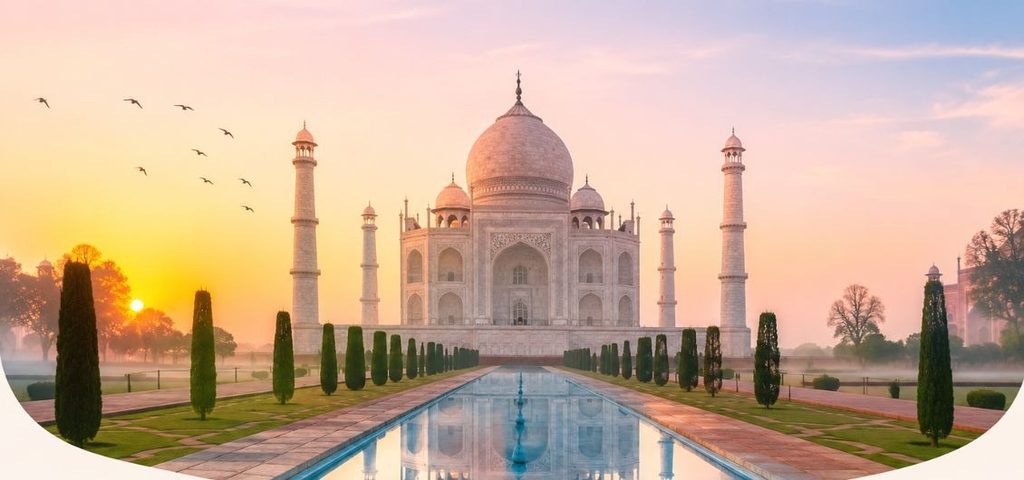
<p>A lot of what makes the Taj Mahal feel so dramatic on approach comes down to deliberate architectural framing rather than accident.</p>
<!-- /wp:paragraph -->
<!-- wp:image {"id":2149,"width":"1200px","aspectRatio":"1.9024390243902438","scale":"cover","sizeSlug":"large","linkDestination":"none"} -->
<figure class="wp-block-image size-large is-resized"><img src="https://www.mytajtour.com/wp-content/uploads/2026/09/image-1-1024x538.jpeg" alt="0 Hidden Wonders and Historic Mysteries of the Taj Mahal
" class="wp-image-2149" style="aspect-ratio:1.9024390243902438;object-fit:cover;width:1200px;height:auto" title="Taj Mahal hidden wonders"/></figure>
<!-- /wp:image -->
<!-- wp:paragraph -->
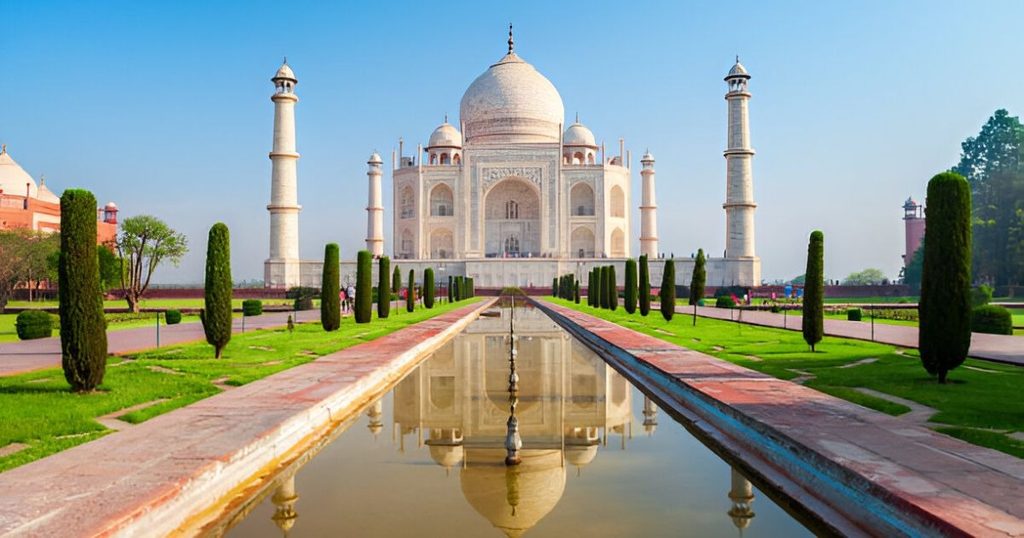
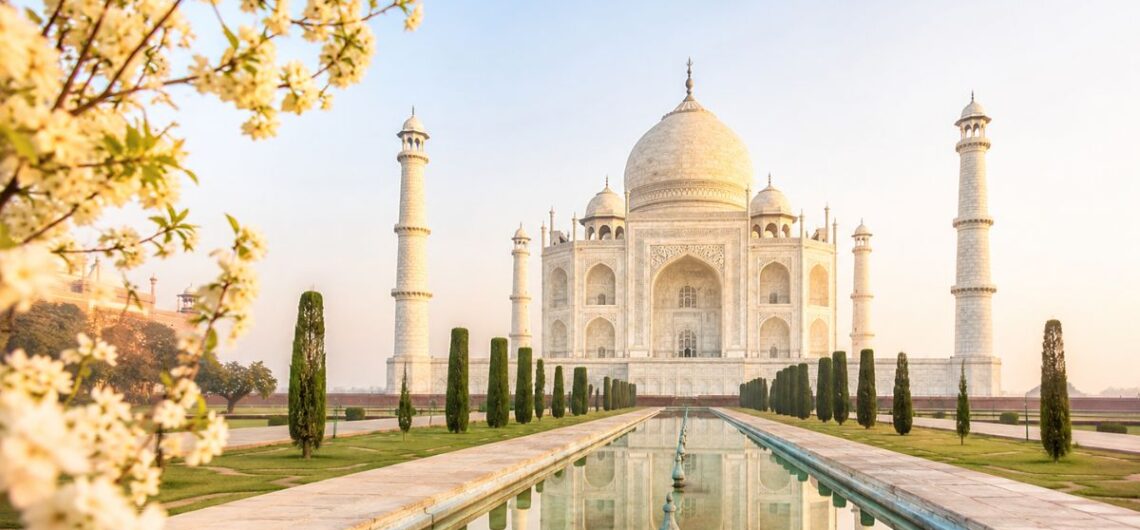
<p>The main gateway frames your first view of the mausoleum, compressing the distance and drawing your eye directly down the long central axis toward the dome. As you walk the length of the garden and reflecting pool, the proportions of the building appear to shift, a calculated effect of the relationship between the garden's geometry, the water, and the mausoleum's placement. None of this is a magic trick; it's careful Mughal design working exactly as intended, using perspective and axis rather than illusion.</p>
<!-- /wp:paragraph -->
<!-- wp:heading {"level":3} -->
<h3 class="wp-block-heading"><strong>6. The Four Minarets Are More Than Decorative Towers</strong></h3>
<!-- /wp:heading -->
<!-- wp:paragraph -->
<p>The four freestanding minarets at each corner of the marble platform do more architectural work than they get credit for. UNESCO's documentation notes that these towers introduced an important dimension to Mughal architectural design, providing spatial reference points and a three-dimensional effect against the dome's rounded mass.</p>
<!-- /wp:paragraph -->
<!-- wp:paragraph -->
<p>Practically, they also frame the mausoleum from every angle, so wherever you're standing in the garden, the building appears anchored rather than floating awkwardly in space. Some accounts note that builders gave the minarets a slight outward lean as a precaution, so they would fall away from the main structure rather than onto it during an earthquake.</p>
<!-- /wp:paragraph -->
<!-- wp:heading {"level":3} -->
<h3 class="wp-block-heading"><strong>7. The Taj Mahal Changes With Light</strong></h3>
<!-- /wp:heading -->
<!-- wp:image {"id":2148,"width":"1200px","aspectRatio":"1.9024390243902438","scale":"cover","sizeSlug":"large","linkDestination":"none"} -->
<figure class="wp-block-image size-large is-resized"><img src="https://www.mytajtour.com/wp-content/uploads/2026/09/image-1024x538.jpeg" alt="0 Hidden Wonders and Historic Mysteries of the Taj Mahal
" class="wp-image-2148" style="aspect-ratio:1.9024390243902438;object-fit:cover;width:1200px;height:auto" title="0 Hidden Wonders and Historic Mysteries of the Taj Mahal"/></figure>
<!-- /wp:image -->
<!-- wp:paragraph -->
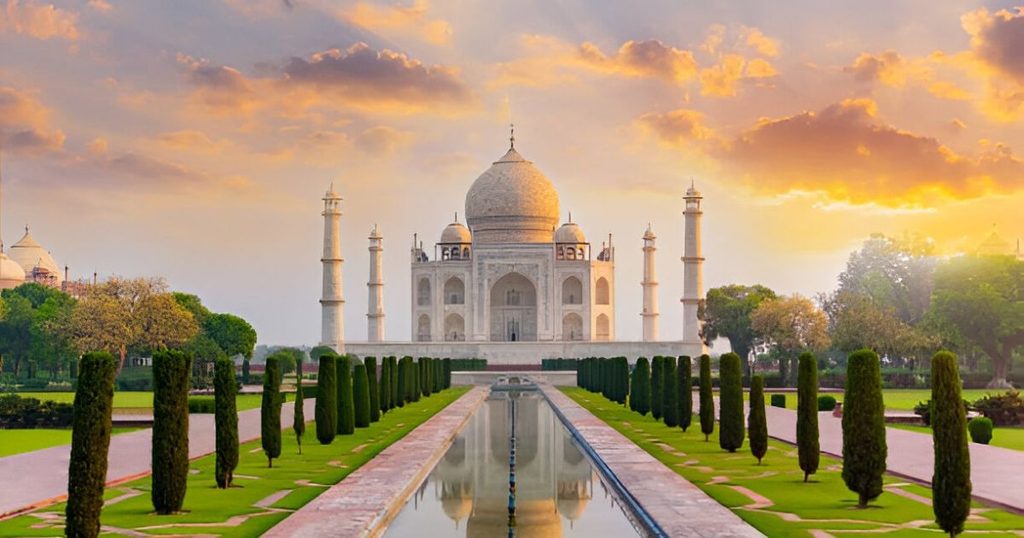
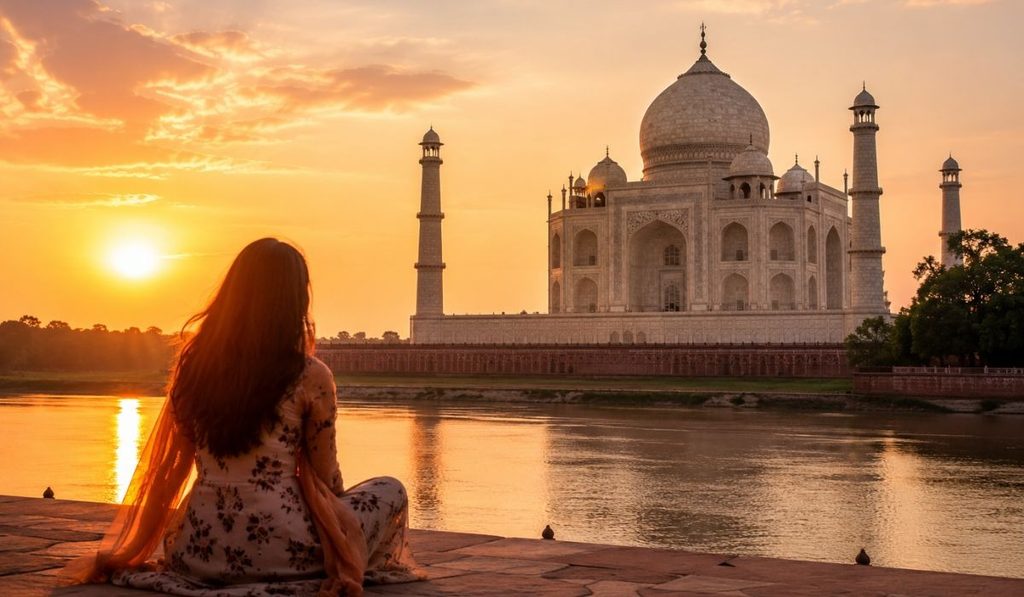
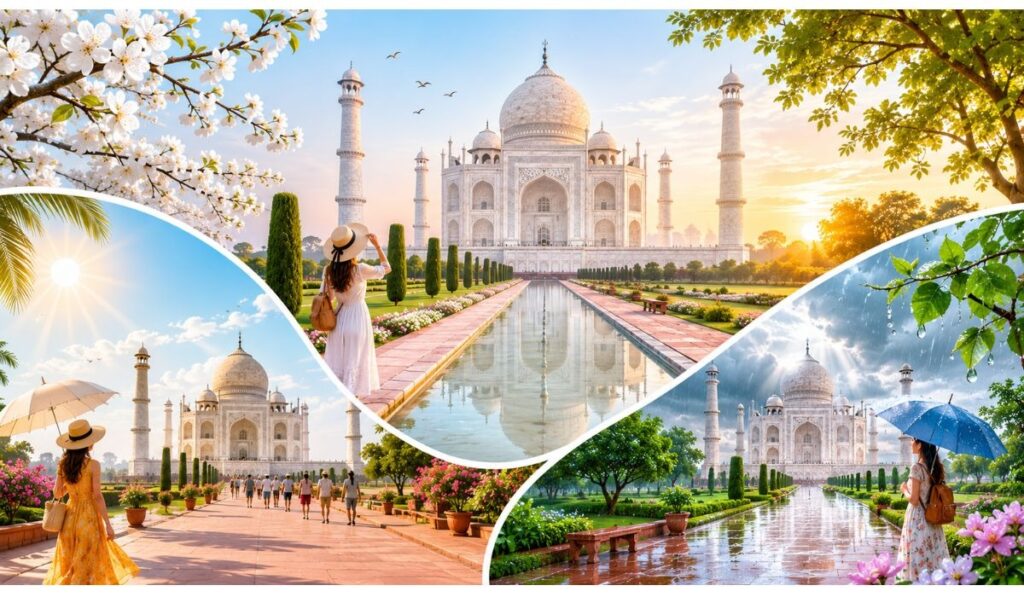
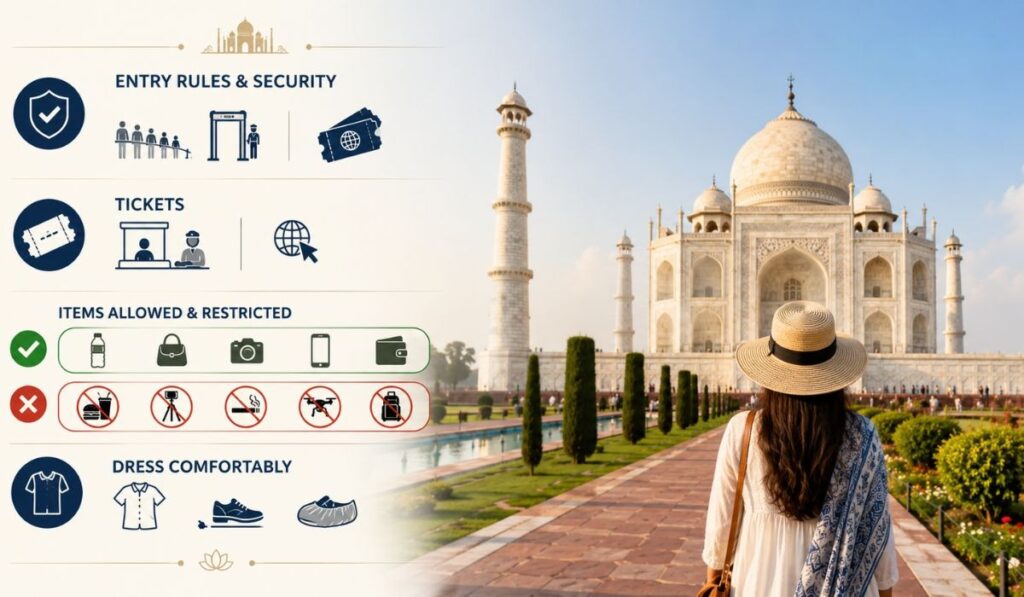
<p>White marble reacts dramatically to changing light. The Taj Mahal can appear different throughout the day. Its appearance also changes with the weather and time of your visit. Early morning light tends to bring out a soft, warm glow; the harsher midday sun flattens the marble into a stark, bright white; late afternoon and sunset bring back warmer tones and longer shadows across the platform and reflecting pool.</p>
<!-- /wp:paragraph -->
<!-- wp:paragraph -->
<p>It's worth being precise here: the marble isn't scientifically changing color, but the interaction between its surface and shifting daylight genuinely alters how it appears to the eye. For travelers interested in observing these changes firsthand, a <a href="https://www.mytajtour.com/tours/taj-mahal-sunrise-tour/">Taj Mahal sunrise visit</a> offers a noticeably different visual experience compared to a midday stop, both in color and in the quality of shadow across the carved surfaces.</p>
<!-- /wp:paragraph -->
<!-- wp:heading {"level":3} -->
<h3 class="wp-block-heading"><strong>8. The Floral Decorations Are Made With More Than Paint</strong></h3>
<!-- /wp:heading -->
<!-- wp:paragraph -->
<p>What looks like painted detail from a distance is often something considerably more labor-intensive: pietra dura, known locally as parchin kari. This technique involves cutting semi-precious stones into precise shapes and inlaying them into the marble to form floral and geometric patterns.</p>
<!-- /wp:paragraph -->
<!-- wp:paragraph -->
<p>Historical and gemological documentation of the site describes materials including lapis lazuli, jade, carnelian, and jasper used throughout this inlay work, some patterns running continuously across multiple stone blocks. This craft tradition didn't end with the monument's completion. Artisan families in Agra’s Taj Ganj neighborhood still practice the same marble-inlay techniques today, creating a living link between the 17th-century project and the craftsmen working just a few streets away.</p>
<!-- /wp:paragraph -->
<!-- wp:heading {"level":3} -->
<h3 class="wp-block-heading"><strong>9. The Taj Mahal's Location Was Part of Its Architectural Story</strong></h3>
<!-- /wp:heading -->
<!-- wp:paragraph -->
<p>One of the Taj Mahal's most interesting design decisions is something you might not notice at first glance: where the tomb sits in relation to its garden.</p>
<!-- /wp:paragraph -->
<!-- wp:paragraph -->
<p>Rather than placing the mausoleum at the exact center of the charbagh garden, as might seem the obvious symmetrical choice, Shah Jahan's planners positioned it at one end, along the riverbank. Heritage documentation attributes this decision to a deliberate design choice, one that added depth and perspective to the view of the monument from across the garden. Positioned this way, the Yamuna River itself becomes part of the composition, offering unobstructed reflections and views that a purely central placement wouldn't have allowed.</p>
<!-- /wp:paragraph -->
<!-- wp:heading {"level":3} -->
<h3 class="wp-block-heading"><strong>10. Some Taj Mahal "Mysteries" Are Actually Legends</strong></h3>
<!-- /wp:heading -->
<!-- wp:paragraph -->
<p>Not everything commonly repeated about the Taj Mahal holds up to scrutiny, and it's worth separating fact from popular storytelling.</p>
<!-- /wp:paragraph -->
<!-- wp:paragraph -->
<p>Documented — supported by historical or official sources: Historical records establish the main mausoleum’s construction dates as 1631–1648. Historical records also confirm the identities of the two people entombed there. Heritage documentation supports the use of <strong>pietra dura</strong> and <strong>jali craftsmanship</strong>.</p>
<!-- /wp:paragraph -->
<!-- wp:paragraph -->
<p><strong>Historically debated</strong> — evidence is incomplete or interpretations differ: Historians have not precisely documented the role of every architect and craftsman. Some attributions therefore remain uncertain. Guidebooks should present them as informed traditions rather than settled facts.</p>
<!-- /wp:paragraph -->
<!-- wp:paragraph -->
<p><strong>Popular legend — widely repeated, but not established as historical fact:</strong> Some stories claim that Shah Jahan planned a “Black Taj Mahal” across the river. Other legends say craftsmen had their hands cut off to prevent them from copying the design. Guidebooks and tour narratives often repeat these stories. However, credible historical evidence does not support these claims.</p>
<!-- /wp:paragraph -->
<!-- wp:heading {"level":3} -->
<h3 class="wp-block-heading"><strong>Why These Hidden Details Change the Way You See the Taj Mahal</strong></h3>
<!-- /wp:heading -->
<!-- wp:paragraph -->
<p>Taken together, these ten points shift the Taj Mahal from "famous building" to something considerably more layered. Its significance does not come from scale alone. It comes from precise architecture and deliberate geometry. Mughal garden planning also plays an important role. So do marble craftsmanship, calligraphy, perspective, and symbolism. These elements work together to create a balanced design. Heritage assessments highlight this harmony, symmetry, and craftsmanship. Together, they support the Taj Mahal's recognition as a masterpiece. No single feature defines its importance.</p>
<!-- /wp:paragraph -->
<!-- wp:heading {"level":3} -->
<h3 class="wp-block-heading"><strong>How to Look for These Details During Your Taj Mahal Visit</strong></h3>
<!-- /wp:heading -->
<!-- wp:paragraph -->
<p><strong>Before entering</strong></p>
<!-- /wp:paragraph -->
<!-- wp:list -->
<ul class="wp-block-list"><!-- wp:list-item -->
<li>Take a moment at the main gateway before walking through</li>
<!-- /wp:list-item -->
<!-- wp:list-item -->
<li>Notice how the structure frames your first view of the mausoleum</li>
<!-- /wp:list-item --></ul>
<!-- /wp:list -->
<!-- wp:paragraph -->
<p><strong>In the garden</strong></p>
<!-- /wp:paragraph -->
<!-- wp:list -->
<ul class="wp-block-list"><!-- wp:list-item -->
<li>Walk the central axis deliberately rather than cutting across</li>
<!-- /wp:list-item -->
<!-- wp:list-item -->
<li>Watch how the reflecting pool and mausoleum relate to each other</li>
<!-- /wp:list-item --></ul>
<!-- /wp:list -->
<!-- wp:paragraph -->
<p><strong>At the mausoleum</strong></p>
<!-- /wp:paragraph -->
<!-- wp:list -->
<ul class="wp-block-list"><!-- wp:list-item -->
<li>Get close enough to actually see the marble inlay, not just photograph it from a distance</li>
<!-- /wp:list-item -->
<!-- wp:list-item -->
<li>Look for the jali screen's carved detail</li>
<!-- /wp:list-item -->
<!-- wp:list-item -->
<li>Notice the minarets and how they're angled</li>
<!-- /wp:list-item -->
<!-- wp:list-item -->
<li>Look up at the calligraphy bordering the entrance</li>
<!-- /wp:list-item --></ul>
<!-- /wp:list -->
<!-- wp:paragraph -->
<p><strong>Inside</strong></p>
<!-- /wp:paragraph -->
<!-- wp:list -->
<ul class="wp-block-list"><!-- wp:list-item -->
<li>Remember that the visible cenotaphs aren't the actual graves</li>
<!-- /wp:list-item -->
<!-- wp:list-item -->
<li>Examine the marble screen surrounding them up close</li>
<!-- /wp:list-item --></ul>
<!-- /wp:list -->
<!-- wp:paragraph -->
<p><strong>Take your time</strong></p>
<!-- /wp:paragraph -->
<!-- wp:list -->
<ul class="wp-block-list"><!-- wp:list-item -->
<li>Don't spend the whole visit photographing the main façade</li>
<!-- /wp:list-item -->
<!-- wp:list-item -->
<li>Set aside time specifically to look at smaller details you'd otherwise walk past</li>
<!-- /wp:list-item --></ul>
<!-- /wp:list -->
<!-- wp:heading -->
<h2 class="wp-block-heading">Frequently Asked Questions</h2>
<!-- /wp:heading -->
<!-- wp:heading {"level":3} -->
<h3 class="wp-block-heading">What is the biggest mystery about the Taj Mahal?</h3>
<!-- /wp:heading -->
<!-- wp:paragraph -->
<p>Popular culture often mentions the <strong>“</strong>Black Taj Mahal” legend. However, historians focus on more documented details. One example is the deliberate asymmetry created by Shah Jahan’s cenotaph. Another is the difference between the visible cenotaphs and the actual graves below. These details offer a more historically grounded view of the Taj Mahal.</p>
<!-- /wp:paragraph -->
<!-- wp:heading {"level":3} -->
<h3 class="wp-block-heading">Are the graves inside the Taj Mahal real?</h3>
<!-- /wp:heading -->
<!-- wp:paragraph -->
<p>The ornate structures visitors see inside the main chamber are cenotaphs, symbolic markers rather than actual graves. The real burial chambers are located in a lower crypt, generally closed to general public access.</p>
<!-- /wp:paragraph -->
<!-- wp:heading {"level":3} -->
<h3 class="wp-block-heading">Why is Shah Jahan's cenotaph not perfectly symmetrical with Mumtaz Mahal's?</h3>
<!-- /wp:heading -->
<!-- wp:paragraph -->
<p>Mumtaz Mahal's cenotaph occupies the planned central position under the dome. Shah Jahan’s cenotaph was added after his death. It was placed beside Mumtaz Mahal’s cenotaph. This created the only deliberate break in the complex’s otherwise strict symmetry.</p>
<!-- /wp:paragraph -->
<!-- wp:heading {"level":3} -->
<h3 class="wp-block-heading">What is hidden inside the Taj Mahal?</h3>
<!-- /wp:heading -->
<!-- wp:paragraph -->
<p>Beyond the symbolic cenotaphs, the main chamber houses an intricately carved marble jali screen and inlaid calligraphy. The actual graves sit in a separate crypt beneath the visible chamber.</p>
<!-- /wp:paragraph -->
<!-- wp:heading {"level":3} -->
<h3 class="wp-block-heading">Why does the Taj Mahal appear different in different light?</h3>
<!-- /wp:heading -->
<!-- wp:paragraph -->
<p>White marble reacts strongly to changing daylight, appearing warmer at sunrise and sunset and starker under direct midday sun. The material isn't changing color scientifically, but the visual effect of shifting light is genuinely noticeable.</p>
<!-- /wp:paragraph -->
<!-- wp:heading {"level":3} -->
<h3 class="wp-block-heading">What is Pietra Dura in the Taj Mahal?</h3>
<!-- /wp:heading -->
<!-- wp:paragraph -->
<p>Pietra dura, or parchin kari, is a stone-inlay technique using cut semi-precious stones such as lapis lazuli, jade, and carnelian set into marble to form floral and geometric patterns. The technique is still practiced by artisans in Agra today.</p>
<!-- /wp:paragraph -->
<!-- wp:heading {"level":3} -->
<h3 class="wp-block-heading">What are some Taj Mahal legends that historians question?</h3>
<!-- /wp:heading -->
<!-- wp:paragraph -->
<p> Stories about a planned "Black Taj Mahal," craftsmen having their hands cut off, and hidden secret rooms are widely repeated but not supported by credible historical evidence. They're best treated as folklore rather than documented history.</p>
<!-- /wp:paragraph -->
<!-- wp:heading -->
<h2 class="wp-block-heading">Planning a Taj Mahal Visit?</h2>
<!-- /wp:heading -->
<!-- wp:paragraph -->
<p>If these details have you rethinking a quick photo-stop visit, it's worth planning enough time to actually look for them.A <a href="https://www.mytajtour.com/tours/taj-mahal-tour-by-car/">private Taj Mahal tour by car</a> gives you more flexibility. You can spend time at the gateway, garden, and jali screen without following a fixed schedule.</p>
<!-- /wp:paragraph -->
<!-- wp:paragraph -->
<p>You can also choose an <a href="https://www.mytajtour.com/tours/overnight-taj-mahal-tour/">overnight Agra tour</a> if you prefer a two-day visit. This gives you time to see the Taj Mahal at both sunset and sunrise. You can enjoy the experience without feeling rushed.</p>
<!-- /wp:paragraph -->
<!-- wp:paragraph -->
<p>However you plan your visit, the goal remains the same. Spend less time photographing the famous front view. Take more time to notice the details built into the walls around you.</p>
<!-- /wp:paragraph -->
<!-- wp:paragraph -->
<p></p>
<!-- /wp:paragraph -->
You may have seen thousands of photographs of the Taj Mahal, but how much of the monument have you actually noticed?
Behind its famous white marble façade are carefully planned perspectives, symbolic architecture, intricate stone inlay, hidden burial chambers, delicate jali screens, and historical details that are easy to miss during a quick visit. The Taj Mahal is a 17th-century Mughal mausoleum commissioned by Emperor Shah Jahan for his wife, Mumtaz Mahal. UNESCO records the main mausoleum’s construction between 1631 and 1648, with the surrounding buildings and gardens completed a few years later.
Some stories surrounding the Taj Mahal are well documented. Others are legends that have been repeated for generations without much evidence behind them. This piece separates the two, walking through 10 details worth looking for, whether you’re planning a visit or simply curious about what the postcard shot leaves out. If you do want to see these details in person, working them into a proper Taj Mahal tour gives you enough time to look past the central dome and into the specifics.
1. The Taj Mahal Is More Than One Building
Most photographs show a single white dome, but that’s only the centerpiece of a much larger complex. The full site includes the main mausoleum, a grand entrance gateway, a mosque, a matching guest house (built purely for architectural symmetry), a charbagh-style garden divided into quadrants, and several connecting courtyards.
The Taj Mahal’s official heritage documentation describes it as an integrated complex rather than a single structure, with the principal mausoleum finished in 1648 and the surrounding buildings and gardens completed in the years that followed. Understanding this changes how you experience a visit. The gateway, the garden, and the mosque are part of the story, not just scenery on the way to the main event.
2. The Famous Symmetry Has One Fascinating Exception
The Taj Mahal looks almost perfectly symmetrical from the outside. Step inside, however, and one historical event quietly changes that balance.
Every element of the complex—the garden quadrants, flanking mosque and guest house, and four minarets—follows strict bilateral symmetry. Mumtaz Mahal’s cenotaph sits at the exact center of the main chamber, precisely where the original design intended it. Shah Jahan’s cenotaph, however, breaks this otherwise meticulously balanced design. Historical accounts say that builders added it later and placed it beside hers rather than in a mirrored, symmetrical position because they buried Shah Jahan there after his death.
3. The Graves You See Are Not the Actual Graves
Here’s a detail that surprises a lot of visitors: the ornate marble structures inside the main chamber aren’t the actual graves.
Did you know? The decorative marble cenotaphs visitors see and photograph inside the central chamber are symbolic markers. According to UNESCO’s documentation of the site, the actual burial chambers containing Mumtaz Mahal and Shah Jahan sit in a quieter, plainer crypt below, largely closed to general visitors. What you’re looking at upstairs is a ceremonial representation, not the final resting place itself.
4. The Marble Jali Is a Masterpiece Hidden in Plain Sight
Surrounding the cenotaphs is an octagonal marble lattice screen, carved directly from single slabs of marble rather than assembled from separate pieces. UNESCO’s technical documentation describes this jali screen as exceptionally crafted and richly decorated with inlay work along its borders.
Because the Taj Mahal’s scale is so overwhelming, this screen is easy to walk past without really examining it. Up close, the hand-carved geometric patterns let light filter through in shifting patterns, changing subtly as the sun moves outside. It’s one of the more labor-intensive elements of the entire monument, and also one of the most overlooked.
5. The Taj Mahal Uses Optical and Perspective Tricks
A lot of what makes the Taj Mahal feel so dramatic on approach comes down to deliberate architectural framing rather than accident.
The main gateway frames your first view of the mausoleum, compressing the distance and drawing your eye directly down the long central axis toward the dome. As you walk the length of the garden and reflecting pool, the proportions of the building appear to shift, a calculated effect of the relationship between the garden’s geometry, the water, and the mausoleum’s placement. None of this is a magic trick; it’s careful Mughal design working exactly as intended, using perspective and axis rather than illusion.
6. The Four Minarets Are More Than Decorative Towers
The four freestanding minarets at each corner of the marble platform do more architectural work than they get credit for. UNESCO’s documentation notes that these towers introduced an important dimension to Mughal architectural design, providing spatial reference points and a three-dimensional effect against the dome’s rounded mass.
Practically, they also frame the mausoleum from every angle, so wherever you’re standing in the garden, the building appears anchored rather than floating awkwardly in space. Some accounts note that builders gave the minarets a slight outward lean as a precaution, so they would fall away from the main structure rather than onto it during an earthquake.
7. The Taj Mahal Changes With Light
White marble reacts dramatically to changing light. The Taj Mahal can appear different throughout the day. Its appearance also changes with the weather and time of your visit. Early morning light tends to bring out a soft, warm glow; the harsher midday sun flattens the marble into a stark, bright white; late afternoon and sunset bring back warmer tones and longer shadows across the platform and reflecting pool.
It’s worth being precise here: the marble isn’t scientifically changing color, but the interaction between its surface and shifting daylight genuinely alters how it appears to the eye. For travelers interested in observing these changes firsthand, a Taj Mahal sunrise visit offers a noticeably different visual experience compared to a midday stop, both in color and in the quality of shadow across the carved surfaces.
8. The Floral Decorations Are Made With More Than Paint
What looks like painted detail from a distance is often something considerably more labor-intensive: pietra dura, known locally as parchin kari. This technique involves cutting semi-precious stones into precise shapes and inlaying them into the marble to form floral and geometric patterns.
Historical and gemological documentation of the site describes materials including lapis lazuli, jade, carnelian, and jasper used throughout this inlay work, some patterns running continuously across multiple stone blocks. This craft tradition didn’t end with the monument’s completion. Artisan families in Agra’s Taj Ganj neighborhood still practice the same marble-inlay techniques today, creating a living link between the 17th-century project and the craftsmen working just a few streets away.
9. The Taj Mahal’s Location Was Part of Its Architectural Story
One of the Taj Mahal’s most interesting design decisions is something you might not notice at first glance: where the tomb sits in relation to its garden.
Rather than placing the mausoleum at the exact center of the charbagh garden, as might seem the obvious symmetrical choice, Shah Jahan’s planners positioned it at one end, along the riverbank. Heritage documentation attributes this decision to a deliberate design choice, one that added depth and perspective to the view of the monument from across the garden. Positioned this way, the Yamuna River itself becomes part of the composition, offering unobstructed reflections and views that a purely central placement wouldn’t have allowed.
10. Some Taj Mahal “Mysteries” Are Actually Legends
Not everything commonly repeated about the Taj Mahal holds up to scrutiny, and it’s worth separating fact from popular storytelling.
Documented — supported by historical or official sources: Historical records establish the main mausoleum’s construction dates as 1631–1648. Historical records also confirm the identities of the two people entombed there. Heritage documentation supports the use of pietra dura and jali craftsmanship.
Historically debated — evidence is incomplete or interpretations differ: Historians have not precisely documented the role of every architect and craftsman. Some attributions therefore remain uncertain. Guidebooks should present them as informed traditions rather than settled facts.
Popular legend — widely repeated, but not established as historical fact: Some stories claim that Shah Jahan planned a “Black Taj Mahal” across the river. Other legends say craftsmen had their hands cut off to prevent them from copying the design. Guidebooks and tour narratives often repeat these stories. However, credible historical evidence does not support these claims.
Why These Hidden Details Change the Way You See the Taj Mahal
Taken together, these ten points shift the Taj Mahal from “famous building” to something considerably more layered. Its significance does not come from scale alone. It comes from precise architecture and deliberate geometry. Mughal garden planning also plays an important role. So do marble craftsmanship, calligraphy, perspective, and symbolism. These elements work together to create a balanced design. Heritage assessments highlight this harmony, symmetry, and craftsmanship. Together, they support the Taj Mahal’s recognition as a masterpiece. No single feature defines its importance.
How to Look for These Details During Your Taj Mahal Visit
Before entering
Take a moment at the main gateway before walking through
Notice how the structure frames your first view of the mausoleum
In the garden
Walk the central axis deliberately rather than cutting across
Watch how the reflecting pool and mausoleum relate to each other
At the mausoleum
Get close enough to actually see the marble inlay, not just photograph it from a distance
Look for the jali screen’s carved detail
Notice the minarets and how they’re angled
Look up at the calligraphy bordering the entrance
Inside
Remember that the visible cenotaphs aren’t the actual graves
Examine the marble screen surrounding them up close
Take your time
Don’t spend the whole visit photographing the main façade
Set aside time specifically to look at smaller details you’d otherwise walk past
Frequently Asked Questions
What is the biggest mystery about the Taj Mahal?
Popular culture often mentions the “Black Taj Mahal” legend. However, historians focus on more documented details. One example is the deliberate asymmetry created by Shah Jahan’s cenotaph. Another is the difference between the visible cenotaphs and the actual graves below. These details offer a more historically grounded view of the Taj Mahal.
Are the graves inside the Taj Mahal real?
The ornate structures visitors see inside the main chamber are cenotaphs, symbolic markers rather than actual graves. The real burial chambers are located in a lower crypt, generally closed to general public access.
Why is Shah Jahan’s cenotaph not perfectly symmetrical with Mumtaz Mahal’s?
Mumtaz Mahal’s cenotaph occupies the planned central position under the dome. Shah Jahan’s cenotaph was added after his death. It was placed beside Mumtaz Mahal’s cenotaph. This created the only deliberate break in the complex’s otherwise strict symmetry.
What is hidden inside the Taj Mahal?
Beyond the symbolic cenotaphs, the main chamber houses an intricately carved marble jali screen and inlaid calligraphy. The actual graves sit in a separate crypt beneath the visible chamber.
Why does the Taj Mahal appear different in different light?
White marble reacts strongly to changing daylight, appearing warmer at sunrise and sunset and starker under direct midday sun. The material isn’t changing color scientifically, but the visual effect of shifting light is genuinely noticeable.
What is Pietra Dura in the Taj Mahal?
Pietra dura, or parchin kari, is a stone-inlay technique using cut semi-precious stones such as lapis lazuli, jade, and carnelian set into marble to form floral and geometric patterns. The technique is still practiced by artisans in Agra today.
What are some Taj Mahal legends that historians question?
Stories about a planned “Black Taj Mahal,” craftsmen having their hands cut off, and hidden secret rooms are widely repeated but not supported by credible historical evidence. They’re best treated as folklore rather than documented history.
Planning a Taj Mahal Visit?
If these details have you rethinking a quick photo-stop visit, it’s worth planning enough time to actually look for them.A private Taj Mahal tour by car gives you more flexibility. You can spend time at the gateway, garden, and jali screen without following a fixed schedule.
You can also choose an overnight Agra tour if you prefer a two-day visit. This gives you time to see the Taj Mahal at both sunset and sunrise. You can enjoy the experience without feeling rushed.
However you plan your visit, the goal remains the same. Spend less time photographing the famous front view. Take more time to notice the details built into the walls around you.
<!-- wp:paragraph -->
<p>The Taj Mahal rarely looks the same twice. Its white marble changes beautifully with the light, taking on soft pink and golden hues at sunrise and warmer amber tones as the sun begins to set. This natural transformation often leaves travelers wondering about the Taj Mahal Sunrise vs Sunset experience and which time is better for planning their Agra trip.</p>
<!-- /wp:paragraph -->
<!-- wp:paragraph -->
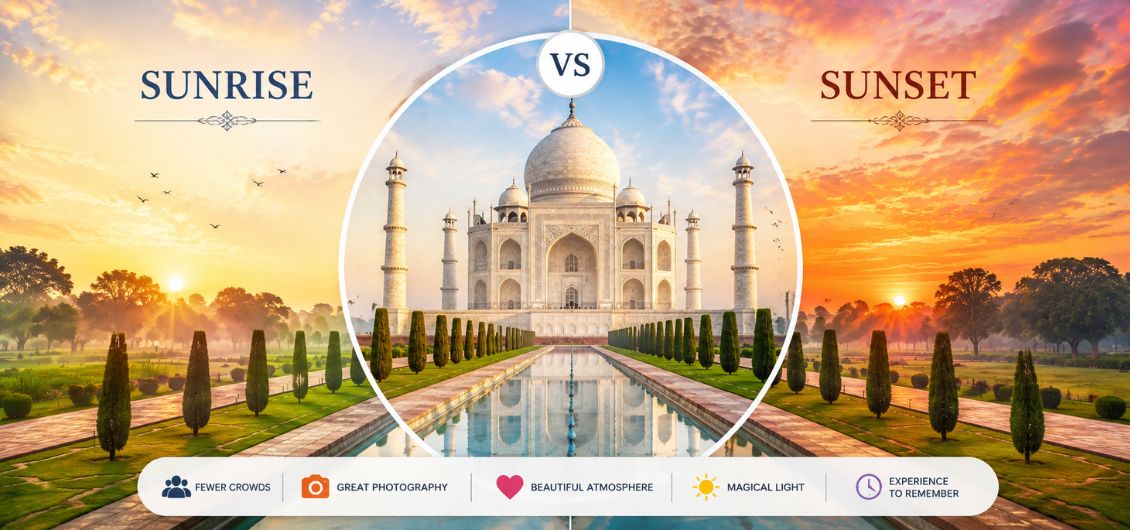
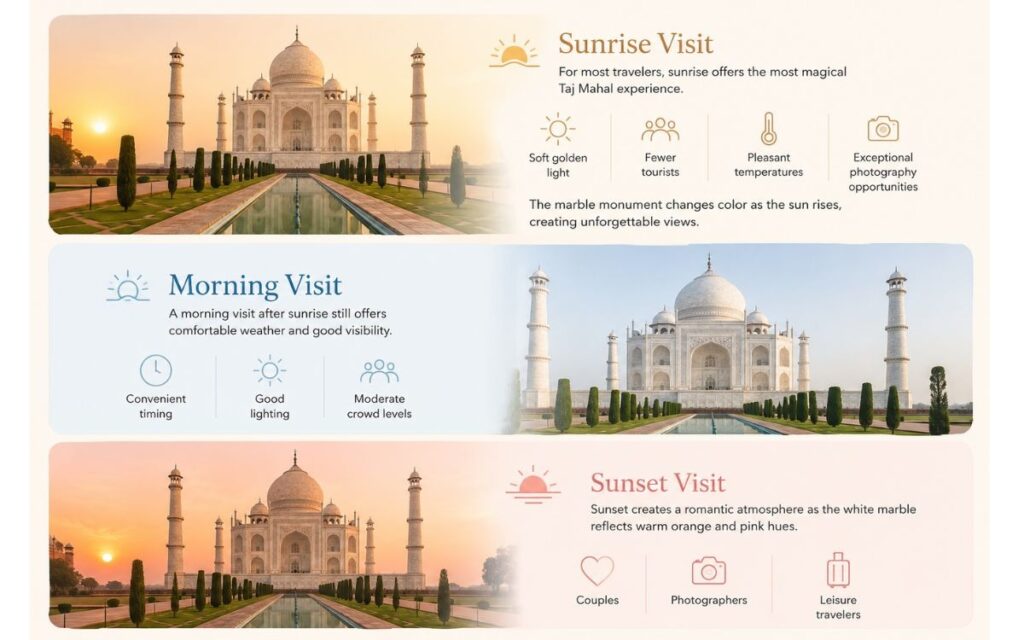
<p>The honest answer depends on what you're after. Sunrise generally means fewer crowds, cooler air, a peaceful atmosphere and excellent photography conditions. Sunset brings warmer light, a more relaxed pace and a romantic mood that many couples enjoy. And if you don't want to choose at all, an overnight stay in Agra lets you experience both. Let's break down how they actually compare.</p>
<!-- /wp:paragraph -->
<!-- wp:heading -->
<h2 class="wp-block-heading"><strong>Taj Mahal Sunrise vs Sunset at a Glance</strong></h2>
<!-- /wp:heading -->
<!-- wp:table -->
<figure class="wp-block-table"><table class="has-fixed-layout"><tbody><tr><td><strong>Factor</strong></td><td><strong>Sunrise</strong></td><td><strong>Sunset</strong></td></tr><tr><td>Crowds</td><td>Usually lower</td><td>Usually higher</td></tr><tr><td>Temperature</td><td>Cooler</td><td>Warmer, depending on season</td></tr><tr><td>Lighting</td><td>Soft morning light</td><td>Warm evening light</td></tr><tr><td>Photography</td><td>Excellent</td><td>Excellent</td></tr><tr><td>Atmosphere</td><td>Quiet and peaceful</td><td>Romantic and lively</td></tr><tr><td>Best for</td><td>Photographers, first-time visitors</td><td>Couples, leisure travelers</td></tr><tr><td>Travel from Delhi</td><td>Requires a very early departure</td><td>Easier departure time</td></tr><tr><td>Overall experience</td><td>Peaceful and immersive</td><td>Warm and atmospheric</td></tr></tbody></table></figure>
<!-- /wp:table -->
<!-- wp:heading -->
<h2 class="wp-block-heading"><strong>Visiting the Taj Mahal at Sunrise</strong></h2>
<!-- /wp:heading -->
<!-- wp:image {"id":2135,"aspectRatio":"2.1296928327645053","scale":"cover","sizeSlug":"large","linkDestination":"none"} -->
<figure class="wp-block-image size-large"><img src="https://www.mytajtour.com/wp-content/uploads/2026/08/image-3-1024x480.jpeg" alt="Visiting the Taj Mahal at Sunset" class="wp-image-2135" style="aspect-ratio:2.1296928327645053;object-fit:cover" title="Visiting the Taj Mahal at Sunset"/></figure>
<!-- /wp:image -->
<!-- wp:heading {"level":3} -->
<h3 class="wp-block-heading"><strong>Fewer Crowds and a Quieter Atmosphere</strong></h3>
<!-- /wp:heading -->
<!-- wp:paragraph -->
<p>The gates open early, and in those first hours the complex is noticeably calmer. With fewer tour groups moving through the grounds, you get more room to walk, pause and actually take in the monument rather than navigate around other visitors.</p>
<!-- /wp:paragraph -->
<!-- wp:heading {"level":3} -->
<h3 class="wp-block-heading"><strong>Cooler Temperatures</strong></h3>
<!-- /wp:heading -->
<!-- wp:paragraph -->
<p>Agra can get hot, especially from late spring through summer. Arriving at sunrise means walking the grounds while temperatures are still comfortable, which makes for a far more pleasant visit than exploring the same space at midday.</p>
<!-- /wp:paragraph -->
<!-- wp:heading {"level":3} -->
<h3 class="wp-block-heading"><strong>Beautiful Morning Light</strong></h3>
<!-- /wp:heading -->
<!-- wp:paragraph -->
<p>As the sun rises, the white marble takes on soft pink and golden hues before settling into its familiar bright white. This gradual shift is one of the reasons early visitors often describe the Taj Mahal as looking different from how it appears in typical daytime photos.</p>
<!-- /wp:paragraph -->
<!-- wp:heading {"level":3} -->
<h3 class="wp-block-heading"><strong>Better Photography Opportunities</strong></h3>
<!-- /wp:heading -->
<!-- wp:paragraph -->
<p>Sunrise tends to be the stronger choice for photography, for a few reasons:</p>
<!-- /wp:paragraph -->
<!-- wp:list -->
<ul class="wp-block-list"><!-- wp:list-item -->
<li>Soft, diffused natural light with fewer harsh shadows</li>
<!-- /wp:list-item -->
<!-- wp:list-item -->
<li>Noticeably fewer people in the frame</li>
<!-- /wp:list-item -->
<!-- wp:list-item -->
<li>Calmer reflections in the water channel leading up to the monument</li>
<!-- /wp:list-item -->
<!-- wp:list-item -->
<li>A marble surface that visibly changes tone as daylight increases</li>
<!-- /wp:list-item -->
<!-- wp:list-item -->
<li>Favorable conditions for both portraits and architectural shots</li>
<!-- /wp:list-item --></ul>
<!-- /wp:list -->
<!-- wp:heading {"level":3} -->
<h3 class="wp-block-heading"><strong>The Main Disadvantage of Sunrise</strong></h3>
<!-- /wp:heading -->
<!-- wp:paragraph -->
<p>Sunrise isn't without trade-offs. Travelers coming from Delhi need to leave very early, often well before dawn, and that early wake-up isn't for everyone. In winter, morning fog can occasionally reduce visibility. Exact sunrise timing also shifts with the season, so it's worth checking current timings before you plan your morning.</p>
<!-- /wp:paragraph -->
<!-- wp:paragraph -->
<p>For travelers who want the dawn experience without figuring out the logistics themselves, a dedicated <a href="https://www.mytajtour.com/tours/taj-mahal-sunrise-tour/">Taj Mahal Sunrise Tour</a> is built specifically around an early departure from Delhi that gets you to the complex as it opens.</p>
<!-- /wp:paragraph -->
<!-- wp:heading -->
<h2 class="wp-block-heading"><strong>Visiting the Taj Mahal at Sunset</strong></h2>
<!-- /wp:heading -->
<!-- wp:paragraph -->
<p>Sunset shouldn't be thought of as the "backup" option — it offers a genuinely different experience with its own appeal.</p>
<!-- /wp:paragraph -->
<!-- wp:image {"id":2136,"aspectRatio":"1.7142857142857142","scale":"cover","sizeSlug":"large","linkDestination":"none"} -->
<figure class="wp-block-image size-large"><img src="https://www.mytajtour.com/wp-content/uploads/2026/08/image-4-1024x597.jpeg" alt="Visiting the Taj Mahal at Sunset" class="wp-image-2136" style="aspect-ratio:1.7142857142857142;object-fit:cover" title="Visiting the Taj Mahal at Sunset"/></figure>
<!-- /wp:image -->
<!-- wp:heading {"level":3} -->
<h3 class="wp-block-heading"><strong>Warm and Romantic Lighting</strong></h3>
<!-- /wp:heading -->
<!-- wp:paragraph -->
<p>In the late afternoon and early evening, the light turns warmer, casting orange and amber tones across the marble. The monument takes on a softer, more golden appearance that contrasts with the crisp white look of midday.</p>
<!-- /wp:paragraph -->
<!-- wp:heading {"level":3} -->
<h3 class="wp-block-heading"><strong>Why Couples May Prefer Sunset</strong></h3>
<!-- /wp:heading -->
<!-- wp:paragraph -->
<p>The slower pace of an evening visit, combined with warm light and a more relaxed schedule, tends to appeal to couples who aren't necessarily chasing the quietest possible crowd levels. It's a more leisurely way to experience the monument.</p>
<!-- /wp:paragraph -->
<!-- wp:heading {"level":3} -->
<h3 class="wp-block-heading"><strong>Sunset Photography</strong></h3>
<!-- /wp:heading -->
<!-- wp:paragraph -->
<p>Sunset photography leans into a different mood:</p>
<!-- /wp:paragraph -->
<!-- wp:list -->
<ul class="wp-block-list"><!-- wp:list-item -->
<li>Warm, golden tones across the marble</li>
<!-- /wp:list-item -->
<!-- wp:list-item -->
<li>Longer, more dramatic shadows</li>
<!-- /wp:list-item -->
<!-- wp:list-item -->
<li>Strong opportunities for silhouettes against the sky</li>
<!-- /wp:list-item -->
<!-- wp:list-item -->
<li>Reflections that pick up the evening color</li>
<!-- /wp:list-item -->
<!-- wp:list-item -->
<li>Architectural details that stand out under angled light</li>
<!-- /wp:list-item --></ul>
<!-- /wp:list -->
<!-- wp:heading {"level":3} -->
<h3 class="wp-block-heading"><strong>The Main Disadvantages of Sunset</strong></h3>
<!-- /wp:heading -->
<!-- wp:paragraph -->
<p>Sunset visits generally see more visitors than sunrise, since it's an easier time for most people to reach. Temperatures can still be warm depending on the season, and if you're on a tight same-day itinerary from Delhi, an evening visit leaves less flexibility for your return journey. As with sunrise, exact sunset timing changes throughout the year.</p>
<!-- /wp:paragraph -->
<!-- wp:heading -->
<h2 class="wp-block-heading"><strong>Sunrise vs Sunset for Photography</strong></h2>
<!-- /wp:heading -->
<!-- wp:paragraph -->
<p>Photography is often the deciding factor for travelers researching this topic, so it's worth comparing directly.</p>
<!-- /wp:paragraph -->
<!-- wp:paragraph -->
<p><strong>Sunrise photography</strong> tends to offer soft light, cooler tones, occasional morning mist, and far fewer people working their way into your shots — all of which make for a quieter, more atmospheric set of images.</p>
<!-- /wp:paragraph -->
<!-- wp:paragraph -->
<p><strong>Sunset photography</strong> brings warm, golden hues, dramatic shadows, a more romantic overall feel, and strong conditions for silhouette shots against the sky.</p>
<!-- /wp:paragraph -->
<!-- wp:paragraph -->
<p>For fewer distractions and a peaceful photographic experience, sunrise is generally the stronger choice. For warm, dramatic and romantic images, sunset can be equally appealing. Neither produces universally "better" photos — it comes down to the style you're going for.</p>
<!-- /wp:paragraph -->
<!-- wp:heading -->
<h2 class="wp-block-heading"><strong>Sunrise vs Sunset for Couples</strong></h2>
<!-- /wp:heading -->
<!-- wp:paragraph -->
<p>If you're planning this as a couple, both options have something to offer. Sunrise suits couples who value quiet surroundings and want the complex largely to themselves for photos. Sunset appeals to couples looking for warmer light and a more unhurried evening experience.</p>
<!-- /wp:paragraph -->
<!-- wp:paragraph -->
<p>If you'd rather not choose, staying overnight in Agra means you don't have to. The <a href="https://www.mytajtour.com/tours/overnight-taj-mahal-tour/">Overnight Taj Mahal Tour</a> is built around exactly this — a sunset visit followed by a sunrise visit the next morning, so you can compare the monument under both kinds of light without rushing.</p>
<!-- /wp:paragraph -->
<!-- wp:heading -->
<h2 class="wp-block-heading"><strong>Sunrise vs Sunset for Travelers Coming From Delhi</strong></h2>
<!-- /wp:heading -->
<!-- wp:paragraph -->
<p>The time of day you choose has a real effect on how your day trip from Delhi actually plays out.</p>
<!-- /wp:paragraph -->
<!-- wp:paragraph -->
<p><strong>Sunrise from Delhi</strong> means a very early pickup and a highway journey before dawn, so you arrive around opening time. The upside is that it leaves you with more of the day free for additional Agra sightseeing once the visit is done.</p>
<!-- /wp:paragraph -->
<!-- wp:paragraph -->
<p><strong>Sunset from Delhi</strong> allows for a far more conventional departure time and a less demanding morning. The trade-off is that you'll want to plan your return transportation carefully, since you'll be heading back to Delhi after dark. If a private vehicle matters to your comfort on either route, a <a href="https://www.mytajtour.com/tours/taj-mahal-tour-by-car/">Taj Mahal Tour by Car</a> offers more flexibility over pickup times and the pace of the day than a fixed group departure.</p>
<!-- /wp:paragraph -->
<!-- wp:paragraph -->
<p>Exact travel times will vary depending on traffic and the specific tour you book, so it's worth confirming these details directly rather than assuming a fixed schedule.</p>
<!-- /wp:paragraph -->
<!-- wp:heading -->
<h2 class="wp-block-heading"><strong>Which Is Better in Different Seasons?</strong></h2>
<!-- /wp:heading -->
<!-- wp:paragraph -->
<p><strong>Winter</strong> brings pleasant daytime temperatures, but mornings can occasionally bring dense fog that affects sunrise visibility.</p>
<!-- /wp:paragraph -->
<!-- wp:paragraph -->
<p><strong>Summer</strong> makes sunrise the more comfortable option, since midday and afternoon heat can be intense.</p>
<!-- /wp:paragraph -->
<!-- wp:paragraph -->
<p><strong>Monsoon season</strong> often brings cloudy skies, which can create dramatic, moody photography, though conditions can change quickly.</p>
<!-- /wp:paragraph -->
<!-- wp:paragraph -->
<p><strong>Autumn</strong> generally offers comfortable sightseeing weather for both sunrise and sunset visits.</p>
<!-- /wp:paragraph -->
<!-- wp:paragraph -->
<p>For a deeper look at how weather and timing shift throughout the year, the <a href="https://www.mytajtour.com/blog/best-time-to-visit-taj-mahal/">best time to visit the Taj Mahal</a> covers seasonal planning in more detail.</p>
<!-- /wp:paragraph -->
<!-- wp:heading -->
<h2 class="wp-block-heading"><strong>Is Sunrise Really Better Than Sunset at the Taj Mahal?</strong></h2>
<!-- /wp:heading -->
<!-- wp:paragraph -->
<p>For most first-time visitors, sunrise is the better choice if the priority is fewer crowds, cooler conditions, peaceful surroundings and photography.</p>
<!-- /wp:paragraph -->
<!-- wp:paragraph -->
<p>That said, sunset may be preferable if you're traveling as a couple, you'd rather avoid a very early morning, you're already staying in Agra, or you simply prefer warm evening light over soft morning tones. Neither is objectively "correct" — it comes down to which experience matches your priorities.</p>
<!-- /wp:paragraph -->
<!-- wp:heading -->
<h2 class="wp-block-heading"><strong>What If You Want to Experience Both?</strong></h2>
<!-- /wp:heading -->
<!-- wp:paragraph -->
<p>If choosing between sunrise and sunset feels impossible, staying overnight in Agra gives you the opportunity to experience both lighting conditions without rushing through a same-day itinerary. The <a href="https://www.mytajtour.com/tours/overnight-taj-mahal-tour/">Overnight Taj Mahal Tour</a> is designed around exactly this, pairing an evening visit with a following sunrise so you see the monument transform between the two.</p>
<!-- /wp:paragraph -->
<!-- wp:heading -->
<h2 class="wp-block-heading"><strong>Tips for Choosing Between Sunrise and Sunset</strong></h2>
<!-- /wp:heading -->
<!-- wp:paragraph -->
<p><strong>Choose sunrise if you:</strong></p>
<!-- /wp:paragraph -->
<!-- wp:list -->
<ul class="wp-block-list"><!-- wp:list-item -->
<li>Want fewer crowds</li>
<!-- /wp:list-item -->
<!-- wp:list-item -->
<li>Prefer cooler temperatures</li>
<!-- /wp:list-item -->
<!-- wp:list-item -->
<li>Love photography</li>
<!-- /wp:list-item -->
<!-- wp:list-item -->
<li>Want a peaceful atmosphere</li>
<!-- /wp:list-item -->
<!-- wp:list-item -->
<li>Are comfortable waking very early</li>
<!-- /wp:list-item -->
<!-- wp:list-item -->
<li>Are visiting the Taj Mahal for the first time</li>
<!-- /wp:list-item --></ul>
<!-- /wp:list -->
<!-- wp:paragraph -->
<p><strong>Choose sunset if you:</strong></p>
<!-- /wp:paragraph -->
<!-- wp:list -->
<ul class="wp-block-list"><!-- wp:list-item -->
<li>Prefer a relaxed morning</li>
<!-- /wp:list-item -->
<!-- wp:list-item -->
<li>Want warm evening light</li>
<!-- /wp:list-item -->
<!-- wp:list-item -->
<li>Are traveling as a couple</li>
<!-- /wp:list-item -->
<!-- wp:list-item -->
<li>Are staying in Agra</li>
<!-- /wp:list-item -->
<!-- wp:list-item -->
<li>Prefer evening-style photography</li>
<!-- /wp:list-item --></ul>
<!-- /wp:list -->
<!-- wp:paragraph -->
<p><strong>Choose both if you:</strong></p>
<!-- /wp:paragraph -->
<!-- wp:list -->
<ul class="wp-block-list"><!-- wp:list-item -->
<li>Have an overnight itinerary</li>
<!-- /wp:list-item -->
<!-- wp:list-item -->
<li>Are passionate about photography</li>
<!-- /wp:list-item -->
<!-- wp:list-item -->
<li>Want to compare the monument under different lighting</li>
<!-- /wp:list-item -->
<!-- wp:list-item -->
<li>Want a slower-paced Agra experience</li>
<!-- /wp:list-item --></ul>
<!-- /wp:list -->
<!-- wp:heading -->
<h2 class="wp-block-heading"><strong>How to Plan Your Taj Mahal Visit From Delhi</strong></h2>
<!-- /wp:heading -->
<!-- wp:list {"ordered":true} -->
<ol class="wp-block-list"><!-- wp:list-item -->
<li>Decide sunrise or sunset based on your priorities above.</li>
<!-- /wp:list-item -->
<!-- wp:list-item -->
<li>Check the current Taj Mahal opening and visiting rules before you travel.</li>
<!-- /wp:list-item -->
<!-- wp:list-item -->
<li>Look up seasonal sunrise and sunset times for your travel dates.</li>
<!-- /wp:list-item -->
<!-- wp:list-item -->
<li>Build in extra time for security screening and entry.</li>
<!-- /wp:list-item -->
<!-- wp:list-item -->
<li>Carry only permitted items — restrictions apply inside the complex.</li>
<!-- /wp:list-item -->
<!-- wp:list-item -->
<li>Wear comfortable, easy-to-remove footwear.</li>
<!-- /wp:list-item -->
<!-- wp:list-item -->
<li>Check the weather forecast the day before.</li>
<!-- /wp:list-item -->
<!-- wp:list-item -->
<li>Consider pairing your visit with other Agra attractions.</li>
<!-- /wp:list-item -->
<!-- wp:list-item -->
<li>Plan your return journey to Delhi before you start the visit, not after.</li>
<!-- /wp:list-item --></ol>
<!-- /wp:list -->
<!-- wp:heading -->
<h2 class="wp-block-heading"><strong>Taj Mahal Sunrise vs Sunset — Final Verdict</strong></h2>
<!-- /wp:heading -->
<!-- wp:paragraph -->
<p>If your priority is the most peaceful atmosphere, comfortable temperatures, fewer distractions and excellent photography, sunrise is generally the better choice. If you prefer warm evening light, a romantic atmosphere and a slower start to the day, sunset can be the better option.</p>
<!-- /wp:paragraph -->
<!-- wp:paragraph -->
<p>And if you don't want to choose at all, an overnight Agra itinerary lets you experience the Taj Mahal at both sunrise and sunset.</p>
<!-- /wp:paragraph -->
<!-- wp:paragraph -->
<p><strong>Ready to plan your Taj Mahal visit?</strong> Explore <a href="https://www.mytajtour.com/taj-mahal-tour-packages/">Taj Mahal tour options from Delhi</a> and choose a sunrise, sunset, same-day or overnight experience based on your travel style.</p>
<!-- /wp:paragraph -->
<!-- wp:heading -->
<h2 class="wp-block-heading"><strong>Frequently Asked Questions</strong></h2>
<!-- /wp:heading -->
<!-- wp:heading {"level":3} -->
<h3 class="wp-block-heading"><strong>Is sunrise or sunset better at the Taj Mahal?</strong> </h3>
<!-- /wp:heading -->
<!-- wp:paragraph -->
<p>Sunrise is generally better for fewer crowds, cooler temperatures and peaceful photography, while sunset is attractive for its warm light and romantic atmosphere. The right choice depends on your priorities.</p>
<!-- /wp:paragraph -->
<!-- wp:heading {"level":3} -->
<h3 class="wp-block-heading"><strong>Is the Taj Mahal beautiful at sunset?</strong> </h3>
<!-- /wp:heading -->
<!-- wp:paragraph -->
<p>Yes. Evening light gives the marble warm, golden tones that create a noticeably different look from its bright white daytime appearance.</p>
<!-- /wp:paragraph -->
<!-- wp:heading {"level":3} -->
<h3 class="wp-block-heading"><strong>Is sunrise worth waking up early for?</strong> </h3>
<!-- /wp:heading -->
<!-- wp:paragraph -->
<p>For most visitors, yes — the quieter atmosphere, cooler air and softer light are hard to replicate later in the day. It does require an early start, particularly if you're traveling from Delhi.</p>
<!-- /wp:paragraph -->
<!-- wp:heading {"level":3} -->
<h3 class="wp-block-heading"><strong>Which is better for Taj Mahal photography, sunrise vs sunset?</strong> </h3>
<!-- /wp:heading -->
<!-- wp:paragraph -->
<p>Both work well but for different styles. Sunrise offers softer light and fewer people in your shots, while sunset offers warmer tones and more dramatic shadows.</p>
<!-- /wp:paragraph -->
<!-- wp:heading {"level":3} -->
<h3 class="wp-block-heading"><strong>Can I see the Taj Mahal at both sunrise and sunset?</strong> </h3>
<!-- /wp:heading -->
<!-- wp:paragraph -->
<p>Yes, if you stay overnight in Agra. An overnight itinerary lets you catch an evening visit and a sunrise visit the next morning, rather than choosing just one.</p>
<!-- /wp:paragraph -->
<!-- wp:heading {"level":3} -->
<h3 class="wp-block-heading"><strong>What is the best time of day to visit the Taj Mahal?</strong> </h3>
<!-- /wp:heading -->
<!-- wp:paragraph -->
<p>It depends on what you value most. Sunrise generally offers the more peaceful overall experience, while sunset suits travelers who prefer a relaxed schedule and warm light.</p>
<!-- /wp:paragraph -->
<!-- wp:heading {"level":3} -->
<h3 class="wp-block-heading"><strong>Is sunrise better for visiting the Taj Mahal from Delhi?</strong> </h3>
<!-- /wp:heading -->
<!-- wp:paragraph -->
<p>Sunrise gets you into Agra early and leaves more of the day free for other sightseeing, though it does require a very early departure from Delhi.</p>
<!-- /wp:paragraph -->
<!-- wp:heading {"level":3} -->
<h3 class="wp-block-heading"><strong>Does fog affect Taj Mahal sunrise visits?</strong></h3>
<!-- /wp:heading -->
<!-- wp:paragraph -->
<p>It can, particularly in winter, when dense fog occasionally reduces visibility. Lighter mist, on the other hand, can actually add to the atmosphere in photographs.</p>
<!-- /wp:paragraph -->
<!-- wp:paragraph -->
<p></p>
<!-- /wp:paragraph -->
The Taj Mahal rarely looks the same twice. Its white marble changes beautifully with the light, taking on soft pink and golden hues at sunrise and warmer amber tones as the sun begins to set. This natural transformation often leaves travelers wondering about the Taj Mahal Sunrise vs Sunset experience and which time is better for planning their Agra trip.
The honest answer depends on what you’re after. Sunrise generally means fewer crowds, cooler air, a peaceful atmosphere and excellent photography conditions. Sunset brings warmer light, a more relaxed pace and a romantic mood that many couples enjoy. And if you don’t want to choose at all, an overnight stay in Agra lets you experience both. Let’s break down how they actually compare.
Taj Mahal Sunrise vs Sunset at a Glance
Factor
Sunrise
Sunset
Crowds
Usually lower
Usually higher
Temperature
Cooler
Warmer, depending on season
Lighting
Soft morning light
Warm evening light
Photography
Excellent
Excellent
Atmosphere
Quiet and peaceful
Romantic and lively
Best for
Photographers, first-time visitors
Couples, leisure travelers
Travel from Delhi
Requires a very early departure
Easier departure time
Overall experience
Peaceful and immersive
Warm and atmospheric
Visiting the Taj Mahal at Sunrise
Fewer Crowds and a Quieter Atmosphere
The gates open early, and in those first hours the complex is noticeably calmer. With fewer tour groups moving through the grounds, you get more room to walk, pause and actually take in the monument rather than navigate around other visitors.
Cooler Temperatures
Agra can get hot, especially from late spring through summer. Arriving at sunrise means walking the grounds while temperatures are still comfortable, which makes for a far more pleasant visit than exploring the same space at midday.
Beautiful Morning Light
As the sun rises, the white marble takes on soft pink and golden hues before settling into its familiar bright white. This gradual shift is one of the reasons early visitors often describe the Taj Mahal as looking different from how it appears in typical daytime photos.
Better Photography Opportunities
Sunrise tends to be the stronger choice for photography, for a few reasons:
Soft, diffused natural light with fewer harsh shadows
Noticeably fewer people in the frame
Calmer reflections in the water channel leading up to the monument
A marble surface that visibly changes tone as daylight increases
Favorable conditions for both portraits and architectural shots
The Main Disadvantage of Sunrise
Sunrise isn’t without trade-offs. Travelers coming from Delhi need to leave very early, often well before dawn, and that early wake-up isn’t for everyone. In winter, morning fog can occasionally reduce visibility. Exact sunrise timing also shifts with the season, so it’s worth checking current timings before you plan your morning.
For travelers who want the dawn experience without figuring out the logistics themselves, a dedicated Taj Mahal Sunrise Tour is built specifically around an early departure from Delhi that gets you to the complex as it opens.
Visiting the Taj Mahal at Sunset
Sunset shouldn’t be thought of as the “backup” option — it offers a genuinely different experience with its own appeal.
Warm and Romantic Lighting
In the late afternoon and early evening, the light turns warmer, casting orange and amber tones across the marble. The monument takes on a softer, more golden appearance that contrasts with the crisp white look of midday.
Why Couples May Prefer Sunset
The slower pace of an evening visit, combined with warm light and a more relaxed schedule, tends to appeal to couples who aren’t necessarily chasing the quietest possible crowd levels. It’s a more leisurely way to experience the monument.
Sunset Photography
Sunset photography leans into a different mood:
Warm, golden tones across the marble
Longer, more dramatic shadows
Strong opportunities for silhouettes against the sky
Reflections that pick up the evening color
Architectural details that stand out under angled light
The Main Disadvantages of Sunset
Sunset visits generally see more visitors than sunrise, since it’s an easier time for most people to reach. Temperatures can still be warm depending on the season, and if you’re on a tight same-day itinerary from Delhi, an evening visit leaves less flexibility for your return journey. As with sunrise, exact sunset timing changes throughout the year.
Sunrise vs Sunset for Photography
Photography is often the deciding factor for travelers researching this topic, so it’s worth comparing directly.
Sunrise photography tends to offer soft light, cooler tones, occasional morning mist, and far fewer people working their way into your shots — all of which make for a quieter, more atmospheric set of images.
Sunset photography brings warm, golden hues, dramatic shadows, a more romantic overall feel, and strong conditions for silhouette shots against the sky.
For fewer distractions and a peaceful photographic experience, sunrise is generally the stronger choice. For warm, dramatic and romantic images, sunset can be equally appealing. Neither produces universally “better” photos — it comes down to the style you’re going for.
Sunrise vs Sunset for Couples
If you’re planning this as a couple, both options have something to offer. Sunrise suits couples who value quiet surroundings and want the complex largely to themselves for photos. Sunset appeals to couples looking for warmer light and a more unhurried evening experience.
If you’d rather not choose, staying overnight in Agra means you don’t have to. The Overnight Taj Mahal Tour is built around exactly this — a sunset visit followed by a sunrise visit the next morning, so you can compare the monument under both kinds of light without rushing.
Sunrise vs Sunset for Travelers Coming From Delhi
The time of day you choose has a real effect on how your day trip from Delhi actually plays out.
Sunrise from Delhi means a very early pickup and a highway journey before dawn, so you arrive around opening time. The upside is that it leaves you with more of the day free for additional Agra sightseeing once the visit is done.
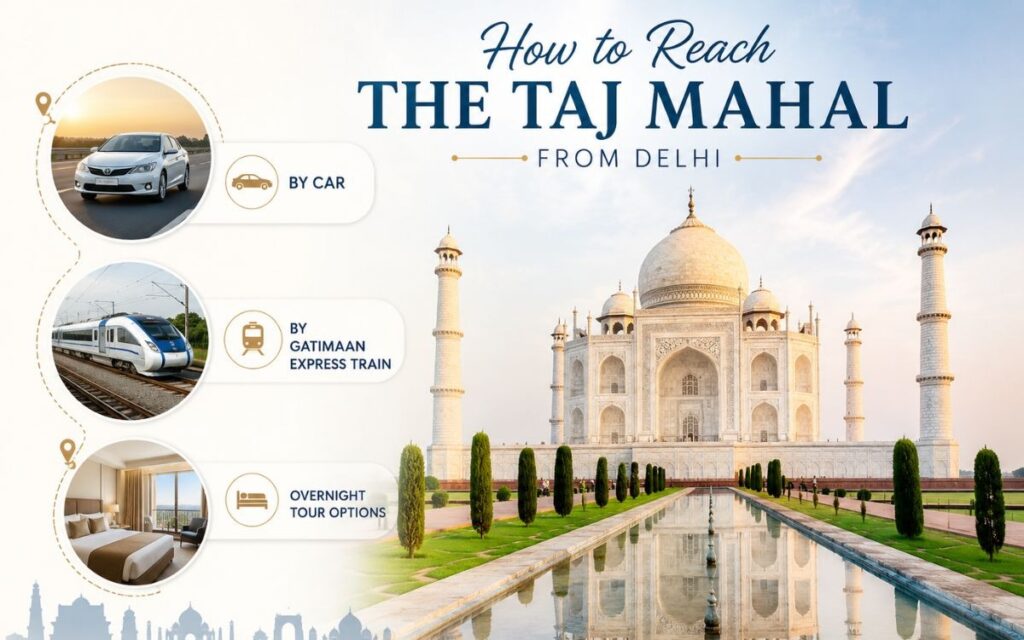
Sunset from Delhi allows for a far more conventional departure time and a less demanding morning. The trade-off is that you’ll want to plan your return transportation carefully, since you’ll be heading back to Delhi after dark. If a private vehicle matters to your comfort on either route, a Taj Mahal Tour by Car offers more flexibility over pickup times and the pace of the day than a fixed group departure.
Exact travel times will vary depending on traffic and the specific tour you book, so it’s worth confirming these details directly rather than assuming a fixed schedule.
Which Is Better in Different Seasons?
Winter brings pleasant daytime temperatures, but mornings can occasionally bring dense fog that affects sunrise visibility.
Summer makes sunrise the more comfortable option, since midday and afternoon heat can be intense.
Monsoon season often brings cloudy skies, which can create dramatic, moody photography, though conditions can change quickly.
Autumn generally offers comfortable sightseeing weather for both sunrise and sunset visits.
For a deeper look at how weather and timing shift throughout the year, the best time to visit the Taj Mahal covers seasonal planning in more detail.
Is Sunrise Really Better Than Sunset at the Taj Mahal?
For most first-time visitors, sunrise is the better choice if the priority is fewer crowds, cooler conditions, peaceful surroundings and photography.
That said, sunset may be preferable if you’re traveling as a couple, you’d rather avoid a very early morning, you’re already staying in Agra, or you simply prefer warm evening light over soft morning tones. Neither is objectively “correct” — it comes down to which experience matches your priorities.
What If You Want to Experience Both?
If choosing between sunrise and sunset feels impossible, staying overnight in Agra gives you the opportunity to experience both lighting conditions without rushing through a same-day itinerary. The Overnight Taj Mahal Tour is designed around exactly this, pairing an evening visit with a following sunrise so you see the monument transform between the two.
Tips for Choosing Between Sunrise and Sunset
Choose sunrise if you:
Want fewer crowds
Prefer cooler temperatures
Love photography
Want a peaceful atmosphere
Are comfortable waking very early
Are visiting the Taj Mahal for the first time
Choose sunset if you:
Prefer a relaxed morning
Want warm evening light
Are traveling as a couple
Are staying in Agra
Prefer evening-style photography
Choose both if you:
Have an overnight itinerary
Are passionate about photography
Want to compare the monument under different lighting
Want a slower-paced Agra experience
How to Plan Your Taj Mahal Visit From Delhi
Decide sunrise or sunset based on your priorities above.
Check the current Taj Mahal opening and visiting rules before you travel.
Look up seasonal sunrise and sunset times for your travel dates.
Build in extra time for security screening and entry.
Carry only permitted items — restrictions apply inside the complex.
Wear comfortable, easy-to-remove footwear.
Check the weather forecast the day before.
Consider pairing your visit with other Agra attractions.
Plan your return journey to Delhi before you start the visit, not after.
Taj Mahal Sunrise vs Sunset — Final Verdict
If your priority is the most peaceful atmosphere, comfortable temperatures, fewer distractions and excellent photography, sunrise is generally the better choice. If you prefer warm evening light, a romantic atmosphere and a slower start to the day, sunset can be the better option.
And if you don’t want to choose at all, an overnight Agra itinerary lets you experience the Taj Mahal at both sunrise and sunset.
Ready to plan your Taj Mahal visit? Explore Taj Mahal tour options from Delhi and choose a sunrise, sunset, same-day or overnight experience based on your travel style.
Frequently Asked Questions
Is sunrise or sunset better at the Taj Mahal?
Sunrise is generally better for fewer crowds, cooler temperatures and peaceful photography, while sunset is attractive for its warm light and romantic atmosphere. The right choice depends on your priorities.
Is the Taj Mahal beautiful at sunset?
Yes. Evening light gives the marble warm, golden tones that create a noticeably different look from its bright white daytime appearance.
Is sunrise worth waking up early for?
For most visitors, yes — the quieter atmosphere, cooler air and softer light are hard to replicate later in the day. It does require an early start, particularly if you’re traveling from Delhi.
Which is better for Taj Mahal photography, sunrise vs sunset?
Both work well but for different styles. Sunrise offers softer light and fewer people in your shots, while sunset offers warmer tones and more dramatic shadows.
Can I see the Taj Mahal at both sunrise and sunset?
Yes, if you stay overnight in Agra. An overnight itinerary lets you catch an evening visit and a sunrise visit the next morning, rather than choosing just one.
What is the best time of day to visit the Taj Mahal?
It depends on what you value most. Sunrise generally offers the more peaceful overall experience, while sunset suits travelers who prefer a relaxed schedule and warm light.
Is sunrise better for visiting the Taj Mahal from Delhi?
Sunrise gets you into Agra early and leaves more of the day free for other sightseeing, though it does require a very early departure from Delhi.
Does fog affect Taj Mahal sunrise visits?
It can, particularly in winter, when dense fog occasionally reduces visibility. Lighter mist, on the other hand, can actually add to the atmosphere in photographs.
<!-- wp:paragraph -->
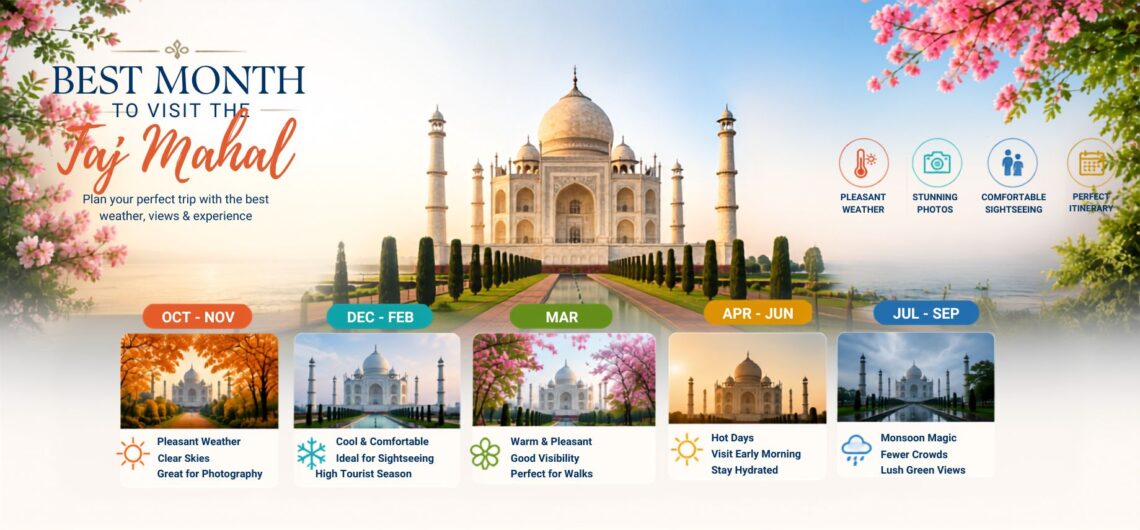
<p>The <strong>best month to visit the Taj Mahal</strong> generally falls between <strong>October and March</strong>, when Agra's weather is cool enough for comfortable sightseeing without the summer heat or monsoon humidity. Within that window, <strong>November to February</strong> is the most popular stretch for travelers who prioritize mild temperatures, while <strong>October and March</strong> offer a useful middle ground of pleasant weather and somewhat lighter crowds.</p>
<!-- /wp:paragraph -->
<!-- wp:paragraph -->
<p>That said, there isn't a single month that works best for everyone. Your ideal travel window depends on how you weigh weather comfort against crowd levels, whether photography or sunrise viewing is a priority, whether you're traveling with family, and how flexible your budget and schedule are. This guide breaks down the weather season by season and month by month, and helps you match your own travel priorities to the right time to go.</p>
<!-- /wp:paragraph -->
<!-- wp:heading -->
<h2 class="wp-block-heading"><strong>What Is the Best Month to Visit the Taj Mahal?</strong></h2>
<!-- /wp:heading -->
<!-- wp:paragraph -->
<p>If you only have time for a quick answer: <strong>November through February</strong> offers the most consistently comfortable conditions for walking around the Taj Mahal complex, with cool mornings and mild afternoons. <strong>October and March</strong> are close runners-up, trading a few extra degrees of warmth for slightly thinner crowds. Winter fog, especially in late December and January, can occasionally soften early-morning visibility, which is worth factoring in if sunrise photography is your main goal. Summer months are still visitable, but they demand more planning around heat and hydration.</p>
<!-- /wp:paragraph -->
<!-- wp:heading {"level":3} -->
<h3 class="wp-block-heading"><strong>Quick Answer Table</strong></h3>
<!-- /wp:heading -->
<!-- wp:table -->
<figure class="wp-block-table"><table class="has-fixed-layout"><tbody><tr><td><strong>Month/Period</strong></td><td><strong>Weather</strong></td><td><strong>Crowds</strong></td><td><strong>Photography</strong></td><td><strong>Overall</strong></td></tr><tr><td>October</td><td>Pleasant</td><td>Moderate</td><td>Excellent</td><td>Excellent</td></tr><tr><td>November</td><td>Cool/Pleasant</td><td>Moderate</td><td>Excellent</td><td>Excellent</td></tr><tr><td>December</td><td>Cool</td><td>Higher</td><td>Good</td><td>Very Good</td></tr><tr><td>January</td><td>Cold/Foggy</td><td>Higher</td><td>Variable</td><td>Very Good</td></tr><tr><td>February</td><td>Pleasant</td><td>Moderate/High</td><td>Excellent</td><td>Excellent</td></tr><tr><td>March</td><td>Warm/Pleasant</td><td>Moderate</td><td>Good</td><td>Very Good</td></tr><tr><td>April–June</td><td>Hot</td><td>Lower</td><td>Challenging</td><td>Fair</td></tr><tr><td>July–September</td><td>Humid/Monsoon</td><td>Lower/Moderate</td><td>Variable</td><td>Fair–Good</td></tr></tbody></table></figure>
<!-- /wp:table -->
<!-- wp:heading -->
<h2 class="wp-block-heading"><strong>Best Season to Visit the Taj Mahal</strong></h2>
<!-- /wp:heading -->
<!-- wp:paragraph -->
<p>Agra's year breaks down into four broad seasons, each with its own character. Here's how they compare.</p>
<!-- /wp:paragraph -->
<!-- wp:heading {"level":3} -->
<h3 class="wp-block-heading"><strong>Winter — November to February</strong></h3>
<!-- /wp:heading -->
<!-- wp:paragraph -->
<p>Winter is the <strong>best time to visit the Taj Mahal</strong> for most travelers, and it's when Agra sees its heaviest tourist traffic. Daytime temperatures stay comfortable enough for extended walking around the complex, and the cooler air makes the marble itself more pleasant to explore at length rather than rushing between shaded spots.</p>
<!-- /wp:paragraph -->
<!-- wp:paragraph -->
<p>The trade-off is that mornings can be genuinely cold, particularly in late December and January, and a layer of fog sometimes settles over the monument at sunrise. This fog can add atmosphere to photos, but it can also delay clear views of the dome until later in the morning. Because winter is peak season, expect more visitors, more advance planning around tickets, and higher demand for accommodation, especially around the holidays.</p>
<!-- /wp:paragraph -->
<!-- wp:heading {"level":3} -->
<h3 class="wp-block-heading"><strong>Spring — March</strong></h3>
<!-- /wp:heading -->
<!-- wp:paragraph -->
<p>March is often overlooked, but it strikes a useful balance. Mornings are still cool, afternoons warm up without becoming uncomfortable, and the crowds that build through December and January begin to ease. For travelers who want winter-like sightseeing conditions without competing with peak-season visitor numbers, March is one of the more underrated windows. Photography conditions remain good, with clearer skies than the foggier winter mornings.</p>
<!-- /wp:paragraph -->
<!-- wp:heading {"level":3} -->
<h3 class="wp-block-heading"><strong>Summer — April to June</strong></h3>
<!-- /wp:heading -->
<!-- wp:paragraph -->
<p>Summer brings Agra's most intense heat, with afternoon temperatures climbing high enough that outdoor sightseeing needs to be planned around the cooler parts of the day. This isn't a reason to rule the season out entirely — it's simply a season that rewards early starts. A sunrise visit is far more comfortable than a midday one, and staying hydrated and sun-protected matters more here than at any other time of year. Some travelers actively choose summer because flights and hotels are more available and the monument itself is less crowded.</p>
<!-- /wp:paragraph -->
<!-- wp:heading {"level":3} -->
<h3 class="wp-block-heading"><strong>Monsoon — July to September</strong></h3>
<!-- /wp:heading -->
<!-- wp:paragraph -->
<p>Monsoon season brings humidity and periods of rainfall, but it also transforms the surrounding landscape into a noticeably greener setting than the dusty conditions of peak summer. Rain doesn't fall constantly; it tends to arrive in spells, which means sightseeing is workable if you build some flexibility into your plans. Crowds thin out considerably during this stretch, and the changing light and cloud cover can produce photography conditions quite different from the clear winter skies most images of the Taj Mahal are known for. Monsoon travel suits visitors who don't mind unpredictable weather in exchange for a quieter, less touristy experience.</p>
<!-- /wp:paragraph -->
<!-- wp:heading -->
<h2 class="wp-block-heading"><strong>Best Month to Visit the Taj Mahal for Different Travelers</strong></h2>
<!-- /wp:heading -->
<!-- wp:paragraph -->
<p>Not every traveler is optimizing for the same thing. Here's how the calendar breaks down by priority.</p>
<!-- /wp:paragraph -->
<!-- wp:heading {"level":3} -->
<h3 class="wp-block-heading"><strong>Best Month for First-Time Visitors</strong></h3>
<!-- /wp:heading -->
<!-- wp:paragraph -->
<p>If this is your first trip to Agra, <strong>November, February, or October</strong> offer the most forgiving combination of comfortable weather, manageable logistics, and reliable visibility. These months let you focus on the monument itself rather than working around extreme heat or unpredictable rain.</p>
<!-- /wp:paragraph -->
<!-- wp:heading {"level":3} -->
<h3 class="wp-block-heading"><strong>Best Month for Photography</strong></h3>
<!-- /wp:heading -->
<!-- wp:paragraph -->
<p>Photographers generally get the clearest, most consistent results from <strong>October through March</strong>, when skies tend to be cleaner and the light is softer than during the harsh midday summer sun. Late December and January are the exceptions worth noting, since morning fog can obscure the dome for the first hour or so after sunrise — a trade-off some photographers actually seek out for the atmospheric effect.</p>
<!-- /wp:paragraph -->
<!-- wp:heading {"level":3} -->
<h3 class="wp-block-heading"><strong>Best Month for Sunrise at the Taj Mahal</strong></h3>
<!-- /wp:heading -->
<!-- wp:paragraph -->
<p>Cooler months bring a particular kind of stillness to early mornings at the Taj Mahal, with soft light and thinner crowds than later in the day. The one caveat is winter fog, which can occasionally delay a clear view of the monument until the sun has fully risen. Travelers who specifically want to experience the monument during the early morning can consider a<a href="https://www.mytajtour.com/tours/taj-mahal-sunrise-tour/"> Taj Mahal Sunrise Tour</a>, particularly when sunrise photography and cooler sightseeing conditions are priorities.</p>
<!-- /wp:paragraph -->
<!-- wp:heading {"level":3} -->
<h3 class="wp-block-heading"><strong>Best Month for Families</strong></h3>
<!-- /wp:heading -->
<!-- wp:paragraph -->
<p>Families with young children or older relatives generally do best avoiding both peak heat and heavy fog. <strong>November to March</strong> offers comfortable daytime temperatures for walking the complex without the scheduling pressure of extreme summer heat, making it easier to move at a relaxed pace.</p>
<!-- /wp:paragraph -->
<!-- wp:heading {"level":3} -->
<h3 class="wp-block-heading"><strong>Best Month for Budget Travelers</strong></h3>
<!-- /wp:heading -->
<!-- wp:paragraph -->
<p>Prices and availability shift with demand, so travelers watching their budget can look at shoulder and off-season periods — roughly <strong>March, and the summer or monsoon months</strong> — when accommodation and tour availability tend to be less constrained by peak-season demand. It's worth confirming current pricing and availability directly, since these can vary by year and by provider.</p>
<!-- /wp:paragraph -->
<!-- wp:heading -->
<h2 class="wp-block-heading"><strong>Taj Mahal Month-by-Month Travel Guide</strong></h2>
<!-- /wp:heading -->
<!-- wp:table -->
<figure class="wp-block-table"><table class="has-fixed-layout"><tbody><tr><td><strong>Month</strong></td><td><strong>Conditions</strong></td><td><strong>Notes</strong></td></tr><tr><td>January</td><td>Cold mornings, possible fog</td><td>Fog can affect early visibility; good for atmospheric photography</td></tr><tr><td>February</td><td>Cool to pleasant</td><td>Strong all-round month; moderate to high crowds</td></tr><tr><td>March</td><td>Warming afternoons</td><td>Good balance of comfort and easing crowds</td></tr><tr><td>April</td><td>Rising heat</td><td>Early morning or sunrise visits recommended</td></tr><tr><td>May</td><td>Very hot</td><td>Plan sightseeing for early morning; hydration essential</td></tr><tr><td>June</td><td>Hot, building toward monsoon</td><td>Early starts strongly advised</td></tr><tr><td>July</td><td>Monsoon begins</td><td>Rain spells possible; flexible scheduling helps</td></tr><tr><td>August</td><td>Humid, rain likely</td><td>Greener surroundings; changeable photography light</td></tr><tr><td>September</td><td>Monsoon tapering off</td><td>Improving conditions toward month's end</td></tr><tr><td>October</td><td>Pleasant transition</td><td>Start of the main travel season</td></tr><tr><td>November</td><td>Cool and comfortable</td><td>One of the strongest overall months</td></tr><tr><td>December</td><td>Cool with possible fog</td><td>Higher demand around the holiday period</td></tr></tbody></table></figure>
<!-- /wp:table -->
<!-- wp:heading {"level":3} -->
<h3 class="wp-block-heading"><strong>January</strong></h3>
<!-- /wp:heading -->
<!-- wp:paragraph -->
<p>January sits in the heart of winter, with cold mornings and a real chance of fog softening early sunrise views. Crowds remain elevated from the December holiday season. It suits travelers who don't mind bundling up and who appreciate the moodier, atmospheric look fog can give to photos.</p>
<!-- /wp:paragraph -->
<!-- wp:heading {"level":3} -->
<h3 class="wp-block-heading"><strong>February</strong></h3>
<!-- /wp:heading -->
<!-- wp:paragraph -->
<p>February often delivers some of the year's most reliable sightseeing weather — cool but not bitter, with generally good visibility. Crowds stay moderate to high, but conditions are comfortable enough that many consider this one of the best all-round months to visit.</p>
<!-- /wp:paragraph -->
<!-- wp:heading {"level":3} -->
<h3 class="wp-block-heading"><strong>March</strong></h3>
<!-- /wp:heading -->
<!-- wp:paragraph -->
<p>By March, mornings are still cool while afternoons warm up noticeably. Crowds from peak winter begin to ease, making it a good compromise month for travelers who want comfortable conditions without the busiest crowds.</p>
<!-- /wp:paragraph -->
<!-- wp:heading {"level":3} -->
<h3 class="wp-block-heading"><strong>April</strong></h3>
<!-- /wp:heading -->
<!-- wp:paragraph -->
<p>Heat starts building in April, and afternoon sightseeing becomes noticeably less comfortable. Early morning visits are the better strategy from this point through early summer.</p>
<!-- /wp:paragraph -->
<!-- wp:heading {"level":3} -->
<h3 class="wp-block-heading"><strong>May</strong></h3>
<!-- /wp:heading -->
<!-- wp:paragraph -->
<p>May is one of the hottest months in Agra. Sightseeing works best in the early morning hours, with sun protection and hydration as genuine priorities rather than optional extras.</p>
<!-- /wp:paragraph -->
<!-- wp:heading {"level":3} -->
<h3 class="wp-block-heading"><strong>June</strong></h3>
<!-- /wp:heading -->
<!-- wp:paragraph -->
<p>June carries forward the intense heat of May, with humidity beginning to build as the season turns toward monsoon. Early starts remain the most comfortable approach.</p>
<!-- /wp:paragraph -->
<!-- wp:heading {"level":3} -->
<h3 class="wp-block-heading"><strong>July</strong></h3>
<!-- /wp:heading -->
<!-- wp:paragraph -->
<p>Monsoon arrives in July, bringing periodic rain and rising humidity. Sightseeing is still possible, but a flexible itinerary that can shift around rain spells makes for a smoother trip.</p>
<!-- /wp:paragraph -->
<!-- wp:heading {"level":3} -->
<h3 class="wp-block-heading"><strong>August</strong></h3>
<!-- /wp:heading -->
<!-- wp:paragraph -->
<p>August tends to be humid with a real chance of rain, though the surrounding landscape turns notably greener than in the dry summer months. Photography conditions shift with the cloud cover, offering a different look than the classic clear-sky shots.</p>
<!-- /wp:paragraph -->
<!-- wp:heading {"level":3} -->
<h3 class="wp-block-heading"><strong>September</strong></h3>
<!-- /wp:heading -->
<!-- wp:paragraph -->
<p>By September, monsoon rains begin to taper off, and conditions gradually improve heading into the more popular autumn season.</p>
<!-- /wp:paragraph -->
<!-- wp:heading {"level":3} -->
<h3 class="wp-block-heading"><strong>October</strong></h3>
<!-- /wp:heading -->
<!-- wp:paragraph -->
<p>October marks the start of the main travel season, with pleasant temperatures and improving visibility. It's a strong choice for travelers who want good weather just ahead of the busier winter months.</p>
<!-- /wp:paragraph -->
<!-- wp:heading {"level":3} -->
<h3 class="wp-block-heading"><strong>November</strong></h3>
<!-- /wp:heading -->
<!-- wp:paragraph -->
<p>November is widely considered one of the best months to visit, combining cool, comfortable weather with generally clear conditions and manageable crowds before the peak of the December–January rush.</p>
<!-- /wp:paragraph -->
<!-- wp:heading {"level":3} -->
<h3 class="wp-block-heading"><strong>December</strong></h3>
<!-- /wp:heading -->
<!-- wp:paragraph -->
<p>December brings cool, comfortable daytime weather, but also the year's highest demand, driven by holiday travel. Morning fog becomes more likely as the month goes on, so plan sunrise visits with some flexibility.</p>
<!-- /wp:paragraph -->
<!-- wp:heading -->
<h2 class="wp-block-heading"><strong>Best Time of Day to Visit the Taj Mahal</strong></h2>
<!-- /wp:heading -->
<!-- wp:paragraph -->
<p>Beyond choosing a month, the time of day you visit changes the experience considerably.</p>
<!-- /wp:paragraph -->
<!-- wp:paragraph -->
<p><strong>Sunrise</strong> brings the softest light, the coolest temperatures, and the thinnest crowds of the day, making it the preferred slot for photographers and anyone who wants a quieter first impression of the monument. <strong>Morning</strong> hours after sunrise still offer good light and manageable temperatures, though crowds build steadily. <strong>Afternoon</strong> visits mean warmer, harsher light and the day's largest crowds, particularly in the cooler months when midday is the most comfortable time to be outdoors. <strong>Late afternoon</strong>, as the light softens again and temperatures ease, can offer a second good window for both comfort and photography, especially in the warmer months.</p>
<!-- /wp:paragraph -->
<!-- wp:heading -->
<h2 class="wp-block-heading"><strong>Is Winter Really the Best Time to Visit the Taj Mahal?</strong></h2>
<!-- /wp:heading -->
<!-- wp:paragraph -->
<p>Winter earns its reputation, but it's worth weighing both sides before assuming it's automatically right for your trip.</p>
<!-- /wp:paragraph -->
<!-- wp:paragraph -->
<p><strong>Advantages</strong></p>
<!-- /wp:paragraph -->
<!-- wp:list -->
<ul class="wp-block-list"><!-- wp:list-item -->
<li>Comfortable daytime temperatures for extended walking</li>
<!-- /wp:list-item -->
<!-- wp:list-item -->
<li>Pleasant overall sightseeing conditions</li>
<!-- /wp:list-item -->
<!-- wp:list-item -->
<li>Generally strong photography light outside of foggy mornings</li>
<!-- /wp:list-item -->
<!-- wp:list-item -->
<li>Easier pacing for families and older travelers</li>
<!-- /wp:list-item --></ul>
<!-- /wp:list -->
<!-- wp:paragraph -->
<p><strong>Limitations</strong></p>
<!-- /wp:paragraph -->
<!-- wp:list -->
<ul class="wp-block-list"><!-- wp:list-item -->
<li>Morning fog, especially in late December and January, can delay clear views</li>
<!-- /wp:list-item -->
<!-- wp:list-item -->
<li>Early mornings can be cold enough to require warm layers</li>
<!-- /wp:list-item -->
<!-- wp:list-item -->
<li>Higher visitor demand can mean busier ticket lines and fuller accommodation</li>
<!-- /wp:list-item --></ul>
<!-- /wp:list -->
<!-- wp:paragraph -->
<p>Winter is a strong default choice for most travelers, but it isn't automatically superior to October or March for anyone specifically trying to avoid crowds or fog.</p>
<!-- /wp:paragraph -->
<!-- wp:heading -->
<h2 class="wp-block-heading"><strong>What to Consider Before Choosing Your Travel Month</strong></h2>
<!-- /wp:heading -->
<!-- wp:list {"ordered":true} -->
<ol class="wp-block-list"><!-- wp:list-item -->
<li><strong>Weather</strong> — how much heat, cold, or humidity you're comfortable with</li>
<!-- /wp:list-item -->
<!-- wp:list-item -->
<li><strong>Visibility</strong> — winter fog versus cleaner skies in shoulder months</li>
<!-- /wp:list-item -->
<!-- wp:list-item -->
<li><strong>Crowds</strong> — peak winter demand versus quieter shoulder and off-season periods</li>
<!-- /wp:list-item -->
<!-- wp:list-item -->
<li><strong>Photography</strong> — light quality, haze, and seasonal atmosphere</li>
<!-- /wp:list-item -->
<!-- wp:list-item -->
<li><strong>Travel budget</strong> — how pricing and availability shift with demand</li>
<!-- /wp:list-item -->
<!-- wp:list-item -->
<li><strong>Trip duration</strong> — how much time you have to work around weather</li>
<!-- /wp:list-item -->
<!-- wp:list-item -->
<li><strong>Sunrise vs. daytime visit</strong> — which experience matters more to you</li>
<!-- /wp:list-item -->
<!-- wp:list-item -->
<li><strong>Family requirements</strong> — pacing needs for children or older travelers</li>
<!-- /wp:list-item -->
<!-- wp:list-item -->
<li><strong>Clothing</strong> — layers for winter mornings, breathable fabrics for summer</li>
<!-- /wp:list-item -->
<!-- wp:list-item -->
<li><strong>Local transportation</strong> — how weather affects travel between Delhi and Agra</li>
<!-- /wp:list-item --></ol>
<!-- /wp:list -->
<!-- wp:heading -->
<h2 class="wp-block-heading"><strong>How Many Days Should You Spend in Agra?</strong></h2>
<!-- /wp:heading -->
<!-- wp:paragraph -->
<p>How much time you need in Agra depends on how deeply you want to explore beyond the Taj Mahal itself.</p>
<!-- /wp:paragraph -->
<!-- wp:paragraph -->
<p>A <strong>same-day visit</strong> works for travelers on a tight schedule, typically combining the Taj Mahal with one or two other major sights before returning to Delhi the same evening. If your itinerary allows only one day in Agra, a<a href="https://www.mytajtour.com/tours/same-day-taj-mahal-tour/"> Same Day Taj Mahal Tour</a> can be a practical option for combining the Taj Mahal with other major sights without staying overnight.</p>
<!-- /wp:paragraph -->
<!-- wp:paragraph -->
<p>An <strong>overnight stay</strong> gives you room to see the Taj Mahal at sunrise, rest during the hottest part of the day, and explore additional monuments without rushing. Travelers visiting during the cooler months may also prefer an<a href="https://www.mytajtour.com/tours/overnight-taj-mahal-tour/"> Overnight Taj Mahal Tour</a>, giving them more time to explore Agra instead of fitting every attraction into a single day.</p>
<!-- /wp:paragraph -->
<!-- wp:paragraph -->
<p><strong>Extended sightseeing</strong> over two or more days suits travelers who want to slow down further, revisit the Taj Mahal at a different time of day, or explore Agra's markets and craft workshops at a relaxed pace.</p>
<!-- /wp:paragraph -->
<!-- wp:heading -->
<h2 class="wp-block-heading"><strong>What Else Can You See in Agra Besides the Taj Mahal?</strong></h2>
<!-- /wp:heading -->
<!-- wp:paragraph -->
<p>Agra's Mughal history extends well beyond its most famous monument. <strong>Agra Fort</strong>, a UNESCO World Heritage Site in its own right, offers sweeping views back toward the Taj Mahal and a sense of the empire that built it. <strong>Itmad-ud-Daulah</strong>, sometimes called the "Baby Taj," is a smaller marble tomb often credited as an architectural precursor to the Taj Mahal's design. <strong>Mehtab Bagh</strong>, a garden across the river, gives one of the best unobstructed sunset views of the monument. Beyond the monuments, Agra's local markets are worth a visit for their marble inlay craftsmanship — a technique directly tied to the decoration of the Taj Mahal itself — as well as regional food worth trying while you're in the city.</p>
<!-- /wp:paragraph -->
<!-- wp:paragraph -->
<p>If you have additional time in the city,<a href="https://www.mytajtour.com/tours/agra-local-sightseeing-from-agra/"> Agra local sightseeing</a> can help you explore important Mughal monuments and cultural attractions beyond the Taj Mahal.</p>
<!-- /wp:paragraph -->
<!-- wp:heading -->
<h2 class="wp-block-heading"><strong>How to Plan Your Taj Mahal Trip</strong></h2>
<!-- /wp:heading -->
<!-- wp:paragraph -->
<p>A practical planning sequence looks something like this:</p>
<!-- /wp:paragraph -->
<!-- wp:list {"ordered":true} -->
<ol class="wp-block-list"><!-- wp:list-item -->
<li>Choose your travel month based on your weather and crowd preferences</li>
<!-- /wp:list-item -->
<!-- wp:list-item -->
<li>Check the expected weather closer to your travel dates</li>
<!-- /wp:list-item -->
<!-- wp:list-item -->
<li>Decide between a sunrise or daytime visit</li>
<!-- /wp:list-item -->
<!-- wp:list-item -->
<li>Choose between a same-day trip or an overnight stay</li>
<!-- /wp:list-item -->
<!-- wp:list-item -->
<li>Plan any additional Agra sightseeing you want to include</li>
<!-- /wp:list-item -->
<!-- wp:list-item -->
<li>Arrange transportation between Delhi and Agra</li>
<!-- /wp:list-item -->
<!-- wp:list-item -->
<li>Check current ticket and visitor information before traveling</li>
<!-- /wp:list-item -->
<!-- wp:list-item -->
<li>Build in buffer time for traffic and crowds, especially during peak season</li>
<!-- /wp:list-item --></ol>
<!-- /wp:list -->
<!-- wp:paragraph -->
<p>Travelers who want transportation, sightseeing, and itinerary planning handled together can compare different<a href="https://www.mytajtour.com/taj-mahal-tour-packages/"> Taj Mahal Tour Packages</a> based on their preferred travel style and available time.</p>
<!-- /wp:paragraph -->
<!-- wp:heading -->
<h2 class="wp-block-heading"><strong>Best Month to Visit the Taj Mahal — Quick Decision Guide</strong></h2>
<!-- /wp:heading -->
<!-- wp:table -->
<figure class="wp-block-table"><table class="has-fixed-layout"><tbody><tr><td><strong>Your Priority</strong></td><td><strong>Recommended Period</strong></td></tr><tr><td>Best overall weather</td><td>November–February</td></tr><tr><td>Pleasant weather + fewer peak crowds</td><td>October / March</td></tr><tr><td>Sunrise experience</td><td>October–March</td></tr><tr><td>Photography</td><td>October–March</td></tr><tr><td>Avoiding extreme heat</td><td>October–March</td></tr><tr><td>Lower-season travel</td><td>Summer/Monsoon</td></tr><tr><td>Comfortable family sightseeing</td><td>November–March</td></tr></tbody></table></figure>
<!-- /wp:table -->
<!-- wp:paragraph -->
<p>Weather conditions can vary from year to year, so it's worth checking current forecasts as your travel dates approach.</p>
<!-- /wp:paragraph -->
<!-- wp:heading -->
<h2 class="wp-block-heading"><strong>Frequently Asked Questions</strong></h2>
<!-- /wp:heading -->
<!-- wp:heading {"level":3} -->
<h3 class="wp-block-heading"><strong>What is the best month to visit the Taj Mahal?</strong> </h3>
<!-- /wp:heading -->
<!-- wp:paragraph -->
<p>November through February generally offers the most comfortable weather for sightseeing, with October and March as strong alternatives that balance pleasant temperatures against lighter crowds.</p>
<!-- /wp:paragraph -->
<!-- wp:heading {"level":3} -->
<h3 class="wp-block-heading"><strong>Which month has the best weather in Agra?</strong> </h3>
<!-- /wp:heading -->
<!-- wp:paragraph -->
<p>February and November tend to offer the most reliably comfortable combination of cool mornings, mild afternoons, and clear visibility, without the heaviest fog or the biggest crowds of peak winter.</p>
<!-- /wp:paragraph -->
<!-- wp:heading {"level":3} -->
<h3 class="wp-block-heading"><strong>Is January a good month to visit the Taj Mahal?</strong> </h3>
<!-- /wp:heading -->
<!-- wp:paragraph -->
<p>Yes, though mornings are cold and fog is more likely, which can delay clear sunrise views. January still offers comfortable daytime sightseeing and a distinct, atmospheric look for photography.</p>
<!-- /wp:paragraph -->
<!-- wp:heading {"level":3} -->
<h3 class="wp-block-heading"><strong>Is February a good time to visit the Taj Mahal?</strong> </h3>
<!-- /wp:heading -->
<!-- wp:paragraph -->
<p>February is one of the strongest overall months, with cool but comfortable temperatures and generally good visibility, making it a favorite among travelers who want reliable conditions.</p>
<!-- /wp:paragraph -->
<!-- wp:heading {"level":3} -->
<h3 class="wp-block-heading"><strong>Is October a good month for the Taj Mahal?</strong> </h3>
<!-- /wp:heading -->
<!-- wp:paragraph -->
<p>Yes. October marks the start of the pleasant season, with improving weather and moderate crowds ahead of the busier winter months.</p>
<!-- /wp:paragraph -->
<!-- wp:heading {"level":3} -->
<h3 class="wp-block-heading"><strong>Is summer a good time to visit the Taj Mahal?</strong> </h3>
<!-- /wp:heading -->
<!-- wp:paragraph -->
<p>Summer works best for early risers, since afternoon heat can be intense. A sunrise or early-morning visit keeps sightseeing comfortable, and crowds tend to be noticeably lighter than in winter.</p>
<!-- /wp:paragraph -->
<!-- wp:heading {"level":3} -->
<h3 class="wp-block-heading"><strong>Can you visit the Taj Mahal during the monsoon?</strong> </h3>
<!-- /wp:heading -->
<!-- wp:paragraph -->
<p>Yes. Rain tends to arrive in spells rather than constantly, so a flexible schedule makes monsoon visits workable, with the bonus of greener surroundings and thinner crowds.</p>
<!-- /wp:paragraph -->
<!-- wp:heading {"level":3} -->
<h3 class="wp-block-heading"><strong>What is the best time of day to visit the Taj Mahal?</strong> </h3>
<!-- /wp:heading -->
<!-- wp:paragraph -->
<p>Sunrise offers the coolest temperatures, softest light, and smallest crowds, making it the preferred time for most first-time visitors and photographers.</p>
<!-- /wp:paragraph -->
<!-- wp:paragraph -->
<p><strong>Is sunrise better than sunset at the Taj Mahal?</strong> </p>
<!-- /wp:paragraph -->
<!-- wp:paragraph -->
<p>Sunrise is generally considered the stronger choice for crowd levels and light quality, though sunset — especially viewed from Mehtab Bagh across the river — offers its own distinct atmosphere.</p>
<!-- /wp:paragraph -->
<!-- wp:paragraph -->
<p><strong>How many days are enough for Agra?</strong> </p>
<!-- /wp:paragraph -->
<!-- wp:paragraph -->
<p>A single day is enough to see the Taj Mahal and one or two other major sights, but an overnight stay allows for a sunrise visit plus more relaxed exploration of Agra's other monuments.</p>
<!-- /wp:paragraph -->
<!-- wp:heading -->
<h2 class="wp-block-heading"><strong>Conclusion</strong></h2>
<!-- /wp:heading -->
<!-- wp:paragraph -->
<p>There's no single universally "best" month to visit the Taj Mahal — but for most travelers, <strong>November to February</strong> offers the most comfortable overall experience, while <strong>October and March</strong> provide an excellent middle ground of pleasant weather and somewhat lighter crowds. Summer and monsoon months remain viable for travelers willing to plan around heat or rain, often in exchange for a quieter, less crowded visit.</p>
<!-- /wp:paragraph -->
<!-- wp:paragraph -->
<p>The right choice ultimately comes down to your own priorities — weather comfort, photography light, sunrise timing, or how many days you can spend in Agra. Once you've settled on a season, the next step is choosing the itinerary that fits: whether that's a same-day visit, a sunrise-focused trip, additional local sightseeing, or an overnight stay that lets you experience Agra at a slower pace.</p>
<!-- /wp:paragraph -->
The best month to visit the Taj Mahal generally falls between October and March, when Agra’s weather is cool enough for comfortable sightseeing without the summer heat or monsoon humidity. Within that window, November to February is the most popular stretch for travelers who prioritize mild temperatures, while October and March offer a useful middle ground of pleasant weather and somewhat lighter crowds.
That said, there isn’t a single month that works best for everyone. Your ideal travel window depends on how you weigh weather comfort against crowd levels, whether photography or sunrise viewing is a priority, whether you’re traveling with family, and how flexible your budget and schedule are. This guide breaks down the weather season by season and month by month, and helps you match your own travel priorities to the right time to go.
What Is the Best Month to Visit the Taj Mahal?
If you only have time for a quick answer: November through February offers the most consistently comfortable conditions for walking around the Taj Mahal complex, with cool mornings and mild afternoons. October and March are close runners-up, trading a few extra degrees of warmth for slightly thinner crowds. Winter fog, especially in late December and January, can occasionally soften early-morning visibility, which is worth factoring in if sunrise photography is your main goal. Summer months are still visitable, but they demand more planning around heat and hydration.
Quick Answer Table
Month/Period
Weather
Crowds
Photography
Overall
October
Pleasant
Moderate
Excellent
Excellent
November
Cool/Pleasant
Moderate
Excellent
Excellent
December
Cool
Higher
Good
Very Good
January
Cold/Foggy
Higher
Variable
Very Good
February
Pleasant
Moderate/High
Excellent
Excellent
March
Warm/Pleasant
Moderate
Good
Very Good
April–June
Hot
Lower
Challenging
Fair
July–September
Humid/Monsoon
Lower/Moderate
Variable
Fair–Good
Best Season to Visit the Taj Mahal
Agra’s year breaks down into four broad seasons, each with its own character. Here’s how they compare.
Winter — November to February
Winter is the best time to visit the Taj Mahal for most travelers, and it’s when Agra sees its heaviest tourist traffic. Daytime temperatures stay comfortable enough for extended walking around the complex, and the cooler air makes the marble itself more pleasant to explore at length rather than rushing between shaded spots.
The trade-off is that mornings can be genuinely cold, particularly in late December and January, and a layer of fog sometimes settles over the monument at sunrise. This fog can add atmosphere to photos, but it can also delay clear views of the dome until later in the morning. Because winter is peak season, expect more visitors, more advance planning around tickets, and higher demand for accommodation, especially around the holidays.
Spring — March
March is often overlooked, but it strikes a useful balance. Mornings are still cool, afternoons warm up without becoming uncomfortable, and the crowds that build through December and January begin to ease. For travelers who want winter-like sightseeing conditions without competing with peak-season visitor numbers, March is one of the more underrated windows. Photography conditions remain good, with clearer skies than the foggier winter mornings.
Summer — April to June
Summer brings Agra’s most intense heat, with afternoon temperatures climbing high enough that outdoor sightseeing needs to be planned around the cooler parts of the day. This isn’t a reason to rule the season out entirely — it’s simply a season that rewards early starts. A sunrise visit is far more comfortable than a midday one, and staying hydrated and sun-protected matters more here than at any other time of year. Some travelers actively choose summer because flights and hotels are more available and the monument itself is less crowded.
Monsoon — July to September
Monsoon season brings humidity and periods of rainfall, but it also transforms the surrounding landscape into a noticeably greener setting than the dusty conditions of peak summer. Rain doesn’t fall constantly; it tends to arrive in spells, which means sightseeing is workable if you build some flexibility into your plans. Crowds thin out considerably during this stretch, and the changing light and cloud cover can produce photography conditions quite different from the clear winter skies most images of the Taj Mahal are known for. Monsoon travel suits visitors who don’t mind unpredictable weather in exchange for a quieter, less touristy experience.
Best Month to Visit the Taj Mahal for Different Travelers
Not every traveler is optimizing for the same thing. Here’s how the calendar breaks down by priority.
Best Month for First-Time Visitors
If this is your first trip to Agra, November, February, or October offer the most forgiving combination of comfortable weather, manageable logistics, and reliable visibility. These months let you focus on the monument itself rather than working around extreme heat or unpredictable rain.
Best Month for Photography
Photographers generally get the clearest, most consistent results from October through March, when skies tend to be cleaner and the light is softer than during the harsh midday summer sun. Late December and January are the exceptions worth noting, since morning fog can obscure the dome for the first hour or so after sunrise — a trade-off some photographers actually seek out for the atmospheric effect.
Best Month for Sunrise at the Taj Mahal
Cooler months bring a particular kind of stillness to early mornings at the Taj Mahal, with soft light and thinner crowds than later in the day. The one caveat is winter fog, which can occasionally delay a clear view of the monument until the sun has fully risen. Travelers who specifically want to experience the monument during the early morning can consider a Taj Mahal Sunrise Tour, particularly when sunrise photography and cooler sightseeing conditions are priorities.
Best Month for Families
Families with young children or older relatives generally do best avoiding both peak heat and heavy fog. November to March offers comfortable daytime temperatures for walking the complex without the scheduling pressure of extreme summer heat, making it easier to move at a relaxed pace.
Best Month for Budget Travelers
Prices and availability shift with demand, so travelers watching their budget can look at shoulder and off-season periods — roughly March, and the summer or monsoon months — when accommodation and tour availability tend to be less constrained by peak-season demand. It’s worth confirming current pricing and availability directly, since these can vary by year and by provider.
Taj Mahal Month-by-Month Travel Guide
Month
Conditions
Notes
January
Cold mornings, possible fog
Fog can affect early visibility; good for atmospheric photography
February
Cool to pleasant
Strong all-round month; moderate to high crowds
March
Warming afternoons
Good balance of comfort and easing crowds
April
Rising heat
Early morning or sunrise visits recommended
May
Very hot
Plan sightseeing for early morning; hydration essential
January sits in the heart of winter, with cold mornings and a real chance of fog softening early sunrise views. Crowds remain elevated from the December holiday season. It suits travelers who don’t mind bundling up and who appreciate the moodier, atmospheric look fog can give to photos.
February
February often delivers some of the year’s most reliable sightseeing weather — cool but not bitter, with generally good visibility. Crowds stay moderate to high, but conditions are comfortable enough that many consider this one of the best all-round months to visit.
March
By March, mornings are still cool while afternoons warm up noticeably. Crowds from peak winter begin to ease, making it a good compromise month for travelers who want comfortable conditions without the busiest crowds.
April
Heat starts building in April, and afternoon sightseeing becomes noticeably less comfortable. Early morning visits are the better strategy from this point through early summer.
May
May is one of the hottest months in Agra. Sightseeing works best in the early morning hours, with sun protection and hydration as genuine priorities rather than optional extras.
June
June carries forward the intense heat of May, with humidity beginning to build as the season turns toward monsoon. Early starts remain the most comfortable approach.
July
Monsoon arrives in July, bringing periodic rain and rising humidity. Sightseeing is still possible, but a flexible itinerary that can shift around rain spells makes for a smoother trip.
August
August tends to be humid with a real chance of rain, though the surrounding landscape turns notably greener than in the dry summer months. Photography conditions shift with the cloud cover, offering a different look than the classic clear-sky shots.
September
By September, monsoon rains begin to taper off, and conditions gradually improve heading into the more popular autumn season.
October
October marks the start of the main travel season, with pleasant temperatures and improving visibility. It’s a strong choice for travelers who want good weather just ahead of the busier winter months.
November
November is widely considered one of the best months to visit, combining cool, comfortable weather with generally clear conditions and manageable crowds before the peak of the December–January rush.
December
December brings cool, comfortable daytime weather, but also the year’s highest demand, driven by holiday travel. Morning fog becomes more likely as the month goes on, so plan sunrise visits with some flexibility.
Best Time of Day to Visit the Taj Mahal
Beyond choosing a month, the time of day you visit changes the experience considerably.
Sunrise brings the softest light, the coolest temperatures, and the thinnest crowds of the day, making it the preferred slot for photographers and anyone who wants a quieter first impression of the monument. Morning hours after sunrise still offer good light and manageable temperatures, though crowds build steadily. Afternoon visits mean warmer, harsher light and the day’s largest crowds, particularly in the cooler months when midday is the most comfortable time to be outdoors. Late afternoon, as the light softens again and temperatures ease, can offer a second good window for both comfort and photography, especially in the warmer months.
Is Winter Really the Best Time to Visit the Taj Mahal?
Winter earns its reputation, but it’s worth weighing both sides before assuming it’s automatically right for your trip.
Advantages
Comfortable daytime temperatures for extended walking
Pleasant overall sightseeing conditions
Generally strong photography light outside of foggy mornings
Easier pacing for families and older travelers
Limitations
Morning fog, especially in late December and January, can delay clear views
Early mornings can be cold enough to require warm layers
Higher visitor demand can mean busier ticket lines and fuller accommodation
Winter is a strong default choice for most travelers, but it isn’t automatically superior to October or March for anyone specifically trying to avoid crowds or fog.
What to Consider Before Choosing Your Travel Month
Weather — how much heat, cold, or humidity you’re comfortable with
Visibility — winter fog versus cleaner skies in shoulder months
Crowds — peak winter demand versus quieter shoulder and off-season periods
Photography — light quality, haze, and seasonal atmosphere
Travel budget — how pricing and availability shift with demand
Trip duration — how much time you have to work around weather
Sunrise vs. daytime visit — which experience matters more to you
Family requirements — pacing needs for children or older travelers
Clothing — layers for winter mornings, breathable fabrics for summer
Local transportation — how weather affects travel between Delhi and Agra
How Many Days Should You Spend in Agra?
How much time you need in Agra depends on how deeply you want to explore beyond the Taj Mahal itself.
A same-day visit works for travelers on a tight schedule, typically combining the Taj Mahal with one or two other major sights before returning to Delhi the same evening. If your itinerary allows only one day in Agra, a Same Day Taj Mahal Tour can be a practical option for combining the Taj Mahal with other major sights without staying overnight.
An overnight stay gives you room to see the Taj Mahal at sunrise, rest during the hottest part of the day, and explore additional monuments without rushing. Travelers visiting during the cooler months may also prefer an Overnight Taj Mahal Tour, giving them more time to explore Agra instead of fitting every attraction into a single day.
Extended sightseeing over two or more days suits travelers who want to slow down further, revisit the Taj Mahal at a different time of day, or explore Agra’s markets and craft workshops at a relaxed pace.
What Else Can You See in Agra Besides the Taj Mahal?
Agra’s Mughal history extends well beyond its most famous monument. Agra Fort, a UNESCO World Heritage Site in its own right, offers sweeping views back toward the Taj Mahal and a sense of the empire that built it. Itmad-ud-Daulah, sometimes called the “Baby Taj,” is a smaller marble tomb often credited as an architectural precursor to the Taj Mahal’s design. Mehtab Bagh, a garden across the river, gives one of the best unobstructed sunset views of the monument. Beyond the monuments, Agra’s local markets are worth a visit for their marble inlay craftsmanship — a technique directly tied to the decoration of the Taj Mahal itself — as well as regional food worth trying while you’re in the city.
If you have additional time in the city, Agra local sightseeing can help you explore important Mughal monuments and cultural attractions beyond the Taj Mahal.
How to Plan Your Taj Mahal Trip
A practical planning sequence looks something like this:
Choose your travel month based on your weather and crowd preferences
Check the expected weather closer to your travel dates
Decide between a sunrise or daytime visit
Choose between a same-day trip or an overnight stay
Plan any additional Agra sightseeing you want to include
Arrange transportation between Delhi and Agra
Check current ticket and visitor information before traveling
Build in buffer time for traffic and crowds, especially during peak season
Travelers who want transportation, sightseeing, and itinerary planning handled together can compare different Taj Mahal Tour Packages based on their preferred travel style and available time.
Best Month to Visit the Taj Mahal — Quick Decision Guide
Your Priority
Recommended Period
Best overall weather
November–February
Pleasant weather + fewer peak crowds
October / March
Sunrise experience
October–March
Photography
October–March
Avoiding extreme heat
October–March
Lower-season travel
Summer/Monsoon
Comfortable family sightseeing
November–March
Weather conditions can vary from year to year, so it’s worth checking current forecasts as your travel dates approach.
Frequently Asked Questions
What is the best month to visit the Taj Mahal?
November through February generally offers the most comfortable weather for sightseeing, with October and March as strong alternatives that balance pleasant temperatures against lighter crowds.
Which month has the best weather in Agra?
February and November tend to offer the most reliably comfortable combination of cool mornings, mild afternoons, and clear visibility, without the heaviest fog or the biggest crowds of peak winter.
Is January a good month to visit the Taj Mahal?
Yes, though mornings are cold and fog is more likely, which can delay clear sunrise views. January still offers comfortable daytime sightseeing and a distinct, atmospheric look for photography.
Is February a good time to visit the Taj Mahal?
February is one of the strongest overall months, with cool but comfortable temperatures and generally good visibility, making it a favorite among travelers who want reliable conditions.
Is October a good month for the Taj Mahal?
Yes. October marks the start of the pleasant season, with improving weather and moderate crowds ahead of the busier winter months.
Is summer a good time to visit the Taj Mahal?
Summer works best for early risers, since afternoon heat can be intense. A sunrise or early-morning visit keeps sightseeing comfortable, and crowds tend to be noticeably lighter than in winter.
Can you visit the Taj Mahal during the monsoon?
Yes. Rain tends to arrive in spells rather than constantly, so a flexible schedule makes monsoon visits workable, with the bonus of greener surroundings and thinner crowds.
What is the best time of day to visit the Taj Mahal?
Sunrise offers the coolest temperatures, softest light, and smallest crowds, making it the preferred time for most first-time visitors and photographers.
Is sunrise better than sunset at the Taj Mahal?
Sunrise is generally considered the stronger choice for crowd levels and light quality, though sunset — especially viewed from Mehtab Bagh across the river — offers its own distinct atmosphere.
How many days are enough for Agra?
A single day is enough to see the Taj Mahal and one or two other major sights, but an overnight stay allows for a sunrise visit plus more relaxed exploration of Agra’s other monuments.
Conclusion
There’s no single universally “best” month to visit the Taj Mahal — but for most travelers, November to February offers the most comfortable overall experience, while October and March provide an excellent middle ground of pleasant weather and somewhat lighter crowds. Summer and monsoon months remain viable for travelers willing to plan around heat or rain, often in exchange for a quieter, less crowded visit.
The right choice ultimately comes down to your own priorities — weather comfort, photography light, sunrise timing, or how many days you can spend in Agra. Once you’ve settled on a season, the next step is choosing the itinerary that fits: whether that’s a same-day visit, a sunrise-focused trip, additional local sightseeing, or an overnight stay that lets you experience Agra at a slower pace.
<!-- wp:paragraph -->
<p>Planning a visit to the Taj Mahal from Delhi but don't want to deal with highway traffic? The Gatimaan Express is one of the fastest, most comfortable, and most convenient ways to reach Agra in just around 100 minutes.</p>
<!-- /wp:paragraph -->
<!-- wp:paragraph -->
<p>Whether you're an international tourist or an Indian traveler looking for a hassle-free day trip, this guide covers everything you need to know—from booking tickets and train timings to local transportation, sightseeing, travel tips, and suggested itineraries. If you're planning a <a href="https://www.mytajtour.com/tours/taj-mahal-tour-by-gatimaan-train/">Taj Mahal tour by Gatimaan train</a>, this guide will help you organize a smooth and memorable journey.</p>
<!-- /wp:paragraph -->
<!-- wp:heading -->
<h2 class="wp-block-heading"><strong>Why Choose Gatimaan Express for a Taj Mahal Trip?</strong></h2>
<!-- /wp:heading -->
<!-- wp:paragraph -->
<p>The Gatimaan Express is India's first semi-high-speed train connecting Delhi and Agra. It offers a smooth journey, modern amenities, and perfect timing for a same-day Taj Mahal visit.</p>
<!-- /wp:paragraph -->
<!-- wp:heading {"level":3} -->
<h3 class="wp-block-heading"><strong>Benefits</strong></h3>
<!-- /wp:heading -->
<!-- wp:list -->
<ul class="wp-block-list"><!-- wp:list-item -->
<li>Journey takes only about 1 hour 40 minutes</li>
<!-- /wp:list-item -->
<!-- wp:list-item -->
<li>Comfortable Executive and Chair Car coaches</li>
<!-- /wp:list-item -->
<!-- wp:list-item -->
<li>Breakfast served on the way to Agra</li>
<!-- /wp:list-item -->
<!-- wp:list-item -->
<li>Ideal for same-day sightseeing</li>
<!-- /wp:list-item -->
<!-- wp:list-item -->
<li>Air-conditioned coaches</li>
<!-- /wp:list-item -->
<!-- wp:list-item -->
<li>Reliable and punctual service</li>
<!-- /wp:list-item -->
<!-- wp:list-item -->
<li>Excellent option for families and foreign tourists</li>
<!-- /wp:list-item --></ul>
<!-- /wp:list -->
<!-- wp:heading -->
<h2 class="wp-block-heading"><strong>Quick Journey Overview</strong></h2>
<!-- /wp:heading -->
<!-- wp:table -->
<figure class="wp-block-table"><table class="has-fixed-layout"><tbody><tr><td><strong>Details</strong></td><td><strong>Information</strong></td></tr><tr><td>Departure Station</td><td>Hazrat Nizamuddin Railway Station (Delhi)</td></tr><tr><td>Arrival Station</td><td>Agra Cantt Railway Station</td></tr><tr><td>Travel Time</td><td>Around 100 Minutes</td></tr><tr><td>Distance</td><td>Approximately 188 km</td></tr><tr><td>Best For</td><td>Same-Day Taj Mahal Tour</td></tr><tr><td>Classes Available</td><td>Executive Chair Car & AC Chair Car</td></tr></tbody></table></figure>
<!-- /wp:table -->
<!-- wp:heading -->
<h2 class="wp-block-heading"><strong>Gatimaan Express Timings (Typical Schedule)</strong></h2>
<!-- /wp:heading -->
<!-- wp:table -->
<figure class="wp-block-table"><table class="has-fixed-layout"><tbody><tr><td><strong>Route</strong></td><td><strong>Time</strong></td></tr><tr><td>Delhi Departure</td><td>Around 8:10 AM</td></tr><tr><td>Agra Arrival</td><td>Around 9:50 AM</td></tr><tr><td>Return from Agra</td><td>Around 5:50 PM</td></tr><tr><td>Delhi Arrival</td><td>Around 7:30 PM</td></tr></tbody></table></figure>
<!-- /wp:table -->
<!-- wp:paragraph -->
<p><em>Train schedules may change, so always verify the latest timings before booking.</em></p>
<!-- /wp:paragraph -->
<!-- wp:heading -->
<h2 class="wp-block-heading"><strong>How to Book Gatimaan Express Tickets</strong></h2>
<!-- /wp:heading -->
<!-- wp:paragraph -->
<p>Booking tickets is simple. You can reserve seats through:</p>
<!-- /wp:paragraph -->
<!-- wp:list -->
<ul class="wp-block-list"><!-- wp:list-item -->
<li>IRCTC Website</li>
<!-- /wp:list-item -->
<!-- wp:list-item -->
<li>IRCTC Rail Connect App</li>
<!-- /wp:list-item -->
<!-- wp:list-item -->
<li>Authorized travel agencies</li>
<!-- /wp:list-item -->
<!-- wp:list-item -->
<li>Railway reservation counters</li>
<!-- /wp:list-item --></ul>
<!-- /wp:list -->
<!-- wp:paragraph -->
<p>During peak tourist seasons, it is advisable to book several weeks in advance.</p>
<!-- /wp:paragraph -->
<!-- wp:heading -->
<h2 class="wp-block-heading"><strong>Sample One-Day Taj Mahal Itinerary</strong></h2>
<!-- /wp:heading -->
<!-- wp:paragraph -->
<p><strong>8:10 AM – Depart Delhi</strong><strong><br></strong>Board the Gatimaan Express from Hazrat Nizamuddin Railway Station.</p>
<!-- /wp:paragraph -->
<!-- wp:paragraph -->
<p><strong>9:50 AM – Arrive at Agra Cantt</strong><strong><br></strong>Meet your driver or hire a taxi to begin sightseeing.</p>
<!-- /wp:paragraph -->
<!-- wp:paragraph -->
<p><strong>10:30 AM – Visit the Taj Mahal</strong><strong><br></strong>Spend around two hours exploring the monument.</p>
<!-- /wp:paragraph -->
<!-- wp:heading {"level":3} -->
<h3 class="wp-block-heading"><strong>Highlights Include:</strong></h3>
<!-- /wp:heading -->
<!-- wp:list -->
<ul class="wp-block-list"><!-- wp:list-item -->
<li>Main Mausoleum</li>
<!-- /wp:list-item -->
<!-- wp:list-item -->
<li>Charbagh Gardens</li>
<!-- /wp:list-item -->
<!-- wp:list-item -->
<li>Reflecting Pool</li>
<!-- /wp:list-item -->
<!-- wp:list-item -->
<li>Yamuna River View</li>
<!-- /wp:list-item -->
<!-- wp:list-item -->
<li>Photography Spots</li>
<!-- /wp:list-item --></ul>
<!-- /wp:list -->
<!-- wp:paragraph -->
<p><strong>1:00 PM – Lunch</strong><strong><br></strong>Enjoy authentic Mughlai cuisine or international dining at a well-rated restaurant.</p>
<!-- /wp:paragraph -->
<!-- wp:paragraph -->
<p><strong>2:30 PM – Explore Agra Fort</strong><strong><br></strong>Visit the UNESCO World Heritage Site and discover the rich Mughal history.</p>
<!-- /wp:paragraph -->
<!-- wp:paragraph -->
<p><strong>4:00 PM – Mehtab Bagh or Local Shopping</strong></p>
<!-- /wp:paragraph -->
<!-- wp:paragraph -->
<p>Depending on your schedule, you can:</p>
<!-- /wp:paragraph -->
<!-- wp:list -->
<ul class="wp-block-list"><!-- wp:list-item -->
<li>Visit Mehtab Bagh</li>
<!-- /wp:list-item -->
<!-- wp:list-item -->
<li>Explore marble handicraft shops</li>
<!-- /wp:list-item -->
<!-- wp:list-item -->
<li>Buy leather products</li>
<!-- /wp:list-item -->
<!-- wp:list-item -->
<li>Shop for local sweets</li>
<!-- /wp:list-item --></ul>
<!-- /wp:list -->
<!-- wp:paragraph -->
<p><strong>5:00 PM – Reach Agra Cantt Station</strong><strong><br></strong>Arrive early for boarding.</p>
<!-- /wp:paragraph -->
<!-- wp:paragraph -->
<p><strong>Evening</strong><strong><br></strong>Return comfortably to Delhi by Gatimaan Express.</p>
<!-- /wp:paragraph -->
<!-- wp:heading -->
<h2 class="wp-block-heading"><strong>Places You Can Visit Along with the Taj Mahal</strong></h2>
<!-- /wp:heading -->
<!-- wp:paragraph -->
<p>If time permits, include these attractions:</p>
<!-- /wp:paragraph -->
<!-- wp:list -->
<ul class="wp-block-list"><!-- wp:list-item -->
<li>Agra Fort</li>
<!-- /wp:list-item -->
<!-- wp:list-item -->
<li>Mehtab Bagh</li>
<!-- /wp:list-item -->
<!-- wp:list-item -->
<li>Itmad-ud-Daulah (Baby Taj)</li>
<!-- /wp:list-item -->
<!-- wp:list-item -->
<li>Local Marble Inlay Workshops</li>
<!-- /wp:list-item -->
<!-- wp:list-item -->
<li>Kinari Bazaar</li>
<!-- /wp:list-item --></ul>
<!-- /wp:list -->
<!-- wp:heading -->
<h2 class="wp-block-heading"><strong>Ticket Price (Approximate)</strong></h2>
<!-- /wp:heading -->
<!-- wp:paragraph -->
<p>Ticket prices vary depending on demand and booking dates.</p>
<!-- /wp:paragraph -->
<!-- wp:paragraph -->
<p>Typical fare ranges:</p>
<!-- /wp:paragraph -->
<!-- wp:list -->
<ul class="wp-block-list"><!-- wp:list-item -->
<li>AC Chair Car</li>
<!-- /wp:list-item -->
<!-- wp:list-item -->
<li>Executive Chair Car</li>
<!-- /wp:list-item --></ul>
<!-- /wp:list -->
<!-- wp:paragraph -->
<p>Prices may increase during weekends, holidays, and tourist season.</p>
<!-- /wp:paragraph -->
<!-- wp:heading -->
<h2 class="wp-block-heading"><strong>Best Time to Travel</strong></h2>
<!-- /wp:heading -->
<!-- wp:paragraph -->
<p>The ideal months are:</p>
<!-- /wp:paragraph -->
<!-- wp:list -->
<ul class="wp-block-list"><!-- wp:list-item -->
<li>October</li>
<!-- /wp:list-item -->
<!-- wp:list-item -->
<li>November</li>
<!-- /wp:list-item -->
<!-- wp:list-item -->
<li>December</li>
<!-- /wp:list-item -->
<!-- wp:list-item -->
<li>January</li>
<!-- /wp:list-item -->
<!-- wp:list-item -->
<li>February</li>
<!-- /wp:list-item -->
<!-- wp:list-item -->
<li>March</li>
<!-- /wp:list-item --></ul>
<!-- /wp:list -->
<!-- wp:paragraph -->
<p>These months offer pleasant weather and excellent photography conditions.</p>
<!-- /wp:paragraph -->
<!-- wp:heading -->
<h2 class="wp-block-heading"><strong>What to Carry</strong></h2>
<!-- /wp:heading -->
<!-- wp:list -->
<ul class="wp-block-list"><!-- wp:list-item -->
<li>Government-issued ID</li>
<!-- /wp:list-item -->
<!-- wp:list-item -->
<li>Mobile ticket</li>
<!-- /wp:list-item -->
<!-- wp:list-item -->
<li>Comfortable walking shoes</li>
<!-- /wp:list-item -->
<!-- wp:list-item -->
<li>Sunglasses</li>
<!-- /wp:list-item -->
<!-- wp:list-item -->
<li>Sunscreen</li>
<!-- /wp:list-item -->
<!-- wp:list-item -->
<li>Water bottle</li>
<!-- /wp:list-item -->
<!-- wp:list-item -->
<li>Camera</li>
<!-- /wp:list-item -->
<!-- wp:list-item -->
<li>Light jacket during winter</li>
<!-- /wp:list-item --></ul>
<!-- /wp:list -->
<!-- wp:heading -->
<h2 class="wp-block-heading"><strong>Local Transportation from Agra Cantt</strong></h2>
<!-- /wp:heading -->
<!-- wp:image {"id":2029,"sizeSlug":"large","linkDestination":"none"} -->
<figure class="wp-block-image size-large"><img src="https://www.mytajtour.com/wp-content/uploads/2026/06/image-5-1024x597.jpeg" alt="" class="wp-image-2029"/></figure>
<!-- /wp:image -->
<!-- wp:paragraph -->
<p>Available options include:</p>
<!-- /wp:paragraph -->
<!-- wp:list -->
<ul class="wp-block-list"><!-- wp:list-item -->
<li>Private Taxi</li>
<!-- /wp:list-item -->
<!-- wp:list-item -->
<li>Auto Rickshaw</li>
<!-- /wp:list-item -->
<!-- wp:list-item -->
<li>Cab Services</li>
<!-- /wp:list-item -->
<!-- wp:list-item -->
<li>Pre-booked Tour Vehicle</li>
<!-- /wp:list-item --></ul>
<!-- /wp:list -->
<!-- wp:paragraph -->
<p>Many travelers prefer booking a private guided tour that includes station pickup.</p>
<!-- /wp:paragraph -->
<!-- wp:heading -->
<h2 class="wp-block-heading"><strong>Is a Guided Tour Worth It?</strong></h2>
<!-- /wp:heading -->
<!-- wp:paragraph -->
<p>Yes. A professional guide can help you understand:</p>
<!-- /wp:paragraph -->
<!-- wp:list -->
<ul class="wp-block-list"><!-- wp:list-item -->
<li>Taj Mahal history</li>
<!-- /wp:list-item -->
<!-- wp:list-item -->
<li>Mughal architecture</li>
<!-- /wp:list-item -->
<!-- wp:list-item -->
<li>Best photo locations</li>
<!-- /wp:list-item -->
<!-- wp:list-item -->
<li>Hidden details</li>
<!-- /wp:list-item -->
<!-- wp:list-item -->
<li>Local culture</li>
<!-- /wp:list-item --></ul>
<!-- /wp:list -->
<!-- wp:paragraph -->
<p>It also saves valuable sightseeing time. Many visitors choose a <a href="https://www.mytajtour.com/tours/taj-mahal-tour-by-gatimaan-train/">Taj Mahal tour by Gatimaan train</a> combined with a private guide and station transfers for a more comfortable and hassle-free experience.</p>
<!-- /wp:paragraph -->
<!-- wp:heading -->
<h2 class="wp-block-heading"><strong>Useful Travel Tips</strong></h2>
<!-- /wp:heading -->
<!-- wp:list -->
<ul class="wp-block-list"><!-- wp:list-item -->
<li>Arrive at the station at least 30 minutes early.</li>
<!-- /wp:list-item -->
<!-- wp:list-item -->
<li>Wear comfortable clothing.</li>
<!-- /wp:list-item -->
<!-- wp:list-item -->
<li>Visit the Taj Mahal in the morning to avoid crowds.</li>
<!-- /wp:list-item -->
<!-- wp:list-item -->
<li>Avoid carrying prohibited items.</li>
<!-- /wp:list-item -->
<!-- wp:list-item -->
<li>Keep your train ticket and ID handy.</li>
<!-- /wp:list-item -->
<!-- wp:list-item -->
<li>Book attraction tickets online whenever possible.</li>
<!-- /wp:list-item --></ul>
<!-- /wp:list -->
<!-- wp:heading -->
<h2 class="wp-block-heading"><strong>Frequently Asked Questions</strong></h2>
<!-- /wp:heading -->
<!-- wp:heading {"level":3} -->
<h3 class="wp-block-heading"><strong>1. Can I visit the Taj Mahal in one day using Gatimaan Express?</strong></h3>
<!-- /wp:heading -->
<!-- wp:paragraph -->
<p>Yes. The train is specifically suitable for same-day trips from Delhi.</p>
<!-- /wp:paragraph -->
<!-- wp:heading {"level":3} -->
<h3 class="wp-block-heading"><strong>2. How far is Agra Cantt from the Taj Mahal?</strong></h3>
<!-- /wp:heading -->
<!-- wp:paragraph -->
<p>The Taj Mahal is approximately 6 km from Agra Cantt Railway Station.</p>
<!-- /wp:paragraph -->
<!-- wp:heading {"level":3} -->
<h3 class="wp-block-heading"><strong>3. Does Gatimaan Express provide meals?</strong></h3>
<!-- /wp:heading -->
<!-- wp:paragraph -->
<p>Yes. Complimentary meals are generally served depending on your travel class and route.</p>
<!-- /wp:paragraph -->
<!-- wp:heading {"level":3} -->
<h3 class="wp-block-heading"><strong>4. Is the train suitable for foreign tourists?</strong></h3>
<!-- /wp:heading -->
<!-- wp:paragraph -->
<p>Absolutely. It is one of the most comfortable and popular train options for international visitors.</p>
<!-- /wp:paragraph -->
<!-- wp:heading {"level":3} -->
<h3 class="wp-block-heading"><strong>5. Which is better—car or Gatimaan Express?</strong></h3>
<!-- /wp:heading -->
<!-- wp:paragraph -->
<p>If you want a quicker, traffic-free journey, Gatimaan Express is often the better option. A private car, however, offers more flexibility to stop at attractions along the way.</p>
<!-- /wp:paragraph -->
<!-- wp:heading -->
<h2 class="wp-block-heading"><strong>Final Thoughts</strong></h2>
<!-- /wp:heading -->
<!-- wp:paragraph -->
<p>A journey to the Taj Mahal by Gatimaan Express is one of the easiest and fastest ways to experience India's most iconic monument. With a travel time of under two hours, comfortable seating, onboard meals, and a convenient schedule, it is ideal for travelers who want to explore Agra in a single day.</p>
<!-- /wp:paragraph -->
<!-- wp:paragraph -->
<p>To make the most of your visit, consider combining your train journey with a private guided tour that includes station pickup, monument entry assistance, and visits to Agra Fort and other nearby attractions. This ensures a smooth, memorable, and stress-free experience.</p>
<!-- /wp:paragraph -->
Planning a visit to the Taj Mahal from Delhi but don’t want to deal with highway traffic? The Gatimaan Express is one of the fastest, most comfortable, and most convenient ways to reach Agra in just around 100 minutes.
Whether you’re an international tourist or an Indian traveler looking for a hassle-free day trip, this guide covers everything you need to know—from booking tickets and train timings to local transportation, sightseeing, travel tips, and suggested itineraries. If you’re planning a Taj Mahal tour by Gatimaan train, this guide will help you organize a smooth and memorable journey.
Why Choose Gatimaan Express for a Taj Mahal Trip?
The Gatimaan Express is India’s first semi-high-speed train connecting Delhi and Agra. It offers a smooth journey, modern amenities, and perfect timing for a same-day Taj Mahal visit.
Benefits
Journey takes only about 1 hour 40 minutes
Comfortable Executive and Chair Car coaches
Breakfast served on the way to Agra
Ideal for same-day sightseeing
Air-conditioned coaches
Reliable and punctual service
Excellent option for families and foreign tourists
Quick Journey Overview
Details
Information
Departure Station
Hazrat Nizamuddin Railway Station (Delhi)
Arrival Station
Agra Cantt Railway Station
Travel Time
Around 100 Minutes
Distance
Approximately 188 km
Best For
Same-Day Taj Mahal Tour
Classes Available
Executive Chair Car & AC Chair Car
Gatimaan Express Timings (Typical Schedule)
Route
Time
Delhi Departure
Around 8:10 AM
Agra Arrival
Around 9:50 AM
Return from Agra
Around 5:50 PM
Delhi Arrival
Around 7:30 PM
Train schedules may change, so always verify the latest timings before booking.
How to Book Gatimaan Express Tickets
Booking tickets is simple. You can reserve seats through:
IRCTC Website
IRCTC Rail Connect App
Authorized travel agencies
Railway reservation counters
During peak tourist seasons, it is advisable to book several weeks in advance.
Sample One-Day Taj Mahal Itinerary
8:10 AM – Depart Delhi Board the Gatimaan Express from Hazrat Nizamuddin Railway Station.
9:50 AM – Arrive at Agra Cantt Meet your driver or hire a taxi to begin sightseeing.
10:30 AM – Visit the Taj Mahal Spend around two hours exploring the monument.
Highlights Include:
Main Mausoleum
Charbagh Gardens
Reflecting Pool
Yamuna River View
Photography Spots
1:00 PM – Lunch Enjoy authentic Mughlai cuisine or international dining at a well-rated restaurant.
2:30 PM – Explore Agra Fort Visit the UNESCO World Heritage Site and discover the rich Mughal history.
4:00 PM – Mehtab Bagh or Local Shopping
Depending on your schedule, you can:
Visit Mehtab Bagh
Explore marble handicraft shops
Buy leather products
Shop for local sweets
5:00 PM – Reach Agra Cantt Station Arrive early for boarding.
Evening Return comfortably to Delhi by Gatimaan Express.
Places You Can Visit Along with the Taj Mahal
If time permits, include these attractions:
Agra Fort
Mehtab Bagh
Itmad-ud-Daulah (Baby Taj)
Local Marble Inlay Workshops
Kinari Bazaar
Ticket Price (Approximate)
Ticket prices vary depending on demand and booking dates.
Typical fare ranges:
AC Chair Car
Executive Chair Car
Prices may increase during weekends, holidays, and tourist season.
Best Time to Travel
The ideal months are:
October
November
December
January
February
March
These months offer pleasant weather and excellent photography conditions.
What to Carry
Government-issued ID
Mobile ticket
Comfortable walking shoes
Sunglasses
Sunscreen
Water bottle
Camera
Light jacket during winter
Local Transportation from Agra Cantt
Available options include:
Private Taxi
Auto Rickshaw
Cab Services
Pre-booked Tour Vehicle
Many travelers prefer booking a private guided tour that includes station pickup.
Is a Guided Tour Worth It?
Yes. A professional guide can help you understand:
Taj Mahal history
Mughal architecture
Best photo locations
Hidden details
Local culture
It also saves valuable sightseeing time. Many visitors choose a Taj Mahal tour by Gatimaan train combined with a private guide and station transfers for a more comfortable and hassle-free experience.
Useful Travel Tips
Arrive at the station at least 30 minutes early.
Wear comfortable clothing.
Visit the Taj Mahal in the morning to avoid crowds.
Avoid carrying prohibited items.
Keep your train ticket and ID handy.
Book attraction tickets online whenever possible.
Frequently Asked Questions
1. Can I visit the Taj Mahal in one day using Gatimaan Express?
Yes. The train is specifically suitable for same-day trips from Delhi.
2. How far is Agra Cantt from the Taj Mahal?
The Taj Mahal is approximately 6 km from Agra Cantt Railway Station.
3. Does Gatimaan Express provide meals?
Yes. Complimentary meals are generally served depending on your travel class and route.
4. Is the train suitable for foreign tourists?
Absolutely. It is one of the most comfortable and popular train options for international visitors.
5. Which is better—car or Gatimaan Express?
If you want a quicker, traffic-free journey, Gatimaan Express is often the better option. A private car, however, offers more flexibility to stop at attractions along the way.
Final Thoughts
A journey to the Taj Mahal by Gatimaan Express is one of the easiest and fastest ways to experience India’s most iconic monument. With a travel time of under two hours, comfortable seating, onboard meals, and a convenient schedule, it is ideal for travelers who want to explore Agra in a single day.
To make the most of your visit, consider combining your train journey with a private guided tour that includes station pickup, monument entry assistance, and visits to Agra Fort and other nearby attractions. This ensures a smooth, memorable, and stress-free experience.
<!-- wp:paragraph -->
<p>The Taj Mahal is one of the most visited landmarks in the world and remains the crown jewel of Indian tourism. Recognized as a UNESCO World Heritage Site, this magnificent monument attracts millions of visitors every year. However, choosing the right time to visit can significantly impact your overall experience.</p>
<!-- /wp:paragraph -->
<!-- wp:paragraph -->
<p>Whether you're planning an Agra Day Trip from Delhi, a luxury getaway, or a photography-focused visit, understanding the weather, crowd levels, and seasonal conditions will help you make the most of your journey.</p>
<!-- /wp:paragraph -->
<!-- wp:paragraph -->
<p>In this complete Taj Mahal Travel Guide, we'll explore the best seasons, ideal months, and practical travel tips for visiting the Taj Mahal in 2026.</p>
<!-- /wp:paragraph -->
<!-- wp:heading -->
<h2 class="wp-block-heading"><strong>Best Season to Visit Taj Mahal</strong></h2>
<!-- /wp:heading -->
<!-- wp:image {"id":2015,"sizeSlug":"large","linkDestination":"none"} -->
<figure class="wp-block-image size-large"><img src="https://www.mytajtour.com/wp-content/uploads/2026/06/image-4-1024x597.jpeg" alt="Infographic comparing the best seasons to visit the Taj Mahal, including winter, summer, and monsoon, with weather, crowd levels, and travel advantages." class="wp-image-2015" title="Best Season to Visit the Taj Mahal – Winter, Summer & Monsoon Travel Guide"/></figure>
<!-- /wp:image -->
<!-- wp:heading {"level":3} -->
<h3 class="wp-block-heading"><strong>Winter Season (October to March)</strong></h3>
<!-- /wp:heading -->
<!-- wp:paragraph -->
<p>Winter is widely considered the best time to visit the Taj Mahal. During these months, temperatures range from 8°C to 25°C, creating pleasant conditions for sightseeing.</p>
<!-- /wp:paragraph -->
<!-- wp:paragraph -->
<p>Why visit in winter?</p>
<!-- /wp:paragraph -->
<!-- wp:list -->
<ul class="wp-block-list"><!-- wp:list-item -->
<li>Comfortable weather for walking and exploring</li>
<!-- /wp:list-item -->
<!-- wp:list-item -->
<li>Clear skies for photography</li>
<!-- /wp:list-item -->
<!-- wp:list-item -->
<li>Ideal for sunrise and sunset views</li>
<!-- /wp:list-item -->
<!-- wp:list-item -->
<li>Pleasant conditions for Agra sightseeing</li>
<!-- /wp:list-item --></ul>
<!-- /wp:list -->
<!-- wp:paragraph -->
<p>The months of November, December, February, and March are particularly popular among international tourists. If you're booking Taj Mahal Tour Packages from Delhi, winter is often the preferred season.</p>
<!-- /wp:paragraph -->
<!-- wp:heading {"level":3} -->
<h3 class="wp-block-heading"><strong>Summer Season (April to June)</strong></h3>
<!-- /wp:heading -->
<!-- wp:paragraph -->
<p>Summer in Agra can be extremely hot, with temperatures frequently exceeding 40°C.</p>
<!-- /wp:paragraph -->
<!-- wp:paragraph -->
<p>Advantages of summer travel:</p>
<!-- /wp:paragraph -->
<!-- wp:list -->
<ul class="wp-block-list"><!-- wp:list-item -->
<li>Fewer crowds</li>
<!-- /wp:list-item -->
<!-- wp:list-item -->
<li>Easier hotel availability</li>
<!-- /wp:list-item -->
<!-- wp:list-item -->
<li>Lower accommodation prices</li>
<!-- /wp:list-item --></ul>
<!-- /wp:list -->
<!-- wp:paragraph -->
<p>Challenges:</p>
<!-- /wp:paragraph -->
<!-- wp:list -->
<ul class="wp-block-list"><!-- wp:list-item -->
<li>Intense heat during daytime</li>
<!-- /wp:list-item -->
<!-- wp:list-item -->
<li>Less comfortable sightseeing experience</li>
<!-- /wp:list-item --></ul>
<!-- /wp:list -->
<!-- wp:paragraph -->
<p>If visiting during summer, plan your visit early in the morning, preferably at sunrise.</p>
<!-- /wp:paragraph -->
<!-- wp:heading {"level":3} -->
<h3 class="wp-block-heading"><strong>Monsoon Season (July to September)</strong></h3>
<!-- /wp:heading -->
<!-- wp:paragraph -->
<p>Monsoon transforms Agra into a greener destination. Occasional rain showers can create beautiful photography opportunities around the monument.</p>
<!-- /wp:paragraph -->
<!-- wp:paragraph -->
<p>Benefits of visiting during monsoon:</p>
<!-- /wp:paragraph -->
<!-- wp:list -->
<ul class="wp-block-list"><!-- wp:list-item -->
<li>Reduced tourist crowds</li>
<!-- /wp:list-item -->
<!-- wp:list-item -->
<li>Cooler temperatures than summer</li>
<!-- /wp:list-item -->
<!-- wp:list-item -->
<li>Dramatic cloud formations for photography</li>
<!-- /wp:list-item --></ul>
<!-- /wp:list -->
<!-- wp:paragraph -->
<p>Keep an umbrella handy and monitor weather forecasts before your visit.</p>
<!-- /wp:paragraph -->
<!-- wp:heading -->
<h2 class="wp-block-heading"><strong>Month-by-Month Guide to Visiting the Taj Mahal</strong></h2>
<!-- /wp:heading -->
<!-- wp:table {"hasFixedLayout":false} -->
<figure class="wp-block-table"><table><tbody><tr><td><strong>Month</strong></td><td><strong>Weather & Travel Conditions</strong></td></tr><tr><td><strong>January</strong></td><td>Cool temperatures and morning fog are common. Excellent for sightseeing, although sunrise views may occasionally be obscured by mist.</td></tr><tr><td><strong>February</strong></td><td>One of the most pleasant months. Clear skies and comfortable weather make it ideal for photography and sightseeing.</td></tr><tr><td><strong>March</strong></td><td>Mild temperatures and vibrant spring conditions create a great atmosphere for visitors.</td></tr><tr><td><strong>April</strong></td><td>The heat begins to increase. Early morning visits become more important.</td></tr><tr><td><strong>May</strong></td><td>Very hot weather. Sunrise visits are strongly recommended.</td></tr><tr><td><strong>June</strong></td><td>High temperatures continue, but crowds remain relatively low.</td></tr><tr><td><strong>July</strong></td><td>Beginning of the monsoon season with occasional rain showers.</td></tr><tr><td><strong>August</strong></td><td>Green landscapes and fewer visitors make August attractive for budget-conscious travelers.</td></tr><tr><td><strong>September</strong></td><td>Weather starts improving as the monsoon gradually retreats.</td></tr><tr><td><strong>October</strong></td><td>One of the best months to visit. Pleasant temperatures return, and visibility improves significantly.</td></tr><tr><td><strong>November</strong></td><td>Excellent weather and ideal conditions for Delhi-to-Agra travel.</td></tr><tr><td><strong>December</strong></td><td>Peak tourist season. Comfortable temperatures and a festive travel atmosphere attract visitors from around the world.</td></tr></tbody></table></figure>
<!-- /wp:table -->
<!-- wp:heading -->
<h2 class="wp-block-heading"><strong>Best Time of Day to Visit the Taj Mahal</strong></h2>
<!-- /wp:heading -->
<!-- wp:image {"id":2013,"sizeSlug":"large","linkDestination":"none"} -->
<figure class="wp-block-image size-large"><img src="https://www.mytajtour.com/wp-content/uploads/2026/06/image-2-1024x640.jpeg" alt="Infographic comparing the best time to visit the Taj Mahal during sunrise, morning, and sunset, highlighting lighting, crowds, weather, and photography opportunities." class="wp-image-2013" title="Best Time of Day to Visit the Taj Mahal – Sunrise, Morning & Sunset Guide"/></figure>
<!-- /wp:image -->
<!-- wp:heading {"level":3} -->
<h3 class="wp-block-heading"><strong>Sunrise Visit</strong></h3>
<!-- /wp:heading -->
<!-- wp:paragraph -->
<p>For most travelers, sunrise offers the most magical Taj Mahal experience.</p>
<!-- /wp:paragraph -->
<!-- wp:paragraph -->
<p>Benefits include:</p>
<!-- /wp:paragraph -->
<!-- wp:list -->
<ul class="wp-block-list"><!-- wp:list-item -->
<li>Soft golden light</li>
<!-- /wp:list-item -->
<!-- wp:list-item -->
<li>Fewer tourists</li>
<!-- /wp:list-item -->
<!-- wp:list-item -->
<li>Pleasant temperatures</li>
<!-- /wp:list-item -->
<!-- wp:list-item -->
<li>Exceptional photography opportunities</li>
<!-- /wp:list-item --></ul>
<!-- /wp:list -->
<!-- wp:paragraph -->
<p>The marble monument changes color as the sun rises, creating unforgettable views.</p>
<!-- /wp:paragraph -->
<!-- wp:heading {"level":3} -->
<h3 class="wp-block-heading"><strong>Morning Visit</strong></h3>
<!-- /wp:heading -->
<!-- wp:paragraph -->
<p>A morning visit after sunrise still offers comfortable weather and good visibility.</p>
<!-- /wp:paragraph -->
<!-- wp:paragraph -->
<p>Advantages:</p>
<!-- /wp:paragraph -->
<!-- wp:list -->
<ul class="wp-block-list"><!-- wp:list-item -->
<li>Convenient timing</li>
<!-- /wp:list-item -->
<!-- wp:list-item -->
<li>Good lighting</li>
<!-- /wp:list-item -->
<!-- wp:list-item -->
<li>Moderate crowd levels</li>
<!-- /wp:list-item --></ul>
<!-- /wp:list -->
<!-- wp:heading {"level":3} -->
<h3 class="wp-block-heading"><strong>Sunset Visit</strong></h3>
<!-- /wp:heading -->
<!-- wp:paragraph -->
<p>Sunset creates a romantic atmosphere as the white marble reflects warm orange and pink hues.</p>
<!-- /wp:paragraph -->
<!-- wp:paragraph -->
<p>Ideal for:</p>
<!-- /wp:paragraph -->
<!-- wp:list -->
<ul class="wp-block-list"><!-- wp:list-item -->
<li>Couples</li>
<!-- /wp:list-item -->
<!-- wp:list-item -->
<li>Photographers</li>
<!-- /wp:list-item -->
<!-- wp:list-item -->
<li>Leisure travelers</li>
<!-- /wp:list-item --></ul>
<!-- /wp:list -->
<!-- wp:heading -->
<h2 class="wp-block-heading"><strong>Why a Sunrise Visit Offers the Best Experience</strong></h2>
<!-- /wp:heading -->
<!-- wp:paragraph -->
<p>Many travel experts consider sunrise the absolute best time to visit the Taj Mahal.</p>
<!-- /wp:paragraph -->
<!-- wp:paragraph -->
<p>A Taj Mahal Sunrise Tour from Delhi allows travelers to reach Agra before large crowds arrive. During sunrise, the monument appears peaceful, and visitors can enjoy unobstructed views of the architecture.</p>
<!-- /wp:paragraph -->
<!-- wp:paragraph -->
<p>Photographers particularly appreciate the soft morning light that highlights intricate marble carvings and gemstone inlay work.</p>
<!-- /wp:paragraph -->
<!-- wp:paragraph -->
<p>For first-time visitors, sunrise offers a more memorable and immersive experience compared to visiting later in the day.</p>
<!-- /wp:paragraph -->
<!-- wp:heading -->
<h2 class="wp-block-heading"><strong>How to Reach the Taj Mahal from Delhi</strong></h2>
<!-- /wp:heading -->
<!-- wp:paragraph -->
<p>Delhi and Agra are well connected by road and rail, making travel convenient for domestic and international tourists.</p>
<!-- /wp:paragraph -->
<!-- wp:image {"id":2014,"sizeSlug":"large","linkDestination":"none"} -->
<figure class="wp-block-image size-large"><img src="https://www.mytajtour.com/wp-content/uploads/2026/06/image-3-1024x640.jpeg" alt="Travel guide showing how to reach the Taj Mahal from Delhi by car, Gatimaan Express train, and overnight tour with the Taj Mahal in the background." class="wp-image-2014" title="How to Reach the Taj Mahal from Delhi – Car, Gatimaan Express & Overnight Tour Guide"/></figure>
<!-- /wp:image -->
<!-- wp:heading {"level":3} -->
<h3 class="wp-block-heading"><strong>By Car</strong></h3>
<!-- /wp:heading -->
<!-- wp:paragraph -->
<p>A Taj Mahal Tour by Car from Delhi remains one of the most popular travel options.</p>
<!-- /wp:paragraph -->
<!-- wp:paragraph -->
<p>Benefits include:</p>
<!-- /wp:paragraph -->
<!-- wp:list -->
<ul class="wp-block-list"><!-- wp:list-item -->
<li>Flexible schedule</li>
<!-- /wp:list-item -->
<!-- wp:list-item -->
<li>Private transportation</li>
<!-- /wp:list-item -->
<!-- wp:list-item -->
<li>Comfortable journey</li>
<!-- /wp:list-item -->
<!-- wp:list-item -->
<li>Easy access to additional attractions</li>
<!-- /wp:list-item --></ul>
<!-- /wp:list -->
<!-- wp:paragraph -->
<p>The journey via the Yamuna Expressway typically takes around 3 to 4 hours.</p>
<!-- /wp:paragraph -->
<!-- wp:heading {"level":3} -->
<h3 class="wp-block-heading"><strong>By Gatimaan Express Train</strong></h3>
<!-- /wp:heading -->
<!-- wp:paragraph -->
<p>The <a href="https://www.mytajtour.com/tours/taj-mahal-tour-by-gatimaan-train/">Taj Mahal Tour by Gatimaan Train</a> is ideal for travelers seeking speed and comfort.</p>
<!-- /wp:paragraph -->
<!-- wp:paragraph -->
<p>Advantages:</p>
<!-- /wp:paragraph -->
<!-- wp:list -->
<ul class="wp-block-list"><!-- wp:list-item -->
<li>Fast travel time</li>
<!-- /wp:list-item -->
<!-- wp:list-item -->
<li>Comfortable seating</li>
<!-- /wp:list-item -->
<!-- wp:list-item -->
<li>Onboard services</li>
<!-- /wp:list-item -->
<!-- wp:list-item -->
<li>Reliable schedule</li>
<!-- /wp:list-item --></ul>
<!-- /wp:list -->
<!-- wp:paragraph -->
<p>The train connects Delhi and Agra in approximately 100 minutes.</p>
<!-- /wp:paragraph -->
<!-- wp:heading {"level":3} -->
<h3 class="wp-block-heading"><strong>Overnight Tour Options</strong></h3>
<!-- /wp:heading -->
<!-- wp:paragraph -->
<p>An <a href="https://www.mytajtour.com/tours/overnight-taj-mahal-tour/">Overnight Taj Mahal Tour from Delhi</a> provides a more relaxed experience.</p>
<!-- /wp:paragraph -->
<!-- wp:paragraph -->
<p>Benefits:</p>
<!-- /wp:paragraph -->
<!-- wp:list -->
<ul class="wp-block-list"><!-- wp:list-item -->
<li>No rushing through attractions</li>
<!-- /wp:list-item -->
<!-- wp:list-item -->
<li>Opportunity to visit Agra Fort</li>
<!-- /wp:list-item -->
<!-- wp:list-item -->
<li>Time to explore local markets</li>
<!-- /wp:list-item -->
<!-- wp:list-item -->
<li>Enhanced cultural experience</li>
<!-- /wp:list-item --></ul>
<!-- /wp:list -->
<!-- wp:paragraph -->
<p>Many travelers combine the Taj Mahal with nearby attractions for a comprehensive Agra tourism experience.</p>
<!-- /wp:paragraph -->
<!-- wp:heading -->
<h2 class="wp-block-heading"><strong>Travel Tips for First-Time Visitors</strong></h2>
<!-- /wp:heading -->
<!-- wp:heading {"level":3} -->
<h3 class="wp-block-heading"><strong>Book Tickets in Advance</strong></h3>
<!-- /wp:heading -->
<!-- wp:paragraph -->
<p>Purchase Taj Mahal tickets online whenever possible to avoid long queues.</p>
<!-- /wp:paragraph -->
<!-- wp:heading {"level":3} -->
<h3 class="wp-block-heading"><strong>Know the Entry Gates</strong></h3>
<!-- /wp:heading -->
<!-- wp:paragraph -->
<p>The monument has multiple entry gates:</p>
<!-- /wp:paragraph -->
<!-- wp:list -->
<ul class="wp-block-list"><!-- wp:list-item -->
<li>East Gate</li>
<!-- /wp:list-item -->
<!-- wp:list-item -->
<li>West Gate</li>
<!-- /wp:list-item -->
<!-- wp:list-item -->
<li>South Gate</li>
<!-- /wp:list-item --></ul>
<!-- /wp:list -->
<!-- wp:paragraph -->
<p>The East and West Gates are generally preferred by tourists.</p>
<!-- /wp:paragraph -->
<!-- wp:heading {"level":3} -->
<h3 class="wp-block-heading"><strong>Follow Security Regulations</strong></h3>
<!-- /wp:heading -->
<!-- wp:paragraph -->
<p>Certain items are restricted inside the complex.</p>
<!-- /wp:paragraph -->
<!-- wp:paragraph -->
<p>Avoid carrying:</p>
<!-- /wp:paragraph -->
<!-- wp:list -->
<ul class="wp-block-list"><!-- wp:list-item -->
<li>Large bags</li>
<!-- /wp:list-item -->
<!-- wp:list-item -->
<li>Drones</li>
<!-- /wp:list-item -->
<!-- wp:list-item -->
<li>Food items</li>
<!-- /wp:list-item -->
<!-- wp:list-item -->
<li>Tobacco products</li>
<!-- /wp:list-item --></ul>
<!-- /wp:list -->
<!-- wp:heading {"level":3} -->
<h3 class="wp-block-heading"><strong>Photography Tips</strong></h3>
<!-- /wp:heading -->
<!-- wp:paragraph -->
<p>For the best photographs:</p>
<!-- /wp:paragraph -->
<!-- wp:list -->
<ul class="wp-block-list"><!-- wp:list-item -->
<li>Arrive early</li>
<!-- /wp:list-item -->
<!-- wp:list-item -->
<li>Use natural light</li>
<!-- /wp:list-item -->
<!-- wp:list-item -->
<li>Explore different angles</li>
<!-- /wp:list-item -->
<!-- wp:list-item -->
<li>Visit during winter months for clear visibility</li>
<!-- /wp:list-item --></ul>
<!-- /wp:list -->
<!-- wp:heading {"level":3} -->
<h3 class="wp-block-heading"><strong>Check Taj Mahal Timings</strong></h3>
<!-- /wp:heading -->
<!-- wp:paragraph -->
<p>The Taj Mahal is generally open from sunrise to sunset and remains closed on Fridays.</p>
<!-- /wp:paragraph -->
<!-- wp:paragraph -->
<p>Always verify current Taj Mahal timings before your trip.</p>
<!-- /wp:paragraph -->
<!-- wp:heading -->
<h2 class="wp-block-heading"><strong>Suggested Taj Mahal Itineraries from Delhi</strong></h2>
<!-- /wp:heading -->
<!-- wp:heading {"level":3} -->
<h3 class="wp-block-heading"><strong>Same-Day Tour</strong></h3>
<!-- /wp:heading -->
<!-- wp:paragraph -->
<p>Ideal for travelers with limited time.</p>
<!-- /wp:paragraph -->
<!-- wp:paragraph -->
<p>Sample itinerary:</p>
<!-- /wp:paragraph -->
<!-- wp:list -->
<ul class="wp-block-list"><!-- wp:list-item -->
<li>Early departure from Delhi</li>
<!-- /wp:list-item -->
<!-- wp:list-item -->
<li>Visit Taj Mahal</li>
<!-- /wp:list-item -->
<!-- wp:list-item -->
<li>Explore Agra Fort</li>
<!-- /wp:list-item -->
<!-- wp:list-item -->
<li>Lunch in Agra</li>
<!-- /wp:list-item -->
<!-- wp:list-item -->
<li>Return to Delhi</li>
<!-- /wp:list-item --></ul>
<!-- /wp:list -->
<!-- wp:paragraph -->
<p>This option is commonly included in many <a href="https://www.mytajtour.com/taj-mahal-tour-packages/">Taj Mahal Tour Packages from Delhi</a>.</p>
<!-- /wp:paragraph -->
<!-- wp:heading {"level":3} -->
<h3 class="wp-block-heading"><strong>Sunrise Tour</strong></h3>
<!-- /wp:heading -->
<!-- wp:paragraph -->
<p>Perfect for photography enthusiasts.</p>
<!-- /wp:paragraph -->
<!-- wp:paragraph -->
<p>Sample itinerary:</p>
<!-- /wp:paragraph -->
<!-- wp:list -->
<ul class="wp-block-list"><!-- wp:list-item -->
<li>Depart Delhi before dawn</li>
<!-- /wp:list-item -->
<!-- wp:list-item -->
<li>Arrive at Taj Mahal for sunrise</li>
<!-- /wp:list-item -->
<!-- wp:list-item -->
<li>Explore Agra attractions</li>
<!-- /wp:list-item -->
<!-- wp:list-item -->
<li>Return to Delhi in the evening</li>
<!-- /wp:list-item --></ul>
<!-- /wp:list -->
<!-- wp:heading {"level":3} -->
<h3 class="wp-block-heading"><strong>Overnight Tour</strong></h3>
<!-- /wp:heading -->
<!-- wp:paragraph -->
<p>Best for travelers seeking a comprehensive experience.</p>
<!-- /wp:paragraph -->
<!-- wp:paragraph -->
<p>Day 1:</p>
<!-- /wp:paragraph -->
<!-- wp:list -->
<ul class="wp-block-list"><!-- wp:list-item -->
<li>Travel to Agra</li>
<!-- /wp:list-item -->
<!-- wp:list-item -->
<li>Visit Agra Fort</li>
<!-- /wp:list-item -->
<!-- wp:list-item -->
<li>Explore local markets</li>
<!-- /wp:list-item --></ul>
<!-- /wp:list -->
<!-- wp:paragraph -->
<p>Day 2:</p>
<!-- /wp:paragraph -->
<!-- wp:list -->
<ul class="wp-block-list"><!-- wp:list-item -->
<li>Sunrise visit to Taj Mahal</li>
<!-- /wp:list-item -->
<!-- wp:list-item -->
<li>Breakfast</li>
<!-- /wp:list-item -->
<!-- wp:list-item -->
<li>Additional sightseeing</li>
<!-- /wp:list-item -->
<!-- wp:list-item -->
<li>Return to Delhi</li>
<!-- /wp:list-item --></ul>
<!-- /wp:list -->
<!-- wp:heading -->
<h2 class="wp-block-heading"><strong>Frequently Asked Questions</strong></h2>
<!-- /wp:heading -->
<!-- wp:heading {"level":3,"fontSize":"medium"} -->
<h3 class="wp-block-heading has-medium-font-size"><strong>1. Is winter the best season to visit the Taj Mahal?</strong></h3>
<!-- /wp:heading -->
<!-- wp:paragraph -->
<p>Yes. October through March generally offers the most comfortable weather and ideal sightseeing conditions.</p>
<!-- /wp:paragraph -->
<!-- wp:heading {"level":3,"fontSize":"medium"} -->
<h3 class="wp-block-heading has-medium-font-size"><strong>2. What is the best month to visit the Taj Mahal?</strong></h3>
<!-- /wp:heading -->
<!-- wp:paragraph -->
<p>February, November, and December are often considered the best months.</p>
<!-- /wp:paragraph -->
<!-- wp:heading {"level":3,"fontSize":"medium"} -->
<h3 class="wp-block-heading has-medium-font-size"><strong>3. Is sunrise better than sunset at the Taj Mahal?</strong></h3>
<!-- /wp:heading -->
<!-- wp:paragraph -->
<p>Sunrise usually provides fewer crowds, cooler temperatures, and superior photography conditions.</p>
<!-- /wp:paragraph -->
<!-- wp:heading {"level":3,"fontSize":"medium"} -->
<h3 class="wp-block-heading has-medium-font-size"><strong>4. How many hours are needed to visit the Taj Mahal?</strong></h3>
<!-- /wp:heading -->
<!-- wp:paragraph -->
<p>Most visitors spend between 2 and 3 hours exploring the monument.</p>
<!-- /wp:paragraph -->
<!-- wp:heading {"level":3,"fontSize":"medium"} -->
<h3 class="wp-block-heading has-medium-font-size"><strong>5. Can I visit the Taj Mahal in one day from Delhi?</strong></h3>
<!-- /wp:heading -->
<!-- wp:paragraph -->
<p>Yes. An Agra Day Trip from Delhi is one of the most popular travel options.</p>
<!-- /wp:paragraph -->
<!-- wp:heading {"level":3,"fontSize":"medium"} -->
<h3 class="wp-block-heading has-medium-font-size"><strong>6. Is the Taj Mahal open every day?</strong></h3>
<!-- /wp:heading -->
<!-- wp:paragraph -->
<p>No. The monument remains closed on Fridays.</p>
<!-- /wp:paragraph -->
<!-- wp:heading {"level":3,"fontSize":"medium"} -->
<h3 class="wp-block-heading has-medium-font-size"><strong>7. Which is better: train or car travel from Delhi?</strong></h3>
<!-- /wp:heading -->
<!-- wp:paragraph -->
<p>Both options are excellent. Travelers seeking flexibility often choose a Taj Mahal Tour by Car from Delhi, while those preferring speed select the Gatimaan Express.</p>
<!-- /wp:paragraph -->
<!-- wp:heading {"level":3,"fontSize":"medium"} -->
<h3 class="wp-block-heading has-medium-font-size"><strong>8. Is an overnight tour worth it?</strong></h3>
<!-- /wp:heading -->
<!-- wp:paragraph -->
<p>Absolutely. An Overnight Taj Mahal Tour from Delhi allows visitors to explore Agra more comfortably and enjoy additional attractions.</p>
<!-- /wp:paragraph -->
<!-- wp:heading -->
<h2 class="wp-block-heading"><strong>Conclusion</strong></h2>
<!-- /wp:heading -->
<!-- wp:paragraph -->
<p>The Best Time to Visit Taj Mahal is during the winter season from October to March when the weather is pleasant and ideal for sightseeing. Among all experiences, a sunrise visit remains the most rewarding, offering breathtaking views, comfortable temperatures, and exceptional photography opportunities.</p>
<!-- /wp:paragraph -->
<!-- wp:paragraph -->
<p>Whether you choose a <a href="https://www.mytajtour.com/tours/taj-mahal-sunrise-tour/">Taj Mahal Sunrise Tour from Delhi</a>, a Taj Mahal Tour by Car from Delhi, a Taj Mahal Tour by Gatimaan Train, or an Overnight Taj Mahal Tour from Delhi, careful planning will ensure a memorable journey to one of the world's most iconic monuments.</p>
<!-- /wp:paragraph -->
<!-- wp:paragraph -->
<p>For first-time travelers, February, November, and December offer the perfect balance of weather, visibility, and overall travel experience.</p>
<!-- /wp:paragraph -->
The Taj Mahal is one of the most visited landmarks in the world and remains the crown jewel of Indian tourism. Recognized as a UNESCO World Heritage Site, this magnificent monument attracts millions of visitors every year. However, choosing the right time to visit can significantly impact your overall experience.
Whether you’re planning an Agra Day Trip from Delhi, a luxury getaway, or a photography-focused visit, understanding the weather, crowd levels, and seasonal conditions will help you make the most of your journey.
In this complete Taj Mahal Travel Guide, we’ll explore the best seasons, ideal months, and practical travel tips for visiting the Taj Mahal in 2026.
Best Season to Visit Taj Mahal
Winter Season (October to March)
Winter is widely considered the best time to visit the Taj Mahal. During these months, temperatures range from 8°C to 25°C, creating pleasant conditions for sightseeing.
Why visit in winter?
Comfortable weather for walking and exploring
Clear skies for photography
Ideal for sunrise and sunset views
Pleasant conditions for Agra sightseeing
The months of November, December, February, and March are particularly popular among international tourists. If you’re booking Taj Mahal Tour Packages from Delhi, winter is often the preferred season.
Summer Season (April to June)
Summer in Agra can be extremely hot, with temperatures frequently exceeding 40°C.
Advantages of summer travel:
Fewer crowds
Easier hotel availability
Lower accommodation prices
Challenges:
Intense heat during daytime
Less comfortable sightseeing experience
If visiting during summer, plan your visit early in the morning, preferably at sunrise.
Monsoon Season (July to September)
Monsoon transforms Agra into a greener destination. Occasional rain showers can create beautiful photography opportunities around the monument.
Benefits of visiting during monsoon:
Reduced tourist crowds
Cooler temperatures than summer
Dramatic cloud formations for photography
Keep an umbrella handy and monitor weather forecasts before your visit.
Month-by-Month Guide to Visiting the Taj Mahal
Month
Weather & Travel Conditions
January
Cool temperatures and morning fog are common. Excellent for sightseeing, although sunrise views may occasionally be obscured by mist.
February
One of the most pleasant months. Clear skies and comfortable weather make it ideal for photography and sightseeing.
March
Mild temperatures and vibrant spring conditions create a great atmosphere for visitors.
April
The heat begins to increase. Early morning visits become more important.
May
Very hot weather. Sunrise visits are strongly recommended.
June
High temperatures continue, but crowds remain relatively low.
July
Beginning of the monsoon season with occasional rain showers.
August
Green landscapes and fewer visitors make August attractive for budget-conscious travelers.
September
Weather starts improving as the monsoon gradually retreats.
October
One of the best months to visit. Pleasant temperatures return, and visibility improves significantly.
November
Excellent weather and ideal conditions for Delhi-to-Agra travel.
December
Peak tourist season. Comfortable temperatures and a festive travel atmosphere attract visitors from around the world.
Best Time of Day to Visit the Taj Mahal
Sunrise Visit
For most travelers, sunrise offers the most magical Taj Mahal experience.
Benefits include:
Soft golden light
Fewer tourists
Pleasant temperatures
Exceptional photography opportunities
The marble monument changes color as the sun rises, creating unforgettable views.
Morning Visit
A morning visit after sunrise still offers comfortable weather and good visibility.
Advantages:
Convenient timing
Good lighting
Moderate crowd levels
Sunset Visit
Sunset creates a romantic atmosphere as the white marble reflects warm orange and pink hues.
Ideal for:
Couples
Photographers
Leisure travelers
Why a Sunrise Visit Offers the Best Experience
Many travel experts consider sunrise the absolute best time to visit the Taj Mahal.
A Taj Mahal Sunrise Tour from Delhi allows travelers to reach Agra before large crowds arrive. During sunrise, the monument appears peaceful, and visitors can enjoy unobstructed views of the architecture.
Photographers particularly appreciate the soft morning light that highlights intricate marble carvings and gemstone inlay work.
For first-time visitors, sunrise offers a more memorable and immersive experience compared to visiting later in the day.
How to Reach the Taj Mahal from Delhi
Delhi and Agra are well connected by road and rail, making travel convenient for domestic and international tourists.
By Car
A Taj Mahal Tour by Car from Delhi remains one of the most popular travel options.
Benefits include:
Flexible schedule
Private transportation
Comfortable journey
Easy access to additional attractions
The journey via the Yamuna Expressway typically takes around 3 to 4 hours.
Best for travelers seeking a comprehensive experience.
Day 1:
Travel to Agra
Visit Agra Fort
Explore local markets
Day 2:
Sunrise visit to Taj Mahal
Breakfast
Additional sightseeing
Return to Delhi
Frequently Asked Questions
1. Is winter the best season to visit the Taj Mahal?
Yes. October through March generally offers the most comfortable weather and ideal sightseeing conditions.
2. What is the best month to visit the Taj Mahal?
February, November, and December are often considered the best months.
3. Is sunrise better than sunset at the Taj Mahal?
Sunrise usually provides fewer crowds, cooler temperatures, and superior photography conditions.
4. How many hours are needed to visit the Taj Mahal?
Most visitors spend between 2 and 3 hours exploring the monument.
5. Can I visit the Taj Mahal in one day from Delhi?
Yes. An Agra Day Trip from Delhi is one of the most popular travel options.
6. Is the Taj Mahal open every day?
No. The monument remains closed on Fridays.
7. Which is better: train or car travel from Delhi?
Both options are excellent. Travelers seeking flexibility often choose a Taj Mahal Tour by Car from Delhi, while those preferring speed select the Gatimaan Express.
8. Is an overnight tour worth it?
Absolutely. An Overnight Taj Mahal Tour from Delhi allows visitors to explore Agra more comfortably and enjoy additional attractions.
Conclusion
The Best Time to Visit Taj Mahal is during the winter season from October to March when the weather is pleasant and ideal for sightseeing. Among all experiences, a sunrise visit remains the most rewarding, offering breathtaking views, comfortable temperatures, and exceptional photography opportunities.
Whether you choose a Taj Mahal Sunrise Tour from Delhi, a Taj Mahal Tour by Car from Delhi, a Taj Mahal Tour by Gatimaan Train, or an Overnight Taj Mahal Tour from Delhi, careful planning will ensure a memorable journey to one of the world’s most iconic monuments.
For first-time travelers, February, November, and December offer the perfect balance of weather, visibility, and overall travel experience.
<!-- wp:paragraph -->
<p>Few places on earth stop you in your tracks the way the Taj Mahal does. The moment its white marble dome comes into view, framed by sandstone archways and a mirror-still reflecting pool, most first-time visitors simply go quiet. No photograph fully prepares you for it.</p>
<!-- /wp:paragraph -->
<!-- wp:paragraph -->
<p>But a visit this iconic deserves more than just showing up. Entry rules, crowd patterns, photography spots, restricted items — there's a lot to navigate. This guide covers everything you need to plan a smooth, memorable first visit to one of the world's greatest monuments.</p>
<!-- /wp:paragraph -->
<!-- wp:heading -->
<h2 class="wp-block-heading"><strong>Why the Taj Mahal Is a Must-Visit Destination</strong></h2>
<!-- /wp:heading -->
<!-- wp:heading {"level":3} -->
<h3 class="wp-block-heading"><strong>A Symbol of Love and Architectural Excellence</strong></h3>
<!-- /wp:heading -->
<!-- wp:paragraph -->
<p>Emperor Shah Jahan commissioned the Taj Mahal in 1632 as a mausoleum for his beloved wife Mumtaz Mahal, who passed away during childbirth. Construction took over 20 years and involved roughly 20,000 artisans from across India, Persia, and Central Asia. The result is a structure that has been called the finest example of Mughal architecture in the world — a seamless blend of Islamic, Persian, Ottoman, and Indian design traditions.</p>
<!-- /wp:paragraph -->
<!-- wp:heading {"level":3} -->
<h3 class="wp-block-heading"><strong>UNESCO World Heritage Status</strong></h3>
<!-- /wp:heading -->
<!-- wp:paragraph -->
<p>The Taj Mahal was inscribed as a UNESCO World Heritage Site in 1983. The designation recognized the complex not just as an architectural achievement, but as a testament to the cultural and artistic exchange of the Mughal era. Today, it draws over 7 to 8 million visitors annually, making it one of India's most visited landmarks.</p>
<!-- /wp:paragraph -->
<!-- wp:heading {"level":3} -->
<h3 class="wp-block-heading"><strong>What Makes the Taj Mahal Unique</strong></h3>
<!-- /wp:heading -->
<!-- wp:paragraph -->
<p>Beyond its famous symmetry and white marble, the Taj Mahal has subtleties that reward a slow, attentive visit. The entire complex is precisely symmetrical — except for the two cenotaphs inside the mausoleum. The inlaid floral work uses over 28 types of semi-precious stones including lapis lazuli, jade, and turquoise. The minarets are built with a slight outward tilt so they would fall away from the main structure in the event of an earthquake.</p>
<!-- /wp:paragraph -->
<!-- wp:heading -->
<h2 class="wp-block-heading"><strong>Best Time to Visit the Taj Mahal</strong></h2>
<!-- /wp:heading -->
<!-- wp:heading {"level":3} -->
<h3 class="wp-block-heading"><strong>Visiting During Sunrise</strong></h3>
<!-- /wp:heading -->
<!-- wp:paragraph -->
<p>Sunrise is the single best time to visit — and most experienced travelers will tell you the same. The complex opens 30 minutes before sunrise, and the soft golden light makes the white marble glow. Crowds are also significantly thinner at this hour. For those who want to make the most of an early morning experience, many visitors plan <a href="https://www.mytajtour.com/tours/taj-mahal-sunrise-tour/">sunrise visits to the Taj Mahal</a> as a dedicated trip from Delhi.</p>
<!-- /wp:paragraph -->
<!-- wp:heading {"level":3} -->
<h3 class="wp-block-heading"><strong>Seasonal Travel Considerations</strong></h3>
<!-- /wp:heading -->
<!-- wp:paragraph -->
<p><strong>October to March</strong> is the most comfortable window for a visit. Temperatures are mild, the air is clearer, and the experience overall is more pleasant. Winter mornings (December–January) can be cold and foggy — sometimes so foggy that the dome disappears — but this creates an ethereal, dramatic atmosphere that many photographers love.</p>
<!-- /wp:paragraph -->
<!-- wp:paragraph -->
<p><strong>April to June</strong> brings intense heat, with temperatures regularly exceeding 40°C (104°F). If you visit during summer, arrive at opening time, carry water, and plan to leave by mid-morning.</p>
<!-- /wp:paragraph -->
<!-- wp:paragraph -->
<p><strong>July to September</strong> is monsoon season. The rain keeps crowds away and turns the surrounding gardens lush and green. Just be prepared for humidity and occasional heavy downpours.</p>
<!-- /wp:paragraph -->
<!-- wp:heading {"level":3} -->
<h3 class="wp-block-heading"><strong>Weekdays vs Weekends</strong></h3>
<!-- /wp:heading -->
<!-- wp:paragraph -->
<p>Weekdays are noticeably less crowded than weekends and public holidays. Friday is the one day of the week the Taj Mahal is closed (it opens only for Friday prayers at the mosque). Plan around that, and if possible, aim for a Tuesday or Wednesday morning for the quietest experience.</p>
<!-- /wp:paragraph -->
<!-- wp:heading -->
<h2 class="wp-block-heading"><strong>Things to Know Before Visiting the Taj Mahal</strong></h2>
<!-- /wp:heading -->
<!-- wp:image {"id":2007,"sizeSlug":"large","linkDestination":"none"} -->
<figure class="wp-block-image size-large"><img src="https://www.mytajtour.com/wp-content/uploads/2026/06/image-1024x597.jpeg" alt="Taj Mahal visitor guide showing entry rules, security checks, ticket information, allowed and restricted items, and visitor tips" class="wp-image-2007" title="Taj Mahal Entry Rules & Security Guide for First-Time Visitors"/></figure>
<!-- /wp:image -->
<!-- wp:heading {"level":3} -->
<h3 class="wp-block-heading"><strong>Entry Rules and Security Guidelines</strong></h3>
<!-- /wp:heading -->
<!-- wp:paragraph -->
<p>All visitors pass through security screening before entering. There are separate entry queues for men and women. The entry fee differs for Indian nationals and foreign tourists — check the Archaeological Survey of India's official website for the current rate before your trip.</p>
<!-- /wp:paragraph -->
<!-- wp:paragraph -->
<p>Tickets can be purchased at the gate or booked online in advance. Online booking is recommended, especially during peak season, as it saves time at the entrance.</p>
<!-- /wp:paragraph -->
<!-- wp:heading {"level":3} -->
<h3 class="wp-block-heading"><strong>Items Allowed and Restricted</strong></h3>
<!-- /wp:heading -->
<!-- wp:paragraph -->
<p>The following items are <strong>not permitted</strong> inside the complex:</p>
<!-- /wp:paragraph -->
<!-- wp:list -->
<ul class="wp-block-list"><!-- wp:list-item -->
<li>Food and drinks (water in a transparent bottle is allowed)</li>
<!-- /wp:list-item -->
<!-- wp:list-item -->
<li>Tripods and selfie sticks</li>
<!-- /wp:list-item -->
<!-- wp:list-item -->
<li>Tobacco and cigarettes</li>
<!-- /wp:list-item -->
<!-- wp:list-item -->
<li>Drone cameras</li>
<!-- /wp:list-item -->
<!-- wp:list-item -->
<li>Large bags or luggage</li>
<!-- /wp:list-item --></ul>
<!-- /wp:list -->
<!-- wp:paragraph -->
<p>Small bags, cameras, phones, and wallets are fine. Lockers are available near the entrance if you need to leave items behind.</p>
<!-- /wp:paragraph -->
<!-- wp:heading {"level":3} -->
<h3 class="wp-block-heading"><strong>Dress Comfortably for the Weather</strong></h3>
<!-- /wp:heading -->
<!-- wp:paragraph -->
<p>There's no strict dress code, but modest, comfortable clothing is advised out of respect for the religious site. Lightweight, breathable fabrics work best in warm months. Shoes must be removed or covered with provided shoe covers before entering the main mausoleum — both options are available at the entrance.</p>
<!-- /wp:paragraph -->
<!-- wp:heading -->
<h2 class="wp-block-heading"><strong>How to Reach the Taj Mahal</strong></h2>
<!-- /wp:heading -->
<!-- wp:image {"id":2010,"sizeSlug":"large","linkDestination":"none"} -->
<figure class="wp-block-image size-large"><img src="https://www.mytajtour.com/wp-content/uploads/2026/06/agra-cantt-to-taj-mahal-transport-guide.jpg-1024x597.jpg" alt="Travel options from Agra Cantt Railway Station to the Taj Mahal including taxi, auto rickshaw, e-rickshaw, and walking route" class="wp-image-2010" title="Agra Cantt to Taj Mahal – Best Transport Options for Tourists"/></figure>
<!-- /wp:image -->
<!-- wp:heading {"level":3} -->
<h3 class="wp-block-heading"><strong></strong><strong><br></strong><strong>Reaching Agra by Road</strong></h3>
<!-- /wp:heading -->
<!-- wp:paragraph -->
<p>Agra is approximately 200–230 km from Delhi via the Yamuna Expressway. By car, the journey typically takes 2.5 to 3.5 hours depending on traffic. This is a popular option for those who want flexibility and comfort — many travelers arrange <a href="https://www.mytajtour.com/tours/taj-mahal-tour-by-car/">Taj Mahal Tour by Car from Delhi</a> that allow for a relaxed pace and stops along the way.</p>
<!-- /wp:paragraph -->
<!-- wp:heading {"level":3} -->
<h3 class="wp-block-heading"><strong>Traveling by Train</strong></h3>
<!-- /wp:heading -->
<!-- wp:paragraph -->
<p>The Gatimaan Express is the fastest and most popular train connecting Delhi's Hazrat Nizamuddin station to Agra Cantt, covering the route in about 1 hour 40 minutes. The Shatabdi Express is another comfortable option, running between Delhi and Agra multiple times a day. Booking in advance is strongly recommended, especially on weekends and during peak tourist season.</p>
<!-- /wp:paragraph -->
<!-- wp:heading {"level":3} -->
<h3 class="wp-block-heading"><strong>Local Transportation Options</strong></h3>
<!-- /wp:heading -->
<!-- wp:paragraph -->
<p>From Agra's train station or city center, auto-rickshaws, e-rickshaws, and pre-paid taxis are all commonly used to reach the Taj Mahal. The South Gate (near Taj Ganj) is the main tourist entrance. The East Gate and West Gate are less congested alternatives. No motorized vehicles are allowed within 500 meters of the monument, so you'll walk the final stretch.</p>
<!-- /wp:paragraph -->
<!-- wp:heading -->
<h2 class="wp-block-heading"><strong>What to Expect Inside the Taj Mahal Complex</strong></h2>
<!-- /wp:heading -->
<!-- wp:heading {"level":3} -->
<h3 class="wp-block-heading"><strong>Main Mausoleum</strong></h3>
<!-- /wp:heading -->
<!-- wp:paragraph -->
<p>The centerpiece of the complex is the white marble mausoleum sitting on a raised platform. Inside, the cenotaphs of Mumtaz Mahal and Shah Jahan rest side by side, surrounded by intricately carved marble screens. The interior is dimly lit and hushed — a dramatic contrast to the sun-drenched gardens outside.</p>
<!-- /wp:paragraph -->
<!-- wp:heading {"level":3} -->
<h3 class="wp-block-heading"><strong>Gardens and Reflecting Pool</strong></h3>
<!-- /wp:heading -->
<!-- wp:paragraph -->
<p>The formal Mughal garden (called the Charbagh) stretches from the main gate to the base of the mausoleum. It is divided into four quadrants by water channels, with a large raised marble tank at the center — the famous reflecting pool that mirrors the dome. Walking through these gardens slowly reveals new angles and perspectives at every turn.</p>
<!-- /wp:paragraph -->
<!-- wp:heading {"level":3} -->
<h3 class="wp-block-heading"><strong>Mosque and Guest House</strong></h3>
<!-- /wp:heading -->
<!-- wp:paragraph -->
<p>Flanking the mausoleum on either side are two identical red sandstone structures — a mosque on the west and a guest house on the east. The guest house was built purely to maintain architectural symmetry. The mosque is still in active use for Friday prayers.</p>
<!-- /wp:paragraph -->
<!-- wp:heading -->
<h2 class="wp-block-heading"><strong>Taj Mahal Photography Tips for Beginners</strong></h2>
<!-- /wp:heading -->
<!-- wp:heading {"level":3} -->
<h3 class="wp-block-heading"><strong>Best Photo Locations</strong></h3>
<!-- /wp:heading -->
<!-- wp:list -->
<ul class="wp-block-list"><!-- wp:list-item -->
<li><strong>The Great Gate (Darwaza-i-Rauza):</strong> Frame the Taj Mahal through the arched gateway for an iconic, magazine-worthy composition.</li>
<!-- /wp:list-item -->
<!-- wp:list-item -->
<li><strong>The Reflecting Pool bench:</strong> The classic postcard shot — position yourself slightly to one side to avoid the crowded center.</li>
<!-- /wp:list-item -->
<!-- wp:list-item -->
<li><strong>The raised platform:</strong> Shoot from up close for dramatic detail of the marble inlay and calligraphy.</li>
<!-- /wp:list-item -->
<!-- wp:list-item -->
<li><strong>Mehtab Bagh (across the Yamuna River):</strong> This garden on the opposite bank offers a unique full-view perspective at sunset.</li>
<!-- /wp:list-item --></ul>
<!-- /wp:list -->
<!-- wp:heading {"level":3} -->
<h3 class="wp-block-heading"><strong>Ideal Lighting Conditions</strong></h3>
<!-- /wp:heading -->
<!-- wp:paragraph -->
<p>The Taj Mahal changes personality with the light. Sunrise gives warm, golden tones. Midday sun makes the marble almost blinding white. Overcast days produce soft, diffused light that brings out the stone's subtle warmth. Avoid harsh midday light if you want your images to look their best.</p>
<!-- /wp:paragraph -->
<!-- wp:heading {"level":3} -->
<h3 class="wp-block-heading"><strong>Smartphone Photography Tips</strong></h3>
<!-- /wp:heading -->
<!-- wp:list -->
<ul class="wp-block-list"><!-- wp:list-item -->
<li>Use Portrait mode to separate the monument from a busy background.</li>
<!-- /wp:list-item -->
<!-- wp:list-item -->
<li>Clean your lens before shooting — marble dust and smudges are inevitable.</li>
<!-- /wp:list-item -->
<!-- wp:list-item -->
<li>Try shooting from a low angle near the reflecting pool for striking reflections.</li>
<!-- /wp:list-item -->
<!-- wp:list-item -->
<li>Enable grid lines to keep your compositions level and symmetrical.</li>
<!-- /wp:list-item -->
<!-- wp:list-item -->
<li>The early morning light is the most forgiving for any camera.</li>
<!-- /wp:list-item --></ul>
<!-- /wp:list -->
<!-- wp:heading -->
<h2 class="wp-block-heading"><strong>Common Mistakes First-Time Visitors Should Avoid</strong></h2>
<!-- /wp:heading -->
<!-- wp:heading {"level":3} -->
<h3 class="wp-block-heading"><strong>Arriving Late</strong></h3>
<!-- /wp:heading -->
<!-- wp:paragraph -->
<p>first-time-visitors-guide-to-the-taj-mahal. Arriving late means navigating packed pathways, long queues at popular photo spots, and limited shade. An early start transforms the experience.</p>
<!-- /wp:paragraph -->
<!-- wp:heading {"level":3} -->
<h3 class="wp-block-heading"><strong>Ignoring Weather Conditions</strong></h3>
<!-- /wp:heading -->
<!-- wp:paragraph -->
<p>Checking the forecast is simple but often overlooked. Rain, fog, and extreme heat all affect your experience significantly. The right clothing and footwear — especially comfortable walking shoes — can make or break the day.</p>
<!-- /wp:paragraph -->
<!-- wp:heading {"level":3} -->
<h3 class="wp-block-heading"><strong>Not Carrying Essentials</strong></h3>
<!-- /wp:heading -->
<!-- wp:paragraph -->
<p>The area around the Taj Mahal has limited food vendors once you're inside. Carry water, a small snack if allowed, sunscreen, and a hat for warm-weather visits.</p>
<!-- /wp:paragraph -->
<!-- wp:heading {"level":3} -->
<h3 class="wp-block-heading"><strong>Missing Nearby Attractions</strong></h3>
<!-- /wp:heading -->
<!-- wp:paragraph -->
<p>Many visitors leave Agra without seeing its other major sites. This can be a major disappointment, especially if you've traveled all the way from Delhi to visit the Taj Mahal.</p>
<!-- /wp:paragraph -->
<!-- wp:heading -->
<h2 class="wp-block-heading"><strong>Attractions Near the Taj Mahal</strong></h2>
<!-- /wp:heading -->
<!-- wp:image {"id":2008,"sizeSlug":"large","linkDestination":"none"} -->
<figure class="wp-block-image size-large"><img src="https://www.mytajtour.com/wp-content/uploads/2026/06/image-1-1024x597.jpeg" alt="Popular attractions near the Taj Mahal including Agra Fort, Mehtab Bagh, and local markets in Agra" class="wp-image-2008" title="Top Attractions Near the Taj Mahal You Should Not Miss"/></figure>
<!-- /wp:image -->
<!-- wp:heading {"level":3} -->
<h3 class="wp-block-heading"><strong>Agra Fort</strong></h3>
<!-- /wp:heading -->
<!-- wp:paragraph -->
<p>Just 2.5 km from the Taj Mahal, Agra Fort is a <a href="https://whc.unesco.org/en/list/251/">UNESCO World Heritage Site</a> in its own right. The red sandstone complex served as the main residence of the Mughal emperors until 1638. From certain sections of the fort, you can see the Taj Mahal across the Yamuna River — the same view Shah Jahan reportedly spent his final years gazing at from captivity.</p>
<!-- /wp:paragraph -->
<!-- wp:heading {"level":3} -->
<h3 class="wp-block-heading"><strong>Mehtab Bagh</strong></h3>
<!-- /wp:heading -->
<!-- wp:paragraph -->
<p>The "Moonlight Garden" sits directly across the Yamuna River from the Taj Mahal. Architects originally designed it as a garden retreat for Shah Jahan and positioned it to perfectly mirror the Taj complex on the opposite bank. Today it offers one of the most uncrowded and beautiful views of the monument, particularly beautiful at sunset.</p>
<!-- /wp:paragraph -->
<!-- wp:heading {"level":3} -->
<h3 class="wp-block-heading"><strong>Local Markets of Agra</strong></h3>
<!-- /wp:heading -->
<!-- wp:paragraph -->
<p>Explore the markets around Taj Ganj and Sadar Bazaar to shop for Agra's famous marble inlay goods, leather products, and Petha sweets—a local confection made from white pumpkin that Agra's confectioners have prepared for centuries. Shopkeepers expect bargaining, so compare prices at a few stores before making a purchase.</p>
<!-- /wp:paragraph -->
<!-- wp:heading -->
<h2 class="wp-block-heading"><strong>Useful Travel Tips for International Visitors</strong></h2>
<!-- /wp:heading -->
<!-- wp:heading {"level":3} -->
<h3 class="wp-block-heading"><strong>Currency and Payments</strong></h3>
<!-- /wp:heading -->
<!-- wp:paragraph -->
<p>India operates largely on cash, especially for small purchases and auto-rickshaws. Carry Indian Rupees (INR) in small denominations. ATMs are available in Agra city center. Most mid-range and upscale restaurants and hotels accept cards, but smaller vendors typically don't.</p>
<!-- /wp:paragraph -->
<!-- wp:heading {"level":3} -->
<h3 class="wp-block-heading"><strong>Local Etiquette</strong></h3>
<!-- /wp:heading -->
<!-- wp:paragraph -->
<p>Remove your shoes before entering the mausoleum. Dress modestly — covering shoulders and knees shows respect, especially inside religious sections of the complex. Speak quietly inside the mausoleum.</p>
<!-- /wp:paragraph -->
<!-- wp:heading {"level":3} -->
<h3 class="wp-block-heading"><strong>Staying Hydrated and Comfortable</strong></h3>
<!-- /wp:heading -->
<!-- wp:paragraph -->
<p>Dehydration is a real risk in warm months. Drink water regularly throughout the day. Sealed bottled water from reputable brands is widely available and inexpensive. If you're visiting in summer, plan your day around the shade and return to your hotel or a restaurant during the hottest midday hours.</p>
<!-- /wp:paragraph -->
<!-- wp:heading -->
<h2 class="wp-block-heading"><strong>Frequently Asked Questions About Visiting the Taj Mahal</strong></h2>
<!-- /wp:heading -->
<!-- wp:heading {"level":3} -->
<h3 class="wp-block-heading"><strong>1. What is the best time to visit the Taj Mahal?</strong> </h3>
<!-- /wp:heading -->
<!-- wp:paragraph -->
<p>Sunrise on a weekday between October and March is the ideal combination — comfortable weather, beautiful light, and smaller crowds. The complex opens 30 minutes before sunrise.</p>
<!-- /wp:paragraph -->
<!-- wp:heading {"level":3} -->
<h3 class="wp-block-heading"><strong>2. How much time should I spend at the Taj Mahal?</strong> </h3>
<!-- /wp:heading -->
<!-- wp:paragraph -->
<p>Most visitors spend 2 to 3 hours inside the complex. This allows time to explore the gardens, enter the mausoleum, visit the mosque and guest house, and take photos without rushing.</p>
<!-- /wp:paragraph -->
<!-- wp:heading {"level":3} -->
<h3 class="wp-block-heading"><strong>3. Can I take photos inside the Taj Mahal?</strong> </h3>
<!-- /wp:heading -->
<!-- wp:paragraph -->
<p>Visitors can freely take photographs throughout the Taj Mahal complex and gardens. However, security staff prohibit photography inside the main mausoleum, where the cenotaphs are located. Security personnel may temporarily hold phones and cameras at the entrance before allowing visitors inside.</p>
<!-- /wp:paragraph -->
<!-- wp:heading {"level":3} -->
<h3 class="wp-block-heading"><strong>4. What items are not allowed inside?</strong> </h3>
<!-- /wp:heading -->
<!-- wp:paragraph -->
<p>Food, alcohol, tripods, selfie sticks, cigarettes, drones, and large bags are all prohibited. Visitors may carry small cameras, phones, and water in transparent bottles into the complex.</p>
<!-- /wp:paragraph -->
<!-- wp:heading {"level":3} -->
<h3 class="wp-block-heading"><strong>5. Is the Taj Mahal suitable for family visits?</strong> </h3>
<!-- /wp:heading -->
<!-- wp:paragraph -->
<p>Absolutely. Families with children of all ages visit regularly. The grounds are spacious and walkable, and the experience is engaging for all ages. Just plan for the heat if visiting in summer and bring water and snacks for younger children.</p>
<!-- /wp:paragraph -->
<!-- wp:heading {"level":3} -->
<h3 class="wp-block-heading"><strong>6. Which nearby attractions should I visit?</strong> </h3>
<!-- /wp:heading -->
<!-- wp:paragraph -->
<p>Agra Fort and Mehtab Bagh are both excellent complements to a Taj Mahal visit. Fatehpur Sikri, the abandoned Mughal capital about 40 km from Agra, is worth a half-day excursion if your schedule allows.</p>
<!-- /wp:paragraph -->
<!-- wp:heading {"level":3} -->
<h3 class="wp-block-heading"><strong>7. What should I wear when visiting the Taj Mahal?</strong> </h3>
<!-- /wp:heading -->
<!-- wp:paragraph -->
<p>Comfortable, modest clothing appropriate for the season. Lightweight layers work well since mornings can be cool even in warmer months.Wear flat, comfortable shoes because you'll walk on marble and cobblestone, and security staff require visitors to remove their shoes before entering the mausoleum.</p>
<!-- /wp:paragraph -->
<!-- wp:heading {"level":3} -->
<h3 class="wp-block-heading"><strong>8. Can I visit the Taj Mahal in one day from Delhi?</strong> </h3>
<!-- /wp:heading -->
<!-- wp:paragraph -->
<p>Yes. Many travelers make the trip as a guided Taj Mahal experience departing from Delhi early in the morning and returning the same evening. For a more relaxed pace that includes Agra Fort and an evening at the monument, an <a href="https://www.mytajtour.com/tours/overnight-taj-mahal-tour/">overnight Taj Mahal experience</a> gives you time to see everything comfortably without feeling rushed.</p>
<!-- /wp:paragraph -->
Few places on earth stop you in your tracks the way the Taj Mahal does. The moment its white marble dome comes into view, framed by sandstone archways and a mirror-still reflecting pool, most first-time visitors simply go quiet. No photograph fully prepares you for it.
But a visit this iconic deserves more than just showing up. Entry rules, crowd patterns, photography spots, restricted items — there’s a lot to navigate. This guide covers everything you need to plan a smooth, memorable first visit to one of the world’s greatest monuments.
Why the Taj Mahal Is a Must-Visit Destination
A Symbol of Love and Architectural Excellence
Emperor Shah Jahan commissioned the Taj Mahal in 1632 as a mausoleum for his beloved wife Mumtaz Mahal, who passed away during childbirth. Construction took over 20 years and involved roughly 20,000 artisans from across India, Persia, and Central Asia. The result is a structure that has been called the finest example of Mughal architecture in the world — a seamless blend of Islamic, Persian, Ottoman, and Indian design traditions.
UNESCO World Heritage Status
The Taj Mahal was inscribed as a UNESCO World Heritage Site in 1983. The designation recognized the complex not just as an architectural achievement, but as a testament to the cultural and artistic exchange of the Mughal era. Today, it draws over 7 to 8 million visitors annually, making it one of India’s most visited landmarks.
What Makes the Taj Mahal Unique
Beyond its famous symmetry and white marble, the Taj Mahal has subtleties that reward a slow, attentive visit. The entire complex is precisely symmetrical — except for the two cenotaphs inside the mausoleum. The inlaid floral work uses over 28 types of semi-precious stones including lapis lazuli, jade, and turquoise. The minarets are built with a slight outward tilt so they would fall away from the main structure in the event of an earthquake.
Best Time to Visit the Taj Mahal
Visiting During Sunrise
Sunrise is the single best time to visit — and most experienced travelers will tell you the same. The complex opens 30 minutes before sunrise, and the soft golden light makes the white marble glow. Crowds are also significantly thinner at this hour. For those who want to make the most of an early morning experience, many visitors plan sunrise visits to the Taj Mahal as a dedicated trip from Delhi.
Seasonal Travel Considerations
October to March is the most comfortable window for a visit. Temperatures are mild, the air is clearer, and the experience overall is more pleasant. Winter mornings (December–January) can be cold and foggy — sometimes so foggy that the dome disappears — but this creates an ethereal, dramatic atmosphere that many photographers love.
April to June brings intense heat, with temperatures regularly exceeding 40°C (104°F). If you visit during summer, arrive at opening time, carry water, and plan to leave by mid-morning.
July to September is monsoon season. The rain keeps crowds away and turns the surrounding gardens lush and green. Just be prepared for humidity and occasional heavy downpours.
Weekdays vs Weekends
Weekdays are noticeably less crowded than weekends and public holidays. Friday is the one day of the week the Taj Mahal is closed (it opens only for Friday prayers at the mosque). Plan around that, and if possible, aim for a Tuesday or Wednesday morning for the quietest experience.
Things to Know Before Visiting the Taj Mahal
Entry Rules and Security Guidelines
All visitors pass through security screening before entering. There are separate entry queues for men and women. The entry fee differs for Indian nationals and foreign tourists — check the Archaeological Survey of India’s official website for the current rate before your trip.
Tickets can be purchased at the gate or booked online in advance. Online booking is recommended, especially during peak season, as it saves time at the entrance.
Items Allowed and Restricted
The following items are not permitted inside the complex:
Food and drinks (water in a transparent bottle is allowed)
Tripods and selfie sticks
Tobacco and cigarettes
Drone cameras
Large bags or luggage
Small bags, cameras, phones, and wallets are fine. Lockers are available near the entrance if you need to leave items behind.
Dress Comfortably for the Weather
There’s no strict dress code, but modest, comfortable clothing is advised out of respect for the religious site. Lightweight, breathable fabrics work best in warm months. Shoes must be removed or covered with provided shoe covers before entering the main mausoleum — both options are available at the entrance.
How to Reach the Taj Mahal
Reaching Agra by Road
Agra is approximately 200–230 km from Delhi via the Yamuna Expressway. By car, the journey typically takes 2.5 to 3.5 hours depending on traffic. This is a popular option for those who want flexibility and comfort — many travelers arrange Taj Mahal Tour by Car from Delhi that allow for a relaxed pace and stops along the way.
Traveling by Train
The Gatimaan Express is the fastest and most popular train connecting Delhi’s Hazrat Nizamuddin station to Agra Cantt, covering the route in about 1 hour 40 minutes. The Shatabdi Express is another comfortable option, running between Delhi and Agra multiple times a day. Booking in advance is strongly recommended, especially on weekends and during peak tourist season.
Local Transportation Options
From Agra’s train station or city center, auto-rickshaws, e-rickshaws, and pre-paid taxis are all commonly used to reach the Taj Mahal. The South Gate (near Taj Ganj) is the main tourist entrance. The East Gate and West Gate are less congested alternatives. No motorized vehicles are allowed within 500 meters of the monument, so you’ll walk the final stretch.
What to Expect Inside the Taj Mahal Complex
Main Mausoleum
The centerpiece of the complex is the white marble mausoleum sitting on a raised platform. Inside, the cenotaphs of Mumtaz Mahal and Shah Jahan rest side by side, surrounded by intricately carved marble screens. The interior is dimly lit and hushed — a dramatic contrast to the sun-drenched gardens outside.
Gardens and Reflecting Pool
The formal Mughal garden (called the Charbagh) stretches from the main gate to the base of the mausoleum. It is divided into four quadrants by water channels, with a large raised marble tank at the center — the famous reflecting pool that mirrors the dome. Walking through these gardens slowly reveals new angles and perspectives at every turn.
Mosque and Guest House
Flanking the mausoleum on either side are two identical red sandstone structures — a mosque on the west and a guest house on the east. The guest house was built purely to maintain architectural symmetry. The mosque is still in active use for Friday prayers.
Taj Mahal Photography Tips for Beginners
Best Photo Locations
The Great Gate (Darwaza-i-Rauza): Frame the Taj Mahal through the arched gateway for an iconic, magazine-worthy composition.
The Reflecting Pool bench: The classic postcard shot — position yourself slightly to one side to avoid the crowded center.
The raised platform: Shoot from up close for dramatic detail of the marble inlay and calligraphy.
Mehtab Bagh (across the Yamuna River): This garden on the opposite bank offers a unique full-view perspective at sunset.
Ideal Lighting Conditions
The Taj Mahal changes personality with the light. Sunrise gives warm, golden tones. Midday sun makes the marble almost blinding white. Overcast days produce soft, diffused light that brings out the stone’s subtle warmth. Avoid harsh midday light if you want your images to look their best.
Smartphone Photography Tips
Use Portrait mode to separate the monument from a busy background.
Clean your lens before shooting — marble dust and smudges are inevitable.
Try shooting from a low angle near the reflecting pool for striking reflections.
Enable grid lines to keep your compositions level and symmetrical.
The early morning light is the most forgiving for any camera.
Common Mistakes First-Time Visitors Should Avoid
Arriving Late
first-time-visitors-guide-to-the-taj-mahal. Arriving late means navigating packed pathways, long queues at popular photo spots, and limited shade. An early start transforms the experience.
Ignoring Weather Conditions
Checking the forecast is simple but often overlooked. Rain, fog, and extreme heat all affect your experience significantly. The right clothing and footwear — especially comfortable walking shoes — can make or break the day.
Not Carrying Essentials
The area around the Taj Mahal has limited food vendors once you’re inside. Carry water, a small snack if allowed, sunscreen, and a hat for warm-weather visits.
Missing Nearby Attractions
Many visitors leave Agra without seeing its other major sites. This can be a major disappointment, especially if you’ve traveled all the way from Delhi to visit the Taj Mahal.
Attractions Near the Taj Mahal
Agra Fort
Just 2.5 km from the Taj Mahal, Agra Fort is a UNESCO World Heritage Site in its own right. The red sandstone complex served as the main residence of the Mughal emperors until 1638. From certain sections of the fort, you can see the Taj Mahal across the Yamuna River — the same view Shah Jahan reportedly spent his final years gazing at from captivity.
Mehtab Bagh
The “Moonlight Garden” sits directly across the Yamuna River from the Taj Mahal. Architects originally designed it as a garden retreat for Shah Jahan and positioned it to perfectly mirror the Taj complex on the opposite bank. Today it offers one of the most uncrowded and beautiful views of the monument, particularly beautiful at sunset.
Local Markets of Agra
Explore the markets around Taj Ganj and Sadar Bazaar to shop for Agra’s famous marble inlay goods, leather products, and Petha sweets—a local confection made from white pumpkin that Agra’s confectioners have prepared for centuries. Shopkeepers expect bargaining, so compare prices at a few stores before making a purchase.
Useful Travel Tips for International Visitors
Currency and Payments
India operates largely on cash, especially for small purchases and auto-rickshaws. Carry Indian Rupees (INR) in small denominations. ATMs are available in Agra city center. Most mid-range and upscale restaurants and hotels accept cards, but smaller vendors typically don’t.
Local Etiquette
Remove your shoes before entering the mausoleum. Dress modestly — covering shoulders and knees shows respect, especially inside religious sections of the complex. Speak quietly inside the mausoleum.
Staying Hydrated and Comfortable
Dehydration is a real risk in warm months. Drink water regularly throughout the day. Sealed bottled water from reputable brands is widely available and inexpensive. If you’re visiting in summer, plan your day around the shade and return to your hotel or a restaurant during the hottest midday hours.
Frequently Asked Questions About Visiting the Taj Mahal
1. What is the best time to visit the Taj Mahal?
Sunrise on a weekday between October and March is the ideal combination — comfortable weather, beautiful light, and smaller crowds. The complex opens 30 minutes before sunrise.
2. How much time should I spend at the Taj Mahal?
Most visitors spend 2 to 3 hours inside the complex. This allows time to explore the gardens, enter the mausoleum, visit the mosque and guest house, and take photos without rushing.
3. Can I take photos inside the Taj Mahal?
Visitors can freely take photographs throughout the Taj Mahal complex and gardens. However, security staff prohibit photography inside the main mausoleum, where the cenotaphs are located. Security personnel may temporarily hold phones and cameras at the entrance before allowing visitors inside.
4. What items are not allowed inside?
Food, alcohol, tripods, selfie sticks, cigarettes, drones, and large bags are all prohibited. Visitors may carry small cameras, phones, and water in transparent bottles into the complex.
5. Is the Taj Mahal suitable for family visits?
Absolutely. Families with children of all ages visit regularly. The grounds are spacious and walkable, and the experience is engaging for all ages. Just plan for the heat if visiting in summer and bring water and snacks for younger children.
6. Which nearby attractions should I visit?
Agra Fort and Mehtab Bagh are both excellent complements to a Taj Mahal visit. Fatehpur Sikri, the abandoned Mughal capital about 40 km from Agra, is worth a half-day excursion if your schedule allows.
7. What should I wear when visiting the Taj Mahal?
Comfortable, modest clothing appropriate for the season. Lightweight layers work well since mornings can be cool even in warmer months.Wear flat, comfortable shoes because you’ll walk on marble and cobblestone, and security staff require visitors to remove their shoes before entering the mausoleum.
8. Can I visit the Taj Mahal in one day from Delhi?
Yes. Many travelers make the trip as a guided Taj Mahal experience departing from Delhi early in the morning and returning the same evening. For a more relaxed pace that includes Agra Fort and an evening at the monument, an overnight Taj Mahal experience gives you time to see everything comfortably without feeling rushed.